Artwork
Portrait of a Woman
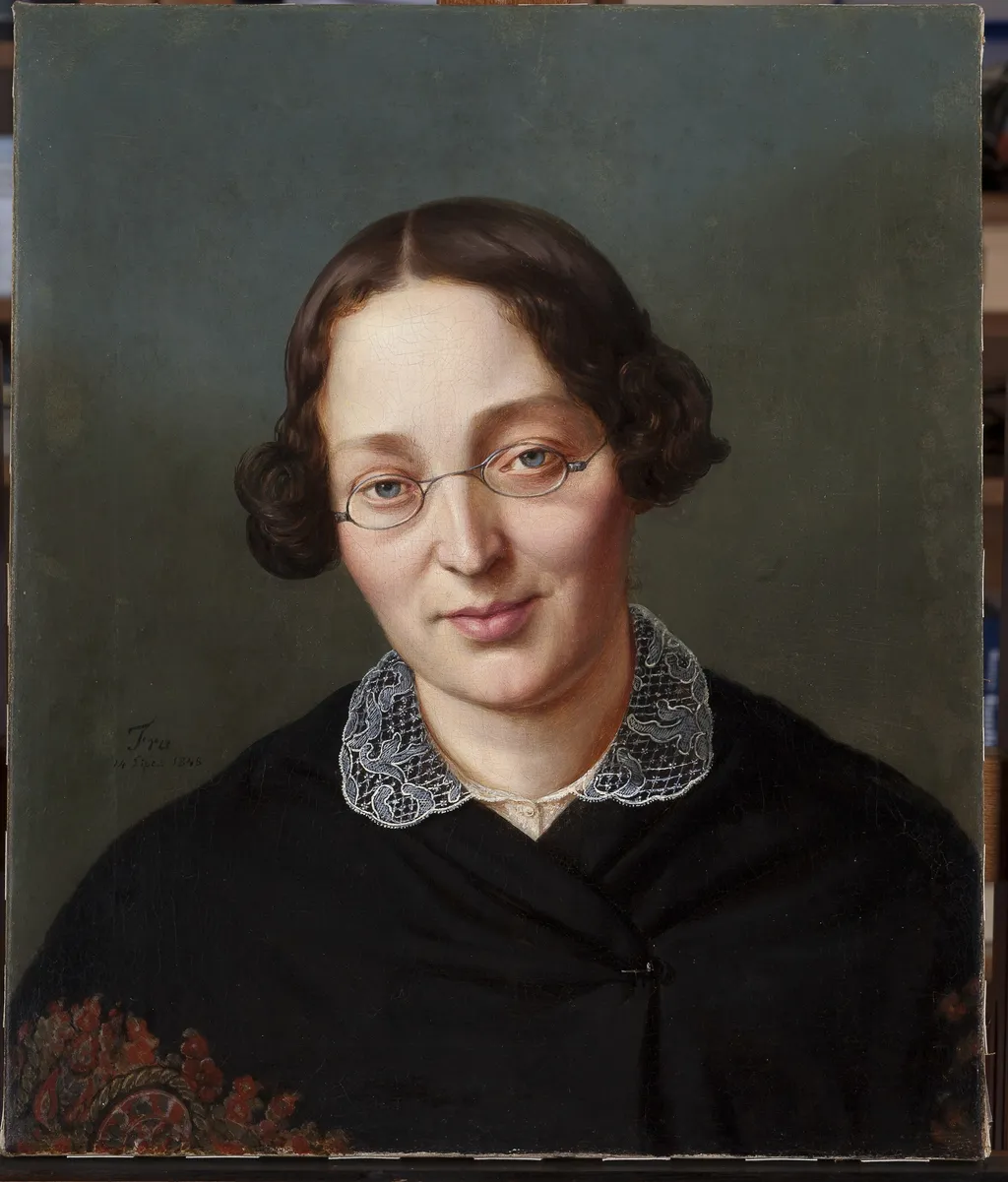
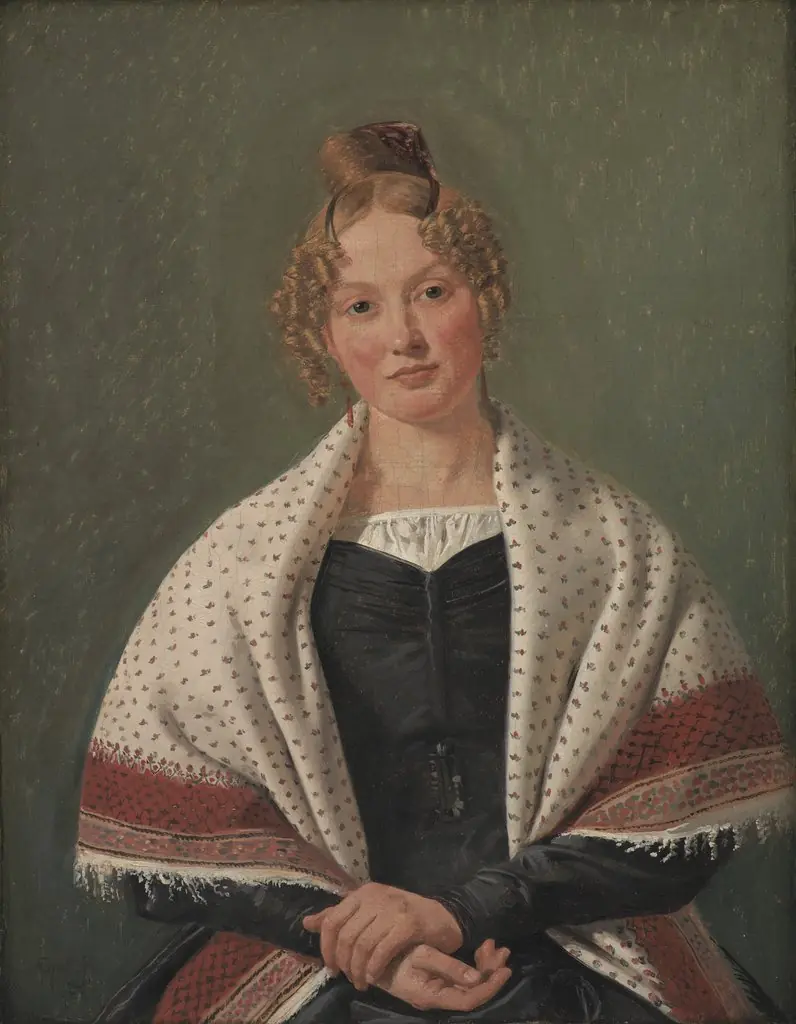
Portrait of a Woman is an oil painting by the Realist artist Unknown. It dates from 1848 and is held in the collection of the National Museum in Kraków.
About this work
This painting shows a woman with dark hair pulled back and round glasses. She’s wearing a black dress with a white lace collar. The background is dark and plain, but there’s a small splash of red flowers in the corner.
Her glasses and the way her hair is styled look very 1800s. The painting was made in 1848.
Next, check out the technique: chiaroscuro.
Overview
The work titled *Portrait of a Woman* is an oil painting executed in 1848. It presents a solitary female sitter rendered against a muted, dark backdrop, punctuated only by a modest cluster of red blossoms in the lower corner. The composition is intimate, focusing on the figure’s face and attire, and exemplifies mid‑nineteenth‑century portrait conventions.
Subject & Meaning
The subject is a woman with dark hair gathered back and wearing round spectacles, suggesting both modesty and education. She is dressed in a black gown trimmed with a white lace collar, a sartorial choice that contrasts with the somber background and may hint at refined taste or social standing. The red flowers offer a subtle counterpoint, perhaps symbolising vitality amid restraint.
Technique & Style
The artist employs chiaroscuro, using strong contrasts of light and shadow to model the figure’s features and give depth to the fabric. The illumination falls on the face and upper chest, while the surrounding darkness recedes, creating a three‑dimensional effect typical of the period’s academic training. Brushwork is smooth, especially in the rendering of the glass lenses and lace detailing.
Context
Created in the late 1840s, the portrait aligns with a European tradition of individualized, middle‑class representation, where personal attributes such as glasses and hairstyle signal contemporary fashion. The restrained palette and emphasis on realism reflect the influence of academic academies, which prioritized precise observation and controlled composition during this era.
History & Provenance
No specific ownership record accompanies the painting, and its original commissioner remains unidentified. The work’s date and stylistic traits place it within the broader output of mid‑century portraitists, suggesting it may have been produced for private display in a domestic setting rather than public exhibition.
Artist & collection

 Domestic Scene
 Giacomo and Cardinal Marco, investing Andrea, Abbot of San Zeno, with his Benefice
 The Nymph of Fontainebleau
 Portrait of a Woman
 Madonna and Child with Saints in the Enclosed Garden
 Venus and Minerva
 Family Group of Four on Sofa
 Wall painting from Room H of the Villa of P. Fannius Synistor at Boscoreale
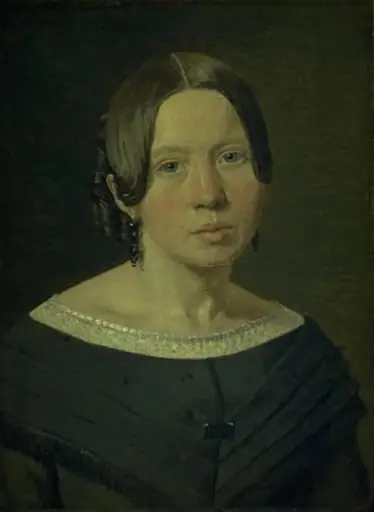 Portrait of the Artist´s Sister-in-Law Johanne Elisabeth Købke, née Sundbye
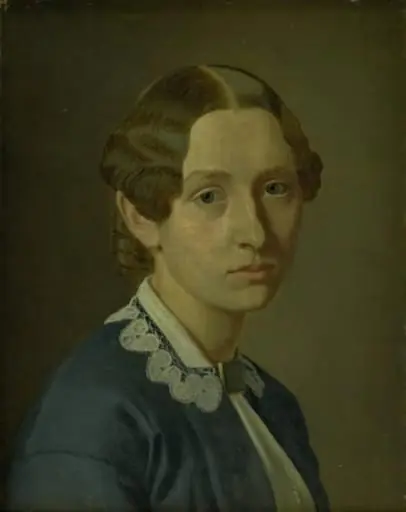 Thomasine Ludvigne Vermehren, f. Grüner, kunstnerens hustru
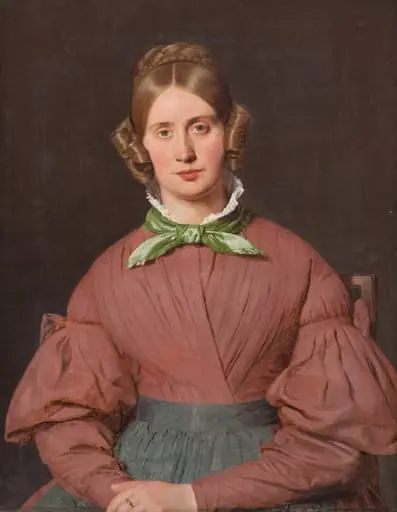 Portrait of Susanne Cecilie Købke, née Købke, the Artist´s Wife
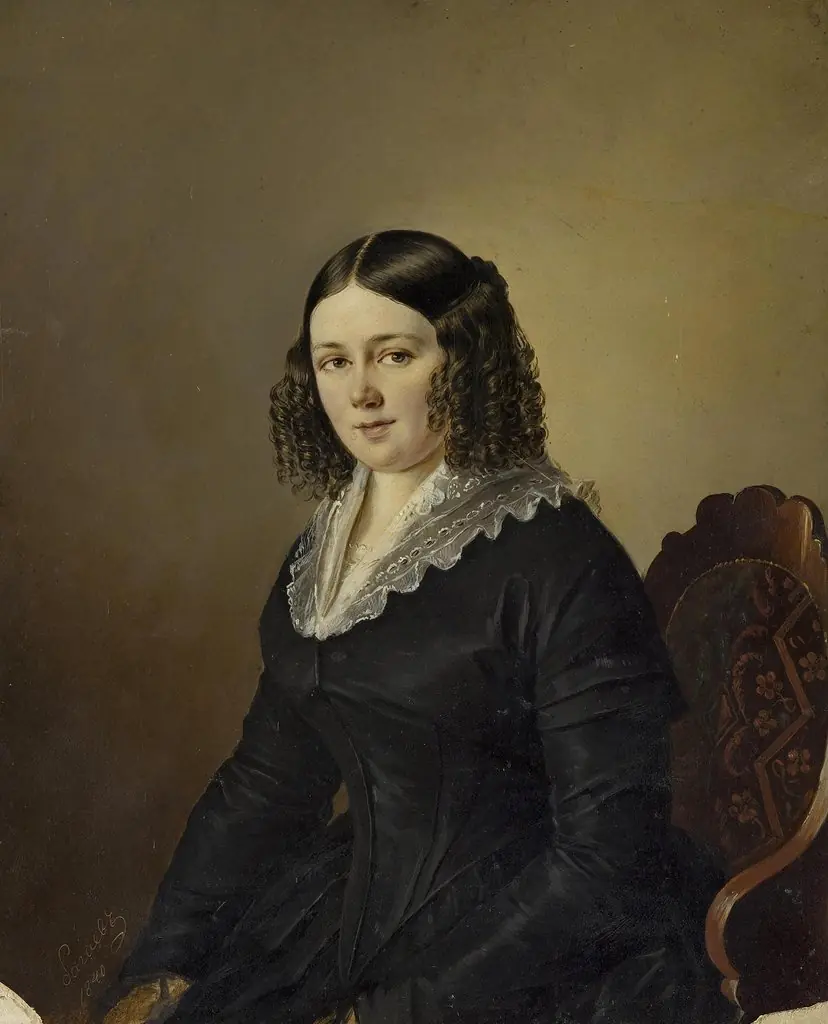 Portrait of A.I. Kolychiova
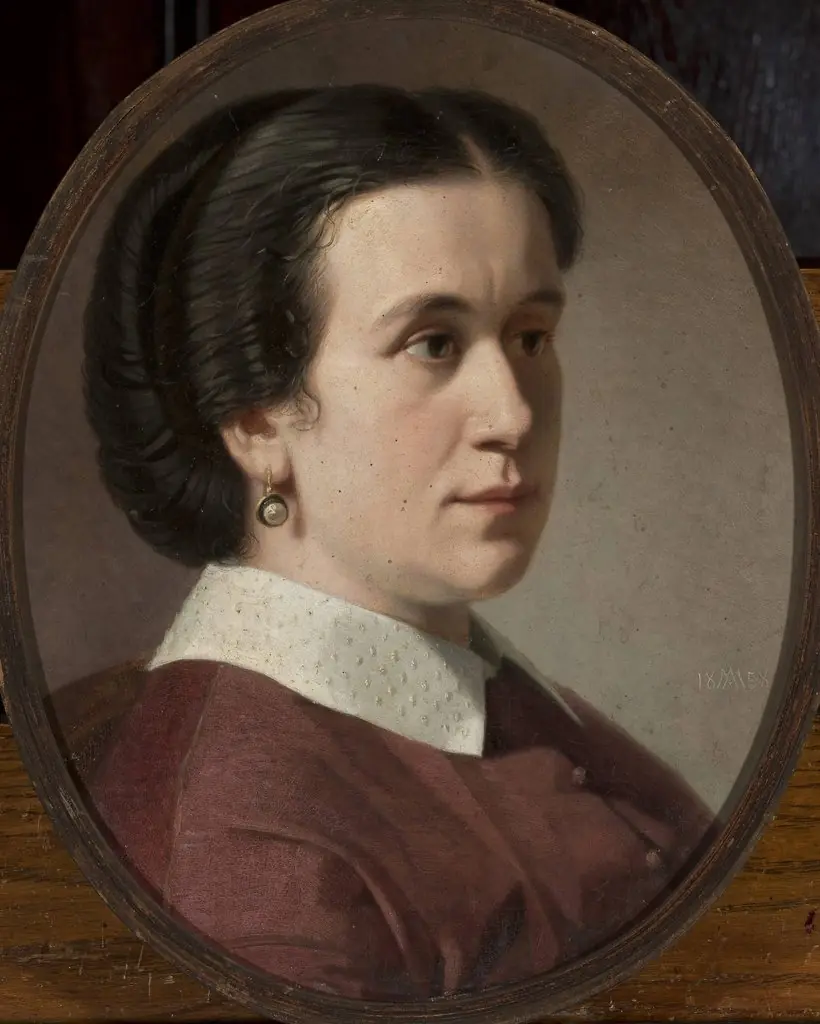 Portrait of a woman
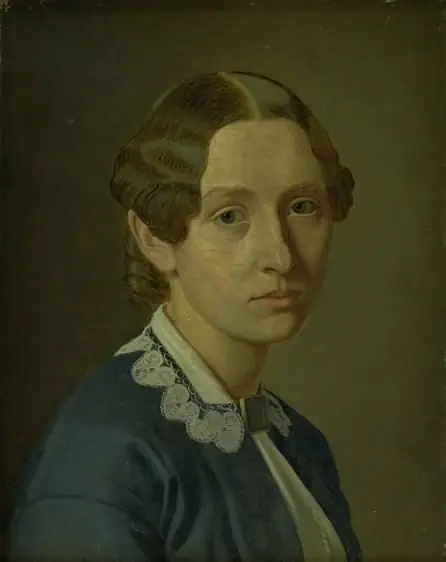 Thomasine Ludvigne Vermehren, f. Grüner, kunstnerens hustru
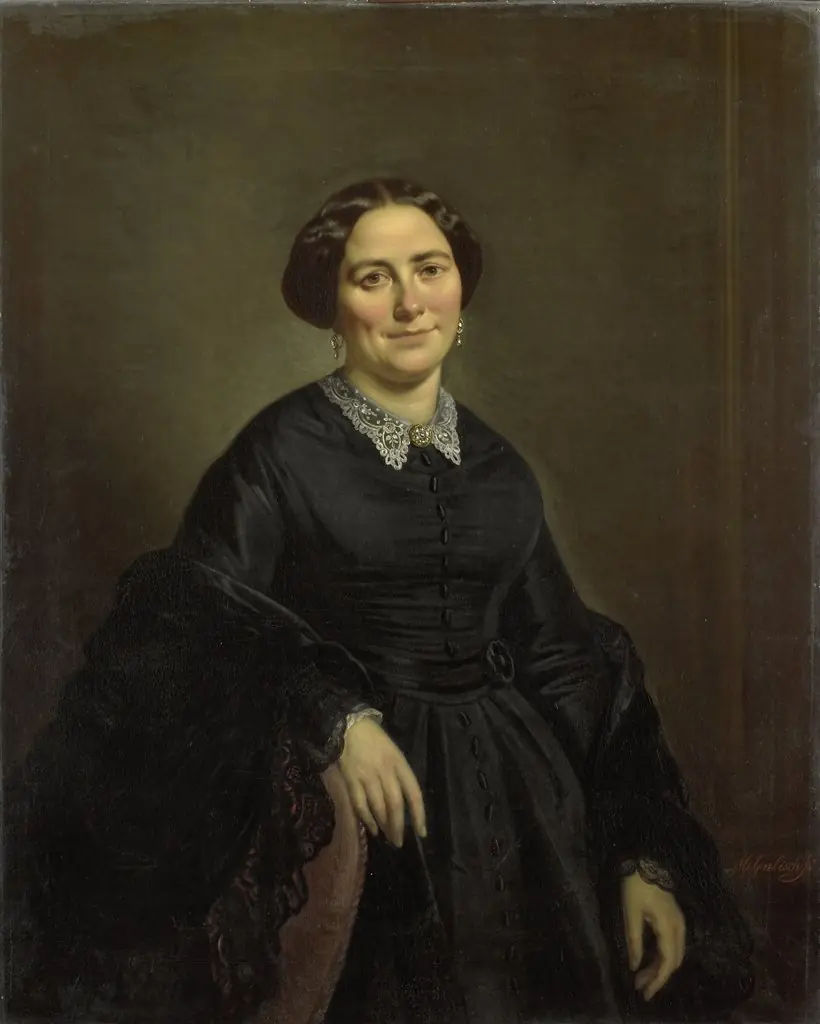 Johanna Christina Beelenkamp (1820-90). Wife of Cornelis Outshoorn
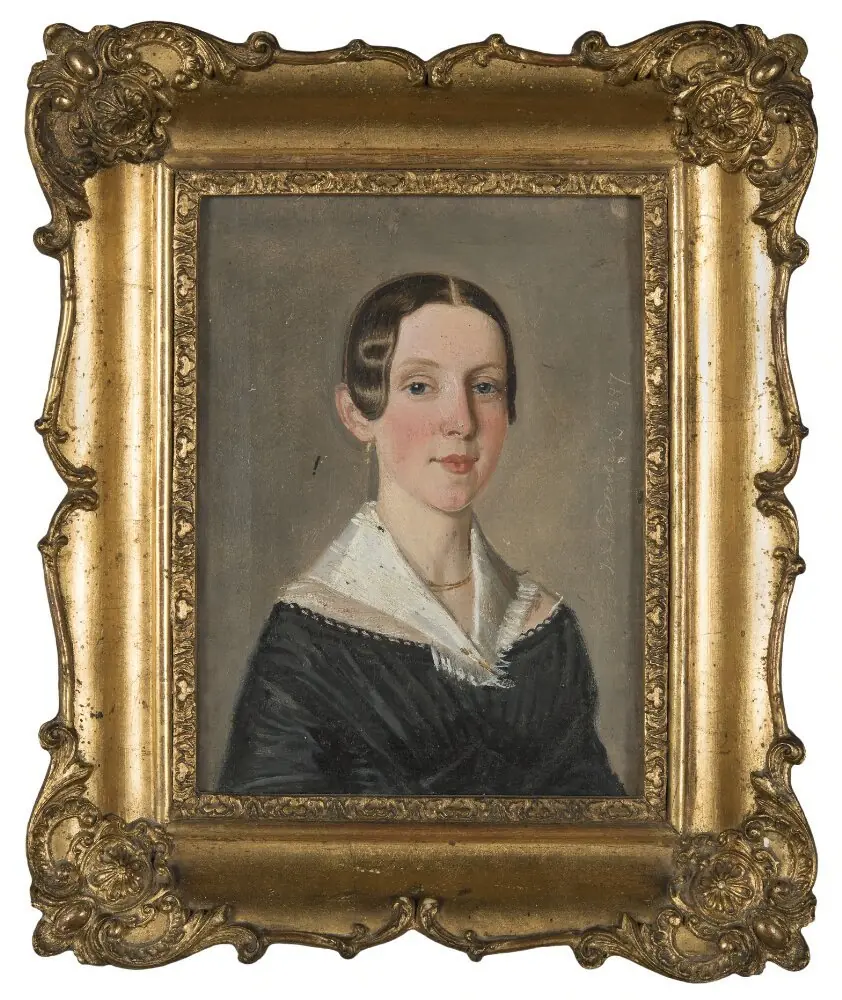 Elise Ljungman, m. Paint Manufacturer and the Director of an Orphanage Signeul in Uddevalla
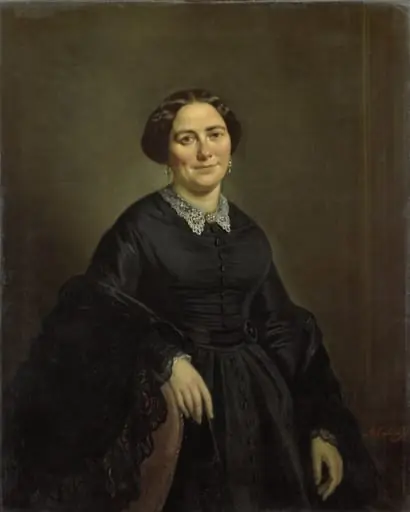 Johanna Christina Beelenkamp (1820-90). Wife of Cornelis Outshoorn
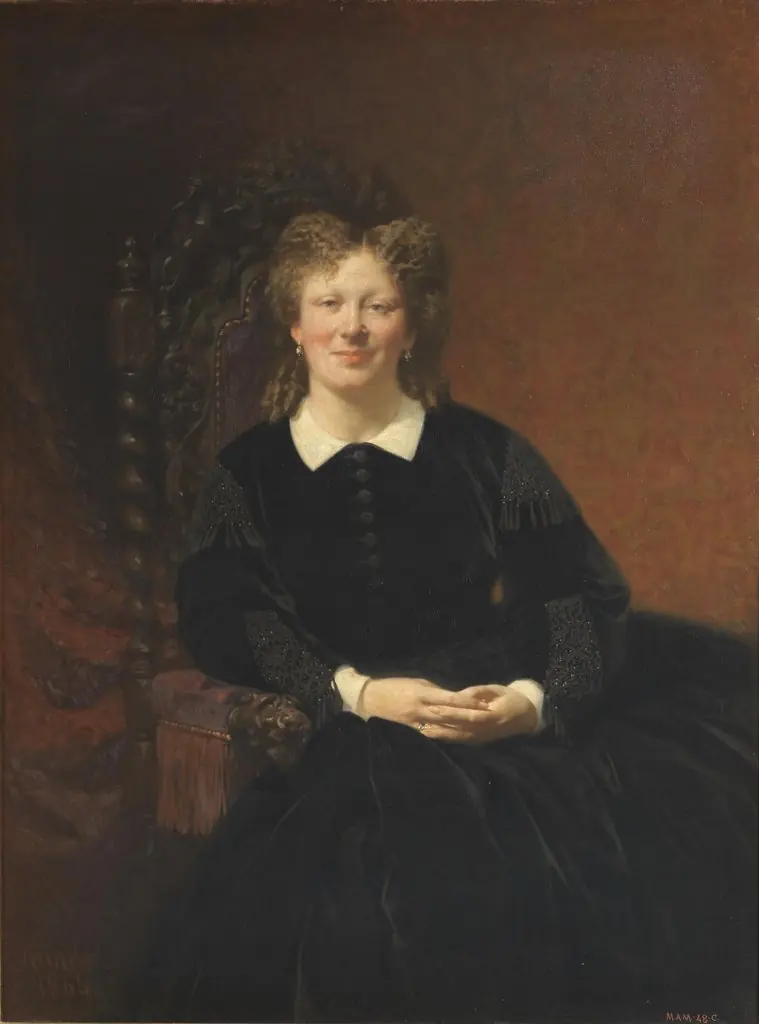 Portrait of a French Woman
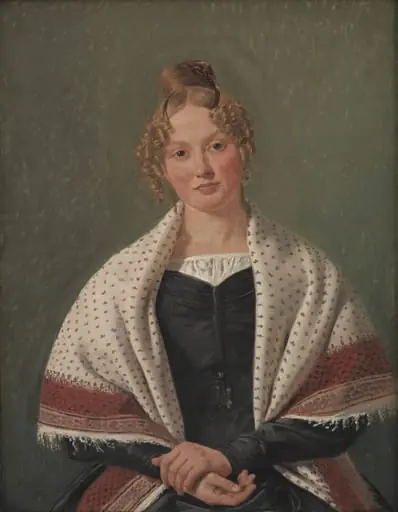 Portrait of Hanne Wanscher, née Wegener
 Portrait of Hanne Wanscher, née Wegener