Artwork
Portrait of Yakov A. Potyomkin (1781-1831)
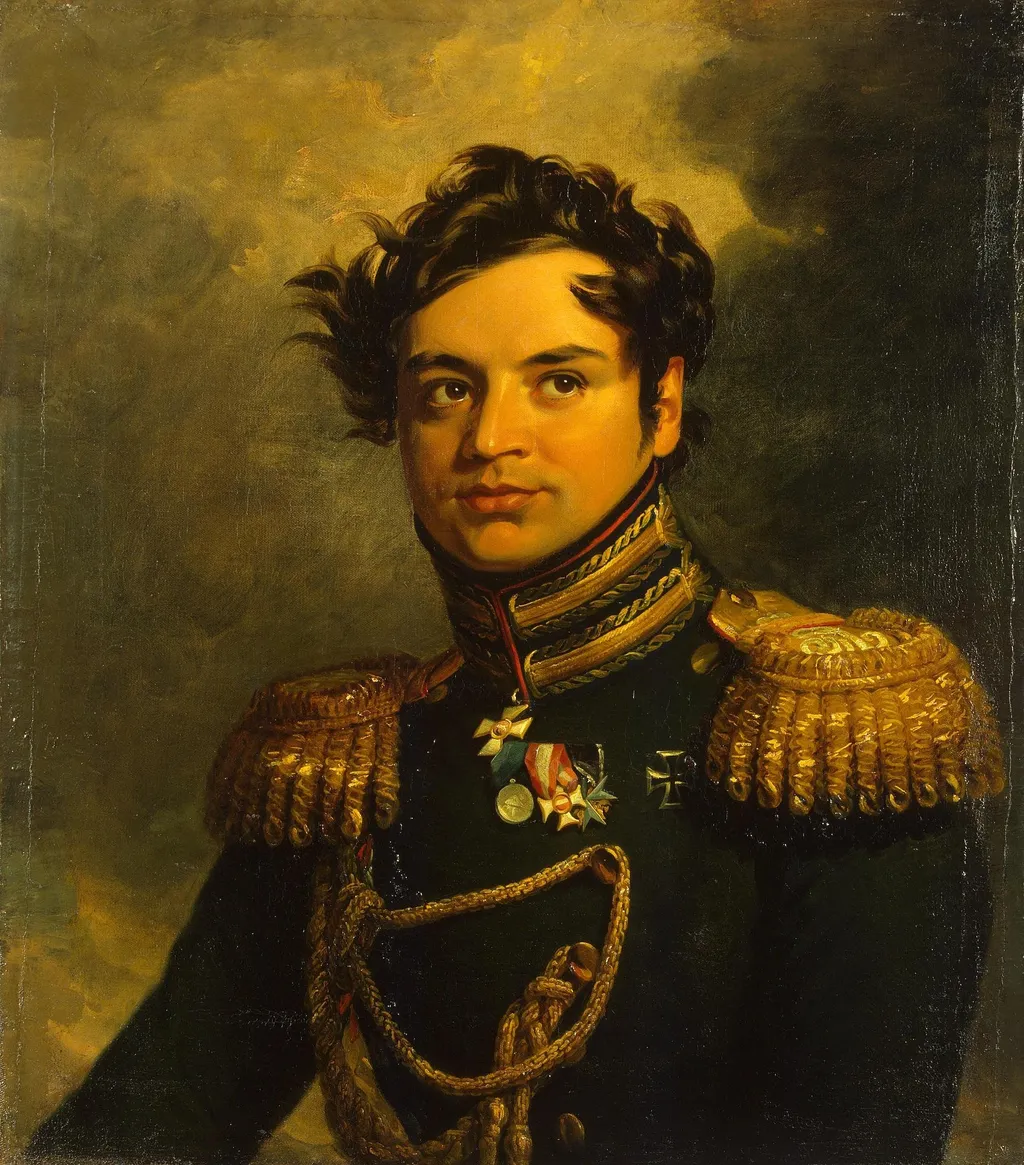
Portrait of Yakov A. Potyomkin (1781-1831) is an oil painting by the Neoclassicist artist Unknown. It dates from 1822 and is held in the collection of the Hermitage Museum. The oil portrait presents Yakov A.
About this work
Overview
The oil portrait presents Yakov A. Potyomkin, a figure from the early nineteenth century, rendered in a restrained palette. He is depicted in a dark brown military uniform accented with gold trim and epaulettes, his hair neatly pulled back. A plain, muted green‑brown backdrop isolates the sitter, emphasizing his solemn expression and the gleam of his medals.
Subject & Meaning
Potyomkin’s attire and the prominent display of medals indicate a senior rank, likely within the Russian military or civil service. The composed demeanor and direct gaze suggest a portrayal intended to convey authority, discipline, and personal honor, reflecting the values associated with his official position.
Technique & Style
Executed in oil, the work employs chiaroscuro to model the face and insignia, allowing light to accentuate the medals against the darker uniform. The brushwork is smooth and controlled, typical of formal portraiture of the period, while the limited background color reinforces the focus on the sitter’s features.
History & Provenance
The portrait is part of the State Hermitage Museum’s collection, where it has been held since its acquisition in the nineteenth century. Documentation links the painting to the museum’s efforts to preserve portraits of notable Russian officials from the era of the Napoleonic wars.
Context
Created during a time when portraiture served both personal commemoration and state propaganda, the painting reflects the Russian Empire’s emphasis on military prestige. Uniform details correspond to the dress codes of high‑ranking officers in the early 1800s, situating Potyomkin within the broader visual culture of imperial service.
Artist & collection

 Domestic Scene
 Giacomo and Cardinal Marco, investing Andrea, Abbot of San Zeno, with his Benefice
 The Nymph of Fontainebleau
 Portrait of a Woman
 Madonna and Child with Saints in the Enclosed Garden
 Venus and Minerva
 Family Group of Four on Sofa
 Wall painting from Room H of the Villa of P. Fannius Synistor at Boscoreale
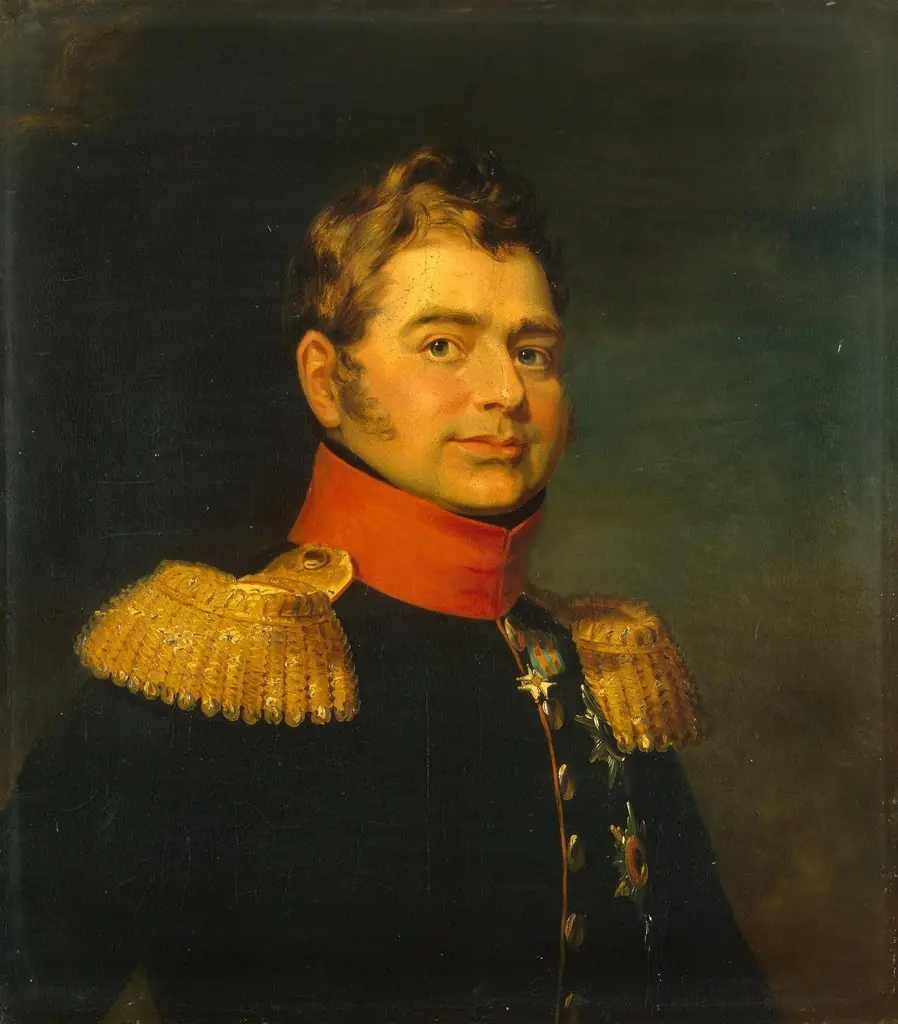 Portrait of Sergey Ya. Repninsky (1775-1818) (2nd)
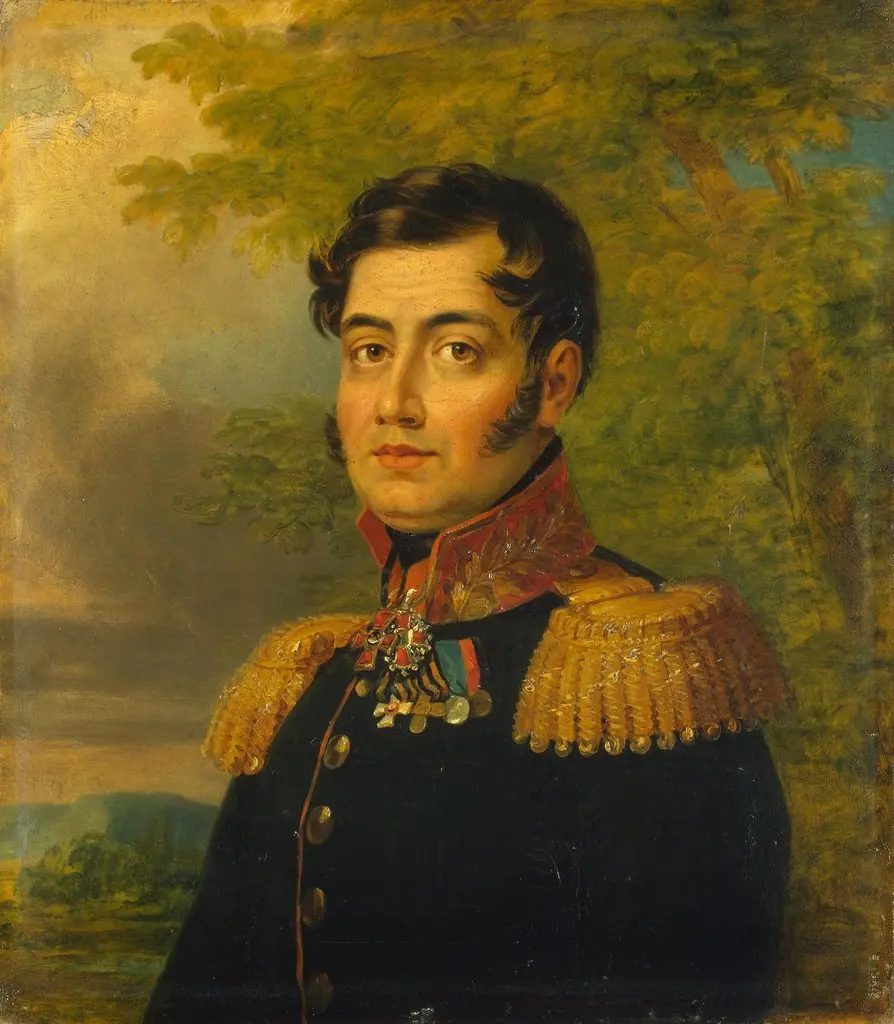 Portrait of Mikhail F. Naumov (1757-1823)
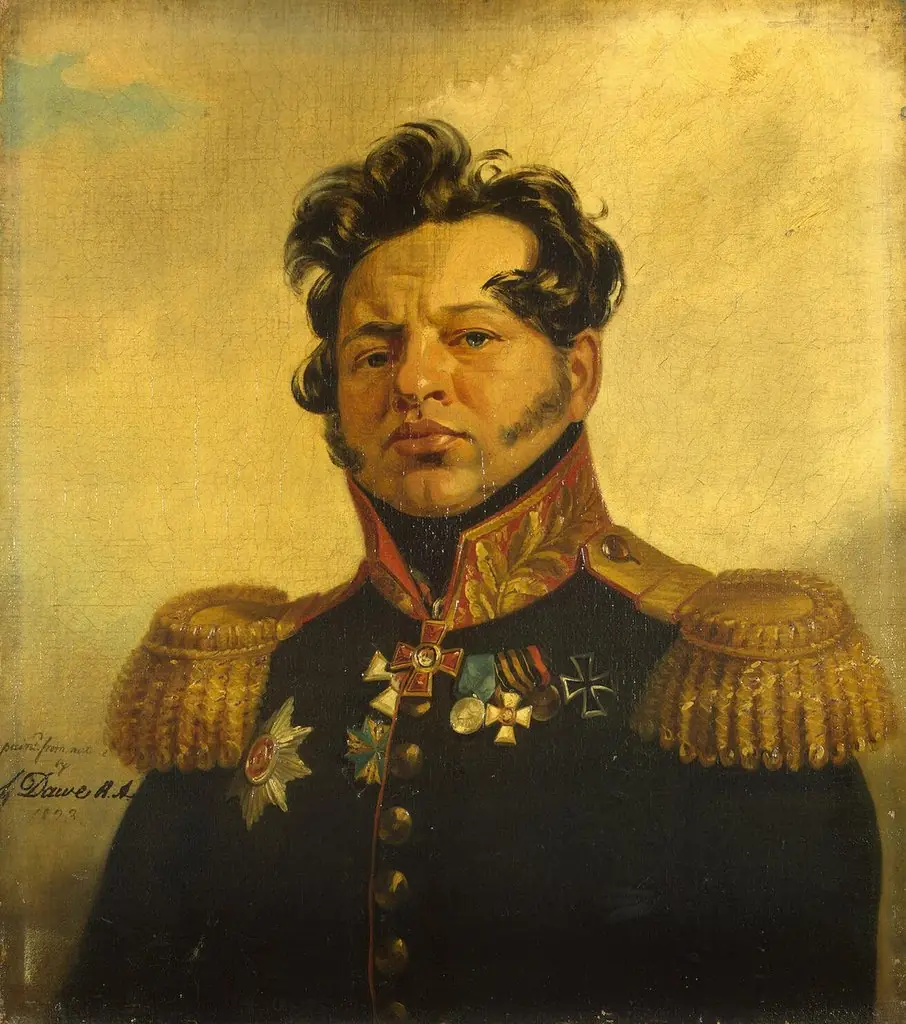 Portrait of Fyodor N. Posnikov (1784-1841)
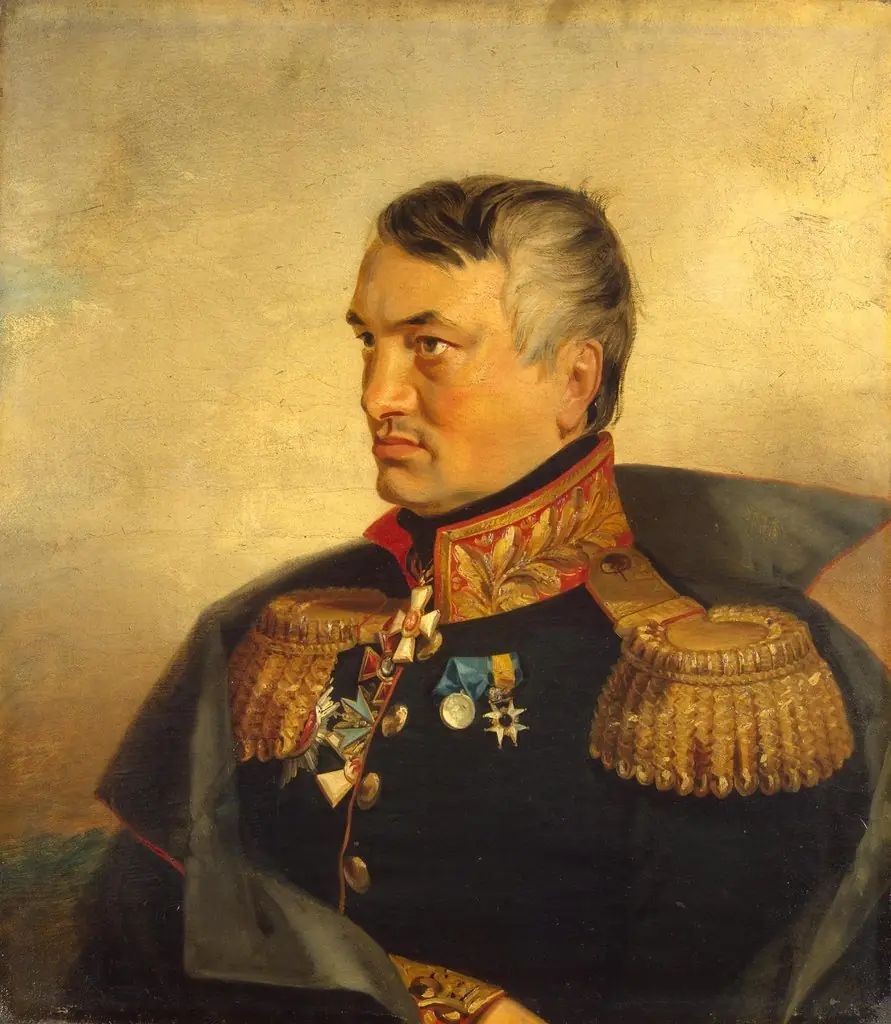 Portrait of Nikolai V. Vasilchikov (1781-1849) (3rd)
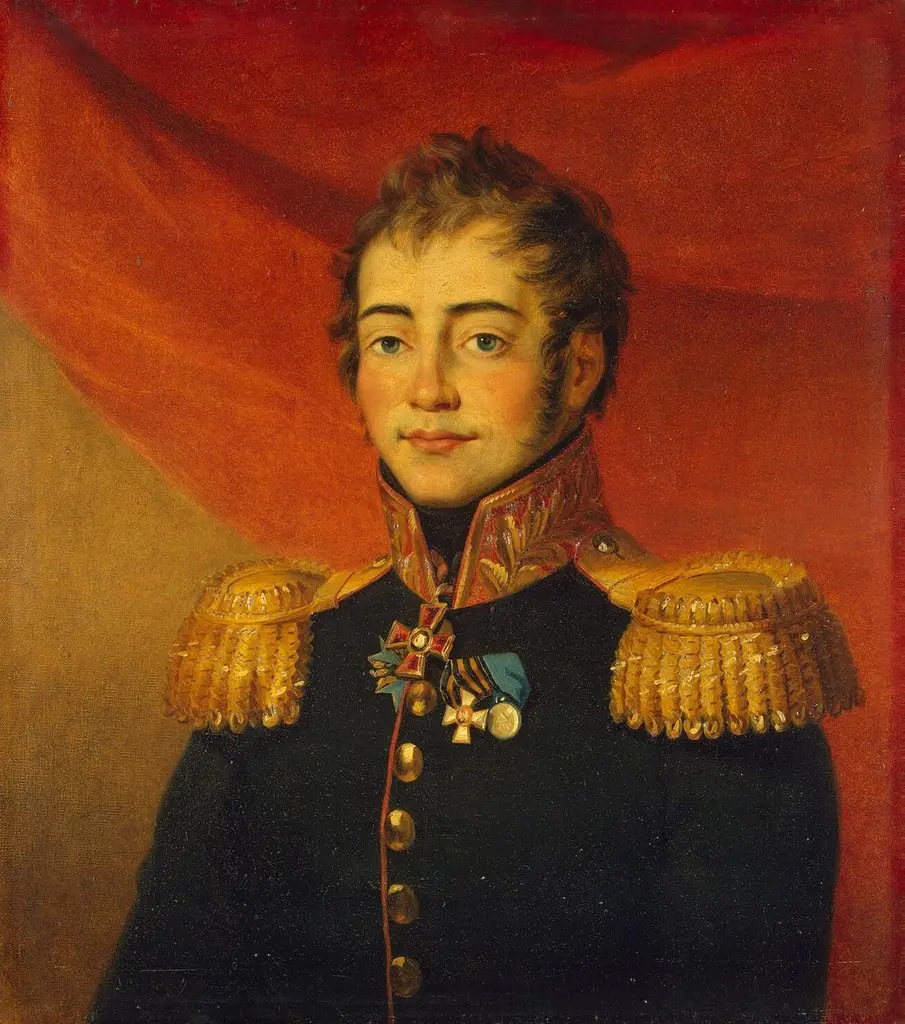 Portrait of Dmitry P. Lyapunov (1775-1821)
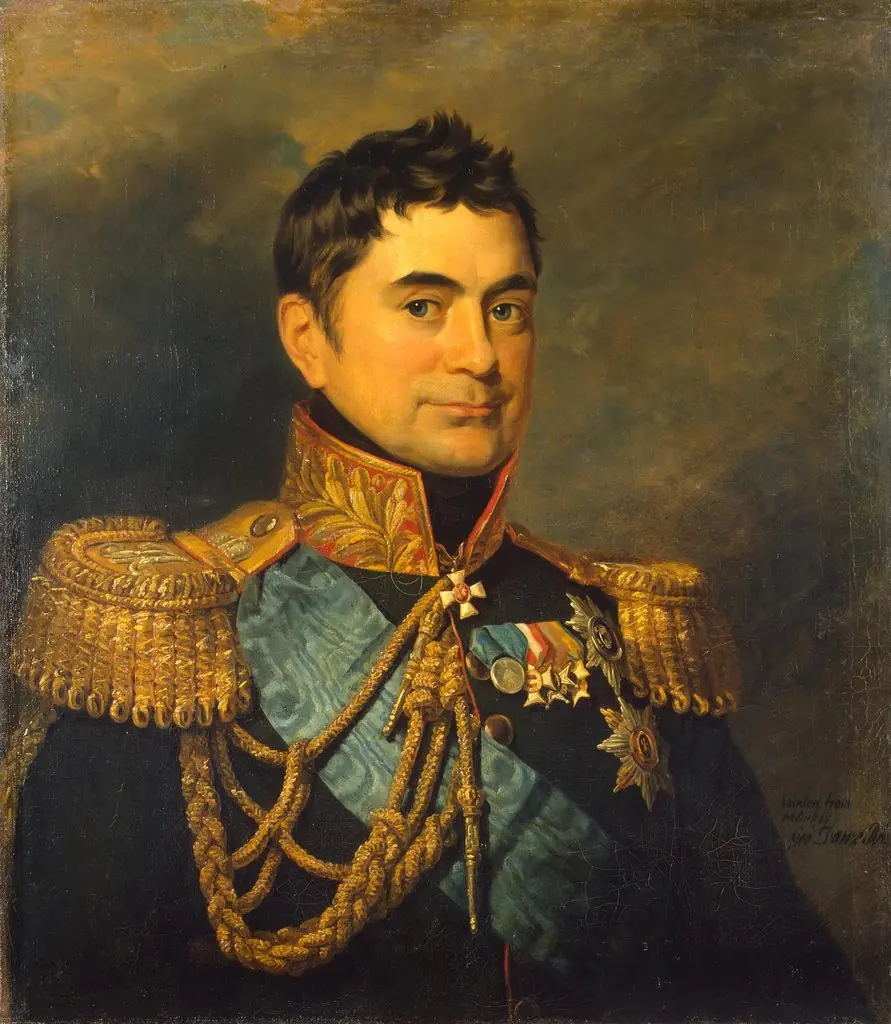 Portrait of Pyotr M. Volkonsky (1776-1852)
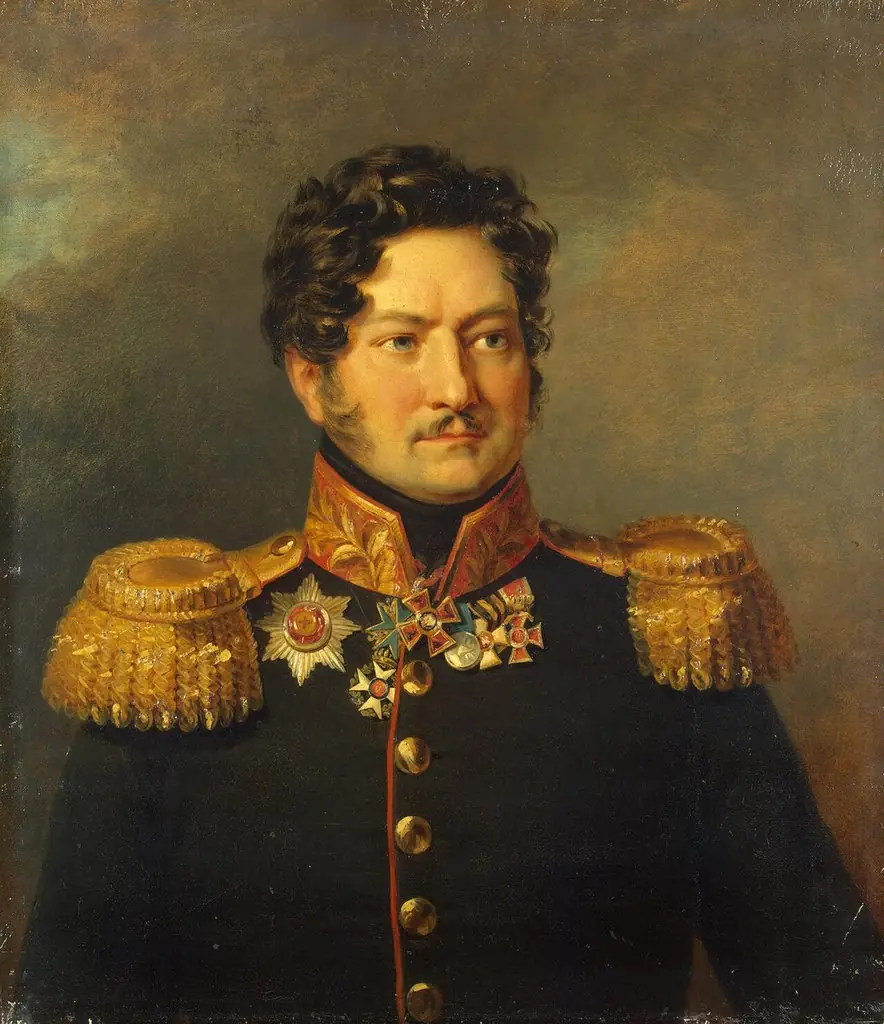 Portrait of Dmitry L. Ignatyev (1771-1833)