Artwork
King Yu Moving a Mountain to Control the Floods
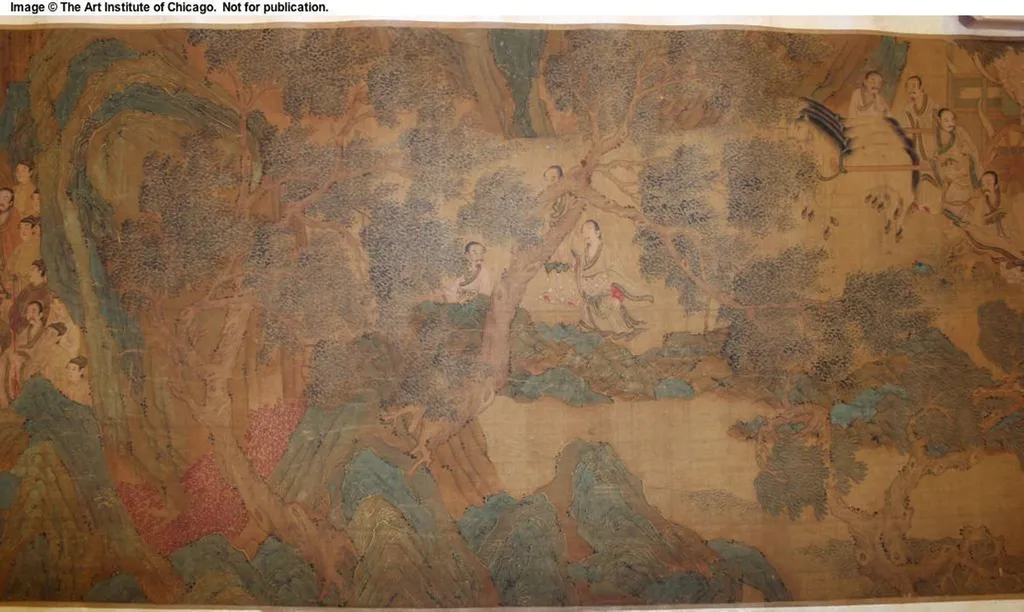
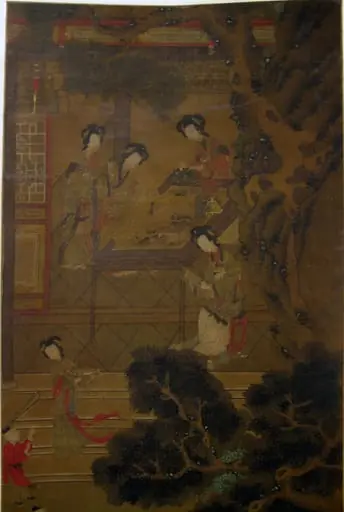
King Yu Moving a Mountain to Control the Floods is an unspecified painting by the Rococo painting artist Unknown. It dates from 1750 and is held in the collection of the Art Institute of Chicago. This painting depicts the legendary figure King Yu leading a large-scale effort to redirect floodwaters by altering the landscape.
About this work
Overview
This painting depicts the legendary figure King Yu leading a large-scale effort to redirect floodwaters by altering the landscape.
This painting depicts the legendary figure King Yu leading a large-scale effort to redirect floodwaters by altering the landscape. A dense assembly of figures, trees, and rugged terrain fills the composition, emphasizing collective labor and natural forces. The scene is rendered with meticulous attention to detail, particularly in the clothing and topography, suggesting a narrative rooted in ancient Chinese myth and historical memory.
Subject & Meaning
The subject draws from the myth of King Yu, who, through perseverance and communal effort, tamed catastrophic floods by carving channels through mountains rather than building barriers. The central tree may symbolize resilience or a sacred landmark around which labor is organized. The scene conveys themes of harmony between human will and nature, reflecting Confucian ideals of dutiful leadership and collective responsibility.
Technique & Style
The artist employs fine brushwork to render intricate textile patterns, layered mountain contours, and varied tree foliage. Colors are muted—earthy browns, forest greens, and soft blues—creating a cohesive, atmospheric depth. The composition avoids perspective distortion, favoring a flattened, hierarchical arrangement that prioritizes narrative clarity over spatial realism, typical of traditional Chinese scroll painting.
History & Provenance
The painting’s origins are undocumented, but its iconography aligns with Ming or Qing dynasty illustrated texts on moral governance and hydraulic engineering. It likely served an educational or ceremonial purpose, possibly commissioned for court or scholarly circulation. No known collector records or exhibition histories precede its modern documentation, suggesting it remained within private or institutional archives.
Context
During the late imperial period, stories of King Yu were frequently invoked to legitimize state-led infrastructure projects and reinforce Confucian virtues. Paintings like this were part of a broader visual culture that linked natural disasters with moral order, portraying rulers as mediators between heaven and earth. Such imagery reinforced the state’s role in maintaining cosmic and social balance.
Legacy
Though not widely exhibited, the painting contributes to a visual tradition that preserved mythic narratives of governance through labor. It reflects how historical legends were visually codified to instruct and inspire, influencing later depictions of public works in Chinese art. Its survival offers insight into how premodern societies encoded civic ideals within pictorial form.
Artist & collection

 Domestic Scene
 Giacomo and Cardinal Marco, investing Andrea, Abbot of San Zeno, with his Benefice
 The Nymph of Fontainebleau
 Portrait of a Woman
 Madonna and Child with Saints in the Enclosed Garden
 Venus and Minerva
 Family Group of Four on Sofa
 Wall painting from Room H of the Villa of P. Fannius Synistor at Boscoreale
 宋人折檻圖 軸
 明 佚名 禮佛圖 軸|Shakyamuni with luohan, heavenly king, and boys
 Elegant Gathering in the Western Garden
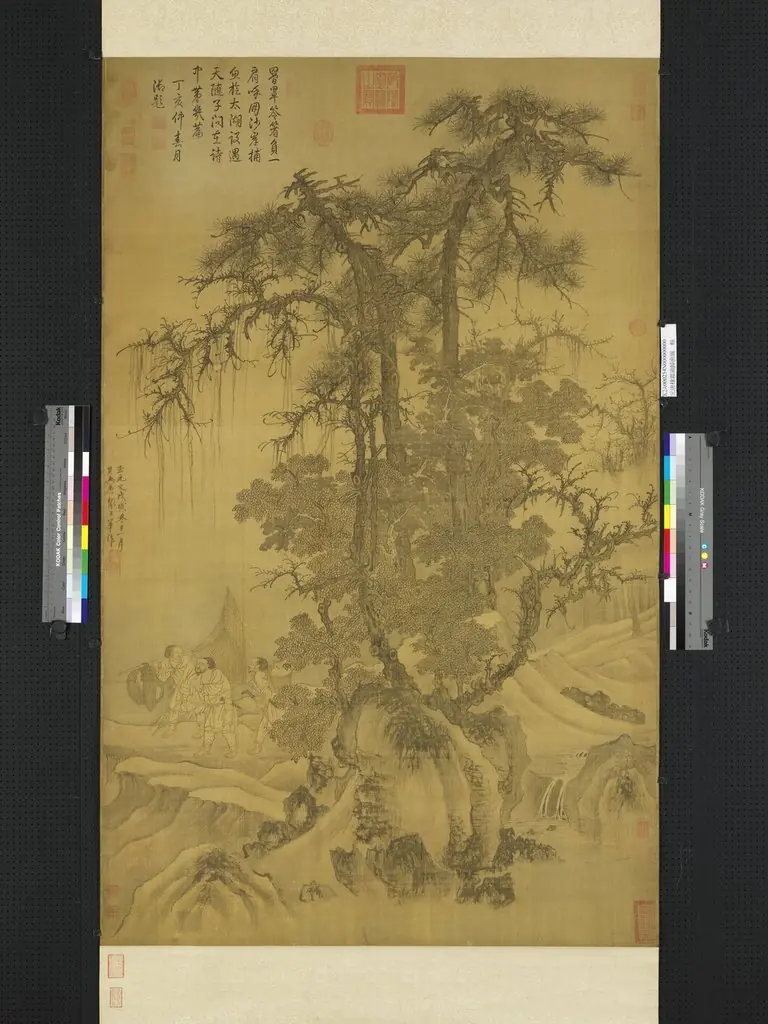 元唐棣霜浦歸漁圖 軸
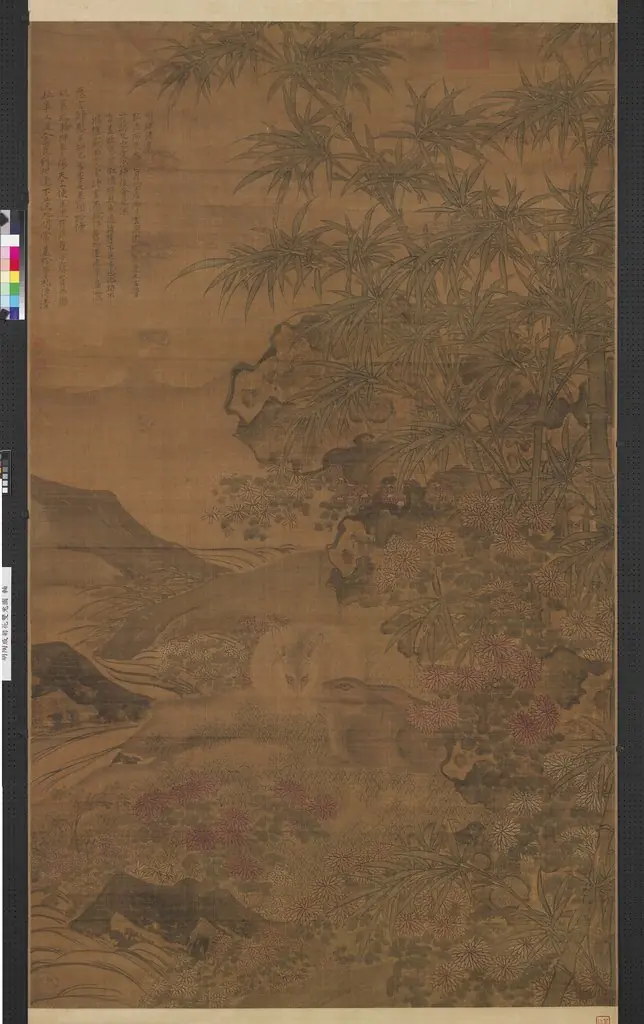 Two Rabbits under Chrysanthemums
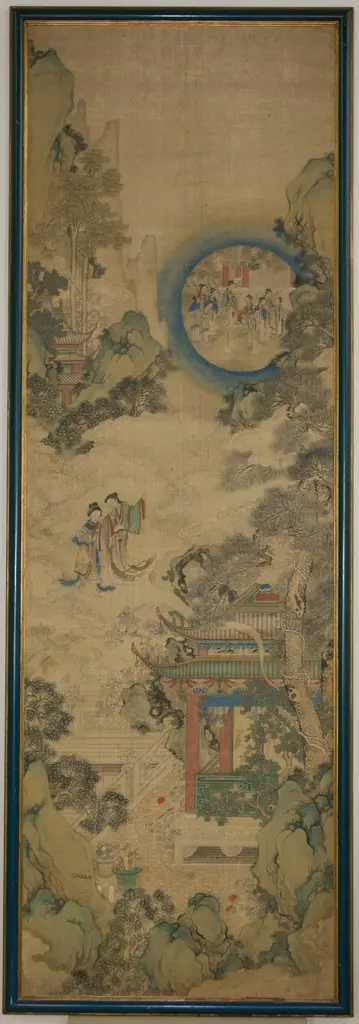 Three scenes from festivals of the twelve months
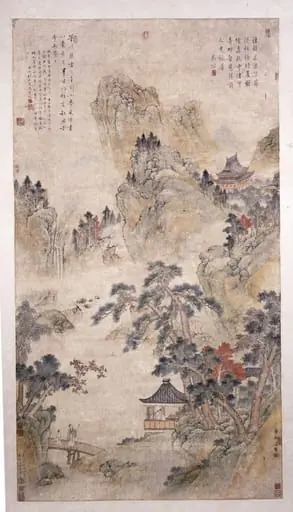 Visiting a friend in the mountains
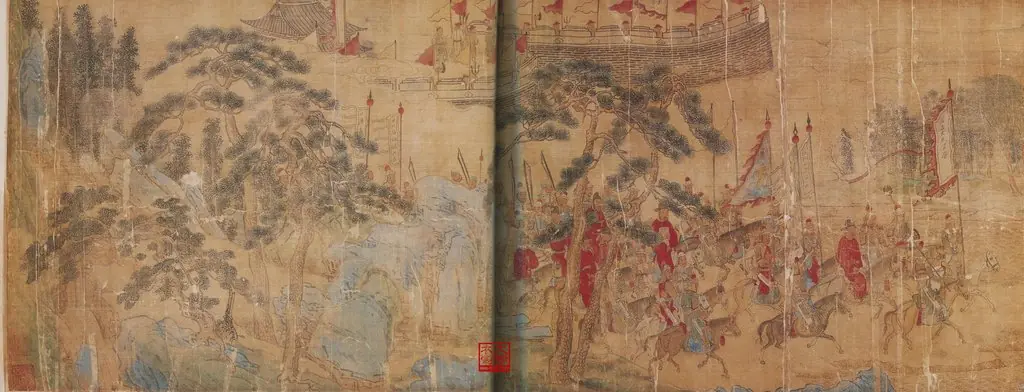 Resisting Japanese Pirates
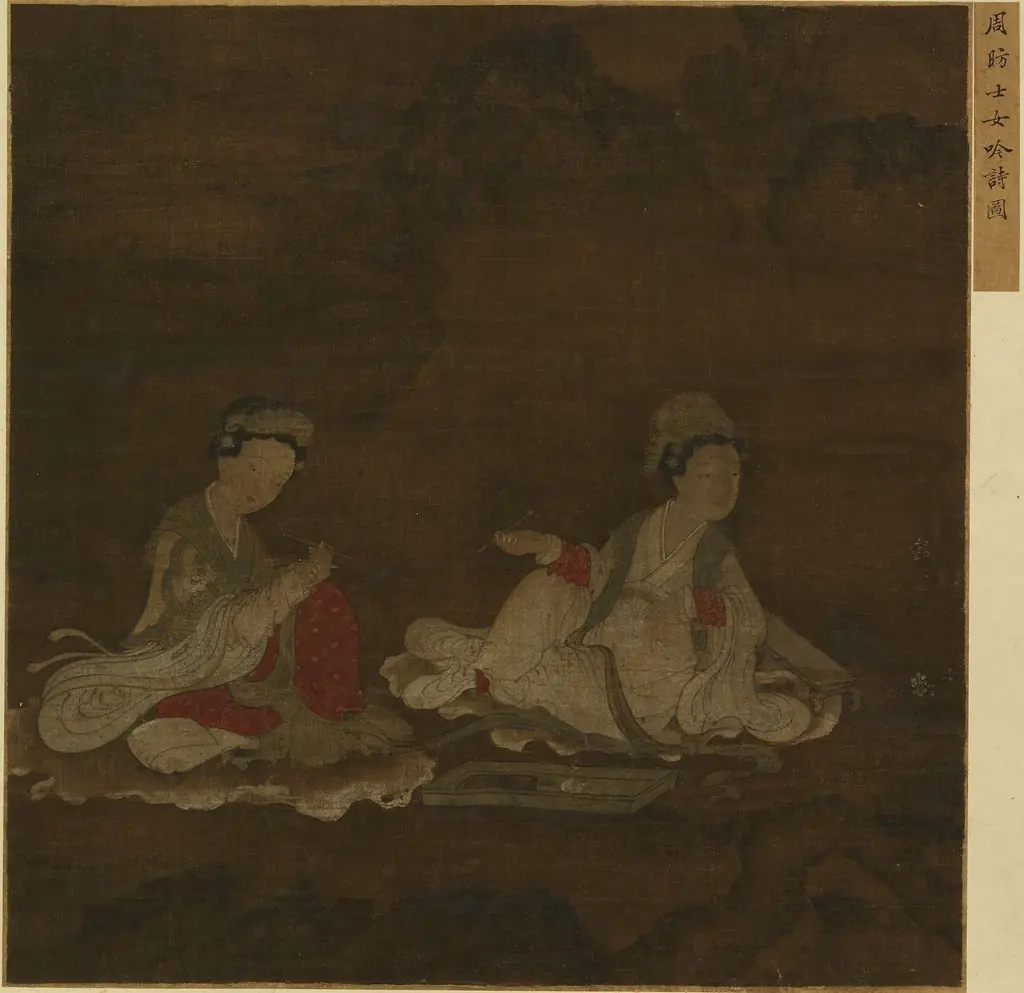 名繪集珍 冊 唐周昉士女吟詩圖
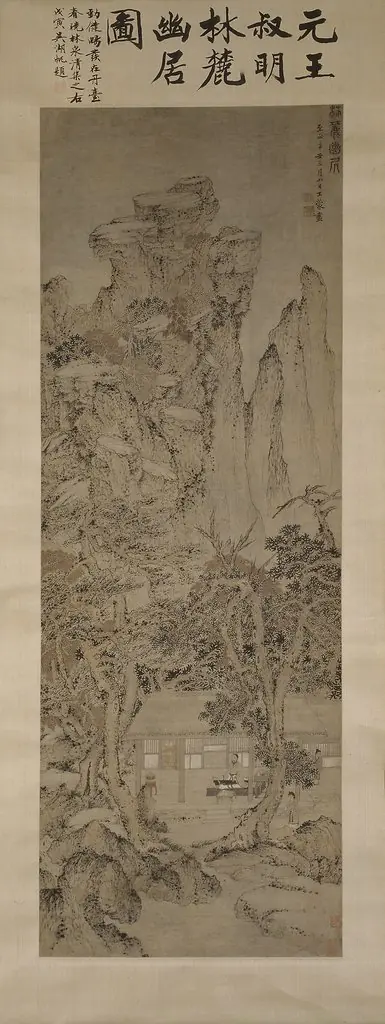 Quiet Life in a Wooded Glen
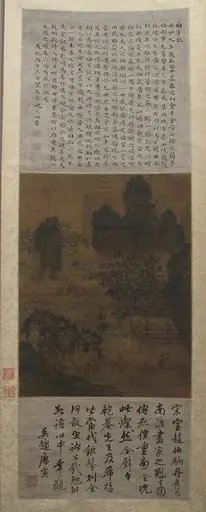 明/清 佚名(舊傳趙伯駒) 蘭亭圖 軸|Orchid Pavilion or Lanting
 Untitled