Artwork
宋人折檻圖 軸
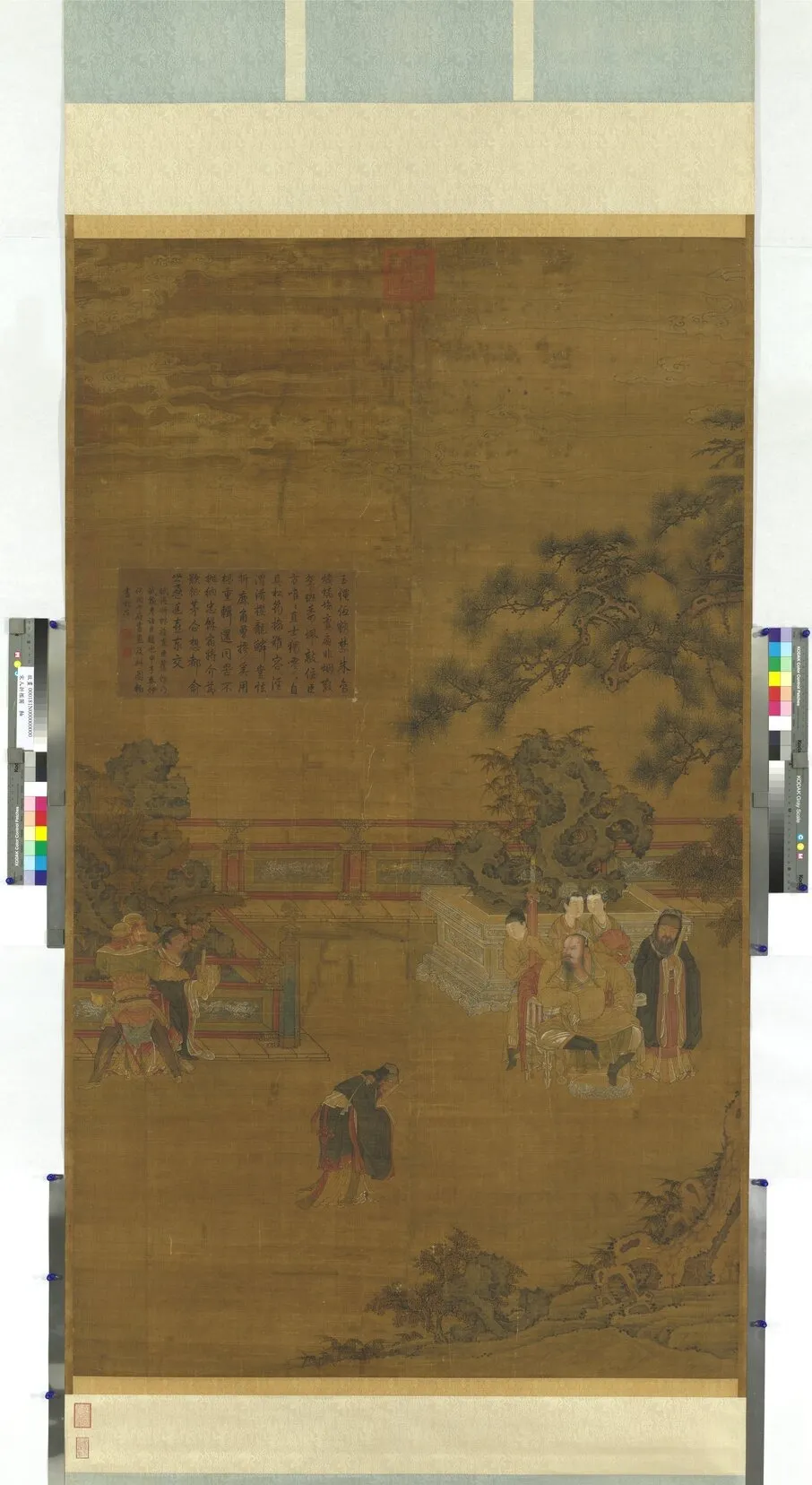
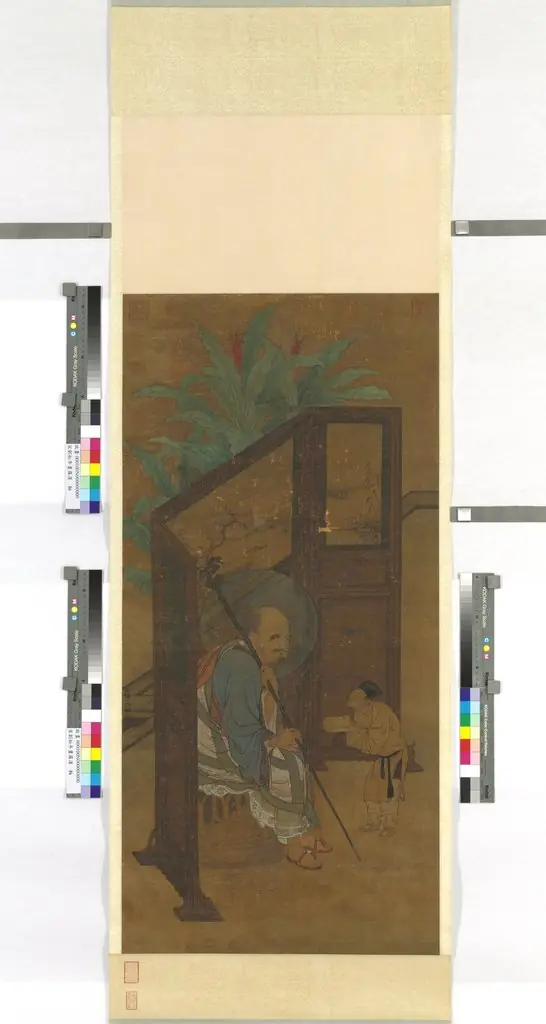
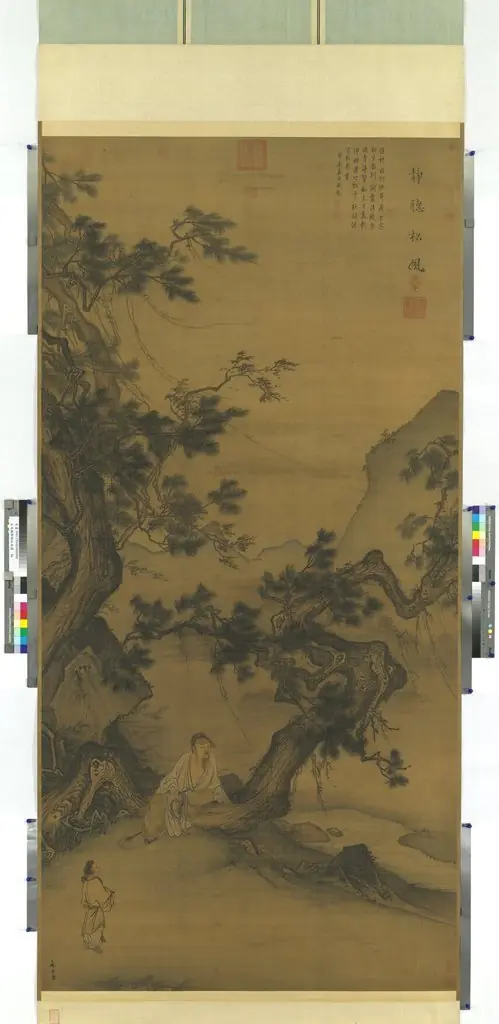
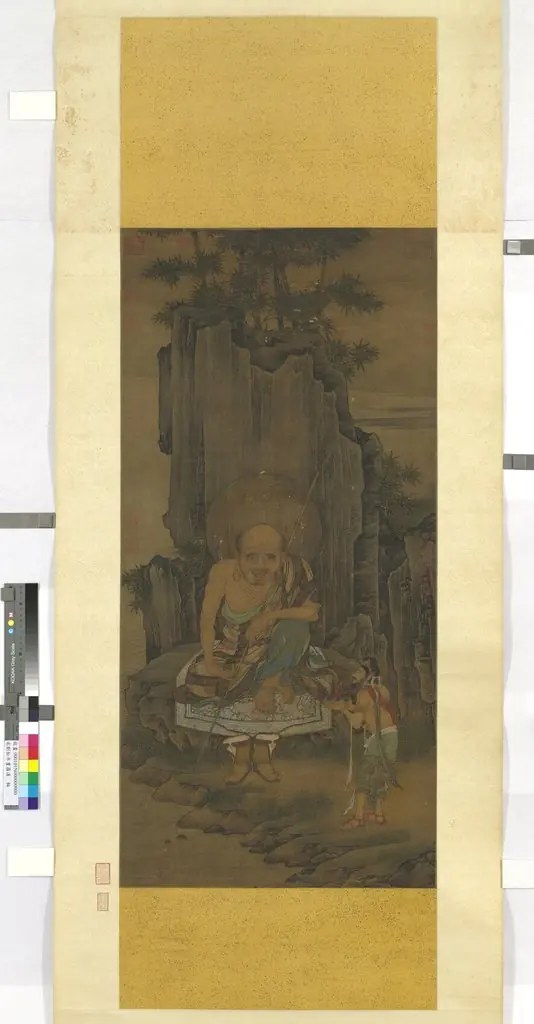
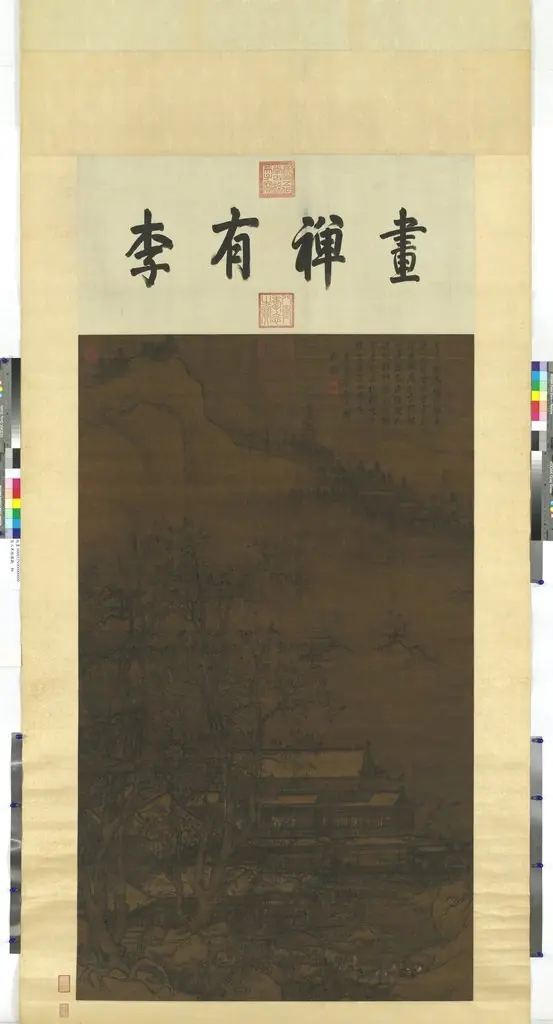
宋人折檻圖 軸 is an unspecified painting by the Romanesque artist Unknown. It dates from 1100 and is held in the collection of the National Palace Museum. The work is a silk handscroll painted in the Song dynasty style, measuring several meters in length.
About this work
Overview
A single individual in a vivid red robe draws visual focus, while the surrounding characters engage in conversation or observation.
The work is a silk handscroll painted in the Song dynasty style, measuring several meters in length. Rendered on a brown‑toned silk surface, the composition presents a landscape with trees and a distant building, foregrounded by a gathering of figures in traditional attire. A single individual in a vivid red robe draws visual focus, while the surrounding characters engage in conversation or observation.
Subject & Meaning
The scene depicts a social assembly, likely a scholarly or official gathering, as suggested by the formal robes and headwear. The prominence of the red‑clad figure hints at a person of status or a focal point of the narrative, perhaps a patron, teacher, or official being addressed by the group. The interplay of gestures and glances conveys a moment of discourse or ceremony within a cultivated environment.
Technique & Style
Executed with brushwork characteristic of Song period silk painting, the artist employs fine lines for architectural elements and foliage, while employing broader washes to suggest atmospheric depth. The muted earth tones of the background contrast with the saturated red of the central figure, creating a hierarchical visual hierarchy. Calligraphic inscriptions appear along the scroll, integrated into the composition without disrupting the pictorial flow.
History & Provenance
The scroll originates from the Song era, a time when silk handscrolls were a favored medium for literati art. While the precise collector history is undocumented, the piece reflects the period's emphasis on scholarly subjects and courtly gatherings. Its survival on silk indicates careful preservation, likely within a private collection before entering a public institution.
Context
During the Song dynasty, paintings often combined poetic inscription with visual narrative, serving both aesthetic and didactic purposes. This work aligns with that tradition, presenting a scene that could accompany a literary text or serve as a visual accompaniment to a written account of a ceremonial event. The inclusion of Chinese characters suggests a link to a specific poem or historical record, typical of the era's integrated art forms.
Artist & collection

 Domestic Scene
 Giacomo and Cardinal Marco, investing Andrea, Abbot of San Zeno, with his Benefice
 The Nymph of Fontainebleau
 Portrait of a Woman
 Madonna and Child with Saints in the Enclosed Garden
 Venus and Minerva
 Family Group of Four on Sofa
 Wall painting from Room H of the Villa of P. Fannius Synistor at Boscoreale