Artwork
William Brown
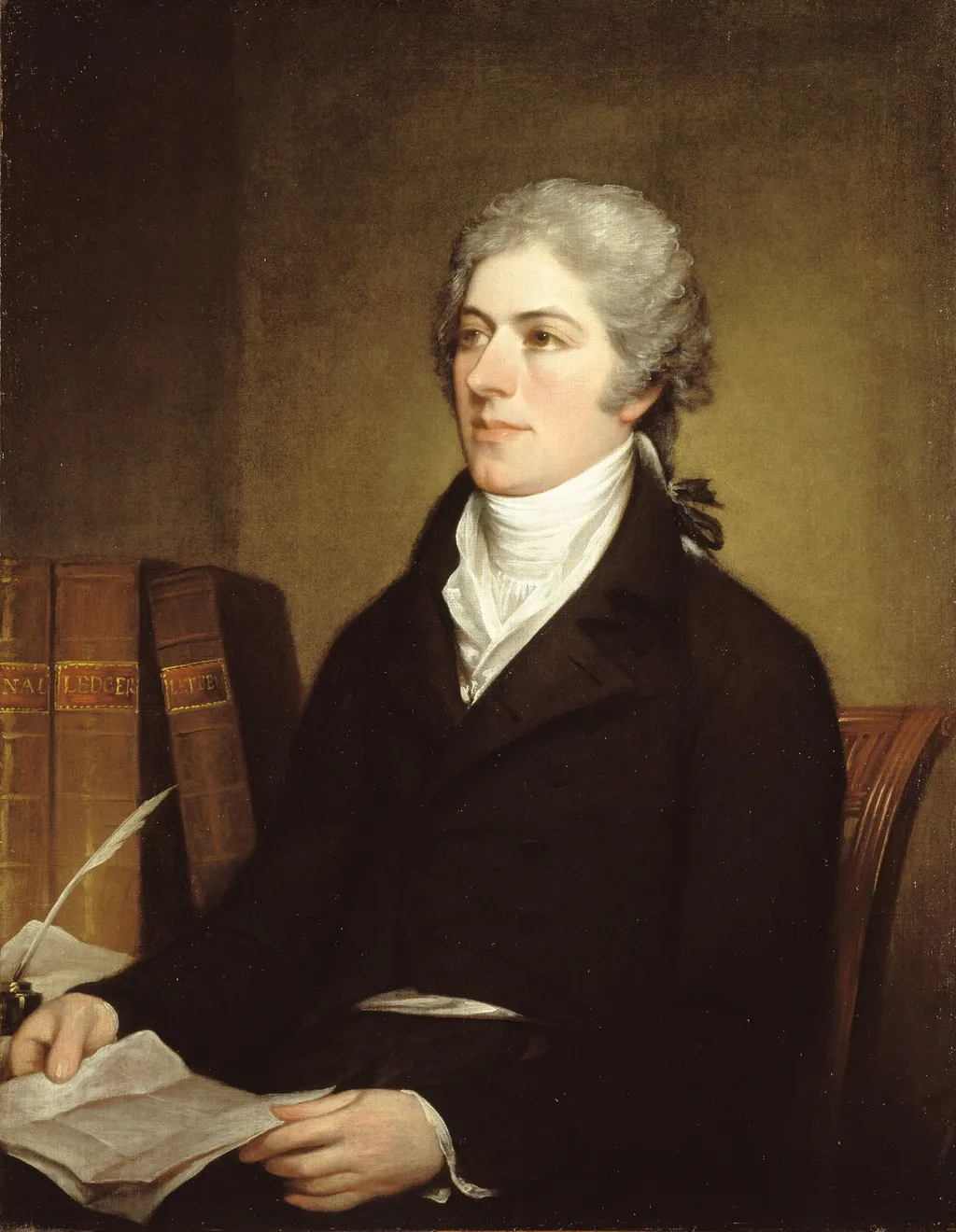
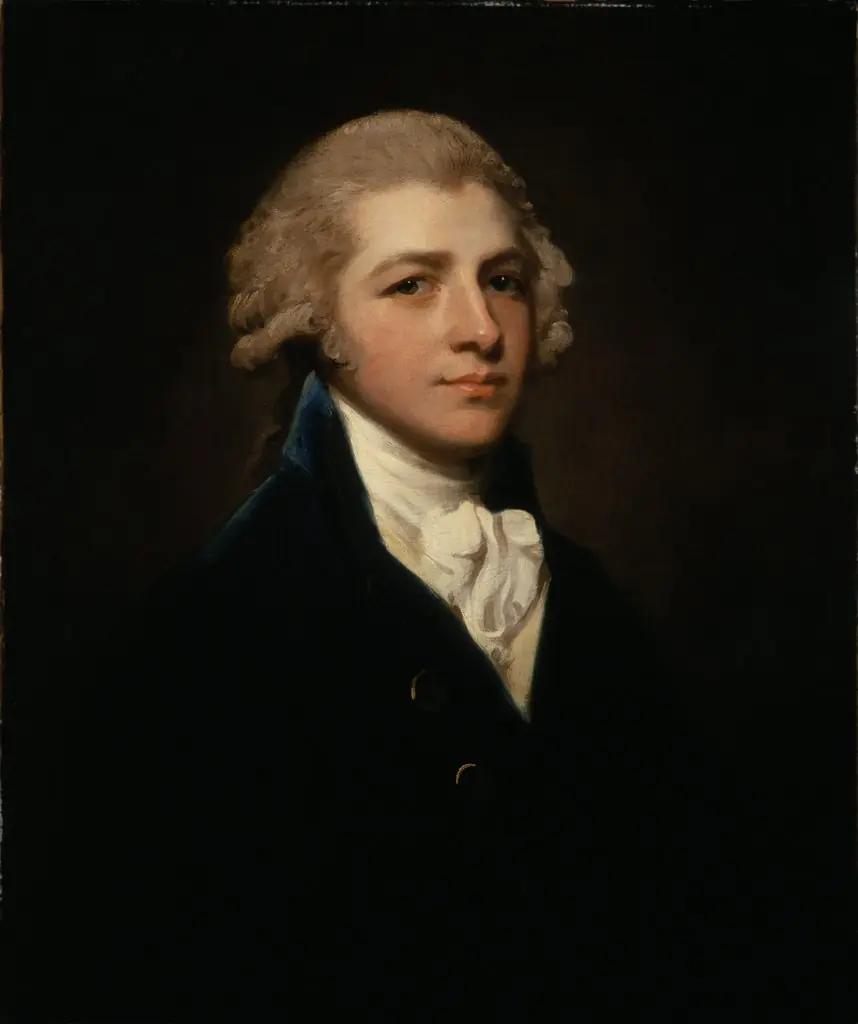
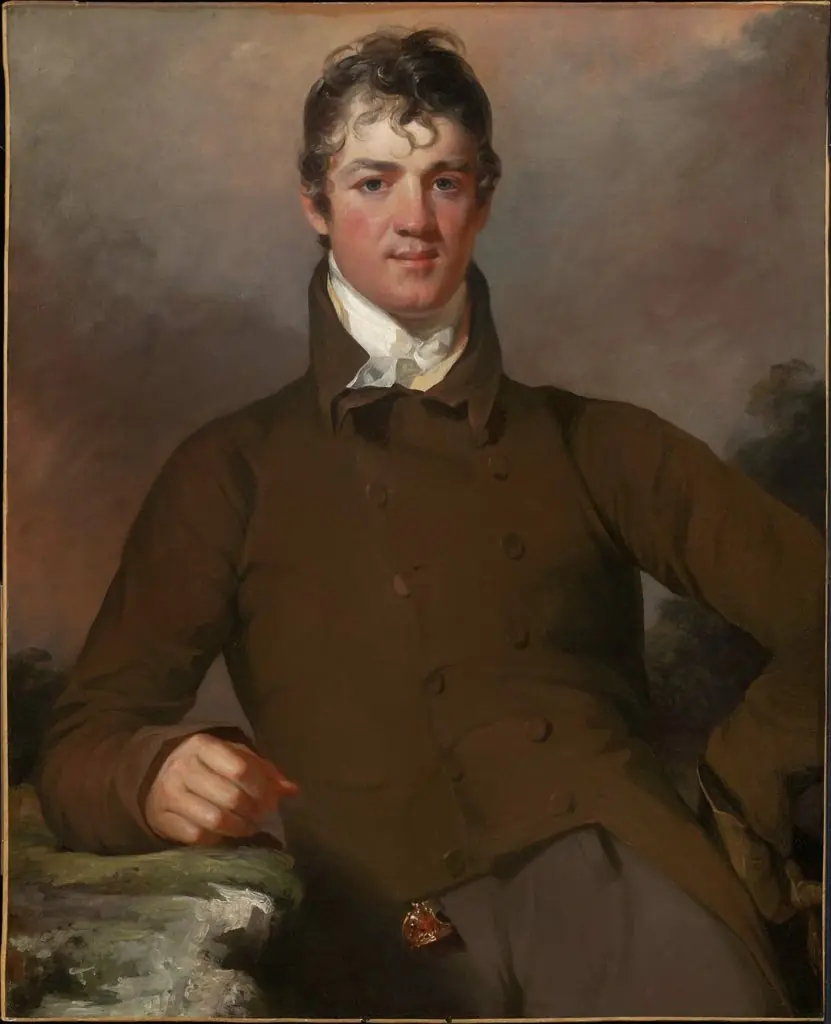
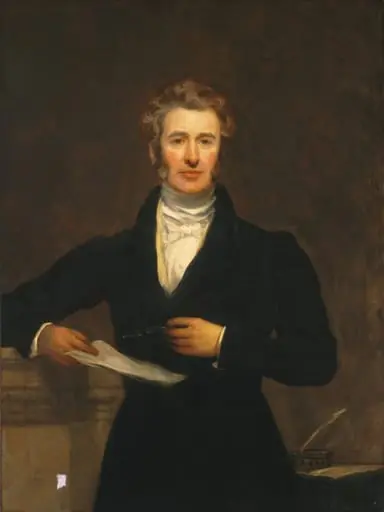
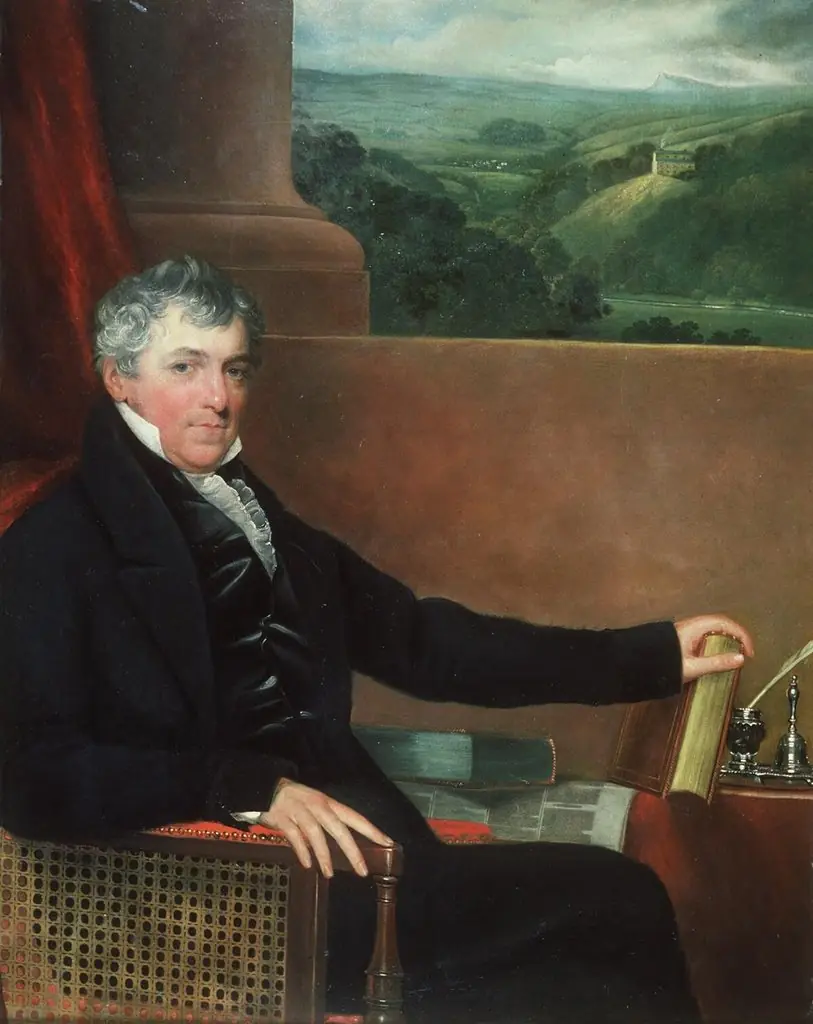
William Brown is an oil painting by Unknown. It dates from 1806 and is held in the collection of the Art Institute of Chicago.
About this work
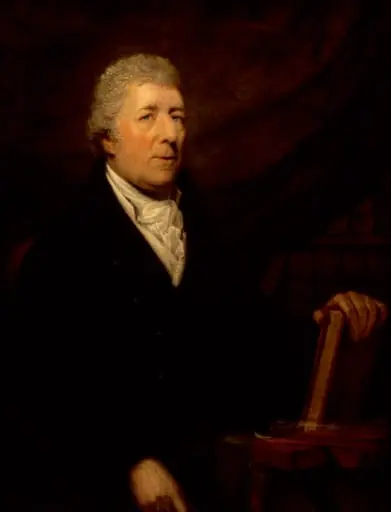
The painting's use of chiaroscuro, with strong contrasts between light and dark, adds depth and drama to the scene.
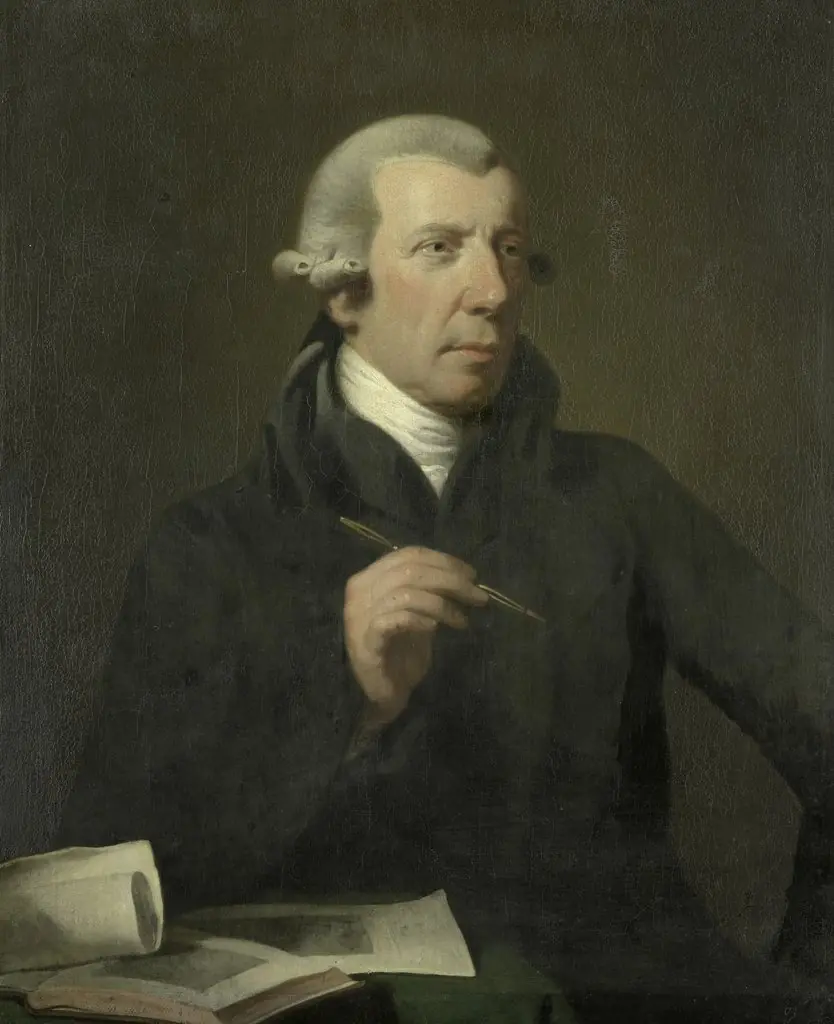
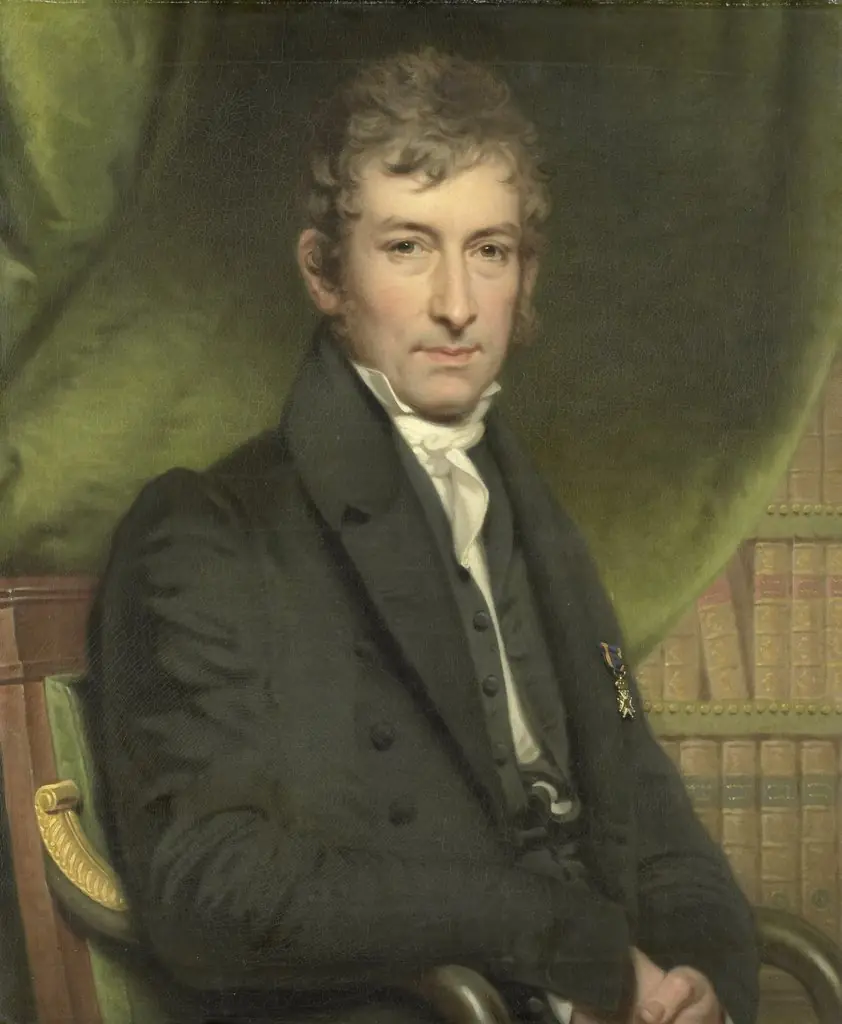
This portrait painting depicts a man with gray hair, dressed in a black coat and white shirt, sitting in a chair. He is holding a piece of paper and a quill pen in his right hand. Behind him, there are two books with gold lettering on their spines.
The man's attire and hairstyle suggest a formal and elegant style, typical of the early 19th century. The books behind him may indicate his interest in literature or learning.
The painting's use of chiaroscuro, with strong contrasts between light and dark, adds depth and drama to the scene. For more information on this artistic technique, look up chiaroscuro.
Overview
This oil painting presents a formal portrait of a man named William Brown, rendered in the early 19th-century tradition. He is seated in a simple chair, dressed in a dark coat and white shirt, with gray hair neatly styled. His posture is composed, and his gaze is directed outward, engaging the viewer. The composition emphasizes stillness and introspection, anchored by the objects he holds and the books behind him.
Subject & Meaning
William Brown is depicted as a man of intellect, suggested by the quill pen and sheet of paper in his hand, tools of writing and thought. The two books with gilded spines behind him reinforce an association with scholarship or literary pursuit. The absence of overt symbols of status or profession leaves his identity as a learned individual as the central theme, inviting interpretation of his role within a culture that valued erudition.
Technique & Style
The artist employs chiaroscuro to model the figure with strong contrasts between light and shadow, giving volume to the coat, face, and hands. The lighting falls deliberately on the paper and pen, drawing attention to the act of writing. The background remains muted, allowing the subject to emerge with clarity. Brushwork is controlled and precise, reflecting a tradition of portraiture focused on dignity and realism rather than flourish.
History & Provenance
The painting’s origin and early ownership are not documented in available records. It is known only by the name inscribed on the work and its stylistic alignment with early 1800s British or American portraiture. No exhibition history or collector lineage has been established, leaving its journey from studio to current location largely untraced.
Context
Created during a period when portraiture often conveyed social standing through symbols of education, this work aligns with trends in middle- and upper-class commissions. The emphasis on books and writing reflects broader cultural values that linked literacy with moral and intellectual authority. Such portraits were common among professionals, clergy, and scholars seeking to affirm their identity through visual representation.
Legacy
Though not widely exhibited or studied, the painting serves as a quiet example of early 19th-century portraiture that prioritized intellectual presence over grandeur. It contributes to the visual record of individuals who valued learning in an era when literacy and authorship were markers of personal and civic identity. Its modest scale and restrained composition reflect a preference for understated dignity over ostentation.
Artist & collection

 Domestic Scene
 Giacomo and Cardinal Marco, investing Andrea, Abbot of San Zeno, with his Benefice
 The Nymph of Fontainebleau
 Portrait of a Woman
 Madonna and Child with Saints in the Enclosed Garden
 Venus and Minerva
 Family Group of Four on Sofa
 Wall painting from Room H of the Villa of P. Fannius Synistor at Boscoreale