Artwork
St Jerome in the Wilderness
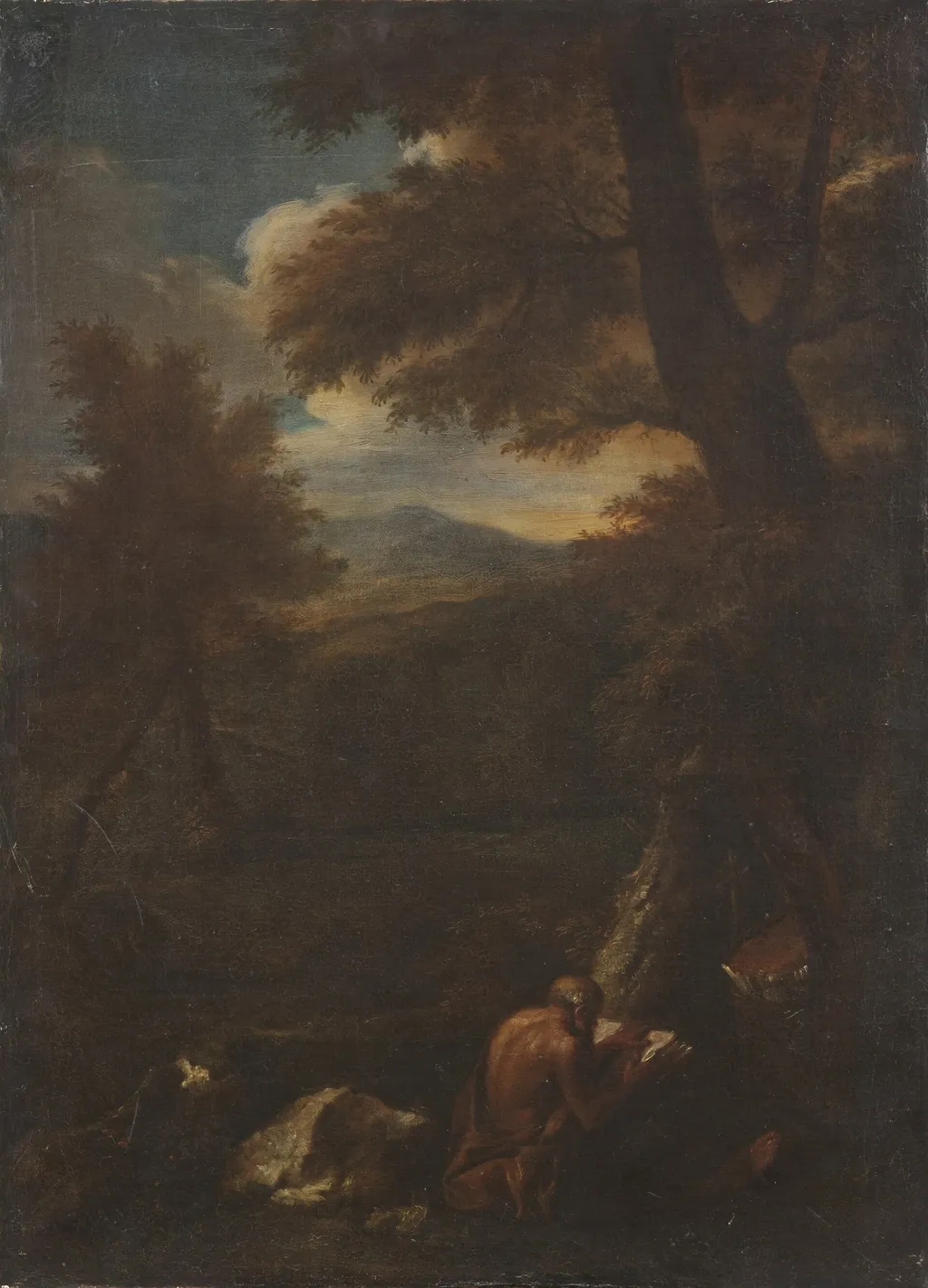
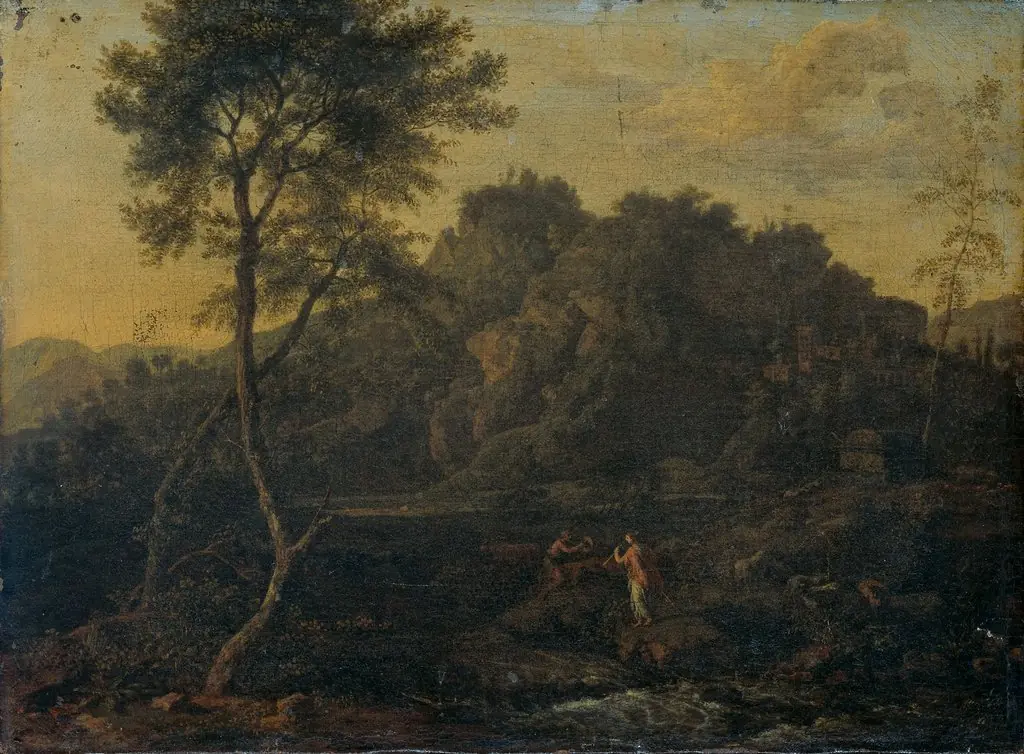
St Jerome in the Wilderness is an oil painting by the Rococo painting artist Unknown. It dates from 1749 and is held in the collection of the Nationalmuseum. This oil painting portrays Saint Jerome in a secluded natural setting, captured mid-contemplation.
About this work
Overview
The presence of a dog at his side adds a subtle note of loyalty and companionship, reinforcing the solitude as intentional rather than lonely.
This oil painting portrays Saint Jerome in a secluded natural setting, captured mid-contemplation. He sits bare-chested beneath a draped brown robe, facing away from the viewer, absorbed in reading. The landscape around him—dense trees, distant hills, and soft light—creates a quiet, enclosed world. The presence of a dog at his side adds a subtle note of loyalty and companionship, reinforcing the solitude as intentional rather than lonely.
Subject & Meaning
The figure is Saint Jerome, the 4th-century scholar who translated the Bible into Latin. His isolation in the wilderness reflects his ascetic life of prayer and study. The book he reads symbolizes his scholarly devotion, while the natural setting underscores the spiritual value placed on solitude in early Christian tradition. The dog, often associated with his legend, signifies fidelity and the taming of wild instincts through faith.
Technique & Style
The artist employs warm, muted tones to unify the scene, with gentle brushwork blending earth, foliage, and sky into a cohesive whole. Soft transitions between light and shadow avoid harsh contrasts, enhancing the calm mood. The figure’s posture and the lack of detailed facial expression direct focus to the act of reading, not individual identity, emphasizing inner reflection over physical presence.
History & Provenance
The painting’s early ownership is undocumented, but its style aligns with Northern Renaissance devotional works from the late 15th or early 16th century. It likely originated in a private chapel or monastic collection, where images of Jerome served as models for contemplative practice. No major exhibitions or documented transfers are recorded before the 19th century.
Context
During the late Middle Ages and Renaissance, depictions of Saint Jerome in wilderness settings were common in Northern Europe, particularly among communities valuing personal piety and scriptural study. These images contrasted with more formal ecclesiastical portrayals, offering viewers a model of intimate, solitary devotion rooted in nature and quiet labor.
Legacy
The painting contributes to a broader tradition of religious landscape art that links spiritual discipline with natural harmony. While not widely reproduced, its quiet composition influenced later artists seeking to convey inner stillness through environmental detail. It remains a modest but enduring example of how sacred figures were rendered not as icons, but as human beings in communion with the world.
Artist & collection

 Domestic Scene
 Giacomo and Cardinal Marco, investing Andrea, Abbot of San Zeno, with his Benefice
 The Nymph of Fontainebleau
 Portrait of a Woman
 Madonna and Child with Saints in the Enclosed Garden
 Venus and Minerva
 Family Group of Four on Sofa
 Wall painting from Room H of the Villa of P. Fannius Synistor at Boscoreale
 Landskap med Maria Magdalena
 Landschaft mit Hirten
 Landscape with Figures
 A Hunt
 Landscape with a herd
 Landscape with Dice Players
 Cristo y la samaritana en un paisaje
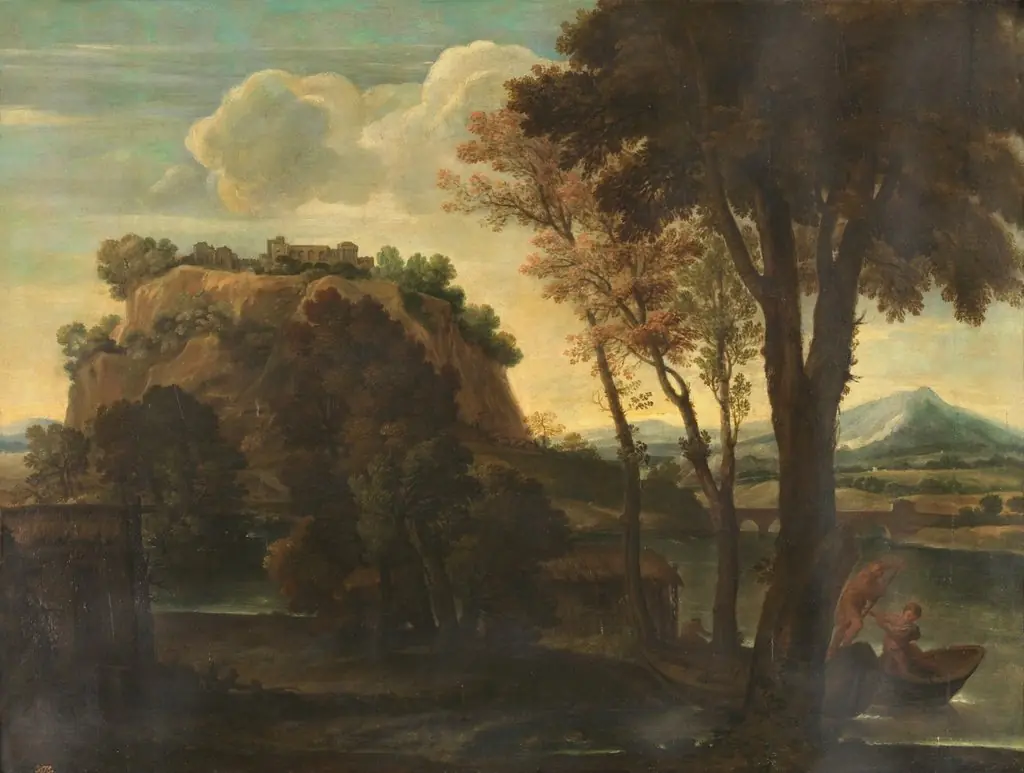 Landscape with River and Boats
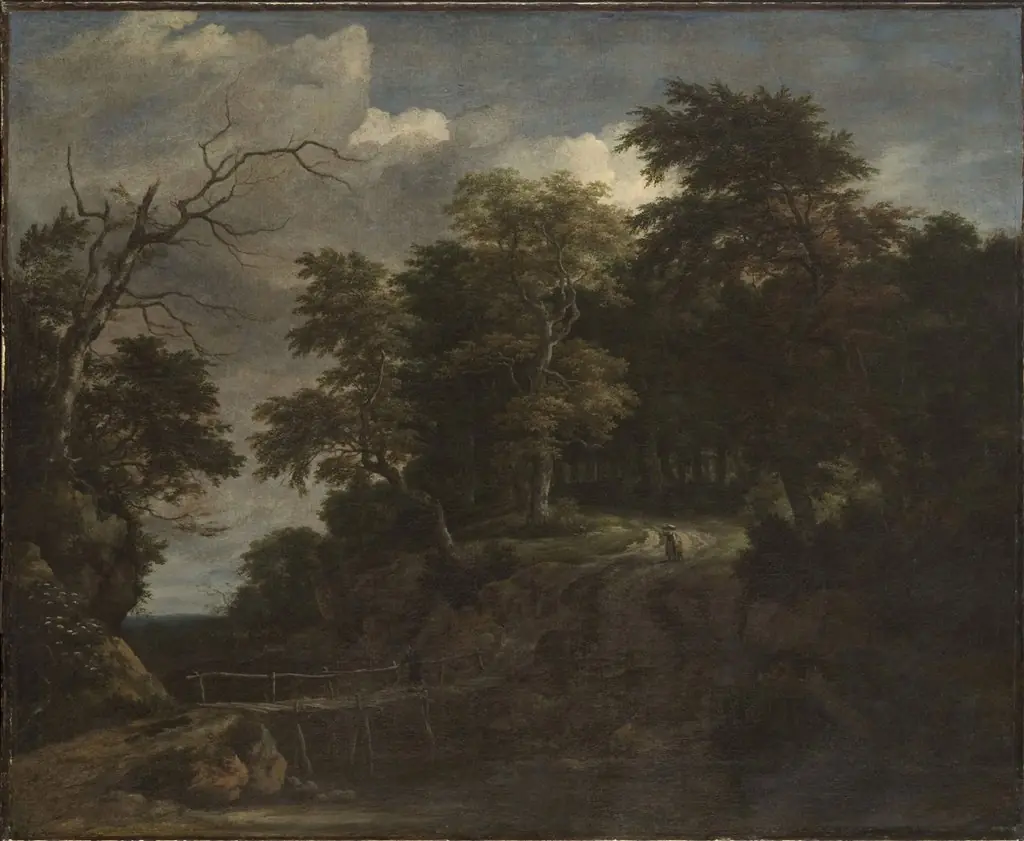 Landscape of a Forest with a Wooden Bridge
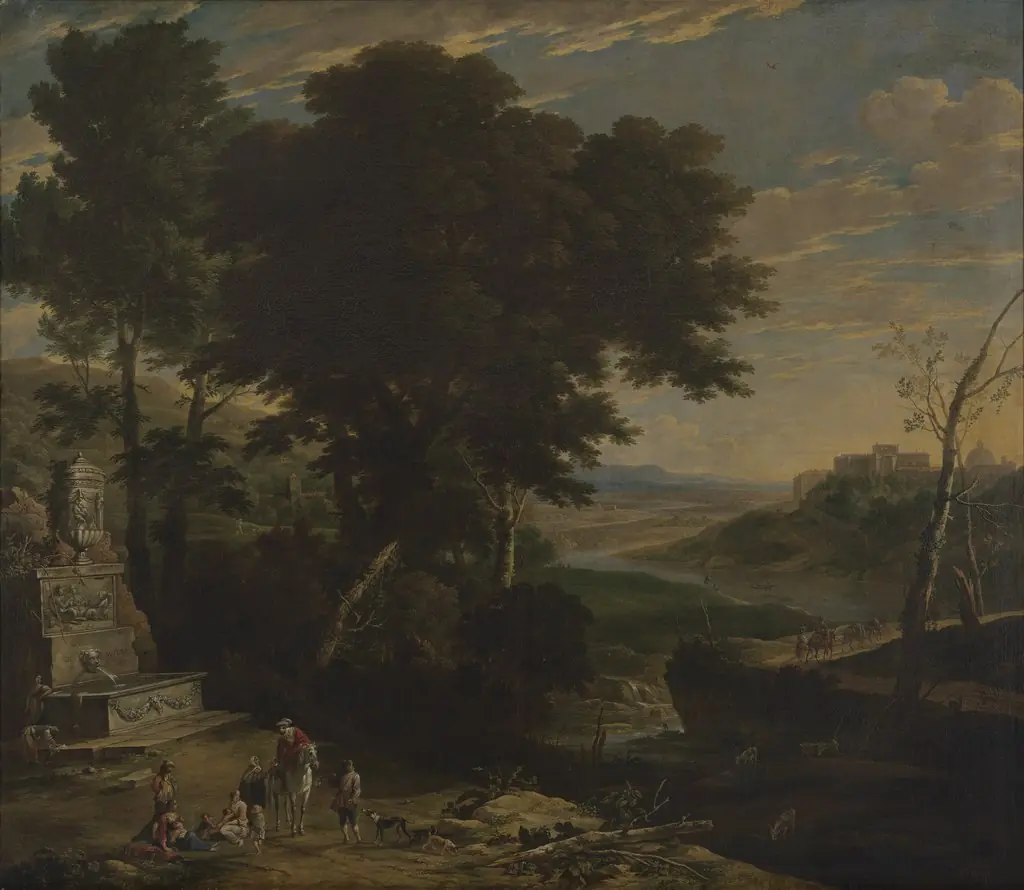 The Fortune-Teller
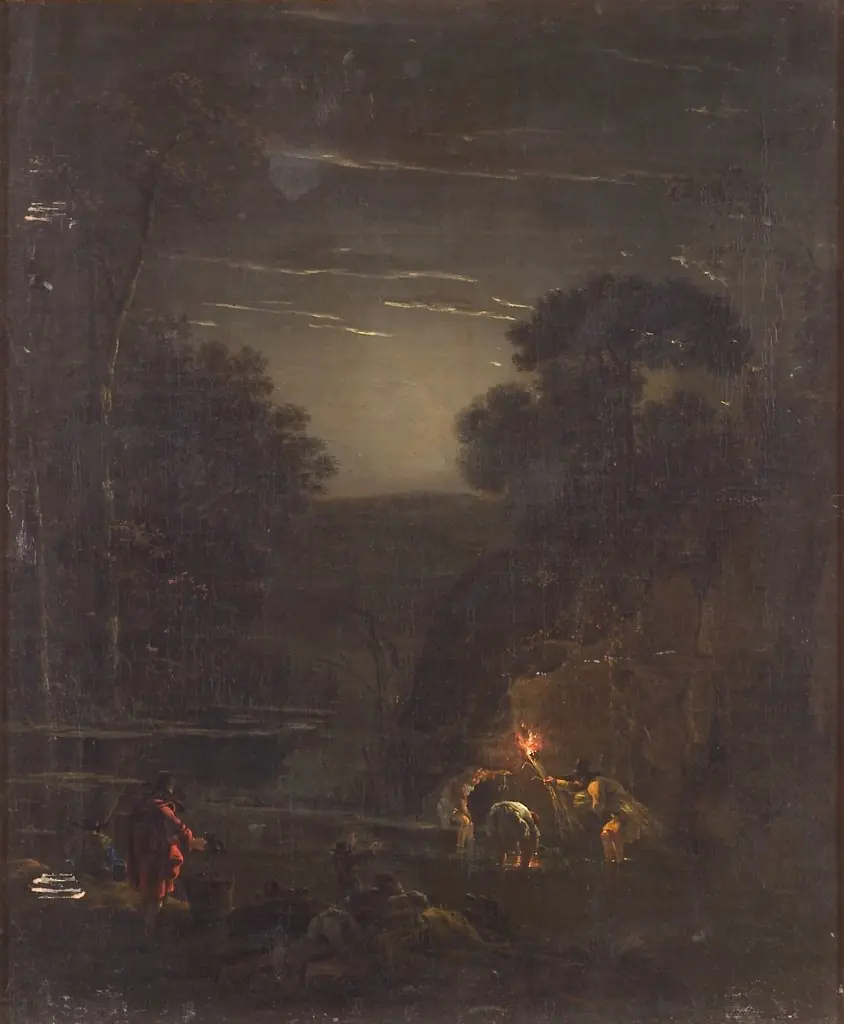 Nocturnal Crayfishing
 Landscape with Diana and Calliope