Artwork
Landscape with a herd
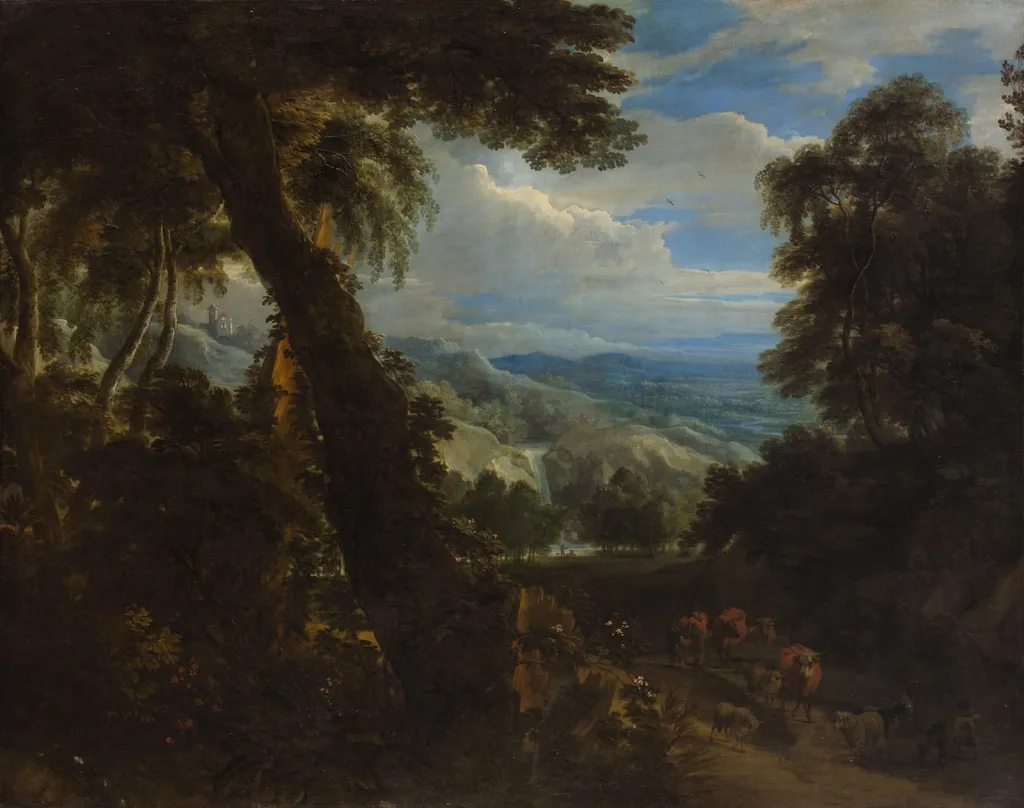
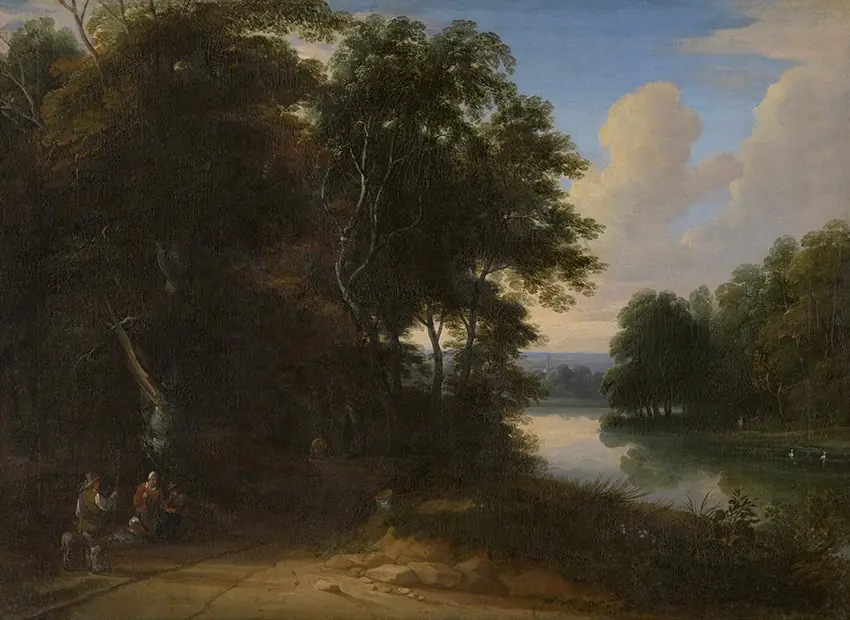
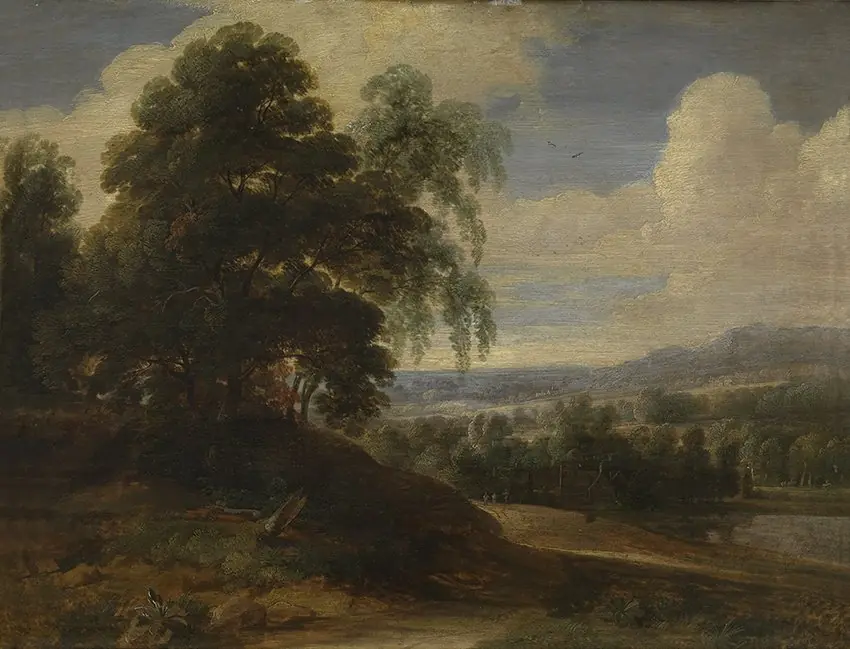
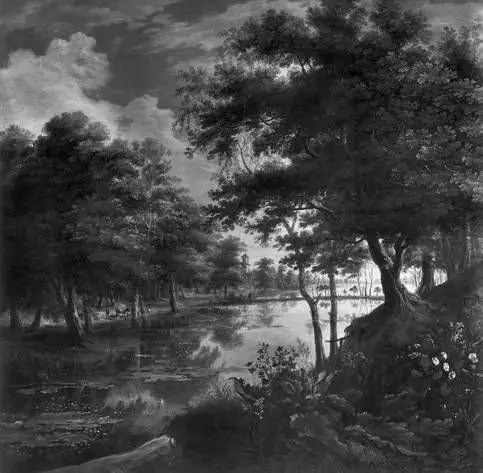
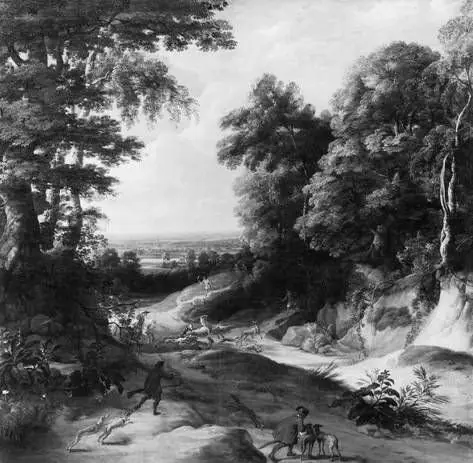
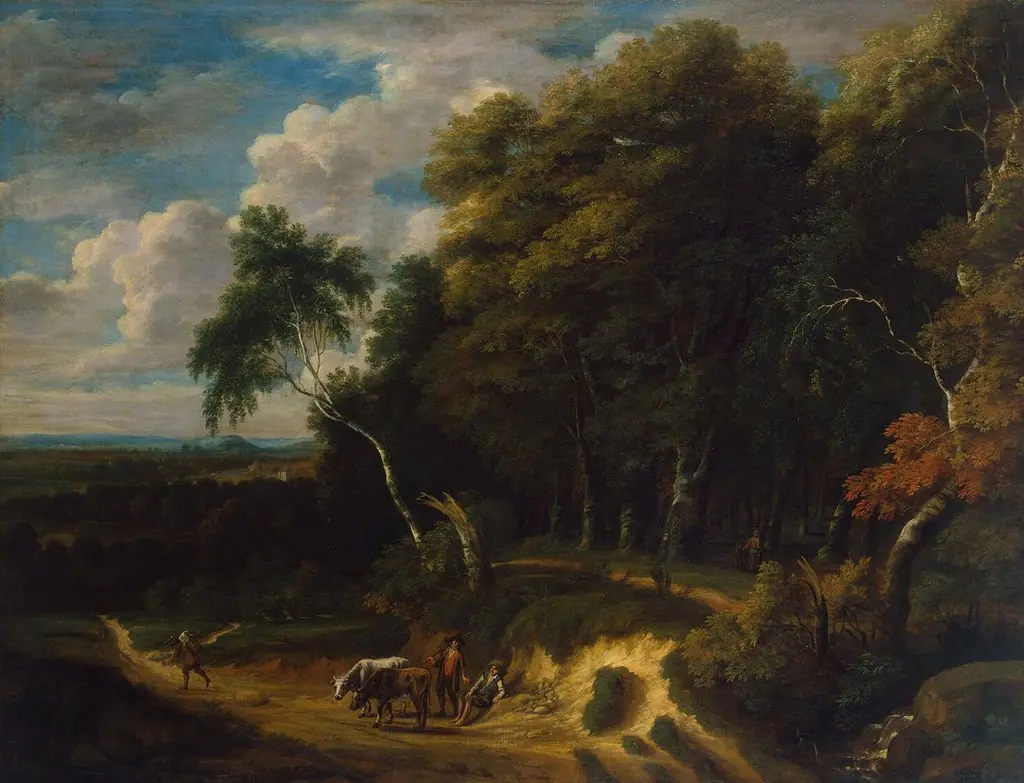
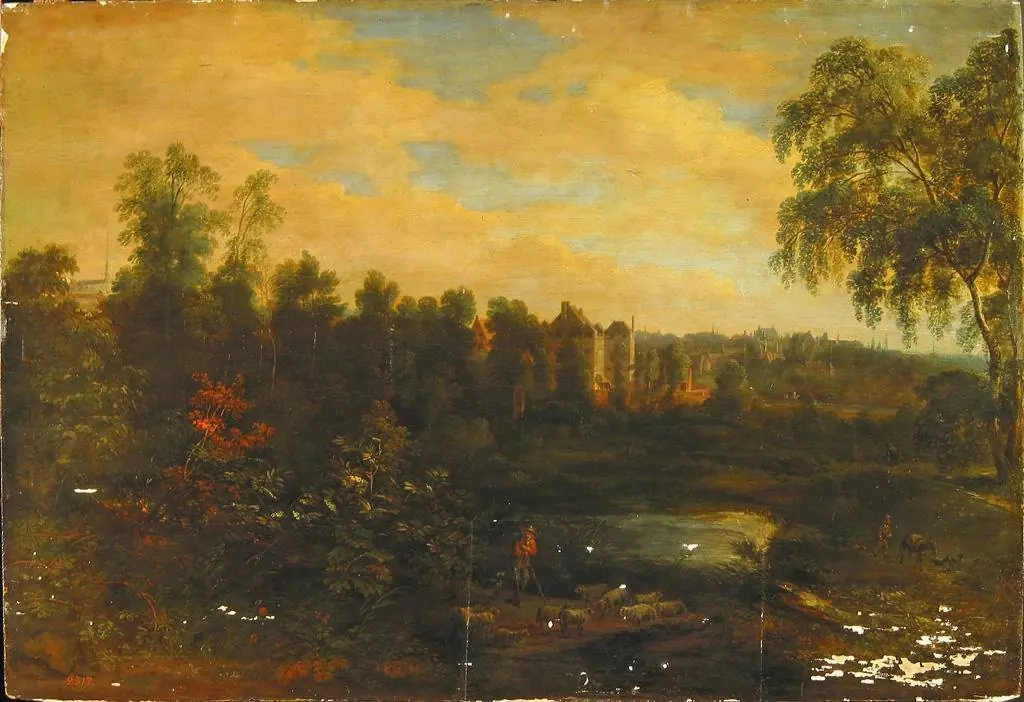
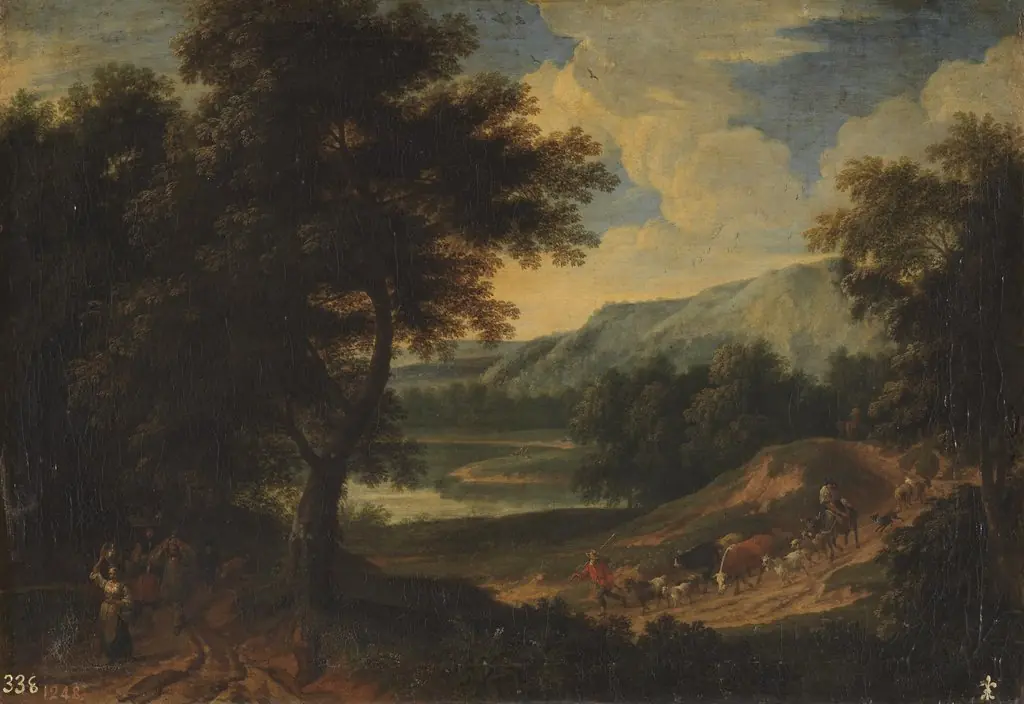
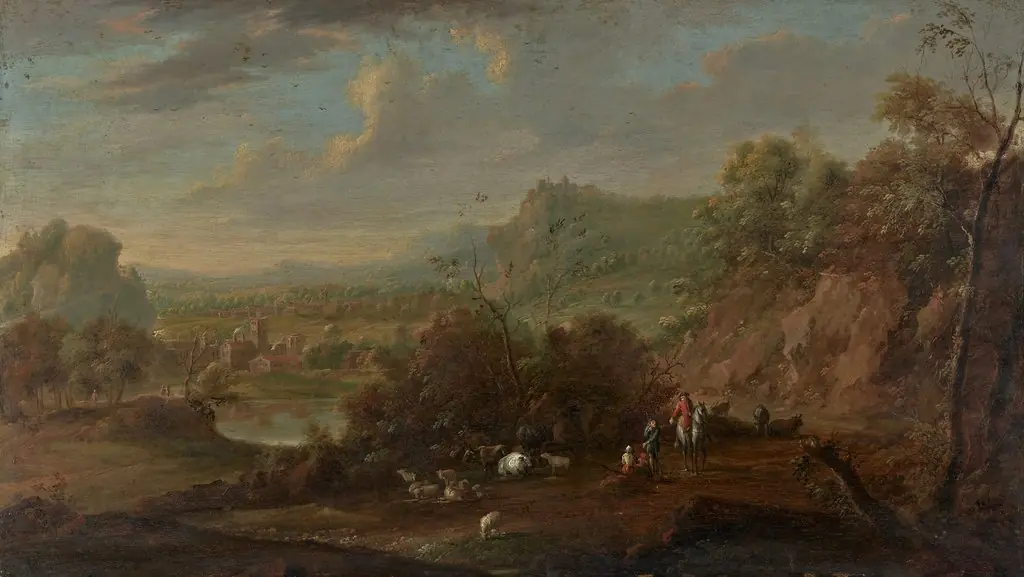
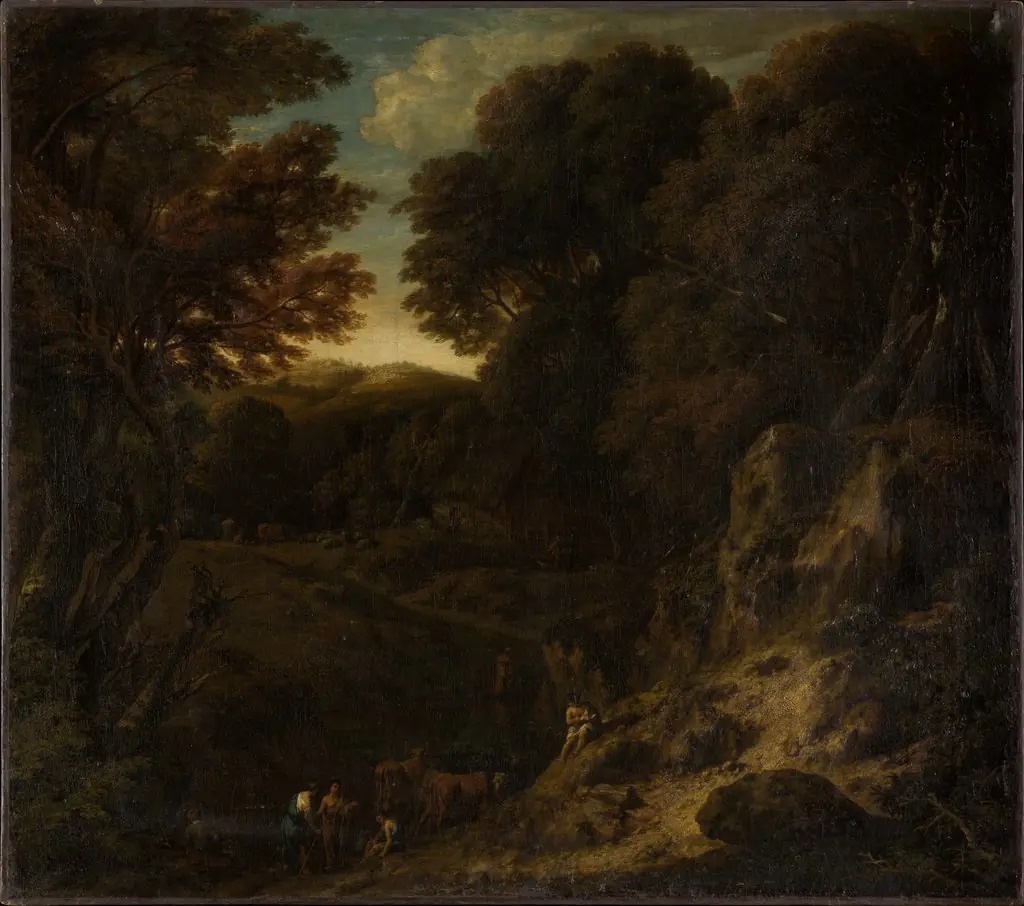
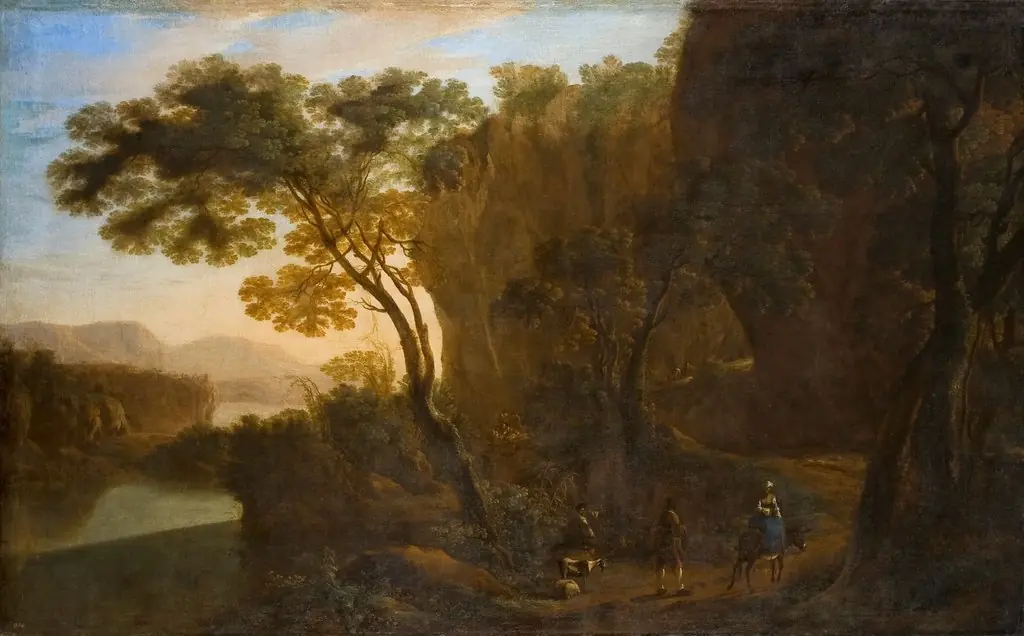
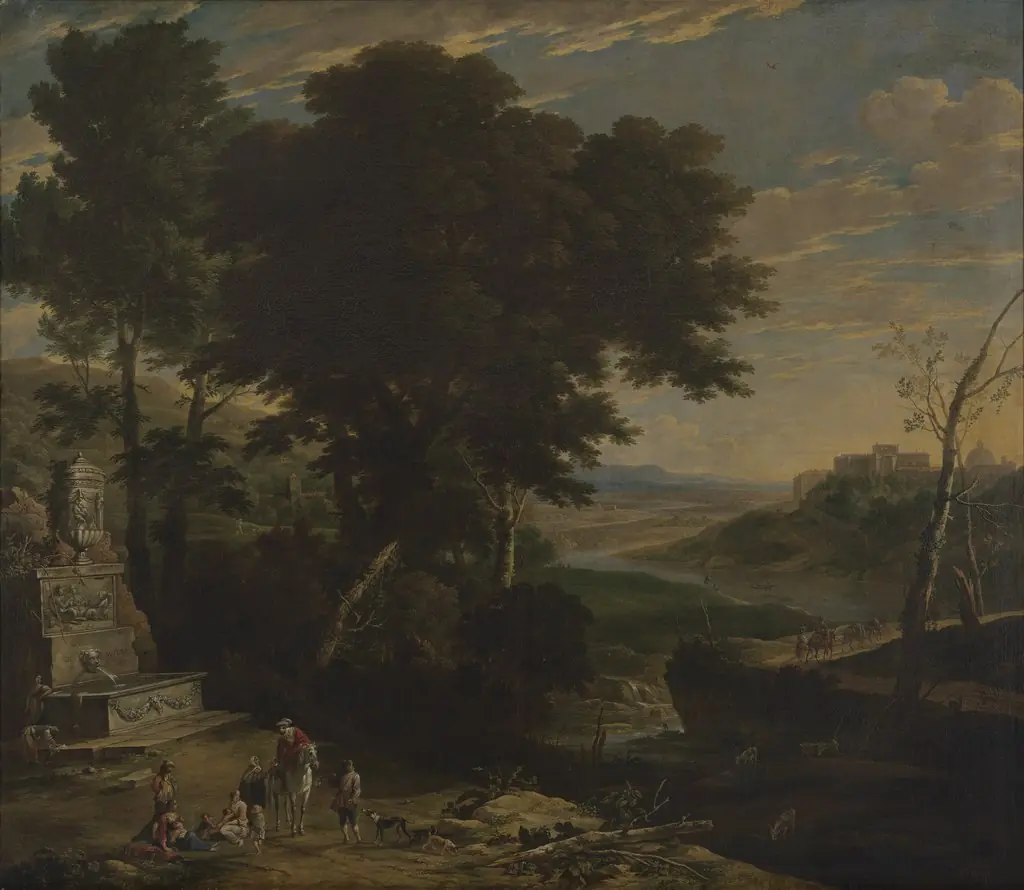
Landscape with a herd is an unspecified painting by the Dutch Golden Age artist Jacques d'Arthois. It dates from 1665 and is held in the collection of the Kunsthistorisches Museum. Painted around 1665 on canvas, this landscape by Jacques d’Arthois captures a quiet rural scene near Brussels.
About this work
Overview
As a Flemish artist active in the mid-17th century, d’Arthois focused on wooded environments populated by modest human and animal figures.
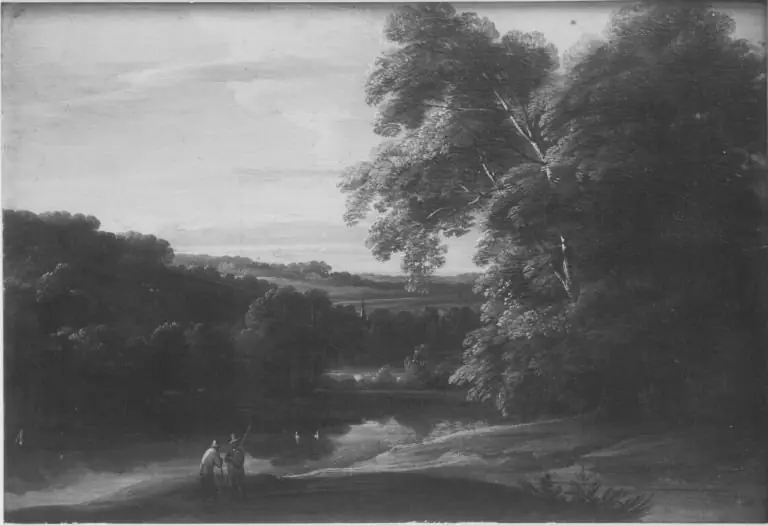
Painted around 1665 on canvas, this landscape by Jacques d’Arthois captures a quiet rural scene near Brussels. As a Flemish artist active in the mid-17th century, d’Arthois focused on wooded environments populated by modest human and animal figures. The work reflects the broader trend of landscape painting in the Low Countries during a time of artistic proliferation, though it remains rooted in local topography rather than idealized vistas.
Subject & Meaning
The painting presents a pastoral moment: a herd of livestock gathers along a dirt path beneath the shade of a large tree. No dramatic events unfold—there is no herder in view, only the animals at rest. This quietude suggests an appreciation for the rhythms of rural life, not as a narrative but as a contemplative observation of nature’s quiet order, typical of d’Arthois’s approach to the genre.
Technique & Style
D’Arthois employs subtle gradations of light and shadow to model form and suggest spatial depth. The textures of bark, fur, and grass are rendered with careful, restrained brushwork, avoiding theatricality. The composition leads the eye from the foreground tree through the herd to the distant hills and soft, overcast sky, creating a sense of quiet immersion rather than grandeur.
History & Provenance
The painting has been part of the Kunsthistorisches Museum’s collection since at least the 19th century. Its presence there reflects the Habsburgs’ longstanding interest in Flemish and Dutch art. While little is documented about its early ownership, its survival and preservation suggest it was valued within aristocratic or institutional collections for its quiet fidelity to regional landscape traditions.
Context
Though often grouped with Dutch Golden Age painting, d’Arthois’s work belongs to the Flemish tradition, which maintained a more localized, less commercialized approach to landscape. Unlike the expansive seascapes or bustling markets of the north, his scenes emphasize the wooded outskirts of Brussels, reflecting a regional identity and a preference for intimate, observed nature over dramatic spectacle.
Legacy
D’Arthois’s landscapes, including this one, contributed to the development of a distinctly Flemish school of topographical painting. His focus on specific locales and naturalistic detail influenced later regional artists who sought to document the countryside with accuracy rather than fantasy. Though not widely known today, his work remains a quiet testament to the value placed on ordinary rural environments in 17th-century Flanders.
Artist & collection
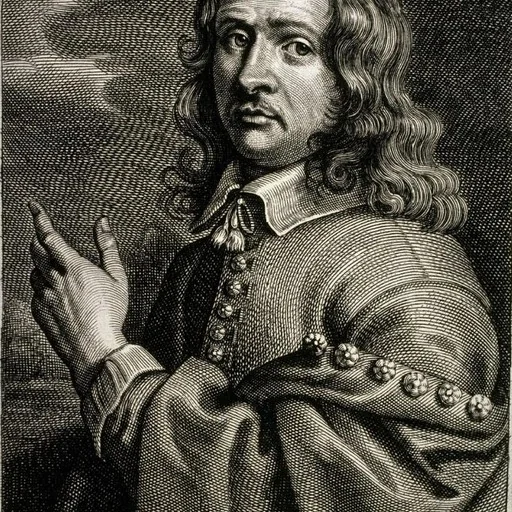
Artist
Jacques d'Arthois (12 October 1613 (baptised) – May 1686) was a Flemish painter and tapestry designer who specialized in wooded landscapes with figures.