Artwork
Copy of Painting inside the Caves of Ajanta (cave 2)
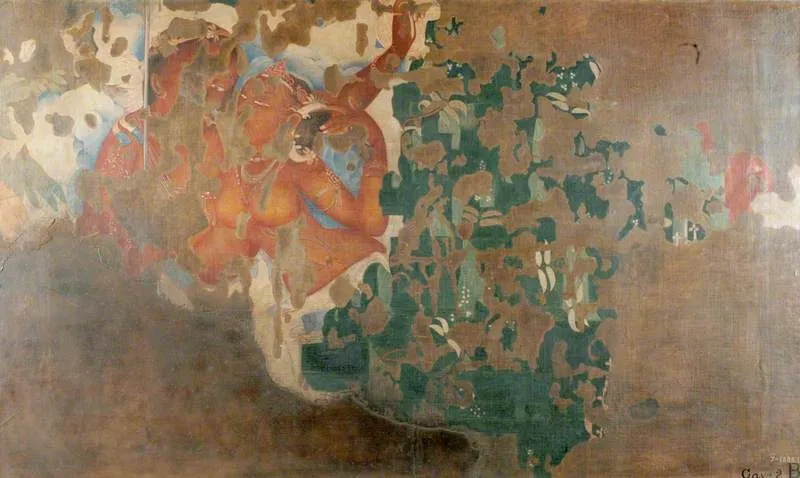
Copy of Painting inside the Caves of Ajanta (cave 2) is an oil painting by Unknown. It dates from 1874 and is held in the collection of the Victoria and Albert Museum. A nineteenth‑century oil replica of a mural from Ajanta cave 2, executed in 1874, now belongs to the Victoria and Albert Museum.
About this work
It's an oil painting created in 1874, and it's now part of the Victoria and Albert Museum's collection.
This painting is a copy of a work found inside the Caves of Ajanta, specifically cave 2. It's an oil painting created in 1874, and it's now part of the Victoria and Albert Museum's collection. Looking closer, you can see that the painting is quite faded, with many parts worn away. The remaining bits show a mix of colors, but it's hard to make out what's happening in the scene. There are some figures and what looks like a building or structure, but it's not clear what's going on. The painting might be old and worn, but it's still an interesting piece.
Overview
A nineteenth‑century oil replica of a mural from Ajanta cave 2, executed in 1874, now belongs to the Victoria and Albert Museum. The work reproduces the original Buddhist frescoes that adorn the interior walls of the rock‑cut monastery complex in western India.
Subject & Meaning
The source mural depicts a narrative scene populated by human figures and architectural elements, typical of Ajanta’s religious storytelling. Though the copy’s details are heavily faded, the composition likely illustrated a Buddhist episode or teaching, integrating sacred architecture as a symbolic backdrop.
Technique & Style
Rendered in oil on canvas, the copy attempts to translate the original fresco technique—characterized by delicate line work and muted pigments—into a Western medium. The palette, now dulled by age, originally mirrored the subtle earth tones and restrained colors of the Ajanta wall paintings.
History & Provenance
Created in 1874, the piece reflects Victorian interest in Indian art following the British colonial presence. It entered the Victoria and Albert Museum’s collection shortly after its production, where it has remained as part of the museum’s holdings on Asian decorative arts.
Context
The Ajanta caves, carved between the second century BCE and the sixth century CE, house some of the most celebrated examples of Buddhist mural art in South Asia. This 19th‑century copy illustrates the period’s scholarly attempts to document and disseminate Indian artistic heritage to European audiences.
Legacy
Although the replica suffers from extensive fading, it serves as a historical record of the original frescoes’ appearance in the late 1800s, offering insight into early preservation efforts and the cross‑cultural exchange of artistic knowledge between India and Britain.
Artist & collection

 Domestic Scene
 Giacomo and Cardinal Marco, investing Andrea, Abbot of San Zeno, with his Benefice
 The Nymph of Fontainebleau
 Portrait of a Woman
 Madonna and Child with Saints in the Enclosed Garden
 Venus and Minerva
 Family Group of Four on Sofa
 Wall painting from Room H of the Villa of P. Fannius Synistor at Boscoreale
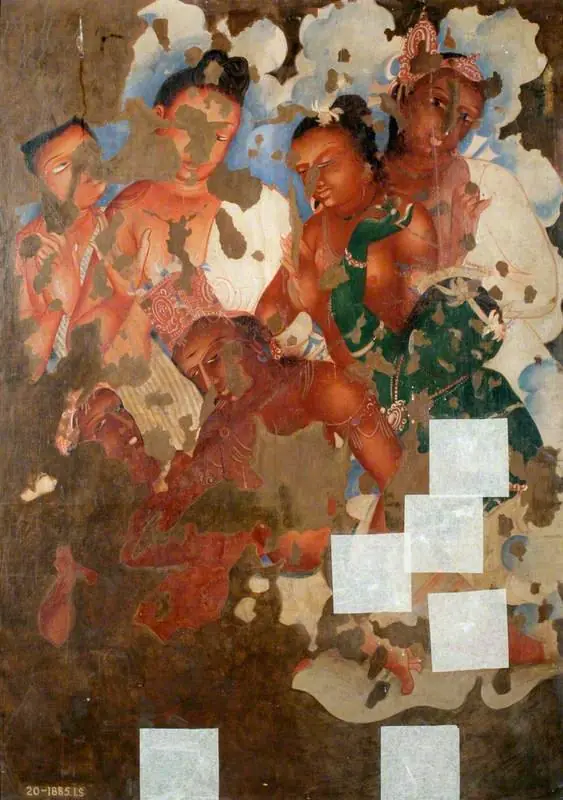 Copy of Painting inside the Caves of Ajanta (cave 2)
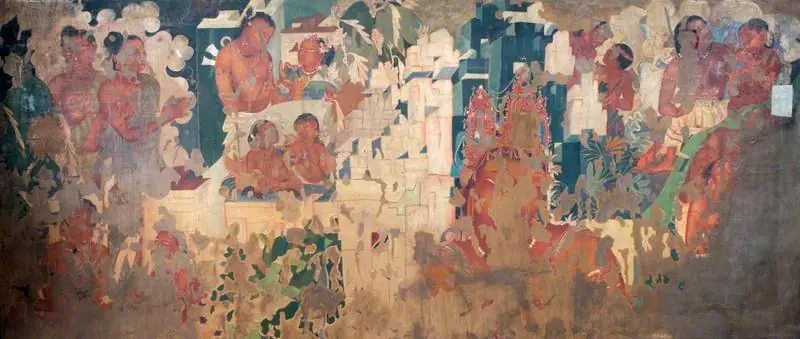 Copy of Painting inside the Caves of Ajanta (cave 2)
 Copy of Painting inside the Caves of Ajanta (cave 2)
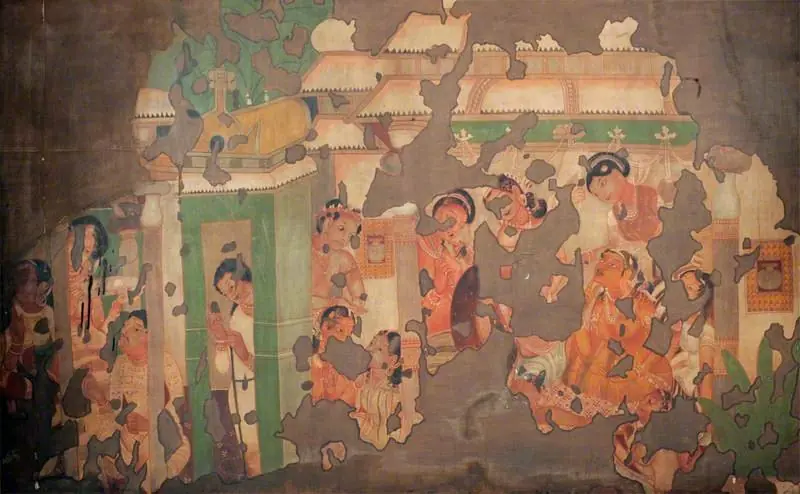 Copy of Painting inside the Caves of Ajanta (cave 1)
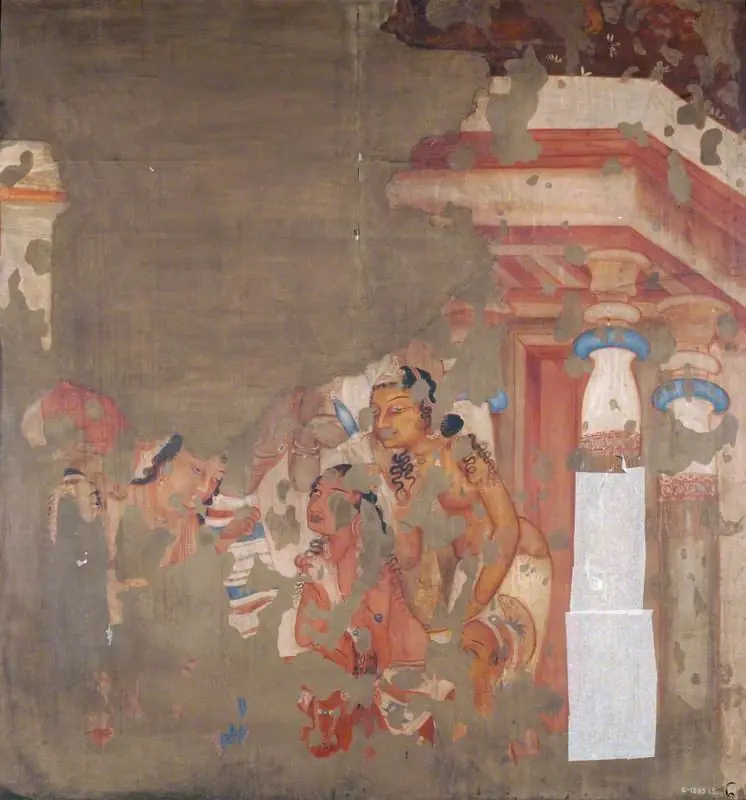 Copy of Painting inside the Caves of Ajanta (cave 1)
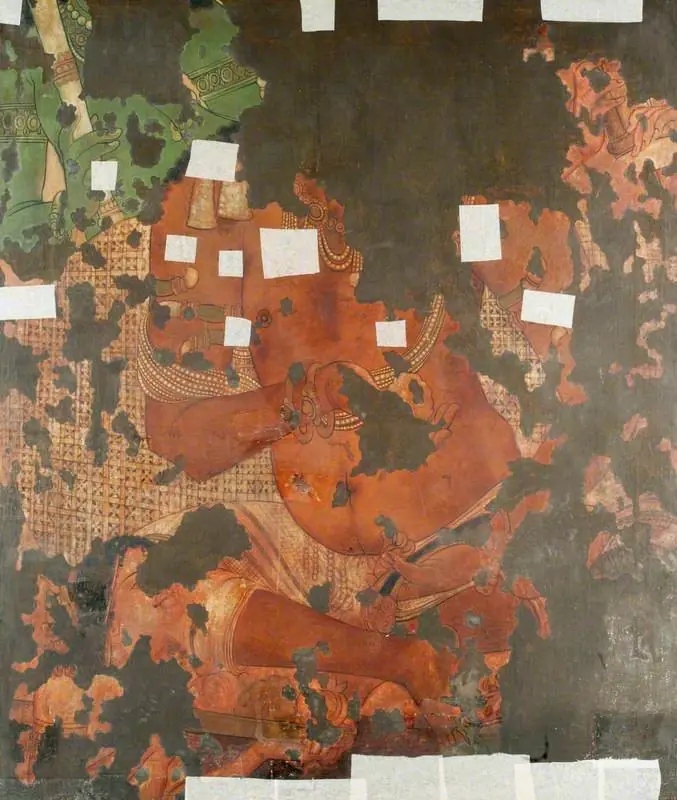 Copy of Painting inside the Caves of Ajanta (cave 16)
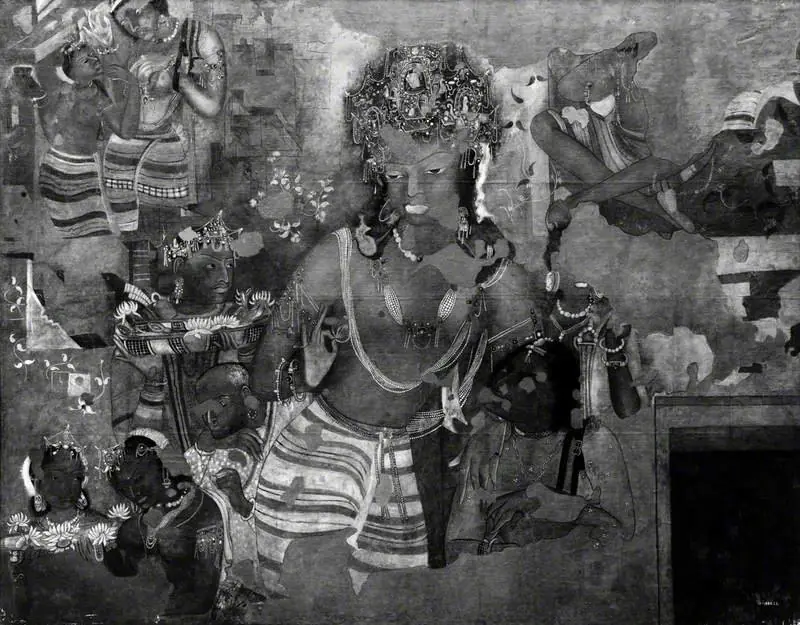 Copy of Painting inside the Caves of Ajanta (cave 1)
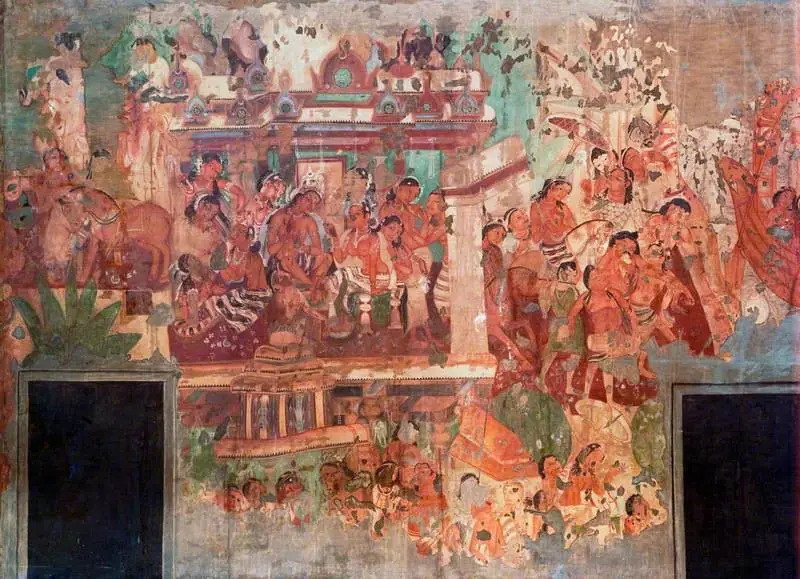 Copy of Painting inside the Caves of Ajanta (cave 1)
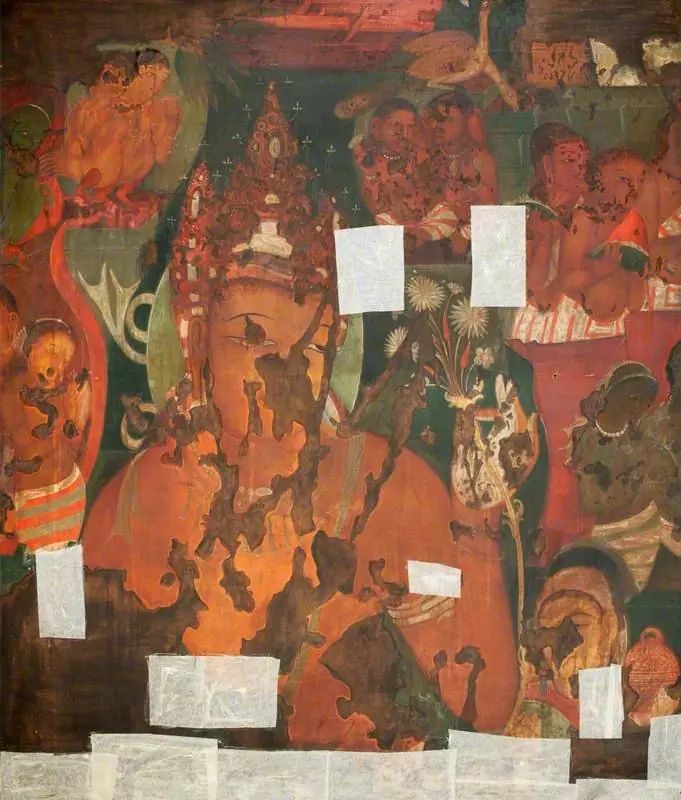 Copy of Painting inside the Caves of Ajanta (cave 11)
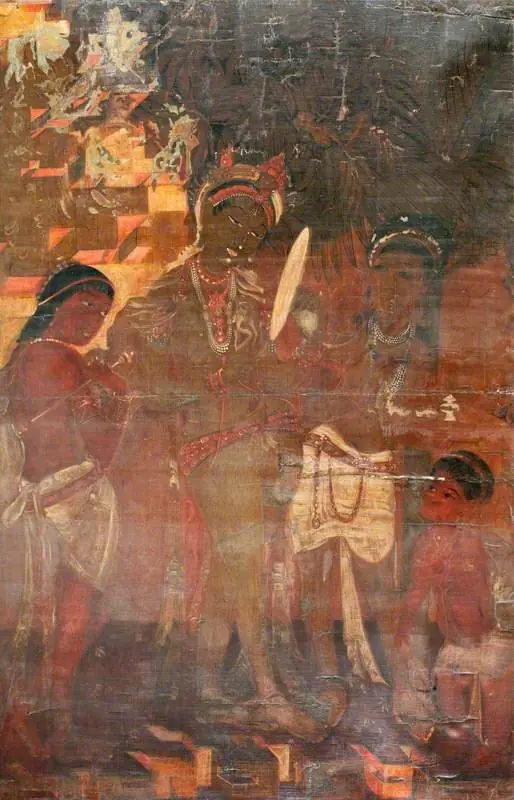 Copy of Painting inside the Caves of Ajanta (cave 17)
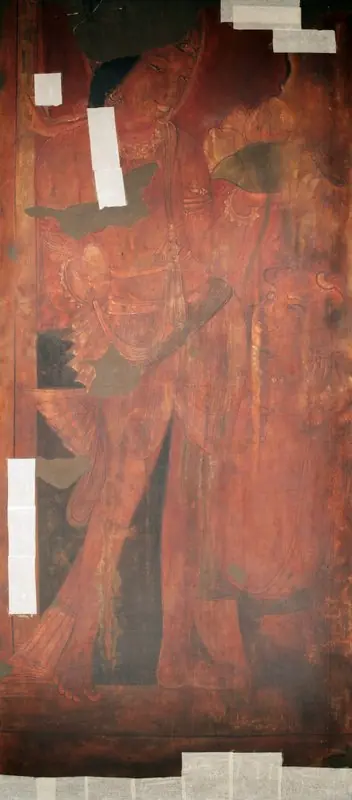 Copy of Painting inside the Caves of Ajanta (cave 17)
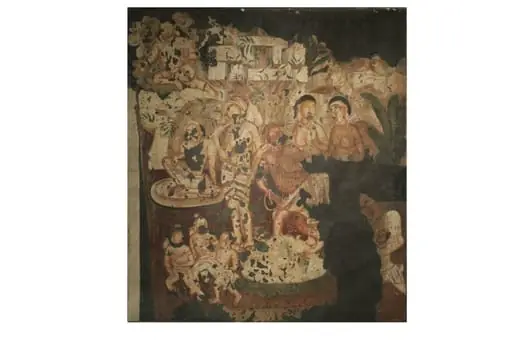 Copy of painting inside the caves of Ajanta (Cave 2)