Artwork
Copy of Painting inside the Caves of Ajanta (cave 16)
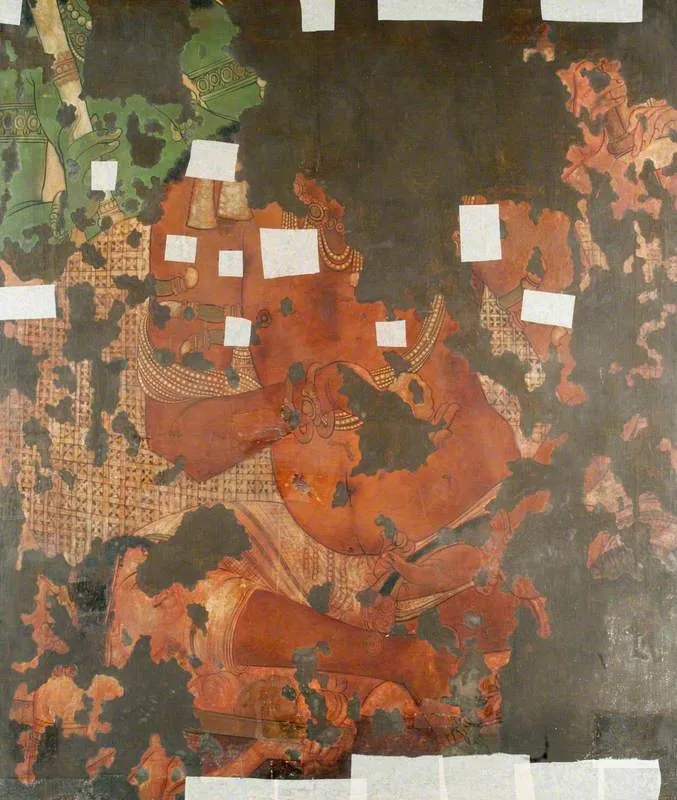
Copy of Painting inside the Caves of Ajanta (cave 16) is an oil painting by the Orientalist artist Unknown. It dates from 1890 and is held in the collection of the Victoria and Albert Museum. This oil painting is a reproduction of a mural originally found in Cave 16 at Ajanta, India.
About this work
Overview
This oil painting is a reproduction of a mural originally found in Cave 16 at Ajanta, India. Created not in the ancient period but in the 19th century, it translates a Buddhist fresco into a Western medium. The work is held in the collection of the Victoria and Albert Museum, where it serves as a record of Indian artistic heritage as interpreted by colonial-era artists.
Subject & Meaning
The central figure likely represents a Bodhisattva, a compassionate being on the path to enlightenment, identified by ornate jewelry and a crown.
The central figure likely represents a Bodhisattva, a compassionate being on the path to enlightenment, identified by ornate jewelry and a crown. The exaggerated proportions—large hands, feet, and belly—reflect stylistic conventions of early Indian Buddhist art, emphasizing spiritual presence over naturalism. The patterned background and dark tones suggest a celestial or sacred space, consistent with the devotional intent of the original mural.
Technique & Style
Executed in oil paint, this work departs from the tempera and natural pigments of the original Ajanta murals. The artist employed Western techniques to replicate the Indian composition, resulting in a flattened perspective and heightened color saturation. The use of light spots against a dark ground mimics the luminous effect of the cave frescoes, though the texture and materiality differ significantly from the ancient technique.
History & Provenance
The painting was likely produced during the mid-19th century by British artists or artisans commissioned to document Ajanta’s murals. These copies were made to preserve and disseminate knowledge of Indian art in Europe, where such works were largely unknown. It entered the Victoria and Albert Museum’s collection as part of broader efforts to catalog imperial cultural holdings.
Context
During the 1800s, British colonial administrators and artists undertook systematic documentation of South Asian monuments. Ajanta’s caves, rediscovered in 1819, became a focal point. This oil painting reflects a period when Western methods were used to interpret non-Western art, often prioritizing preservation over cultural authenticity, and shaping European perceptions of Indian aesthetics.
Legacy
As a colonial-era copy, this work preserves details of a mural that has since faded or deteriorated. While not an original artifact, it remains a valuable historical document, illustrating how 19th-century viewers engaged with ancient Indian art. It also highlights the complex relationship between cultural preservation and colonial representation in museum collections.
Artist & collection

 Domestic Scene
 Giacomo and Cardinal Marco, investing Andrea, Abbot of San Zeno, with his Benefice
 The Nymph of Fontainebleau
 Portrait of a Woman
 Madonna and Child with Saints in the Enclosed Garden
 Venus and Minerva
 Family Group of Four on Sofa
 Wall painting from Room H of the Villa of P. Fannius Synistor at Boscoreale
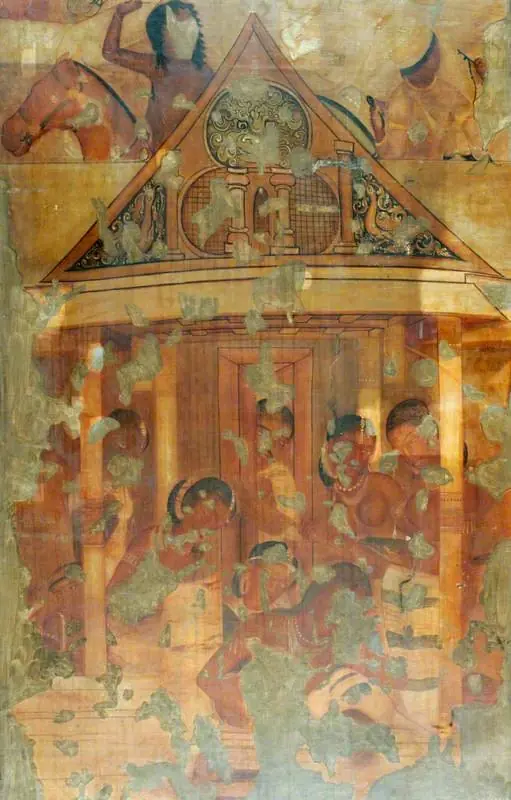 Copy of Painting inside the Caves of Ajanta (cave 17)
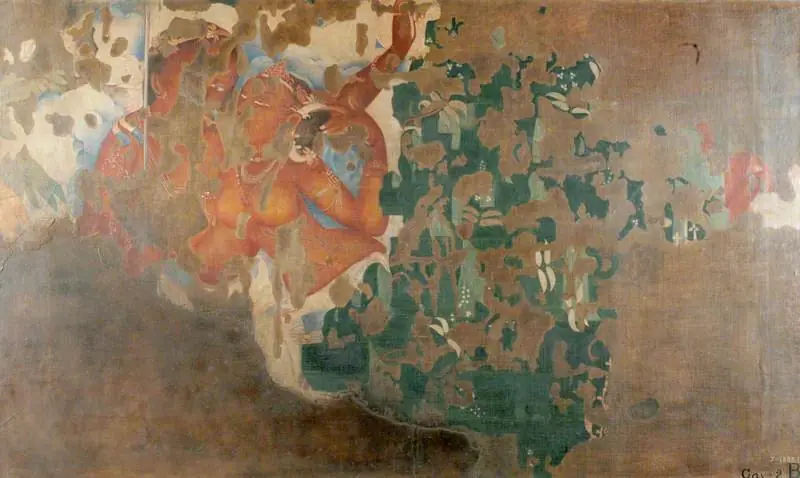 Copy of Painting inside the Caves of Ajanta (cave 2)
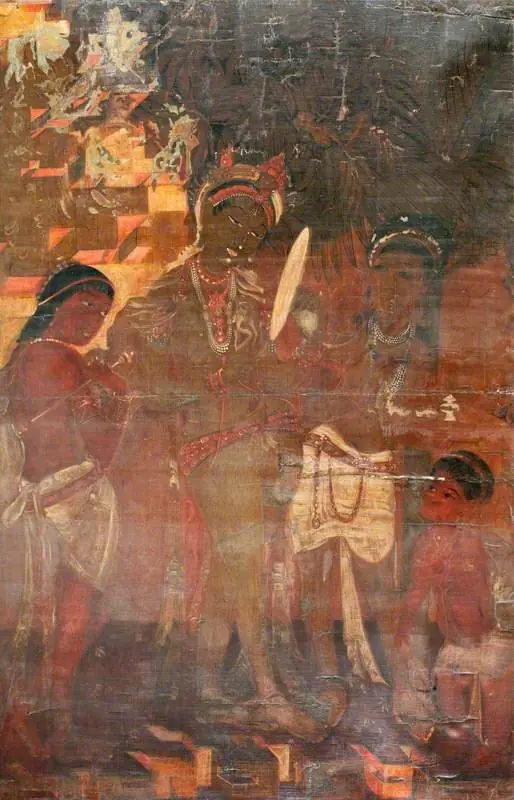 Copy of Painting inside the Caves of Ajanta (cave 17)
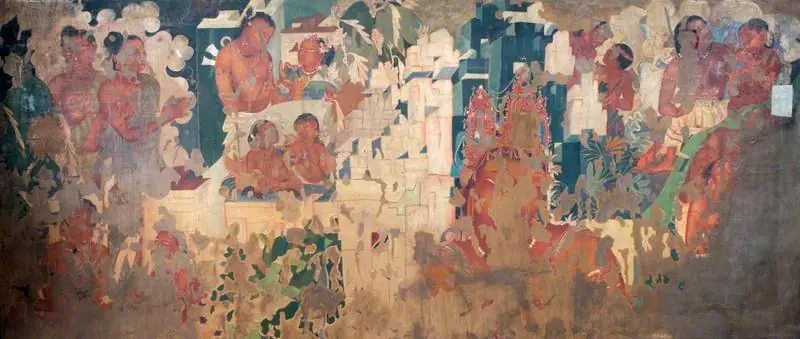 Copy of Painting inside the Caves of Ajanta (cave 2)
 Copy of Painting inside the Caves of Ajanta (cave 2)
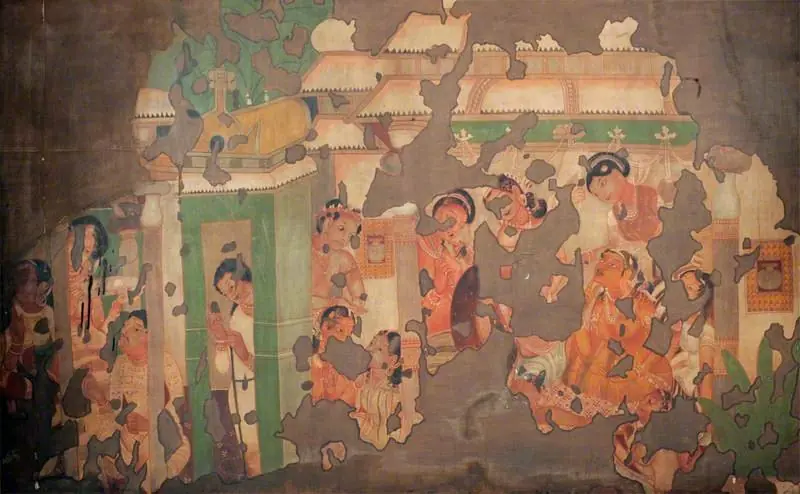 Copy of Painting inside the Caves of Ajanta (cave 1)
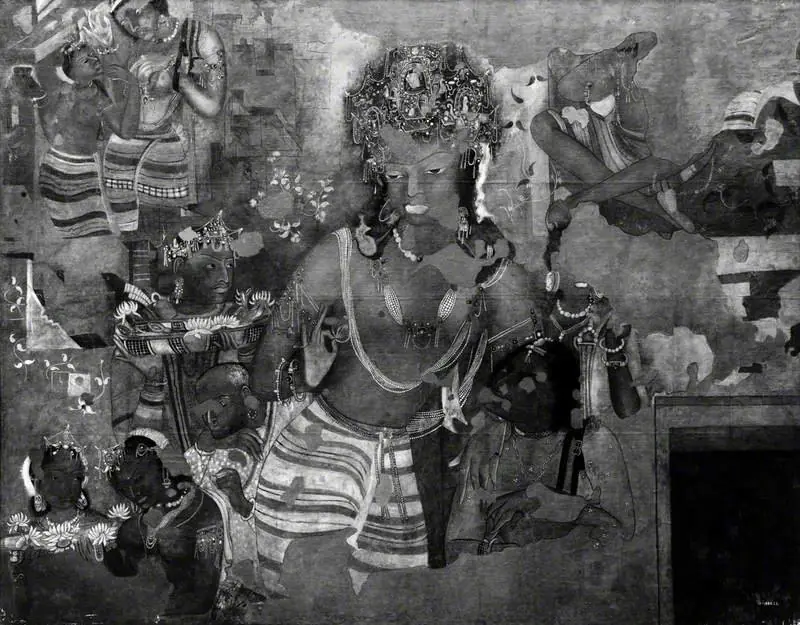 Copy of Painting inside the Caves of Ajanta (cave 1)
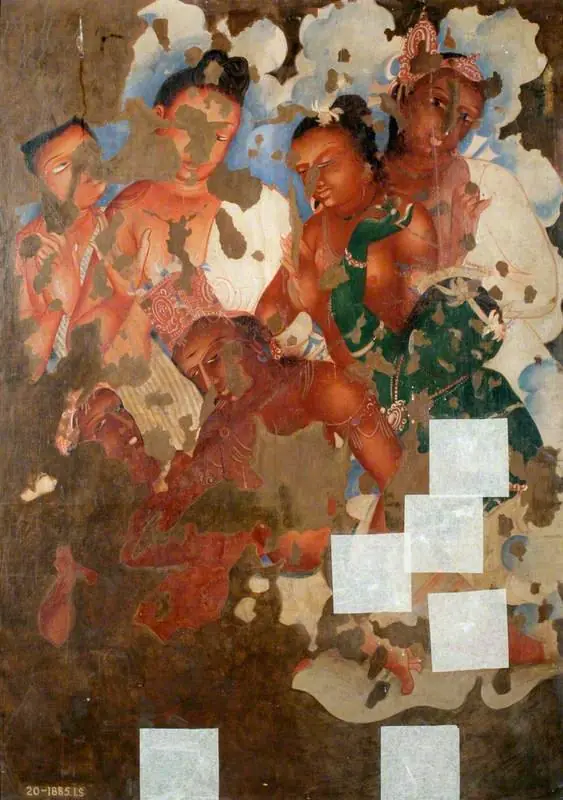 Copy of Painting inside the Caves of Ajanta (cave 2)
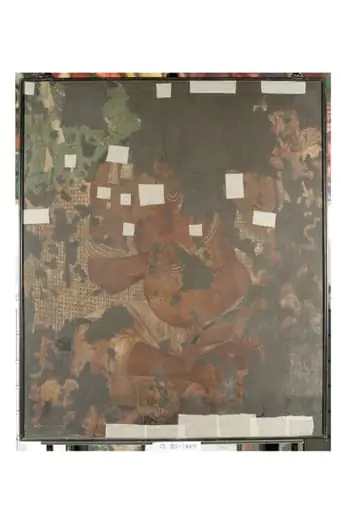 Copy of painting inside the caves of Ajanta (cave 16)
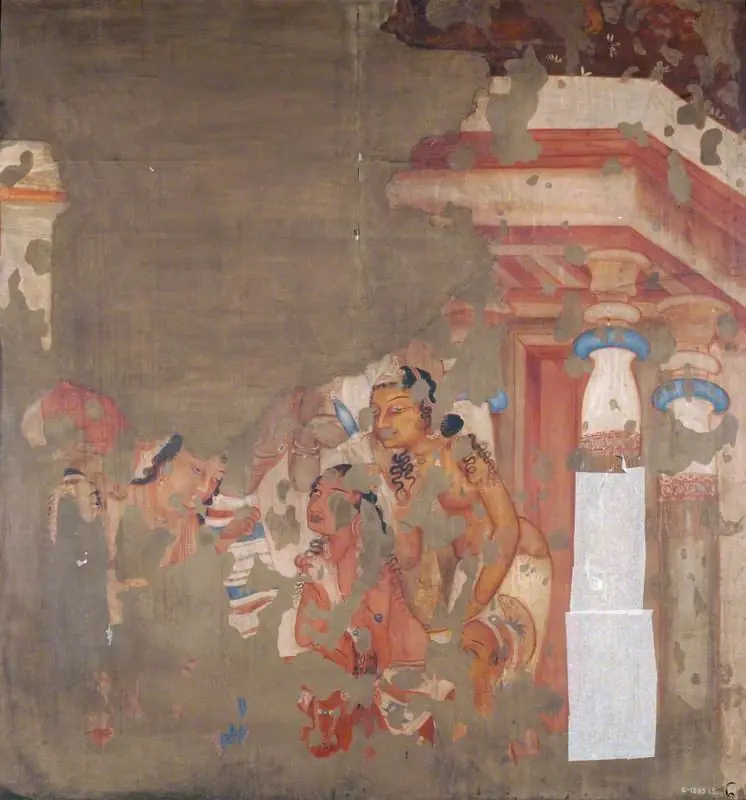 Copy of Painting inside the Caves of Ajanta (cave 1)
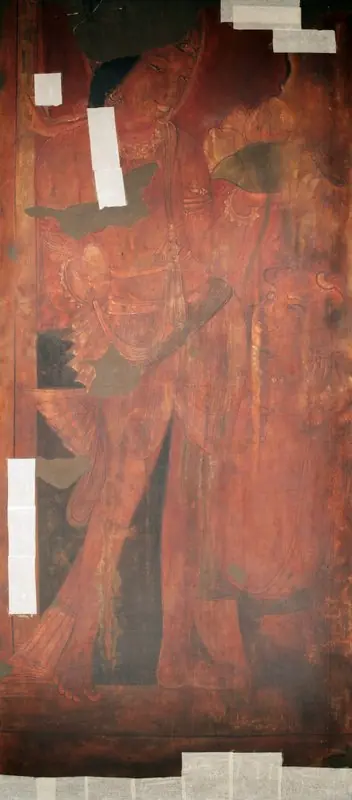 Copy of Painting inside the Caves of Ajanta (cave 17)
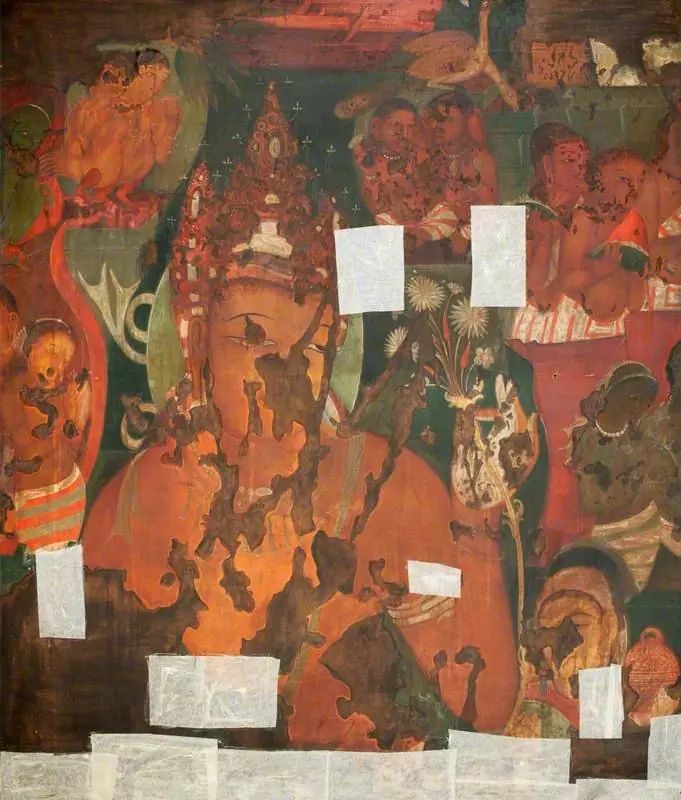 Copy of Painting inside the Caves of Ajanta (cave 11)