Artwork
Mrs Williams
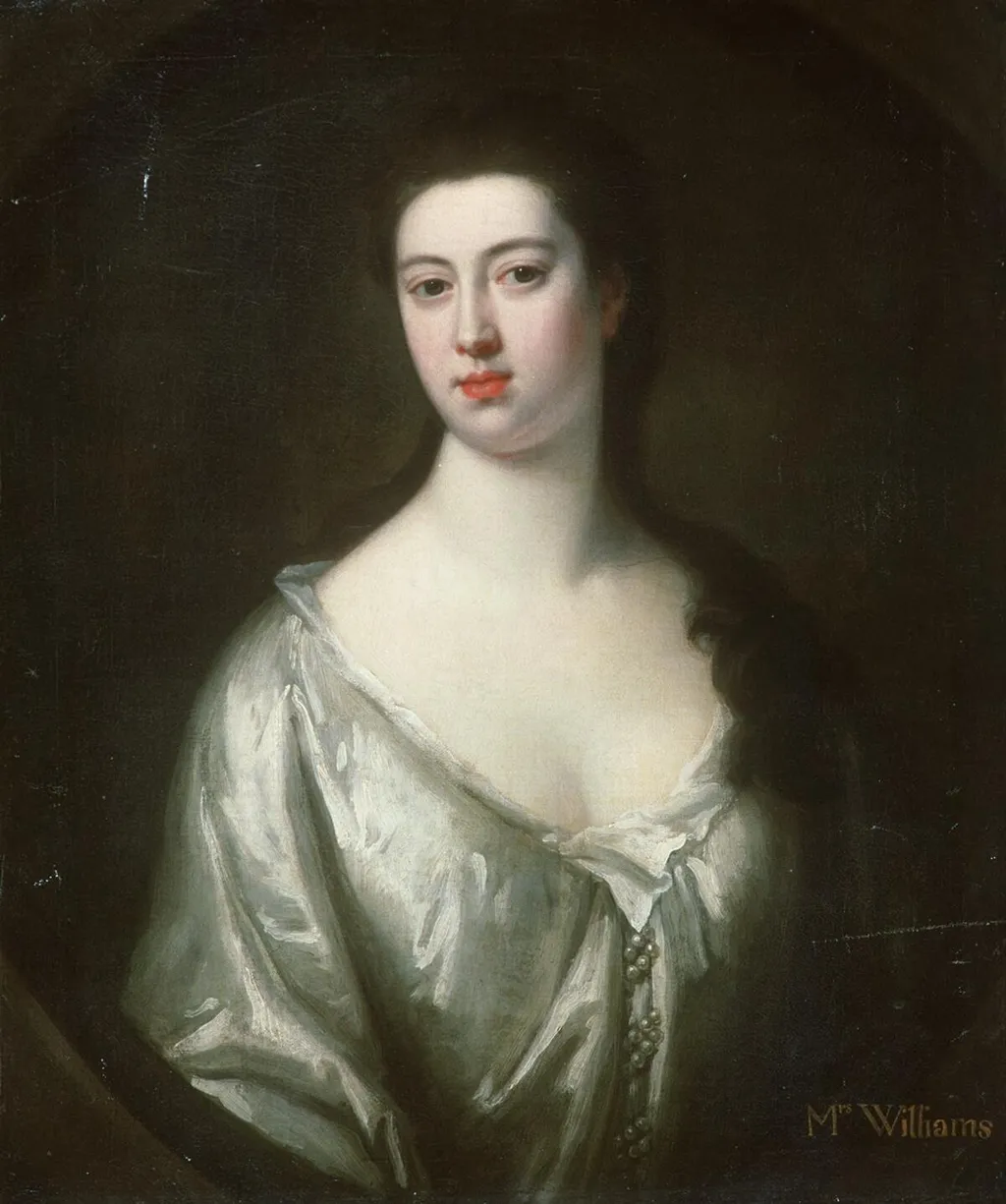
Mrs Williams is an oil painting by the Rococo painting artist Unknown. It dates from 1700 and is held in the collection of the National Library of Wales.
About this work
Overview
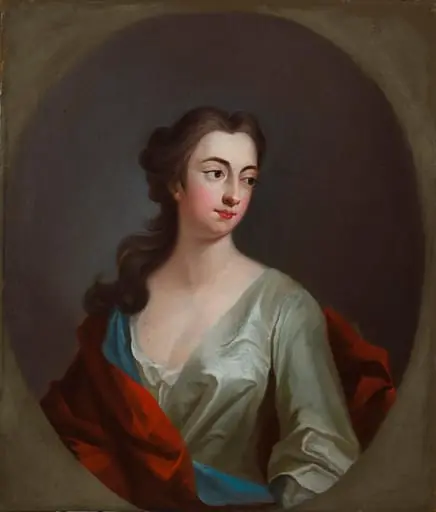
The work is an oil painting titled “Mrs Williams,” depicting a seated woman rendered against a dark backdrop. She is presented in a white, low‑necked dress that falls loosely, its front embellished with a line of pearls. Dark hair frames her face, and her lips are painted a vivid red, creating a striking contrast with the surrounding gloom.
Subject & Meaning
The portrait captures a woman of apparent social standing, suggested by the refined attire and jewelry. The use of a dark background isolates the figure, emphasizing her features and the elegance of her dress, while the red lips draw attention to her presence and perhaps hint at personal vitality or status.
Technique & Style
Executed in oil, the painting employs a limited palette that juxtaposes the luminous white of the garment and the deep shadows behind. Soft modeling of the facial features and the delicate rendering of the pearls demonstrate a careful handling of light, while the flowing drapery suggests a late‑18th‑ to early‑19th‑century portraiture style.
History & Provenance
No specific details about the painting’s creation date, artist, or ownership history are provided. The title “Mrs Williams” implies the sitter’s married name, a common convention in portrait commissions of the period, though further provenance remains undocumented.
Context
Portraits of women in white dresses with pearl accents were popular among the middle and upper classes, serving both as a record of personal identity and as a display of refinement. The dark background aligns with contemporary conventions that used chiaroscuro to focus attention on the sitter.
Legacy
While the work’s broader influence is not recorded, its composition reflects enduring conventions in portraiture that balance elegance with restrained background treatment, offering insight into the visual language of personal representation in its era.
Artist & collection

 Domestic Scene
 Giacomo and Cardinal Marco, investing Andrea, Abbot of San Zeno, with his Benefice
 The Nymph of Fontainebleau
 Portrait of a Woman
 Madonna and Child with Saints in the Enclosed Garden
 Venus and Minerva
 Family Group of Four on Sofa
 Wall painting from Room H of the Villa of P. Fannius Synistor at Boscoreale
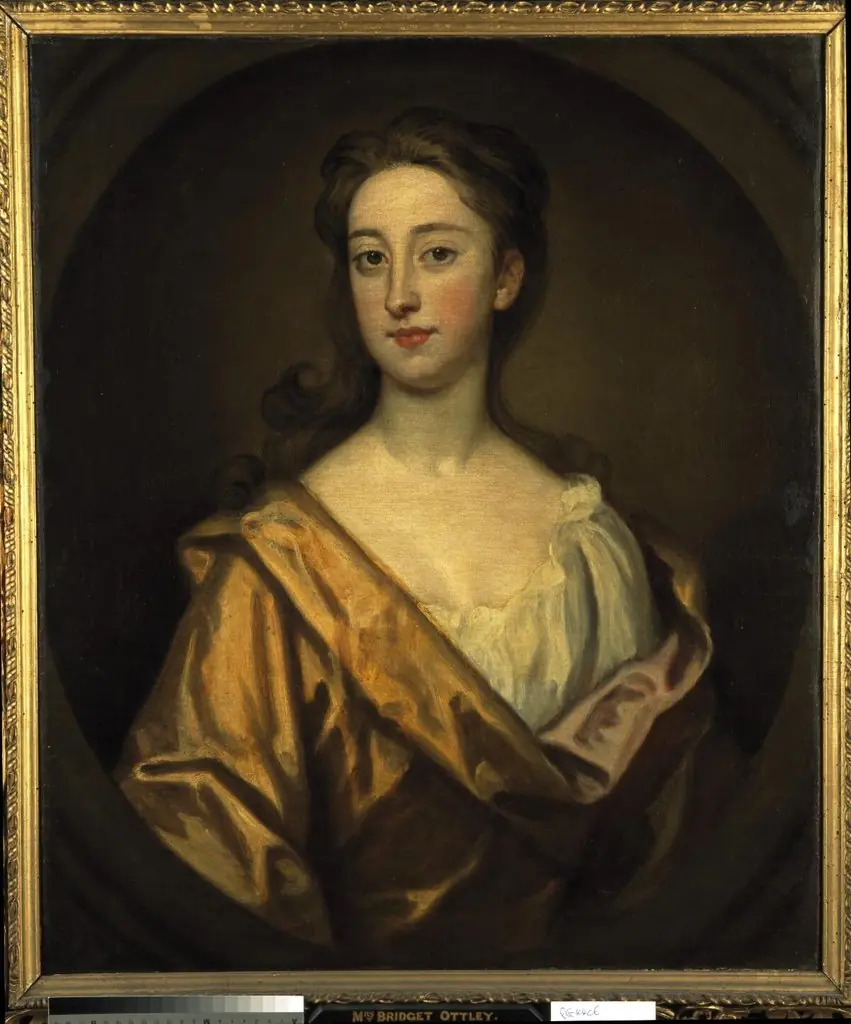 Mrs. Bridget Ottley
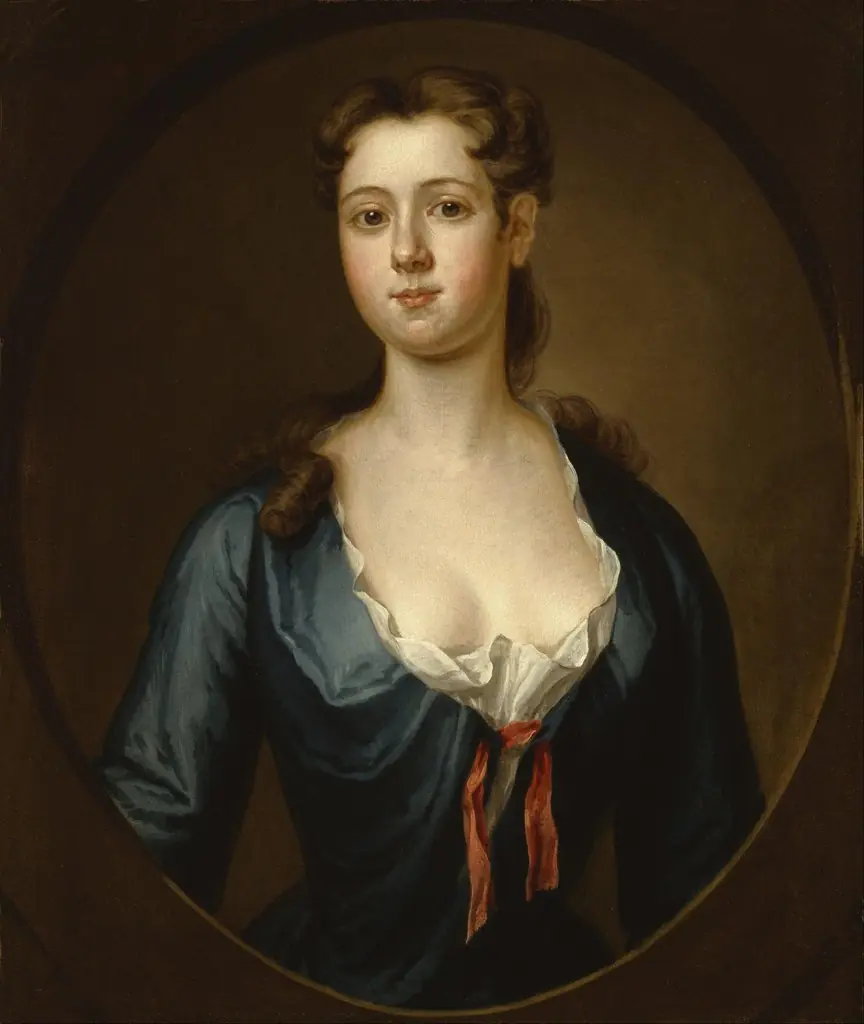 Portrait of Mary Pemberton (1717–1763)
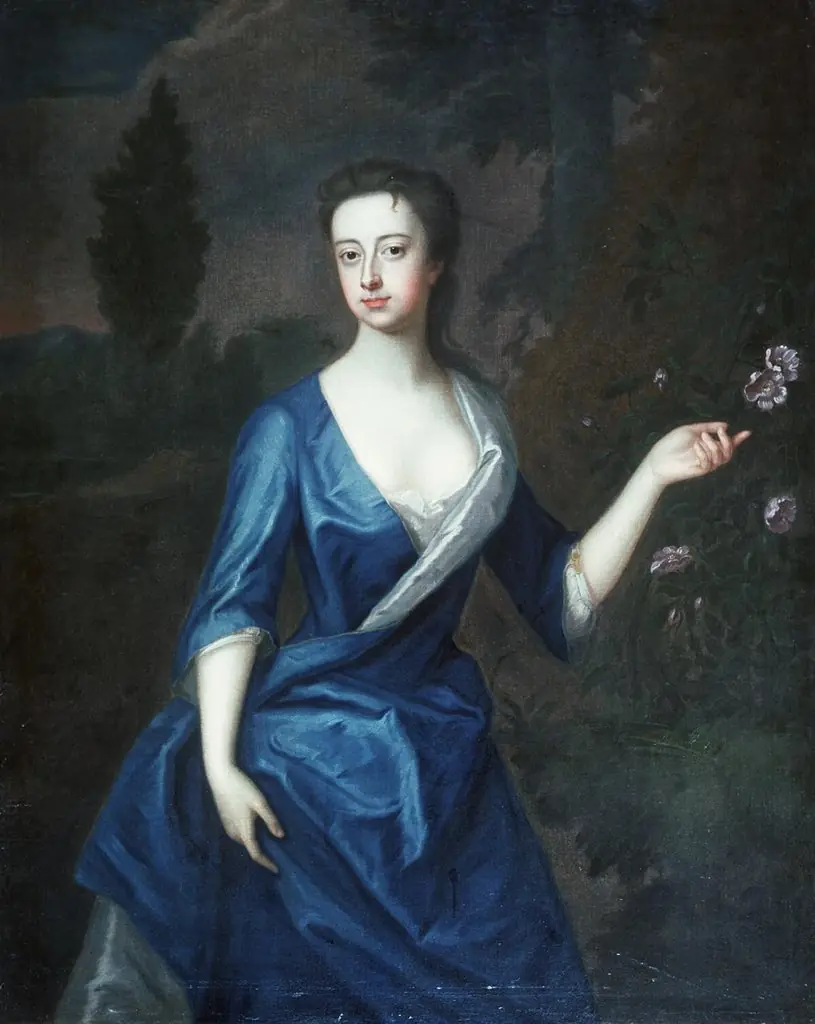 Miss Mary Middleton, Plas Newydd, Wrexham
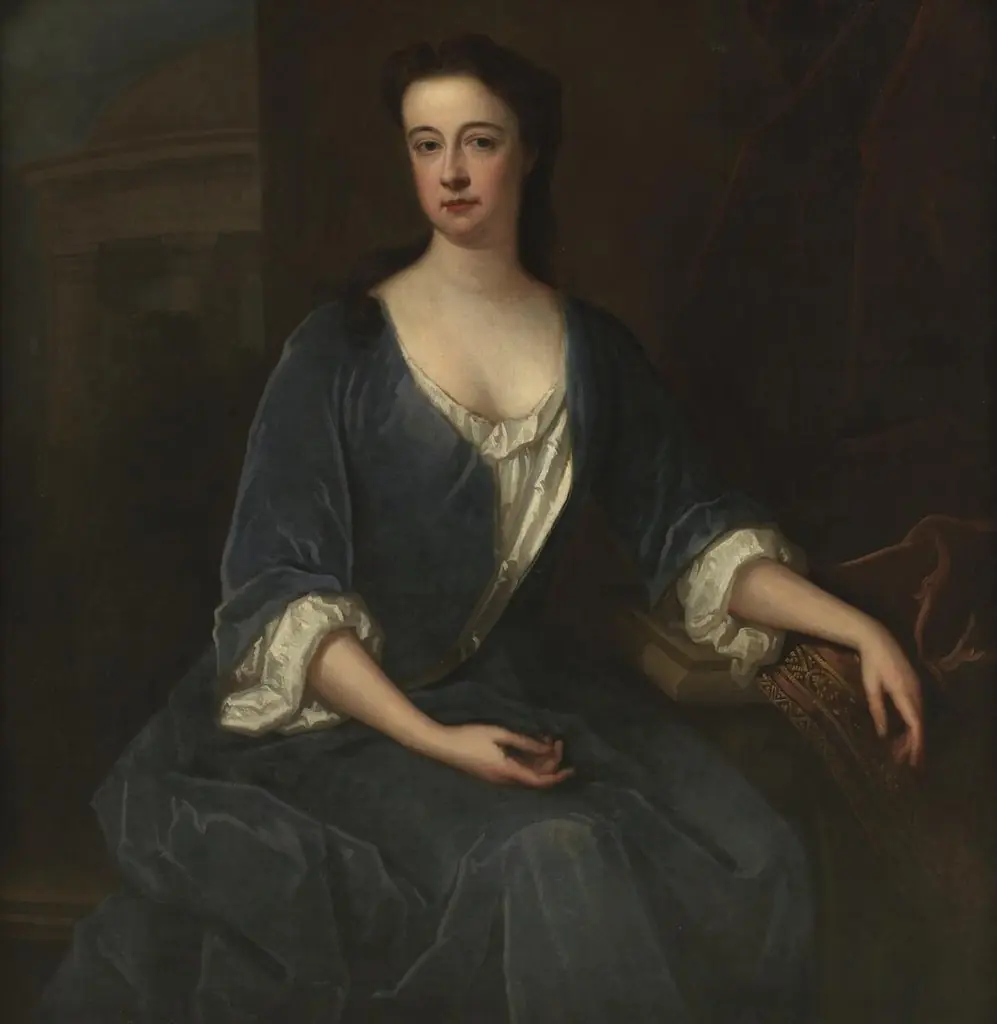 Barbara, Countess of Pembroke & Mont
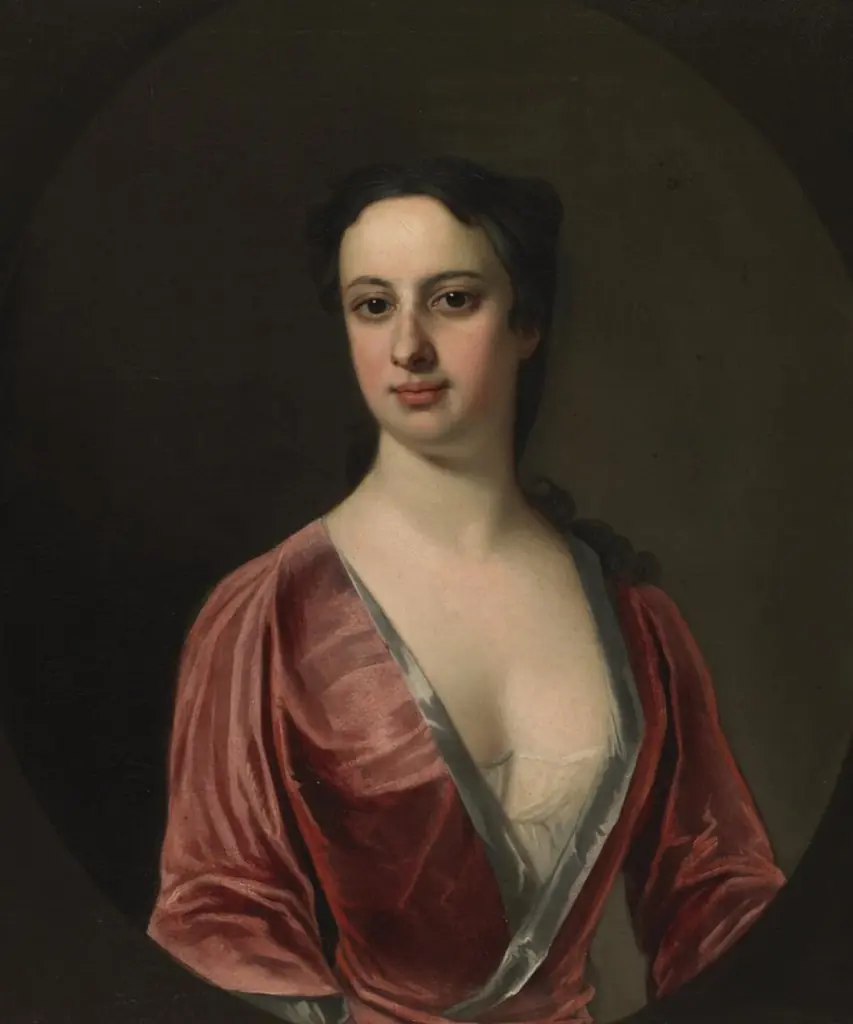 Diana Gostling
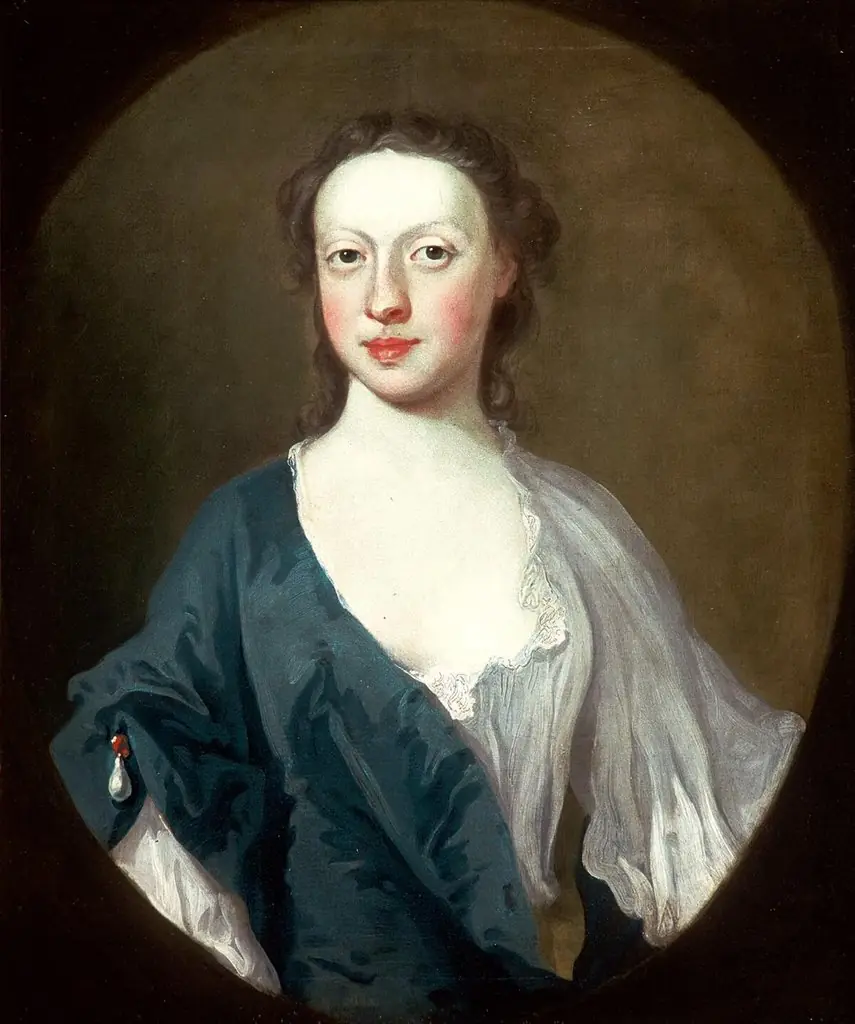 Ann Lloyd of Bryn Lluarth, Denbighshire
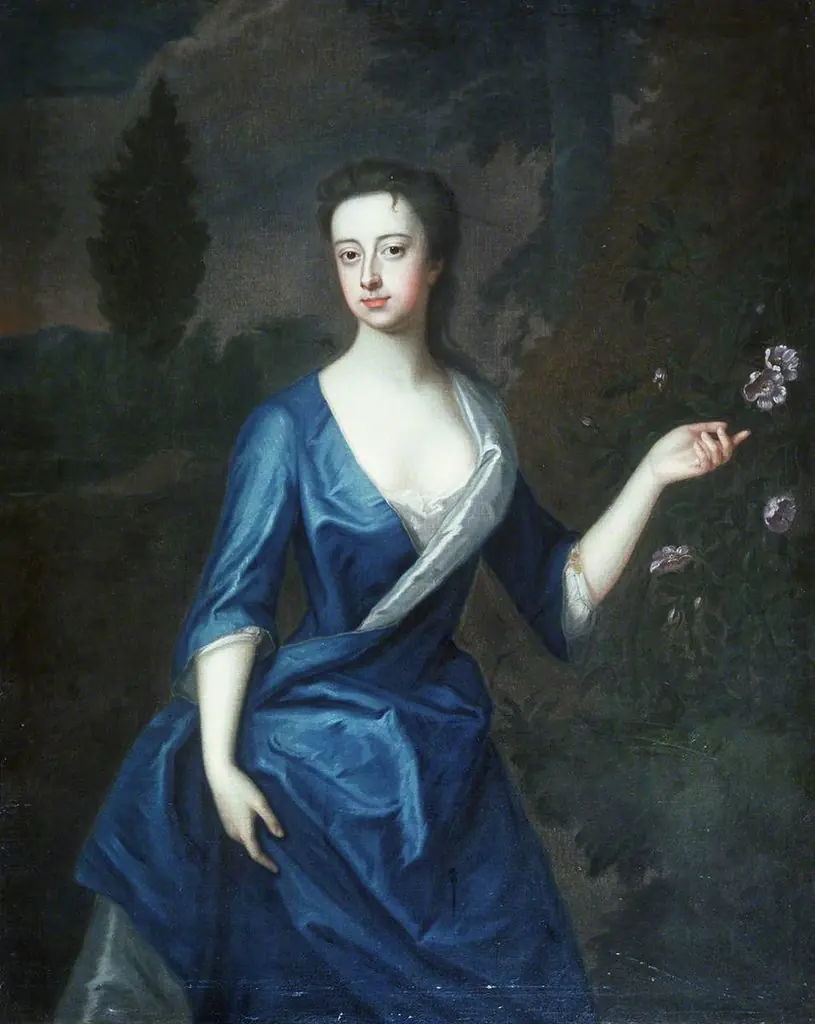 Miss Mary Middleton (1688–1747), of Plas Newydd, Wrexham
 Elizabeth Churchill, Bridgwaterin kreivitär
 Portrait of a Woman, Called Maria Taylor Byrd