Artwork
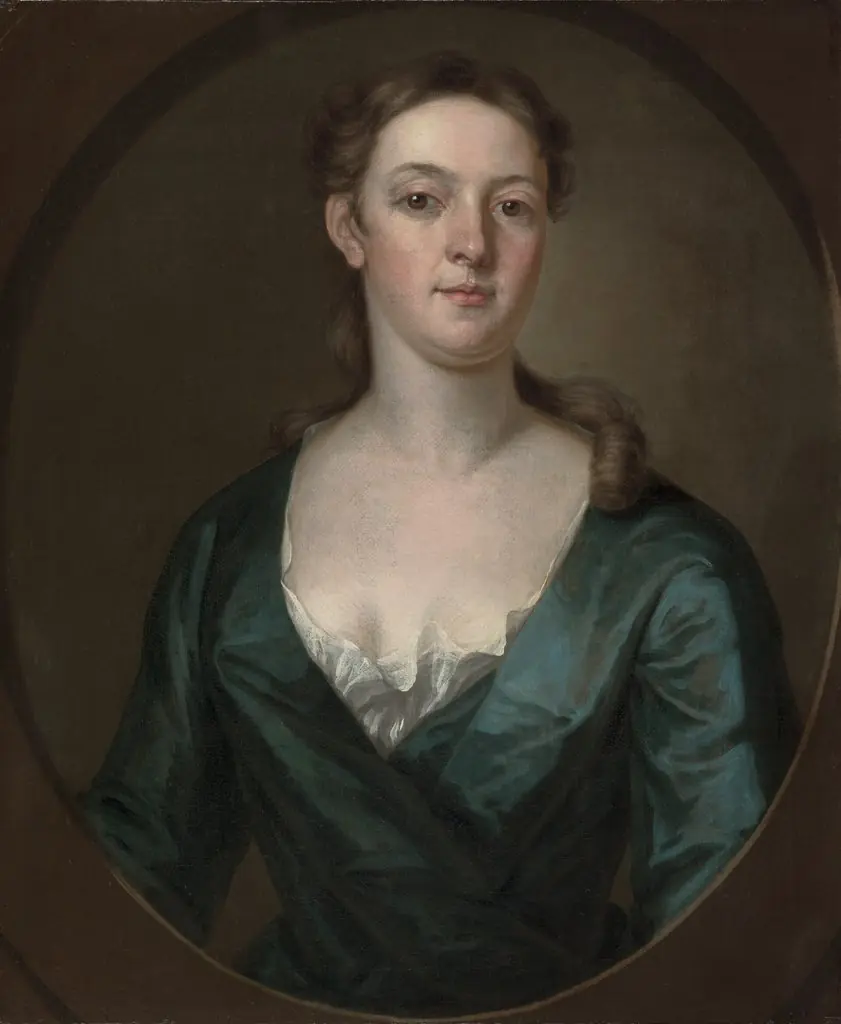
Portrait of Mary Pemberton (1717–1763)
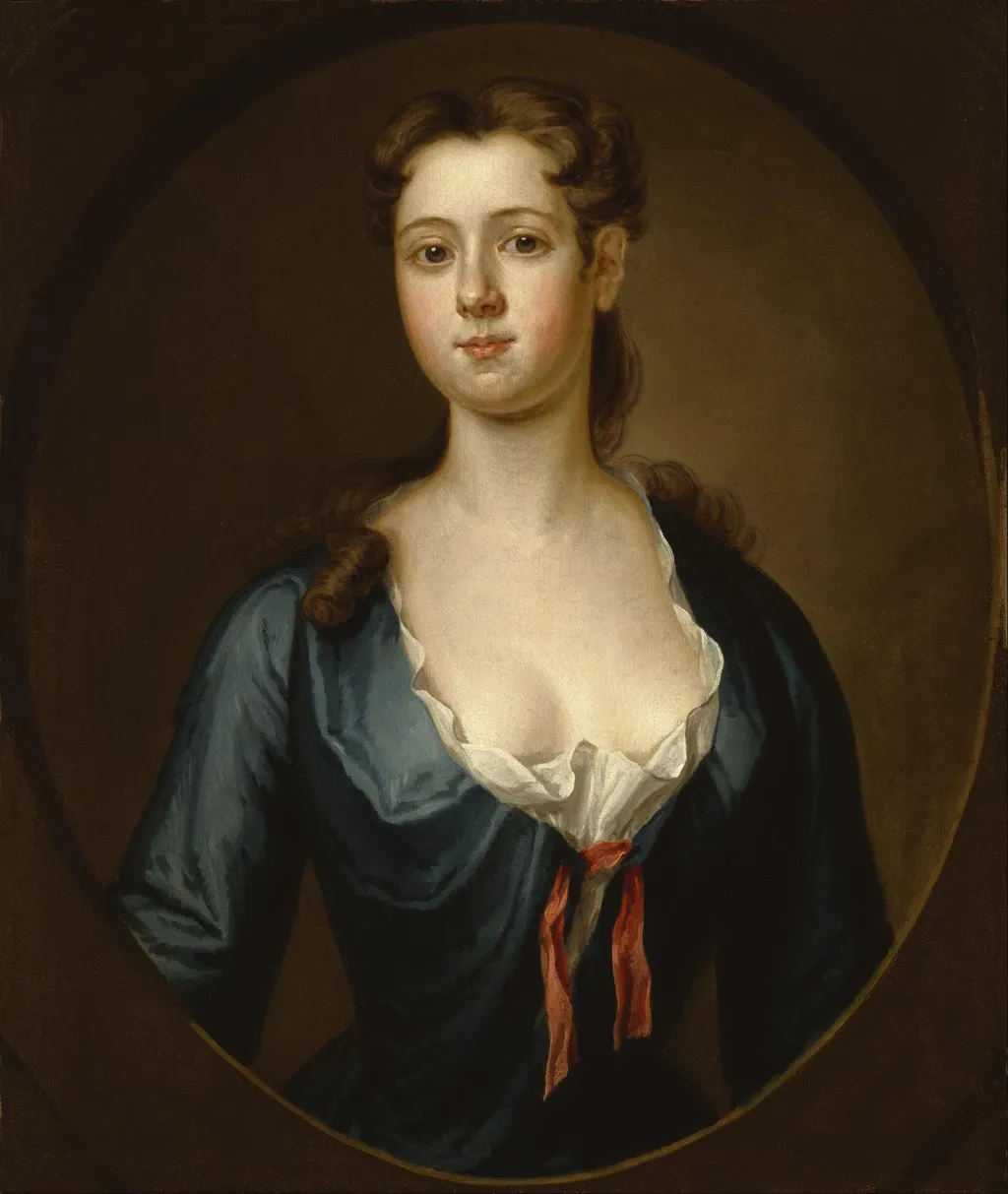
Portrait of Mary Pemberton (1717–1763) is an oil painting by the Rococo painting artist John Smibert. It dates from 1734 and is held in the collection of the Museum of Fine Arts, Houston.
About this work
Overview
Smibert, trained in European academic traditions, was among the first professional portraitists to establish a practice in British North America.
Painted in 1734 by John Smibert, this oil portrait captures Mary Pemberton, a colonial American woman of means. Smibert, trained in European academic traditions, was among the first professional portraitists to establish a practice in British North America. The work reflects the transatlantic artistic influences of the early 18th century, blending European conventions with the emerging cultural context of the colonies.
Subject & Meaning
Mary Pemberton is portrayed with quiet dignity, her calm expression and faint smile suggesting composure rather than theatricality. Her attire—blue dress, white lace collar, and red ribbon—signals social standing and refined taste. The portrait does not emphasize wealth through ostentation but through restraint, aligning with ideals of modest elegance common among colonial elites. Her gaze, slightly inward, invites contemplation rather than assertion.
Technique & Style
Smibert employs chiaroscuro to model the figure with subtle gradations of light, enhancing the three-dimensionality of her face and shoulders. The brushwork is precise yet fluid, particularly in the rendering of fabric and hair. The warm, neutral background isolates the subject without distraction, focusing attention on her form. The composition follows classical portraiture conventions, yet the softness of the tones and delicate details hint at emerging Rococo sensibilities.
History & Provenance
Created during Smibert’s time in Boston, the portrait remained within Pemberton family circles before entering institutional collections. It was acquired by the Museum of Fine Arts, Houston, where it now resides as part of its early American art holdings. Its survival and preservation reflect its significance as a rare example of colonial portraiture by a trained European artist working in the New World.
Context
In the 1730s, formal portraiture in British America was scarce and largely dependent on imported works or itinerant artists. Smibert’s presence marked a shift toward local artistic production. His training in London and Rome informed his approach, yet his subjects were drawn from colonial society. This portrait thus stands as both a personal record and a cultural artifact of transatlantic identity formation.
Legacy
Smibert’s work, including this portrait, laid foundational precedents for American portraiture. He trained the next generation of colonial artists and helped establish a visual language for elite identity in the colonies. Though not widely celebrated in his lifetime, his oeuvre is now recognized as a critical bridge between European artistic norms and the development of a distinct American artistic tradition.
Artist & collection
Artist
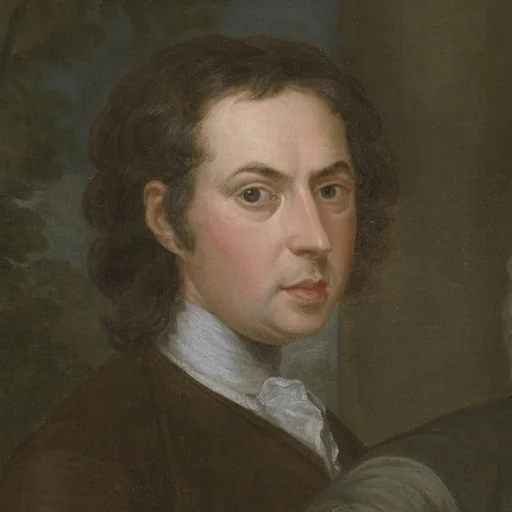
John Smibert (24 March 1688 – 2 April 1751) was a Scottish-born painter who specialised in portrait painting and was the first academically trained artist to work in British America.

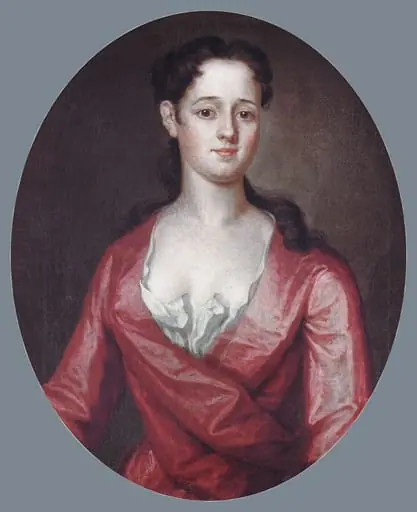
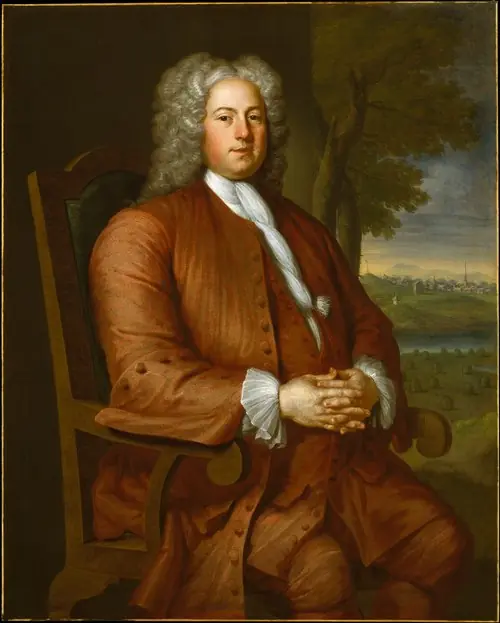

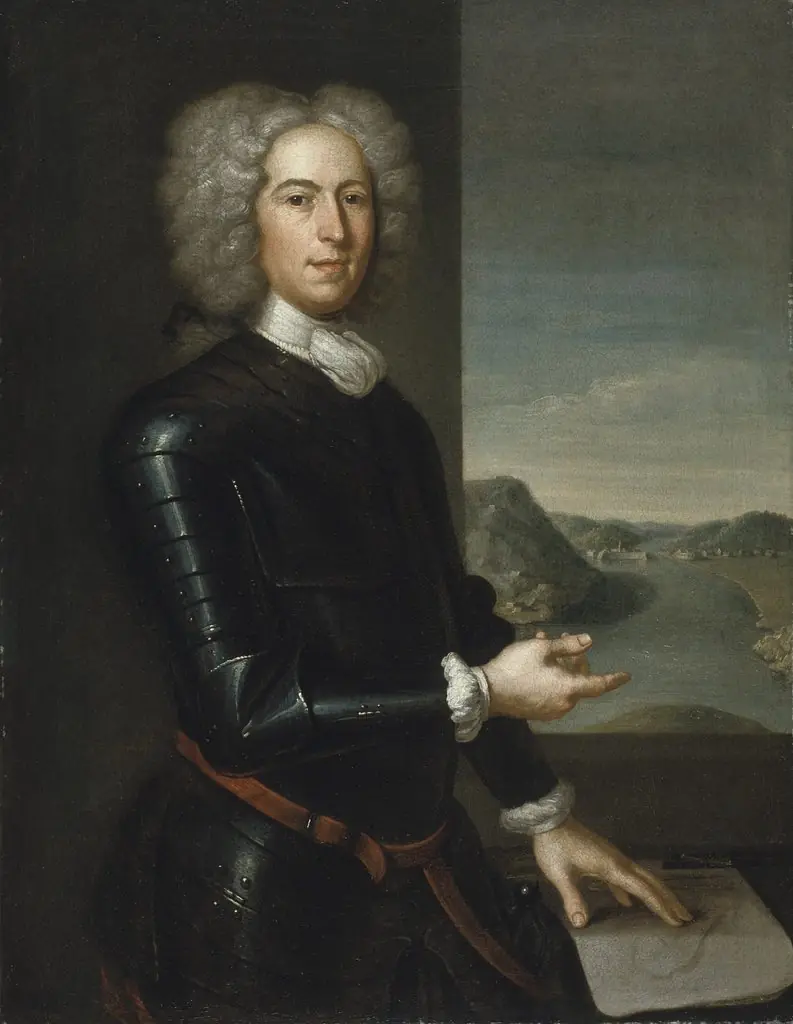
 Portrait of a Lady
 Portrait of a Lady
 Portrait of a Woman (Judith Colman Bulfinch?)
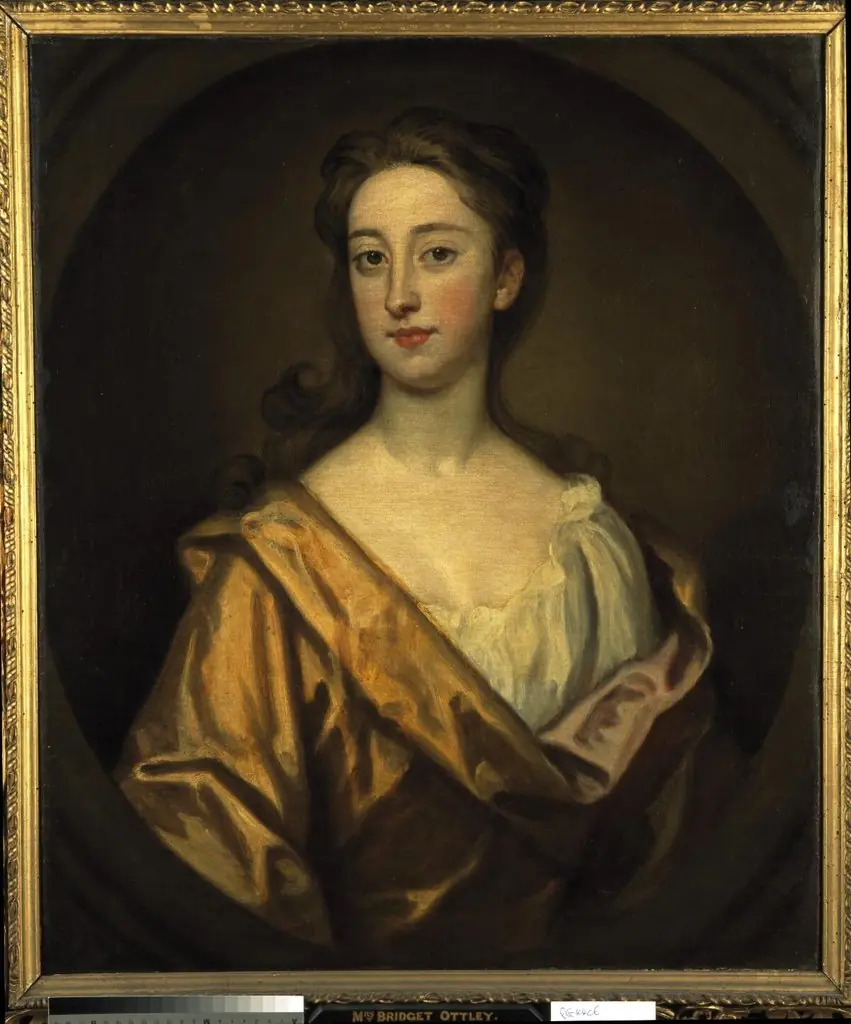 Mrs. Bridget Ottley
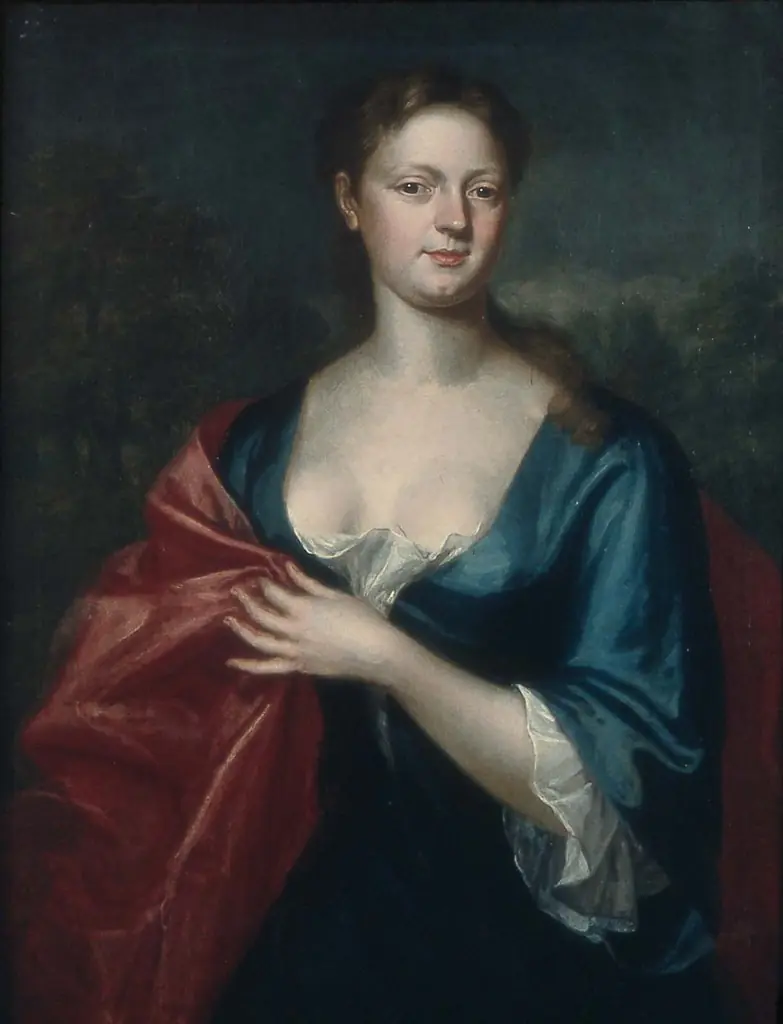 Mrs. William Dudley (Elizabeth Davenport)
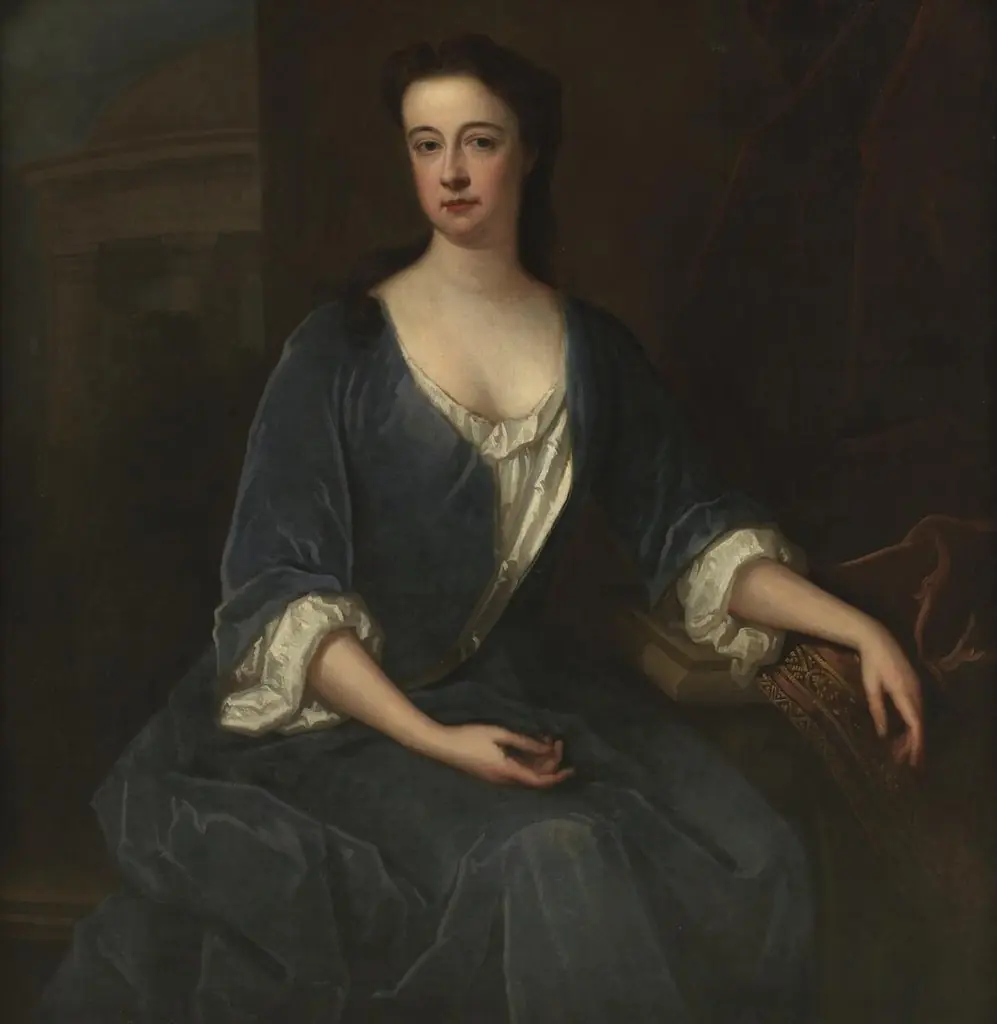 Barbara, Countess of Pembroke & Mont
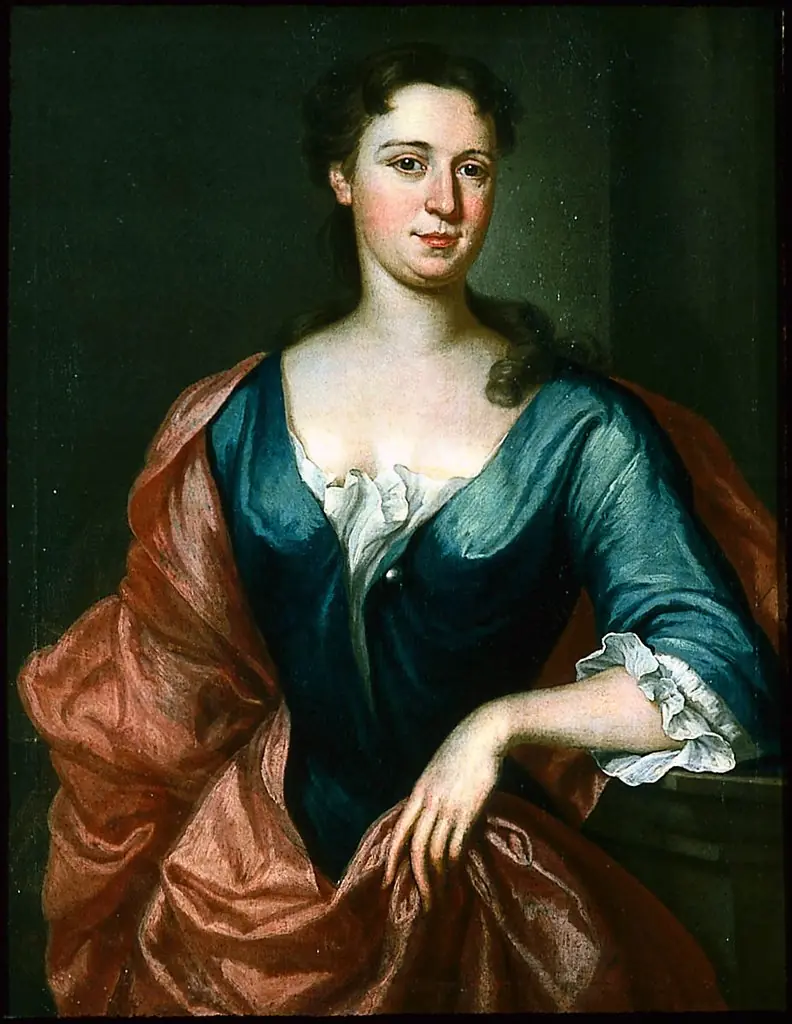 Mrs. Tyng
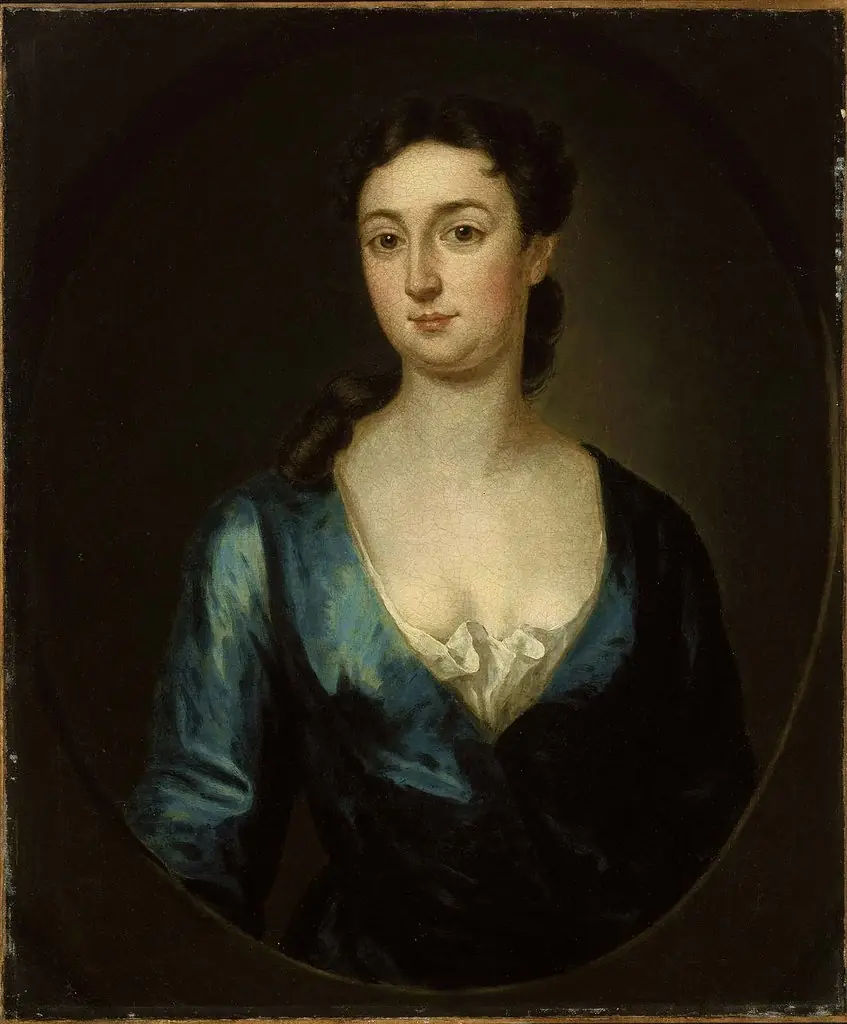 Mrs. James MacSparran (Hannah Gardiner)
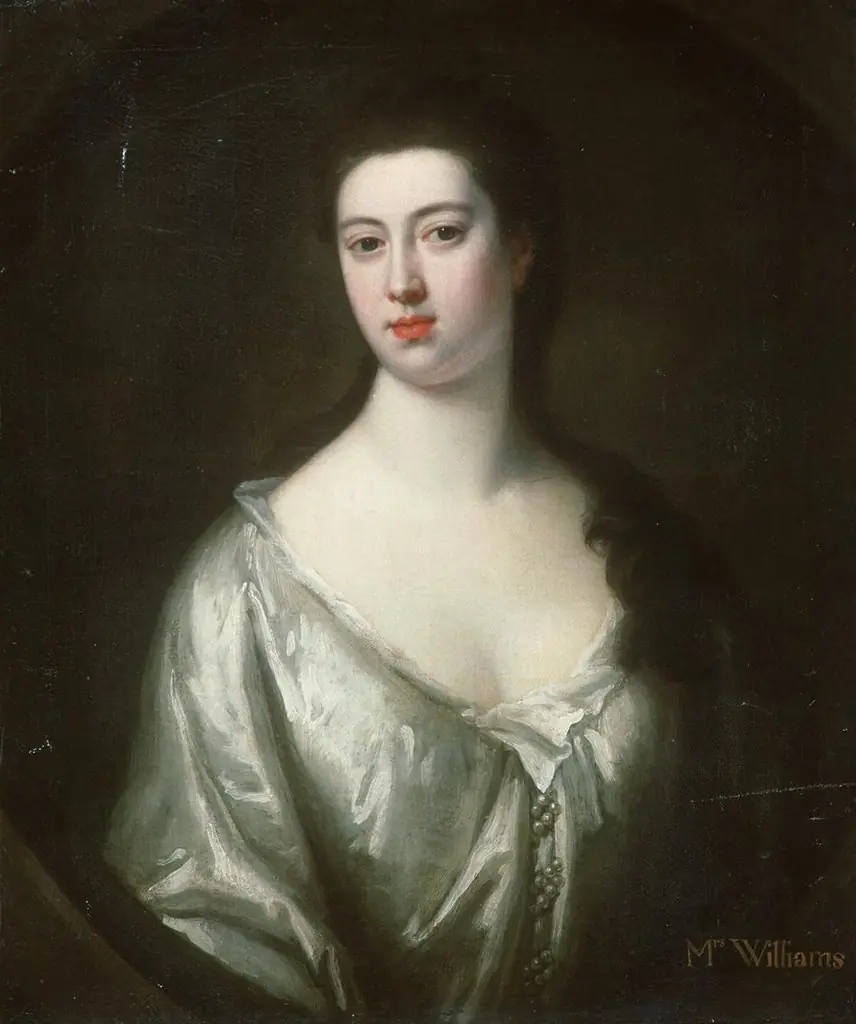 Mrs Williams
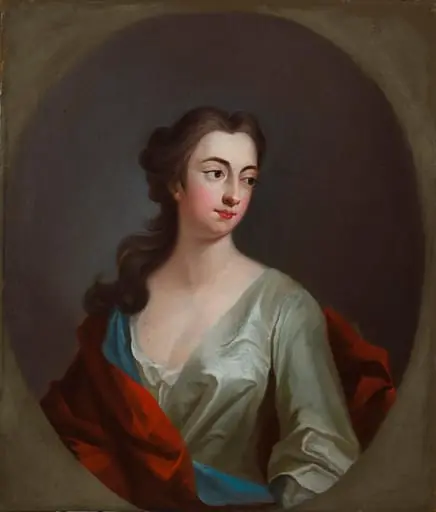 Elizabeth Churchill, Bridgwaterin kreivitär
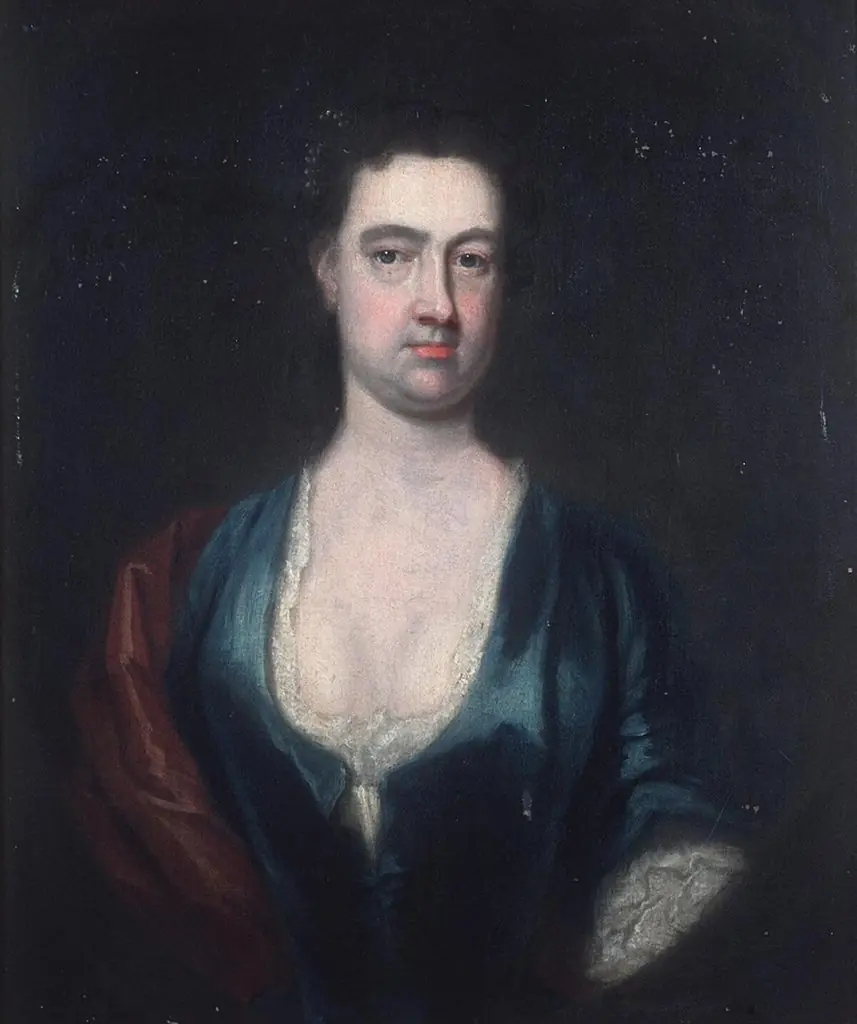 Anne Corbet, Eldest Daughter of V Corbet