Artwork
Worship of the Gods (14 of 17)
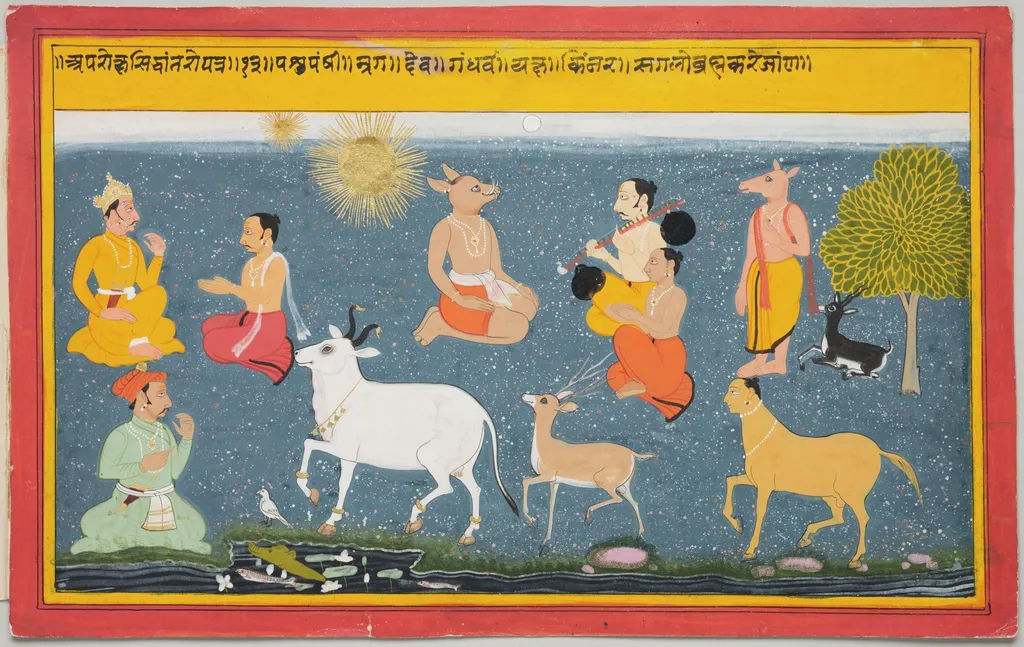
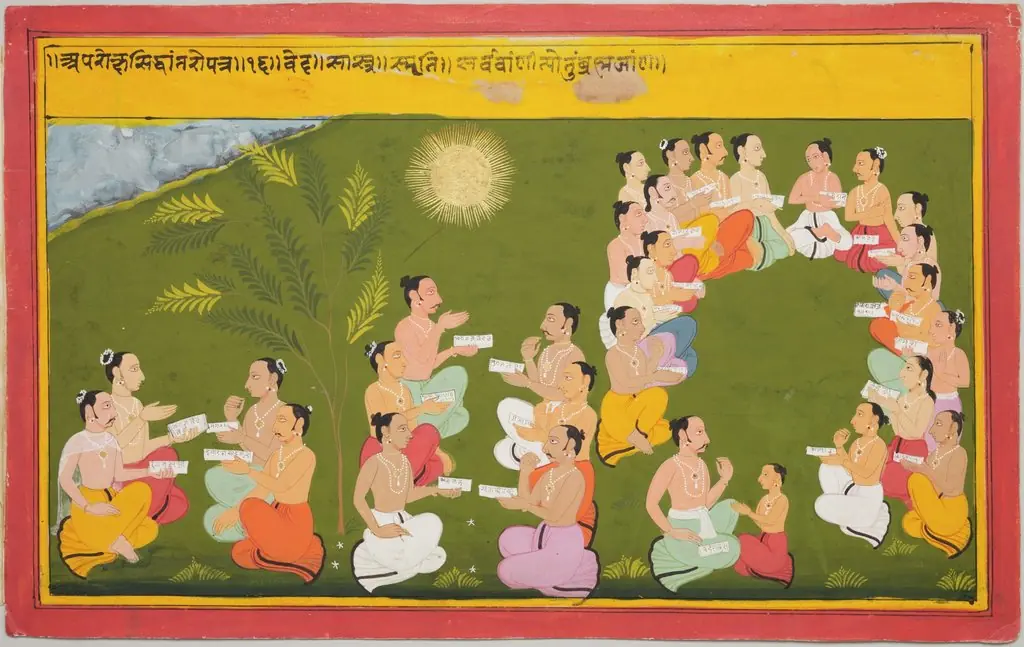
Worship of the Gods (14 of 17) is an unspecified painting by Unknown. It is held in the collection of the Detroit Institute of Arts. This painting is one of seventeen panels in a larger series, distinguished by its calm composition and minimalist palette.
About this work
Overview
The absence of detailed landscape elements focuses attention on the symbolic presence of the figures and their interaction with the natural world.
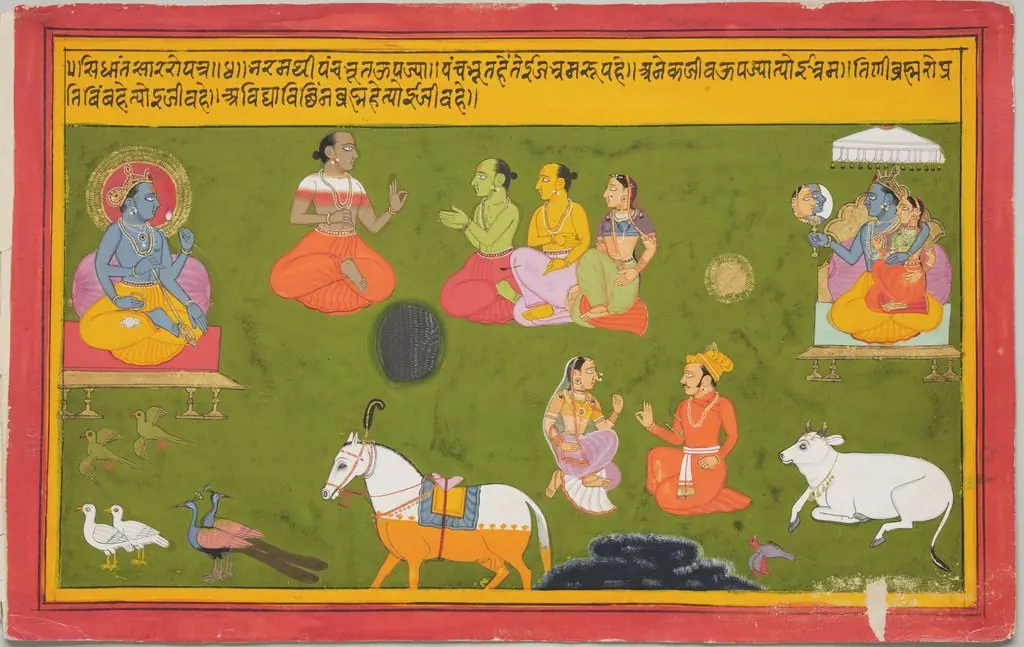
This painting is one of seventeen panels in a larger series, distinguished by its calm composition and minimalist palette. A pale blue field dominates the background, framing a group of figures and animals arranged in a balanced, almost floating formation. The absence of detailed landscape elements focuses attention on the symbolic presence of the figures and their interaction with the natural world.
Subject & Meaning
The scene suggests a ritual or devotional act, with figures in varied postures—kneeling, seated, and suspended—as if engaged in worship. The white cow, deer, and horse may represent sacred or symbolic animals, common in ancient religious iconography. The sun-like form at the top center, encircled by yellow, likely signifies a celestial deity or divine presence, reinforcing the theme of reverence toward higher powers.
Technique & Style
The painting employs flat, unmodulated colors and simplified forms, avoiding perspective or shading. Figures and animals are rendered with clean outlines and minimal anatomical detail, emphasizing symbolic clarity over realism. The composition is deliberately static, with elements arranged horizontally to create a sense of stillness, consistent with ceremonial or liturgical imagery.
History & Provenance
The work belongs to a series of panels originally part of a larger devotional or narrative cycle, likely created in a region with strong traditions of symbolic religious art. Its survival as one of seventeen fragments suggests it was once part of a structured sequence, possibly displayed in a temple or ceremonial space. Exact origins remain undocumented, but stylistic parallels point to early Mediterranean or Near Eastern influences.
Context
Created during a period when religious imagery often merged natural elements with spiritual symbolism, the painting reflects a worldview in which animals and celestial bodies held sacred significance. The suspended figures may represent intermediaries between the earthly and divine, a motif found in contemporaneous cult practices. The lack of architectural context reinforces a focus on the metaphysical rather than the physical realm.
Legacy
Though not widely known outside scholarly circles, the panel contributes to understanding how early cultures visualized worship through abstraction and symbolic harmony. Its preservation among other fragments allows comparative study of ritual iconography across regions. The work’s enduring quietude continues to inform interpretations of pre-classical spiritual expression.
Artist & collection

 Domestic Scene
 Giacomo and Cardinal Marco, investing Andrea, Abbot of San Zeno, with his Benefice
 The Nymph of Fontainebleau
 Portrait of a Woman
 Madonna and Child with Saints in the Enclosed Garden
 Venus and Minerva
 Family Group of Four on Sofa
 Wall painting from Room H of the Villa of P. Fannius Synistor at Boscoreale
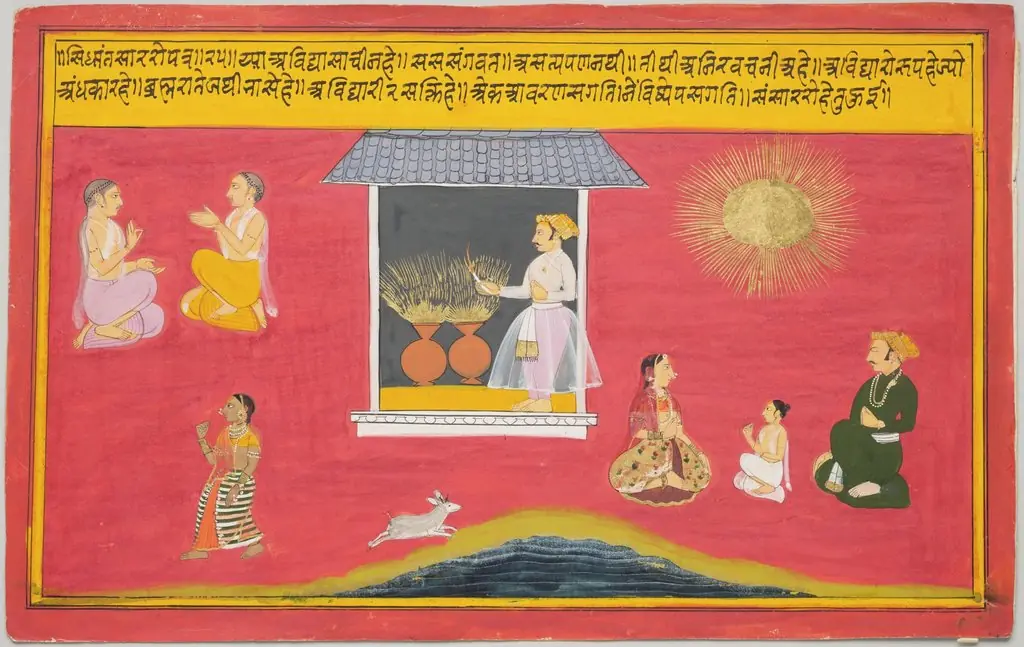 Worship of the Gods (13 of 17)
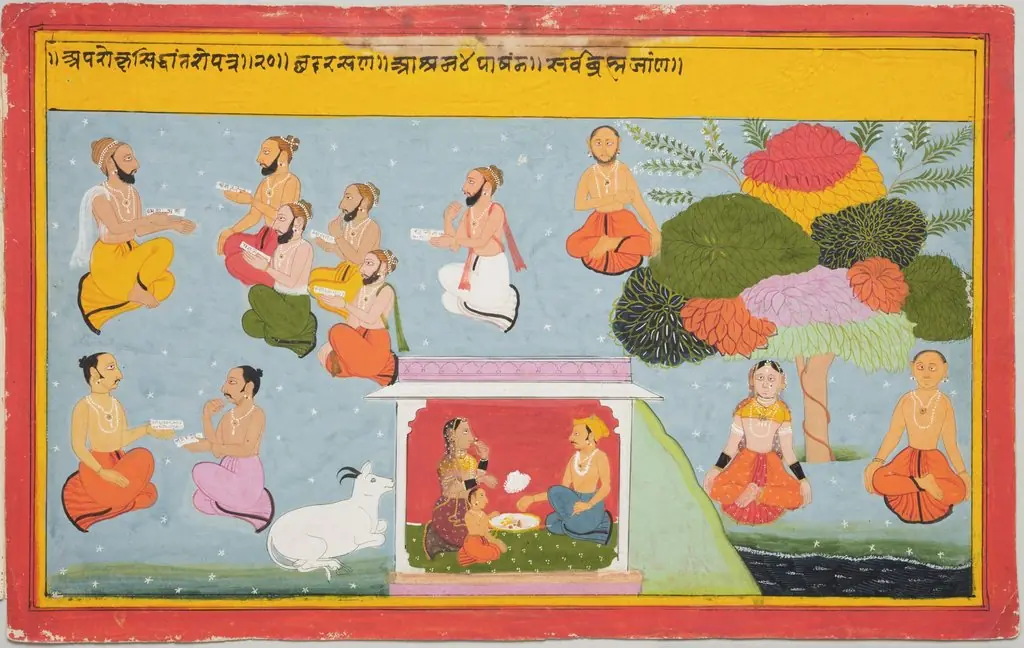 Worship of Hindu Deities (1 of 18)
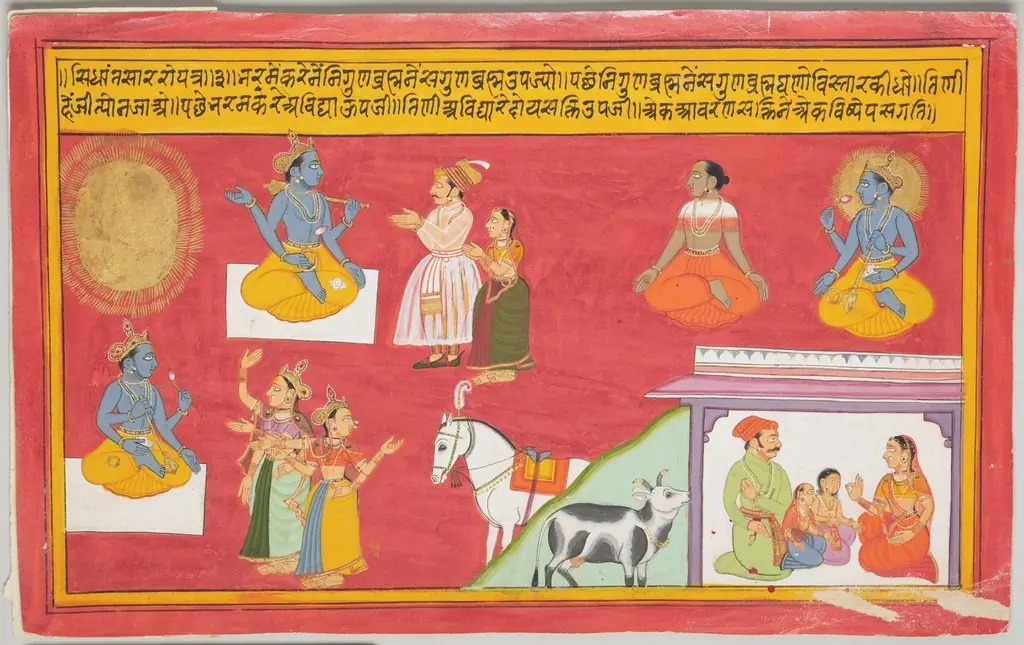 Worship of the Gods (4 of 17)
 Worship of the Gods (11 of 17)
 Worship of Hindu Deities (1 of 18)
 Worship of Hindu Deities (1 of 18)
 Worship of Hindu Deities (1 of 18)
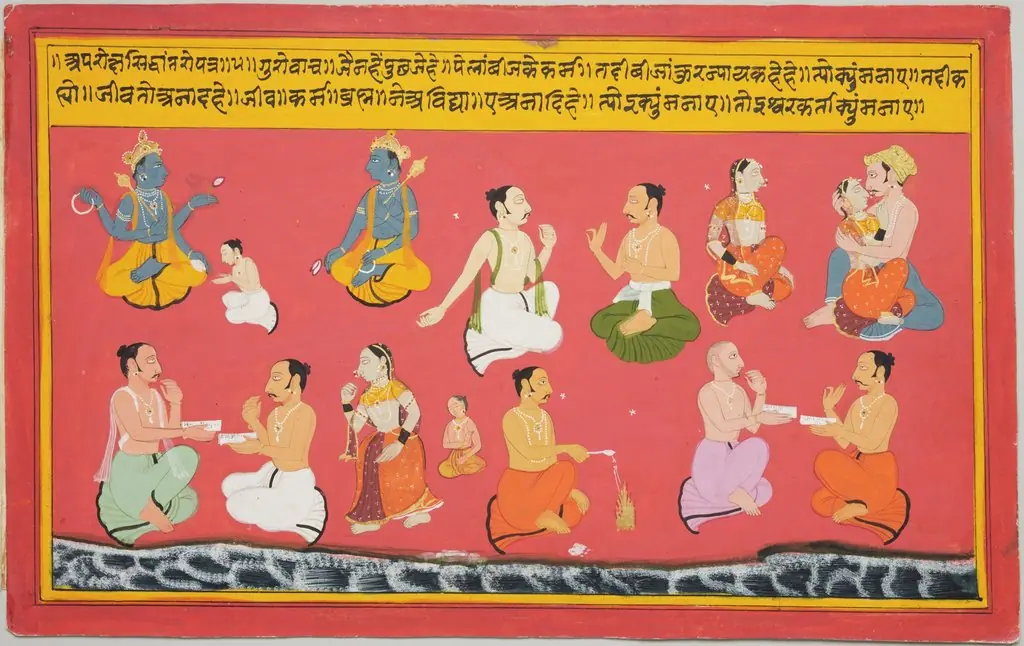 Worship of Hindu Deities (1 of 18)
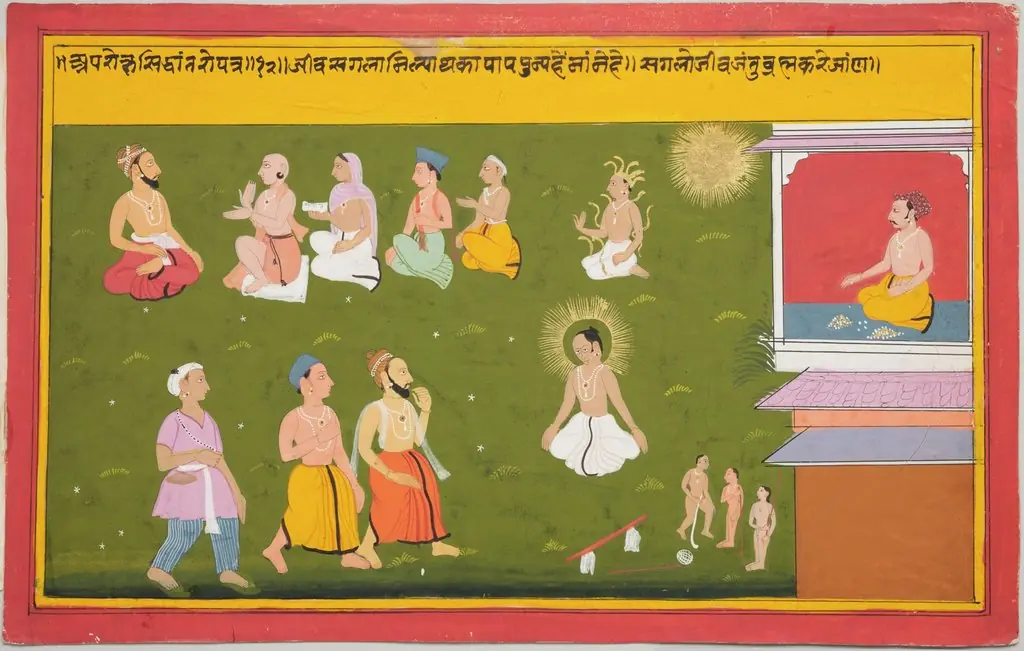 Worship of Hindu Deities (1 of 18)
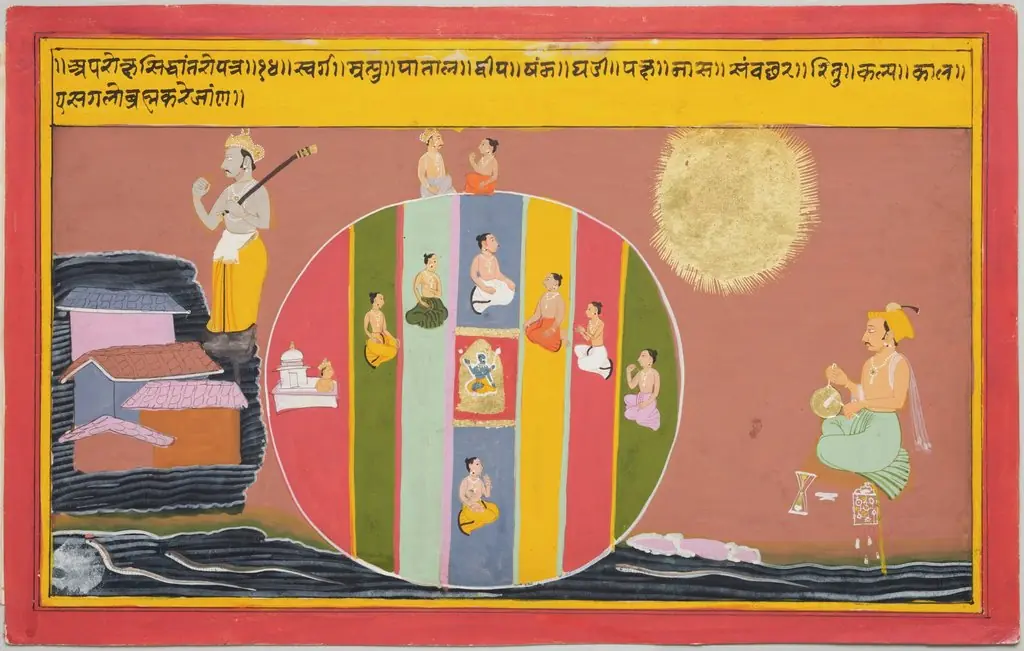 Worship of Hindu Deities (1 of 18)
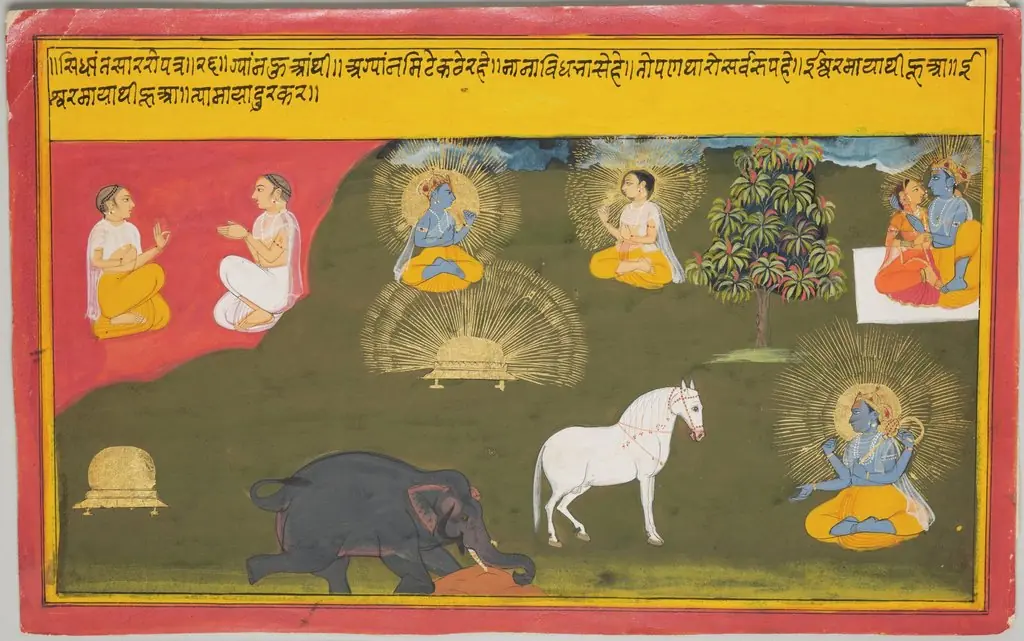 Worship of the Gods (2 of 17)
 Worship of Hindu Deities (1 of 18)