Artwork
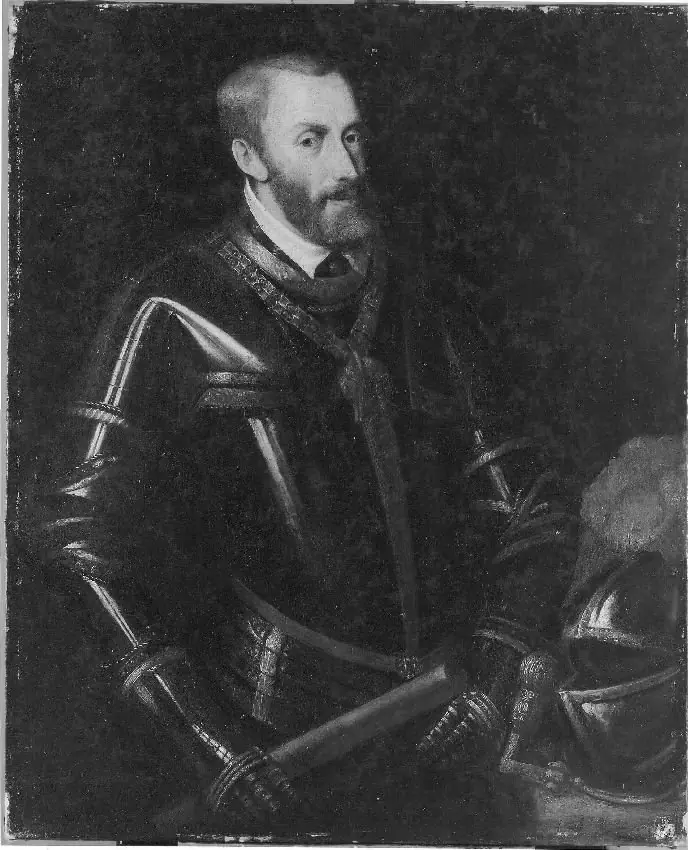
Portrait of Emperor Charles V
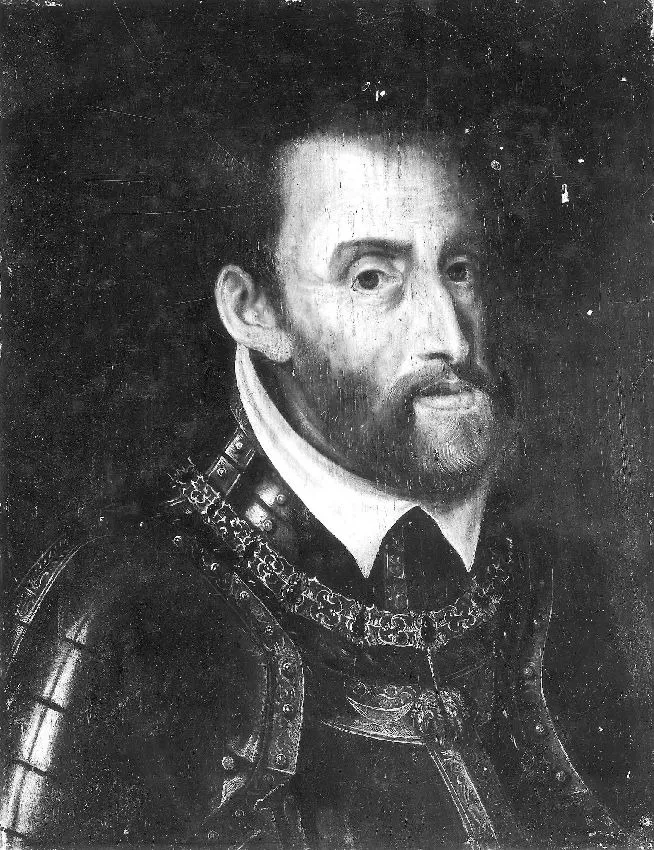
Portrait of Emperor Charles V is a paint painting by the Early Baroque Italian artist Unknown. It dates from 1600 and is held in the collection of the Royal Museums of Fine Arts of Belgium. This oil painting presents Emperor Charles V in full armor, rendered with precise realism.
About this work
Overview
The work is part of the collection at the Royal Museums of Fine Arts of Belgium, where it remains a key example of 16th-century imperial portraiture.
This oil painting presents Emperor Charles V in full armor, rendered with precise realism. The dark background isolates the figure, emphasizing his presence. His dark beard and direct gaze convey solemnity, while the detailed armor suggests both status and military authority. The work is part of the collection at the Royal Museums of Fine Arts of Belgium, where it remains a key example of 16th-century imperial portraiture.
Subject & Meaning
Charles V, Holy Roman Emperor and ruler of vast European territories, is depicted not as a monarch in regalia but as a warrior-leader. The armor signifies his role as a defender of Christendom and his active involvement in military campaigns. The unsmiling expression and unwavering gaze project authority and resolve, reinforcing his image as a formidable and duty-bound ruler.
Technique & Style
The artist employs a meticulous, naturalistic approach, capturing the sheen of metal, the texture of fabric, and the subtle contours of the face. Light falls evenly across the figure, enhancing the three-dimensionality of the armor’s engravings and the crispness of the white collar. The restrained palette and lack of decorative elements focus attention entirely on the subject’s presence and material detail.
History & Provenance
The portrait was likely commissioned during Charles V’s later years, possibly around the time of his abdication. It entered the Belgian royal collection in the 19th century after passing through various Habsburg holdings. Its preservation in Brussels reflects its enduring significance as a visual record of one of Europe’s most powerful rulers.
Context
Created during a period of religious upheaval and territorial conflict, the portrait aligns with imperial efforts to project strength and legitimacy. Unlike earlier medieval depictions, this image emphasizes individuality and realism, reflecting Renaissance ideals. It stands among a series of portraits commissioned by Charles V to consolidate his image across his diverse domains.
Legacy
The portrait continues to serve as a reference for representations of imperial authority in early modern Europe. Its restrained composition and psychological depth influenced later court painters, particularly in the Habsburg tradition. It remains a primary source for understanding how rulers used visual culture to communicate power beyond the battlefield and the throne.
Artist & collection

Museum
Royal Museums of Fine Arts of Belgium
Continue through works from the same source collection.
 Domestic Scene
 Giacomo and Cardinal Marco, investing Andrea, Abbot of San Zeno, with his Benefice
 The Nymph of Fontainebleau
 Portrait of a Woman
 Madonna and Child with Saints in the Enclosed Garden
 Venus and Minerva
 Family Group of Four on Sofa
 Wall painting from Room H of the Villa of P. Fannius Synistor at Boscoreale
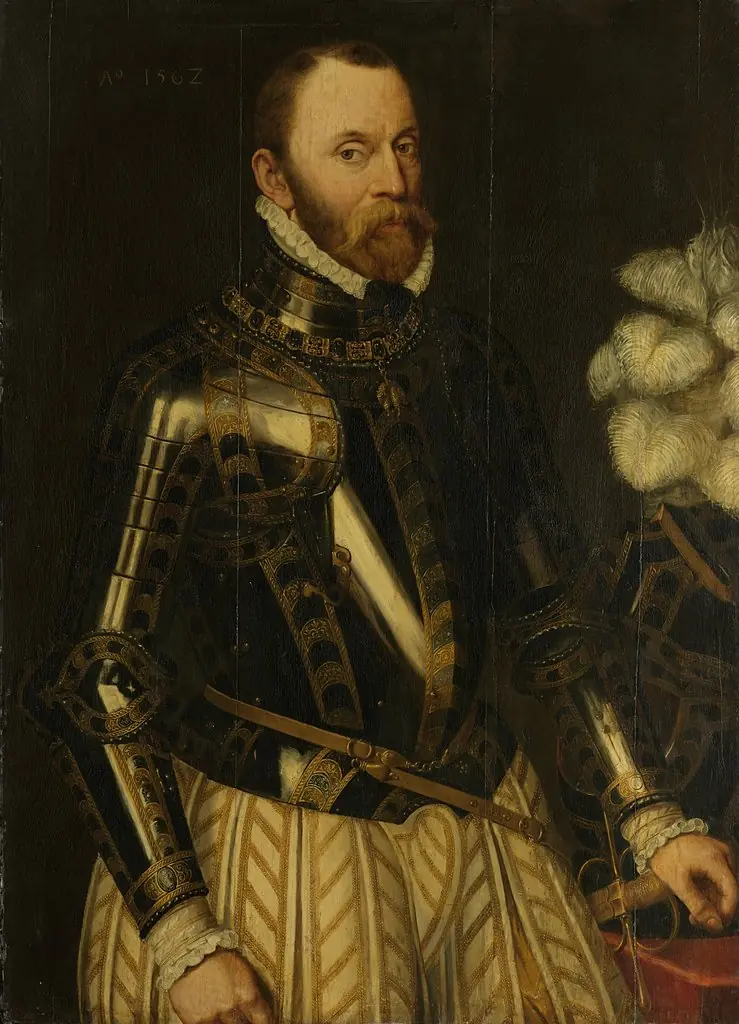 Philippe de Montmorency
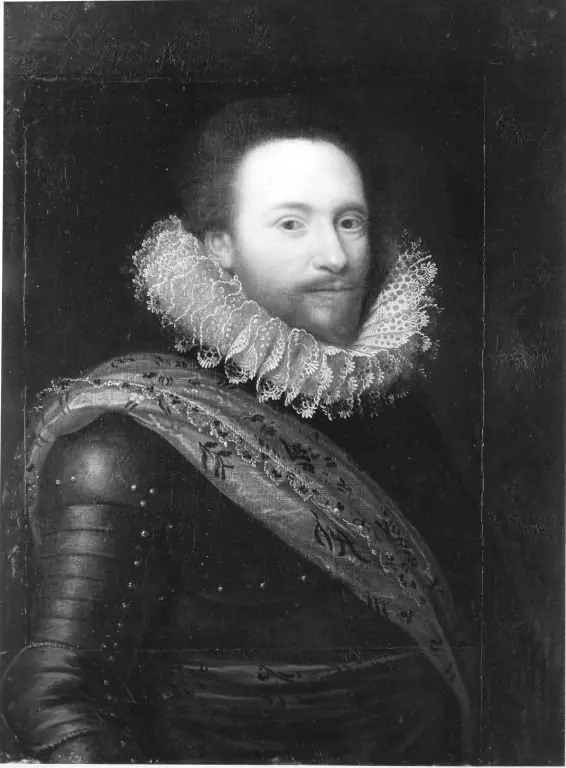 Männliches Bildnis (zugeschrieben)
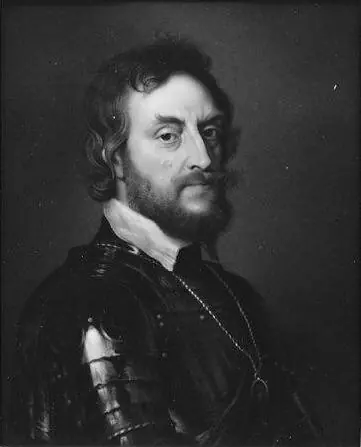 Thomas Howard (1585–1646), Second Earl of Arundel, after Rubens
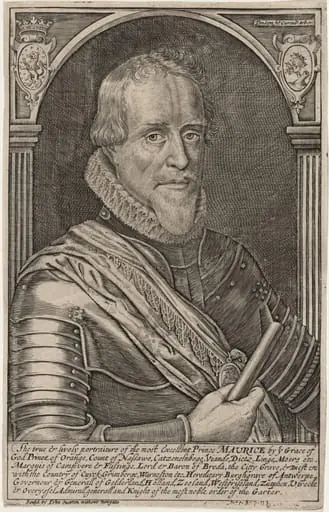 Maurice, Prince of Orange
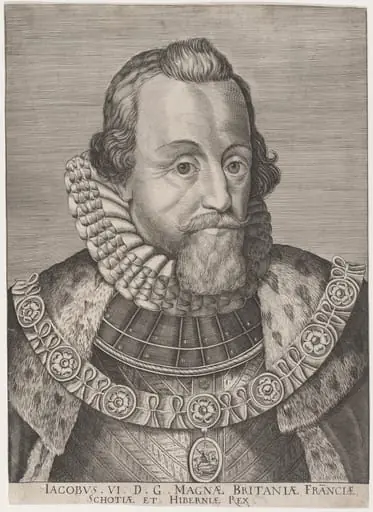 James I
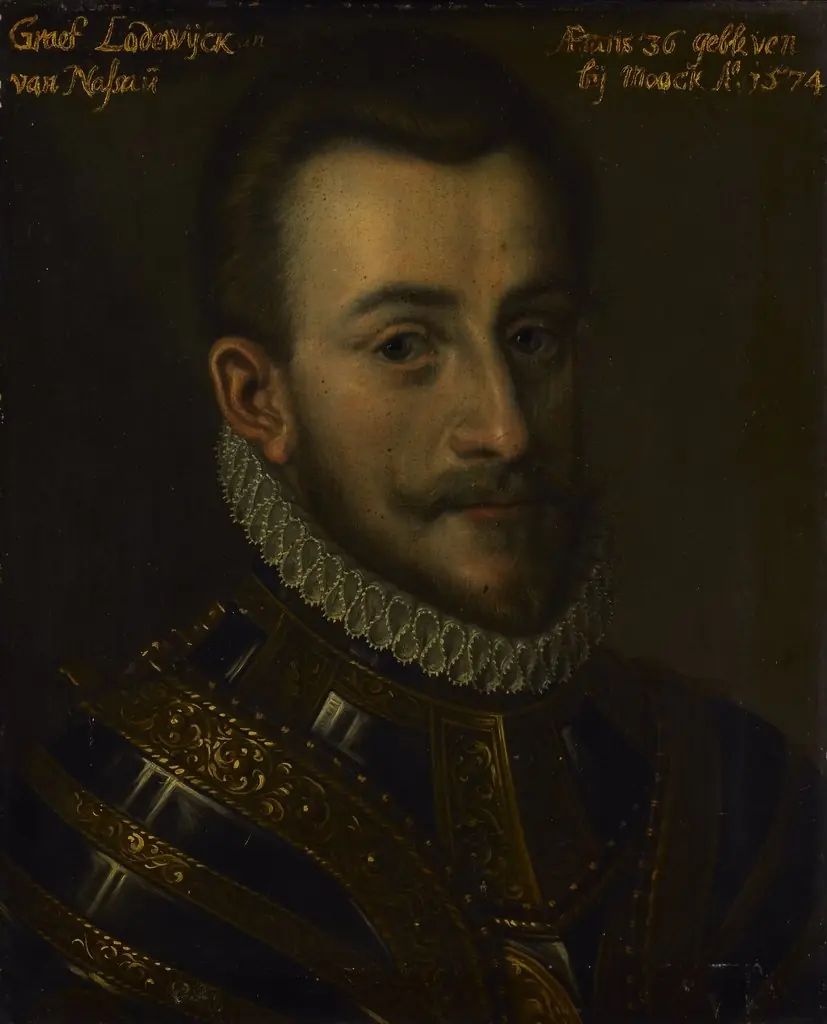 Portrait of Lodewijk (1538-74), Count of Nassau
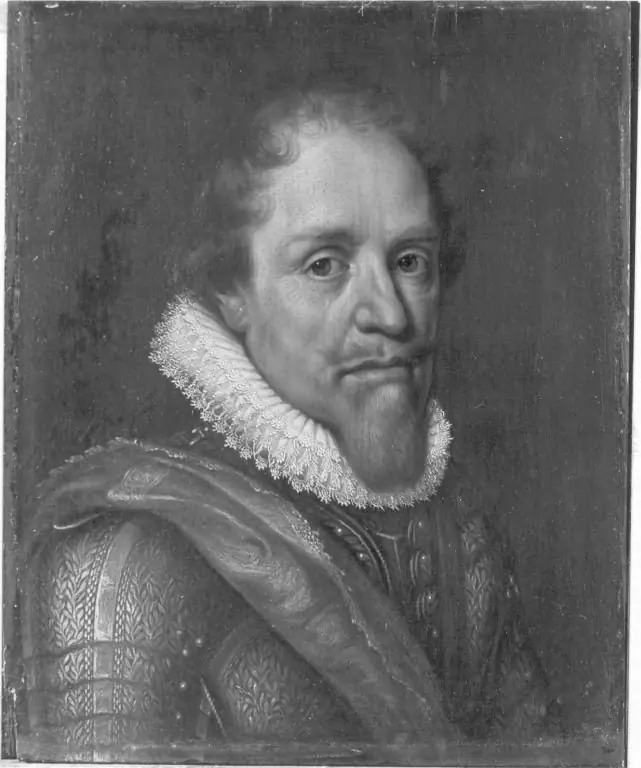 Bildnis des Maurits, Prins van Oranje (1567-1625)
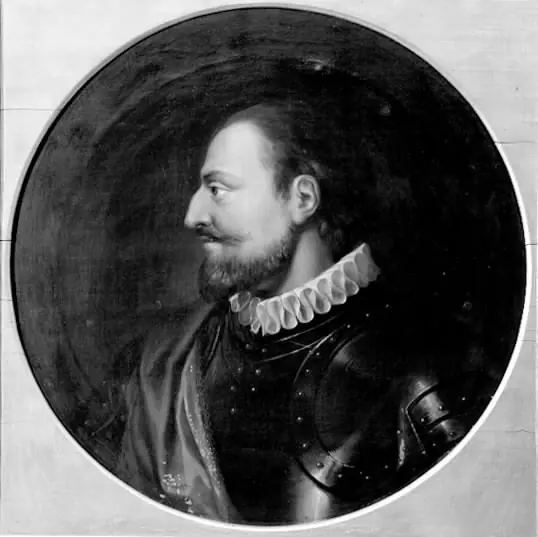 En ridder i harnisk
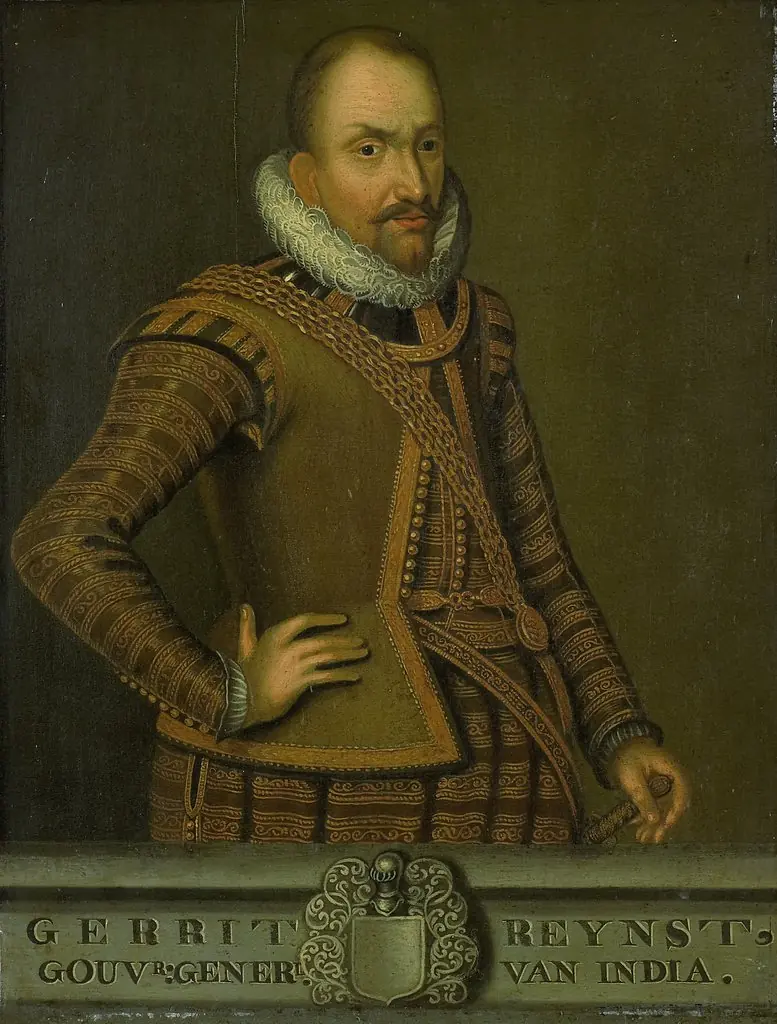 Portrait of Gerard Reynst, Governor-General of the Dutch East Indies
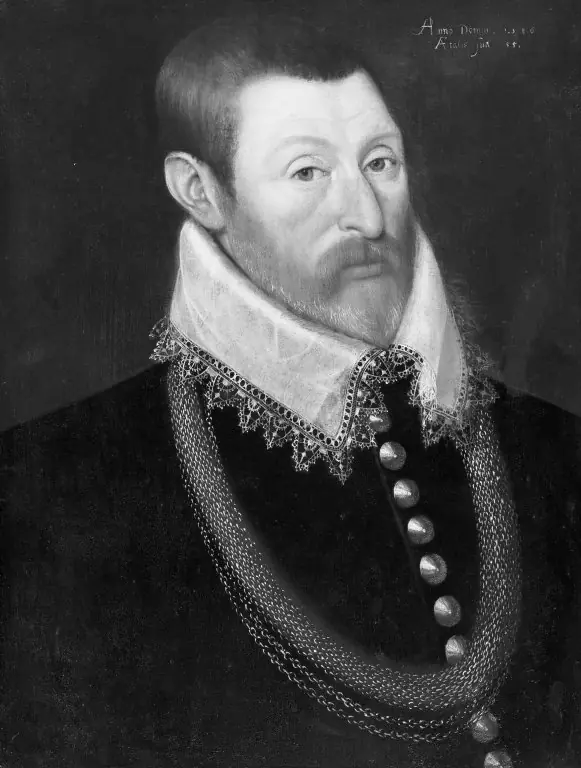 Portrait of an English Gentleman
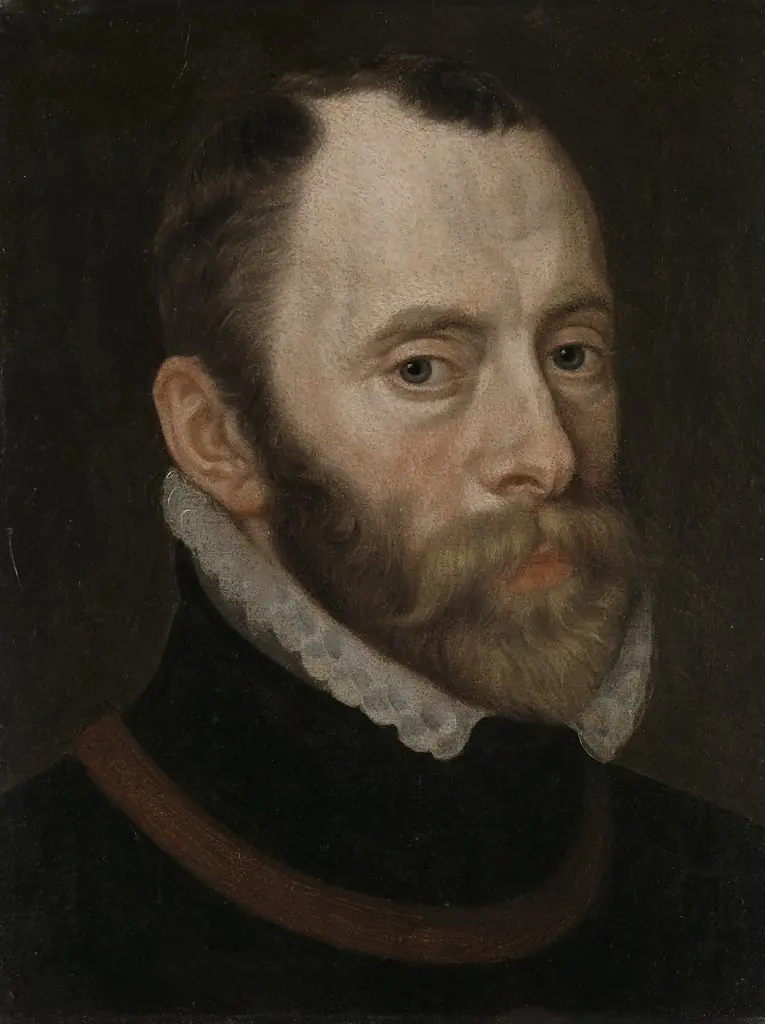 Portrait of Philippe de Montmorency, Count of Hoorne, Admiral of the Netherlands, Member of the Council of State
 Portrait of Emperor Charles V in armour