Artwork
James I
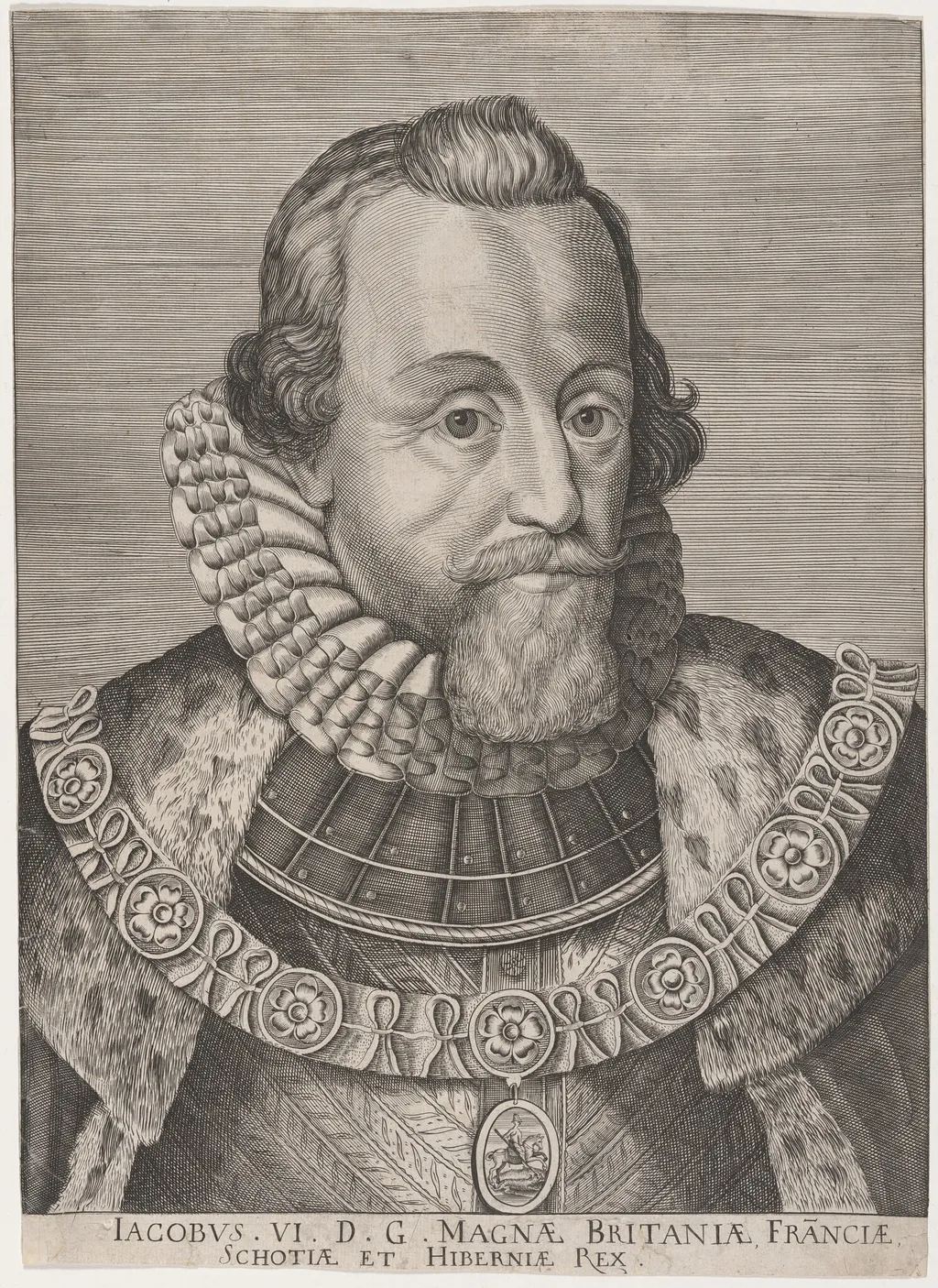
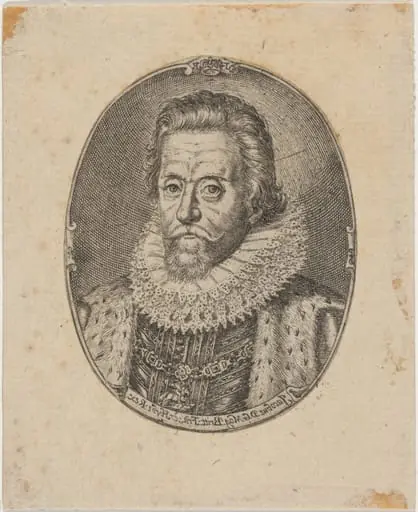
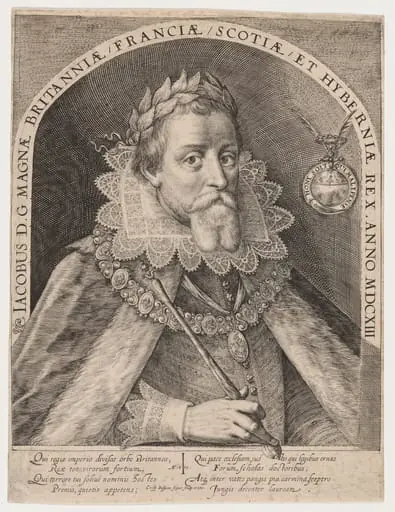
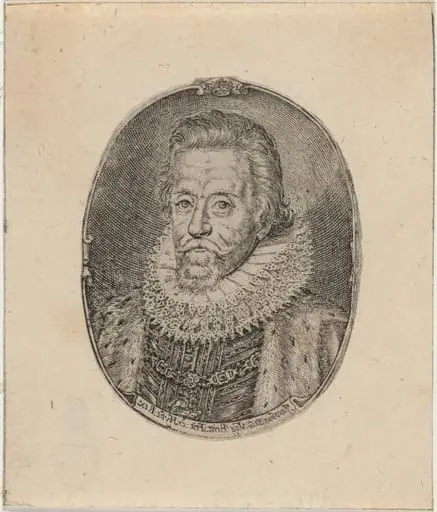
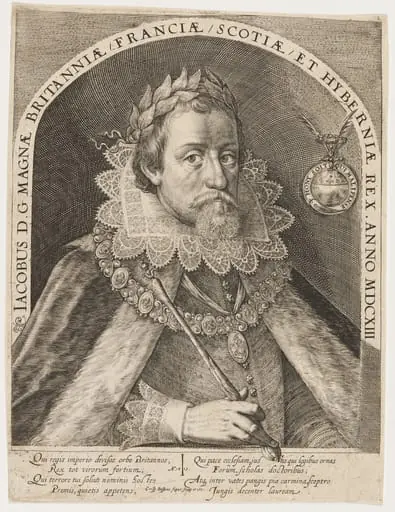
James I is an ink print by the Romanticist artist Unknown 19th Century. It dates from 1850 and is held in the collection of the National Gallery of Art.
About this work
Overview
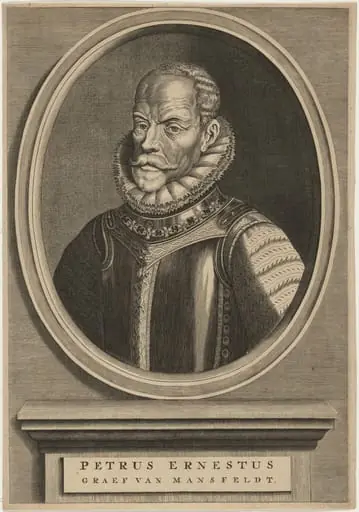
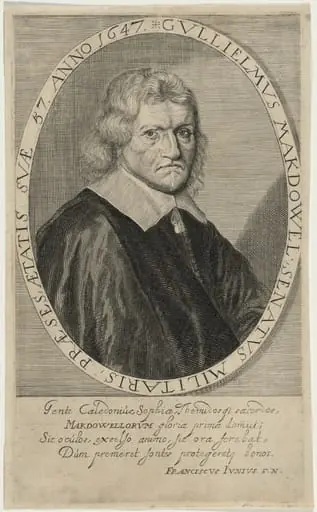
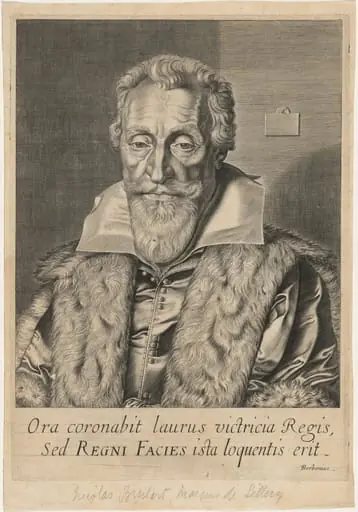
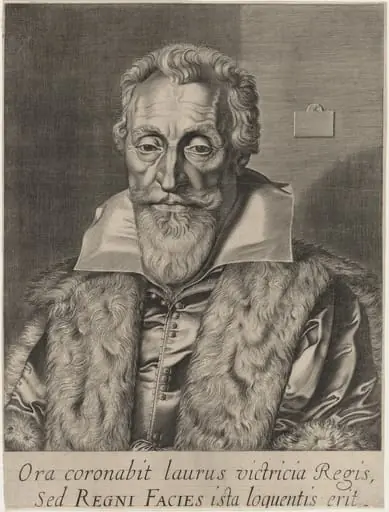
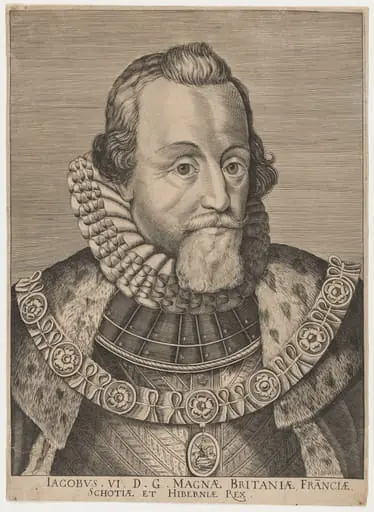
Rendered in fine linear detail, the portrait presents him in formal attire with a ruffled collar and ornate chain.
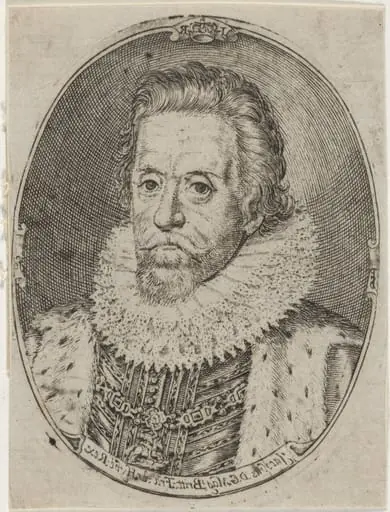
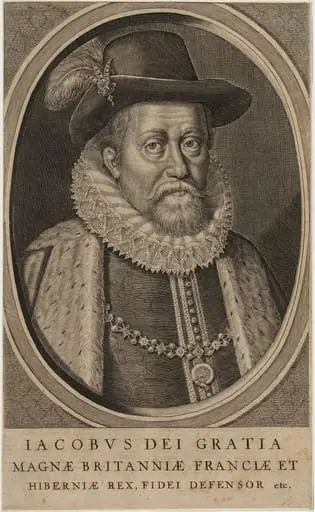
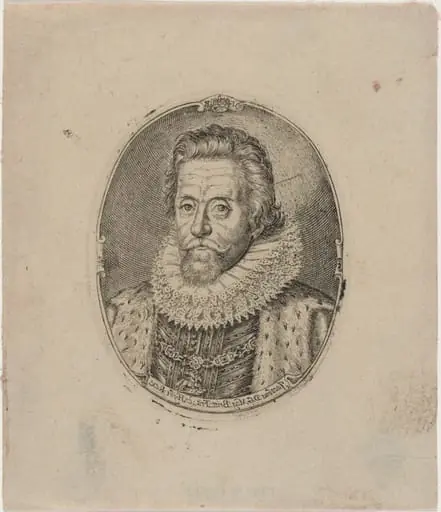
This black-and-white engraving depicts James I of England, also known as James VI of Scotland. Rendered in fine linear detail, the portrait presents him in formal attire with a ruffled collar and ornate chain. He holds a small spherical object in his left hand while his right rests on his chest. His name appears in Latin at the base, reflecting the scholarly conventions of the era. The work is a printed image, typical of early 17th-century portraiture meant for wide circulation.
Subject & Meaning
The portrait emphasizes James’s dual monarchy and intellectual authority. The globe in his left hand suggests sovereignty over territory and knowledge, while his hand over the heart implies sincerity or divine right. The elaborate collar and chain denote royal status and affiliation with chivalric orders. The Latin inscription aligns him with classical traditions, reinforcing legitimacy through learned culture rather than mere imagery.
Technique & Style
Executed in engraving, the image relies on precise incised lines and controlled hatching to model form and texture. Fine details in the hair, lace collar, and chain are rendered with meticulous gradations of tone. The absence of color focuses attention on structure and line, characteristic of Northern European printmaking traditions. The composition is formal and symmetrical, prioritizing dignity over dynamism.
History & Provenance
Created during James I’s reign, the engraving likely served to disseminate his image across England and Scotland following his accession to the English throne in 1603. Such prints were distributed to nobility, institutions, and foreign courts to affirm political presence. While the specific printer or date is unrecorded here, similar works were common in London and Amsterdam workshops of the period.
Context
In the early 1600s, engraved portraits were vital tools for royal propaganda, especially in an age before photography. James’s unification of the Scottish and English crowns made his image particularly significant. The Latin inscription reflects the continued prestige of classical languages in official contexts. This print aligns with broader European trends of using print to project monarchical authority to literate audiences.
Legacy
This engraving exemplifies how print technology enabled the standardization of royal imagery in the early modern period. Though not attributed to a famous artist, its craftsmanship reflects the skill of anonymous engravers who shaped public perception of monarchy. It remains a representative artifact of Stuart-era visual culture, illustrating the intersection of politics, print, and portraiture.
Artist & collection

Artist