Artwork
So Called Portrait of ?Amalia van Solms, Princess of Orange (1602-1675)
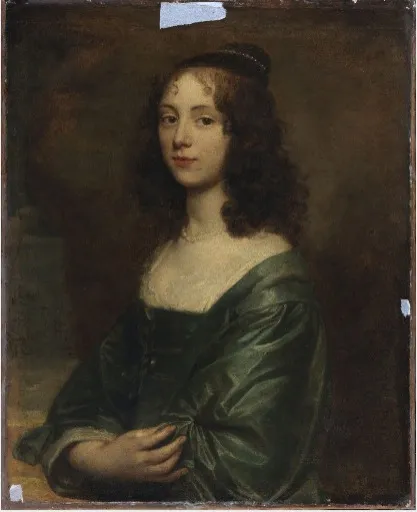
So Called Portrait of ?Amalia van Solms, Princess of Orange (1602-1675) is an oil painting by the Dutch Golden Age artist Unknown. It dates from 1637 and is held in the collection of the National Gallery of Ireland. This oil painting depicts a woman believed to be Amalia van Solms, Princess of Orange, rendered with quiet dignity.
About this work
Overview
The composition centers on her figure against a dark, unadorned background, emphasizing her presence through subtle lighting and detailed textile rendering.
This oil painting depicts a woman believed to be Amalia van Solms, Princess of Orange, rendered with quiet dignity. The composition centers on her figure against a dark, unadorned background, emphasizing her presence through subtle lighting and detailed textile rendering. Her posture is restrained, hands gently clasped, and her expression is composed, suggesting nobility and introspection rather than theatrical display.
Subject & Meaning
The sitter is traditionally identified as Amalia van Solms, a prominent noblewoman known for her political influence and cultural patronage. Her attire and demeanor reflect the restrained elegance of early 17th-century Dutch aristocracy. The calm gaze and modest gesture convey inner strength and decorum, aligning with ideals of female virtue and composure expected of elite women of the time.
Technique & Style
The artist employs chiaroscuro to model the face and hands, using soft gradations of light to define form against the deep shadow. The fabric of the dress is rendered with fine brushwork, capturing the texture of silk or velvet and the delicate folds of lace at the collar and cuffs. The background remains flat and unobtrusive, ensuring visual focus remains on the subject’s features and attire.
History & Provenance
The painting’s attribution to Amalia van Solms is based on stylistic parallels and historical records, though definitive documentation is lacking. It likely originated in the Dutch Republic during the 1630s or 1640s, possibly commissioned by her household. Ownership history traces through private collections in the Netherlands before entering public institutional care in the 20th century.
Context
Created during the Dutch Golden Age, this portrait reflects the growing demand for individualized likenesses among the urban elite. Unlike courtly portraits elsewhere in Europe, Dutch aristocratic imagery favored understated realism and moral seriousness. The absence of symbolic objects or grand settings underscores a preference for personal presence over heraldic display.
Legacy
Though not widely exhibited, the painting contributes to the broader understanding of female portraiture in the Dutch Republic. It exemplifies how aristocratic women were visually framed not as symbols of power, but as embodiments of refined character. Its quiet intensity continues to inform scholarly discussions on identity, gender, and representation in early modern visual culture.
Artist & collection

 Domestic Scene
 Giacomo and Cardinal Marco, investing Andrea, Abbot of San Zeno, with his Benefice
 The Nymph of Fontainebleau
 Portrait of a Woman
 Madonna and Child with Saints in the Enclosed Garden
 Venus and Minerva
 Family Group of Four on Sofa
 Wall painting from Room H of the Villa of P. Fannius Synistor at Boscoreale
 Elizabeth Dering, Lady Darell
 Portret van een vrouw
 Portrait of a Woman with Sunflowers
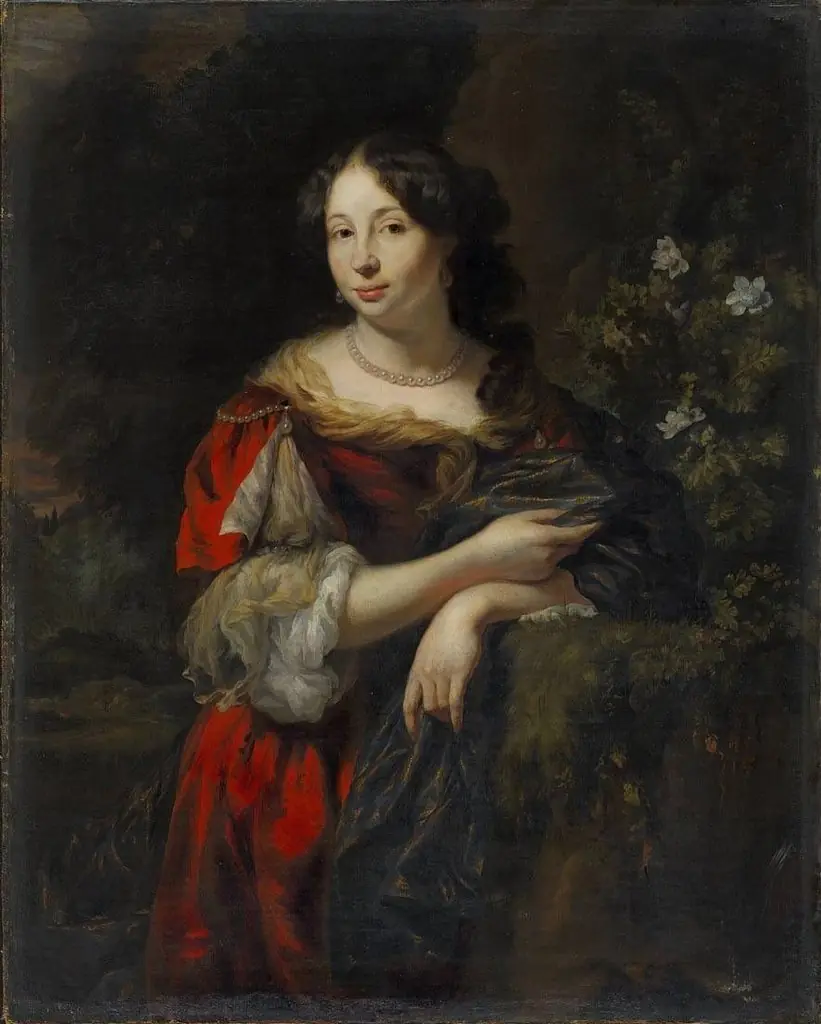 Portrait of a Young Lady in a Garden
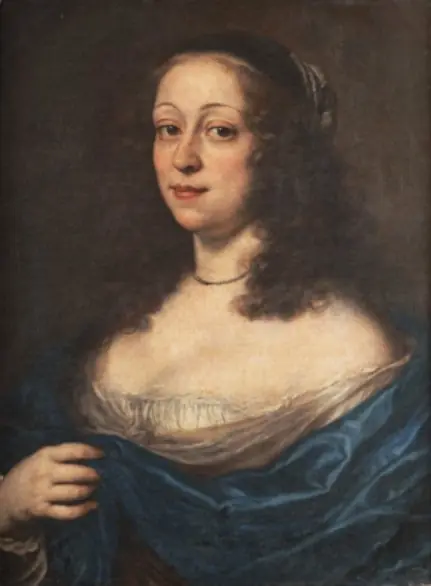 Portrait of Vittoria della Rovere, Grand Duchess of Tuscany
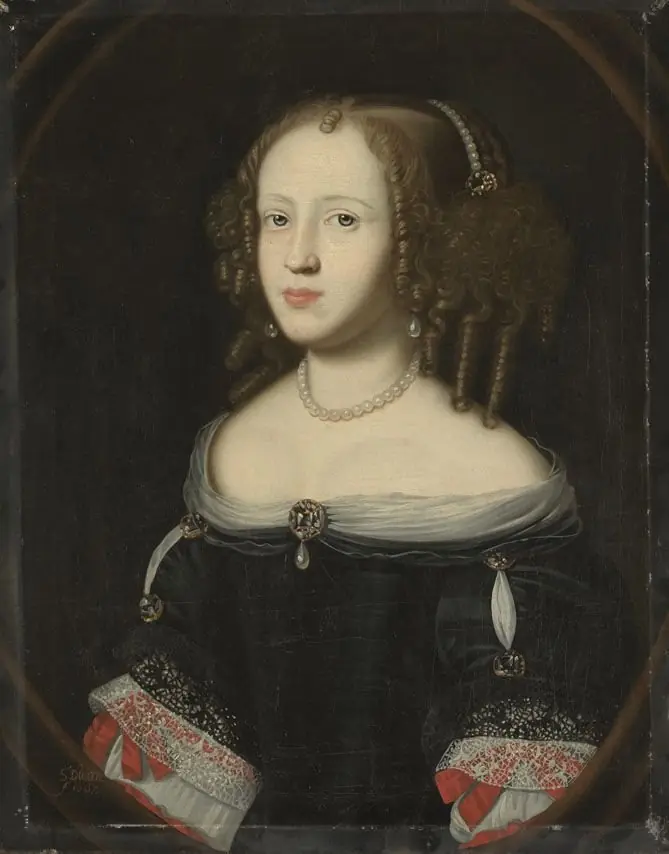 Maria Elisabeth von Schleswig-Holstein-Gottorf (?)
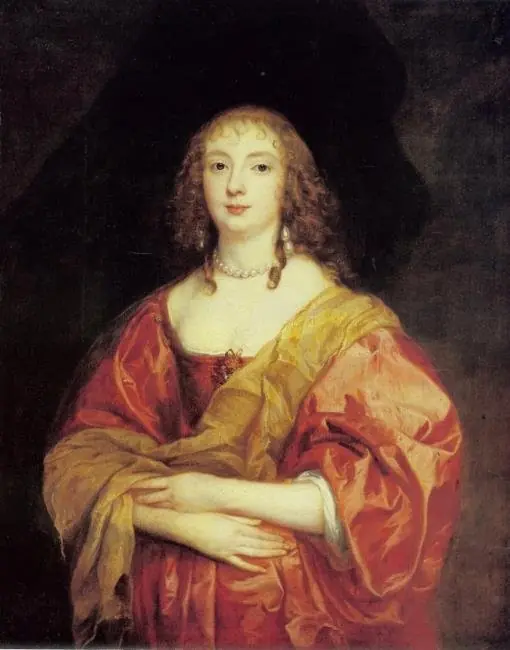 Portrait of Anne Carr, Lady Russell, Countess of Bedford (1615-1684), ca. 1639
 Portrait of Mrs. Leneve
 Portrait of a Woman
 Portrait of a Lady