Artwork
Madonna with two Angels Adoring the Christ Child in a landscape
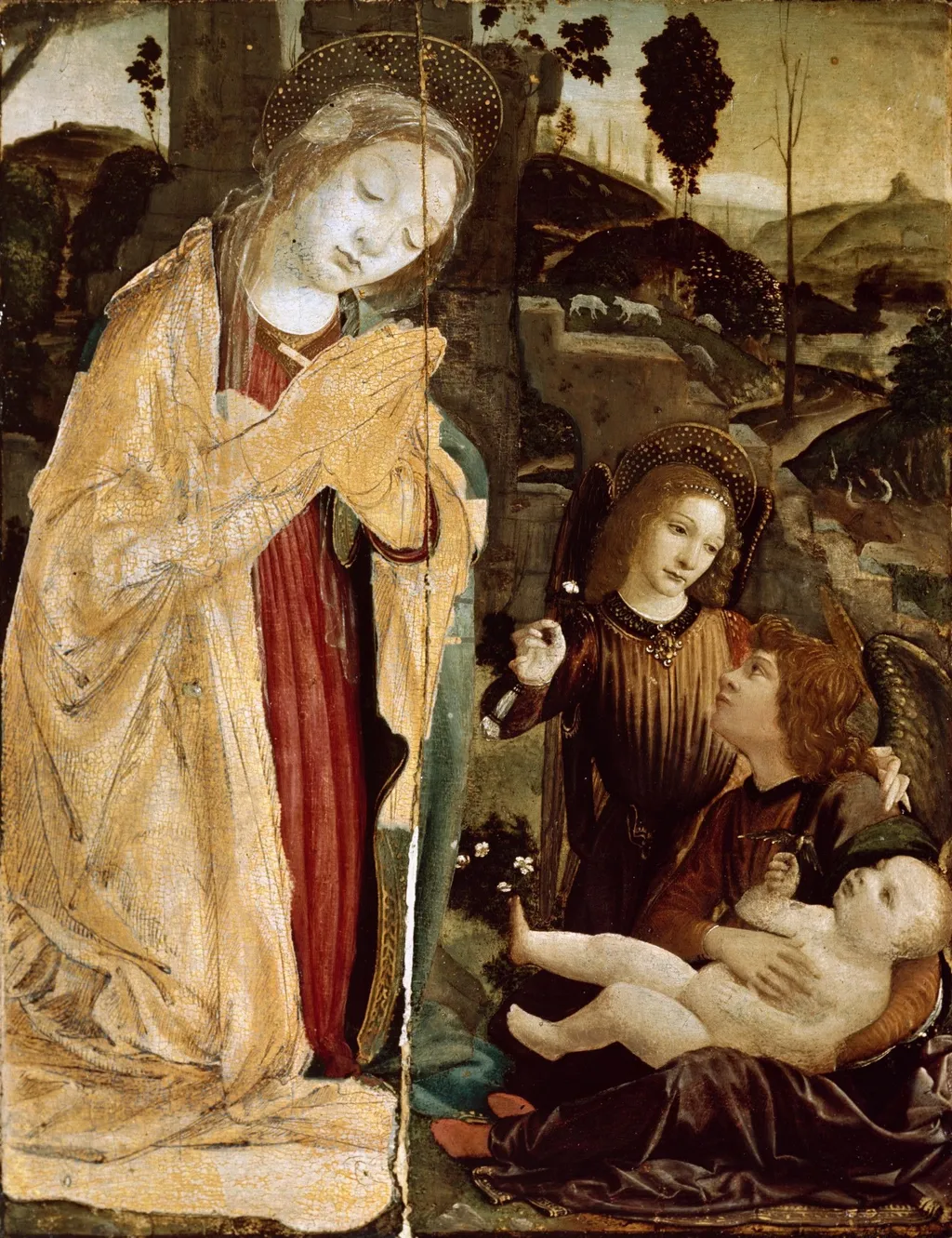
Madonna with two Angels Adoring the Christ Child in a landscape is a tempera painting by the Early Renaissance artist Andrea del Verrocchio. It dates from 1473 and is held in the collection of the Detroit Institute of Arts.
About this work
Overview
This tempera painting, completed in 1473 by the Floreteenth-century artist Andrea del Verrocchio, presents a devotional scene set within a natural environment.
This tempera painting, completed in 1473 by the Floreteenth-century artist Andrea del Verrocchio, presents a devotional scene set within a natural environment. Verrocchio maintained a significant workshop in Florence where he trained numerous artists, most notably Leonardo da Vinci. His practice encompassed sculpture, painting, and goldsmithing, with this work representing his contribution to early Renaissance panel painting.
Subject & Meaning
The composition centers on the Virgin Mary, identifiable by her halo, who stands at the left wearing a long gold robe over a red garment. She gazes toward a seated haloed woman—also understood as the Madonna in a different aspect—who cradles the Christ Child wrapped in cloth. Two angels accompany the holy figures, completing the sacred grouping. The arrangement emphasizes adoration and maternal care, common themes in Quattrocento religious imagery.
Technique & Style
The artist employed tempera, a medium created by binding pigment with egg yolk, which produces a matte, precise surface. The paint application appears relatively flat, with visible age cracks across the panel. The figures occupy the foreground while a rocky hillside and trees recede into the distance, demonstrating the developing Renaissance interest in spatial depth and naturalistic settings. The subdued color palette and careful linear detail reflect Verrocchio's sculptural training.
History & Provenance
Verrocchio produced this work during the mid-to-late 15th century, a period of intense artistic innovation in Florence. His workshop served as a crucial training ground for younger artists, transmitting technical and compositional knowledge that shaped the next generation. The painting's current condition, with its faded tones and cracked surface, documents its material history across more than five centuries.
Artist & collection
Artist
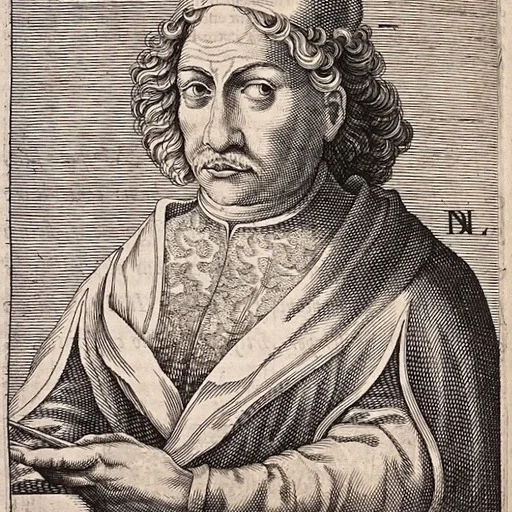
Andrea del Verrocchio ( və-ROH-kee-oh, US also -RAW-, Italian: ; born Andrea di Michele di Francesco de' Cioni; c.

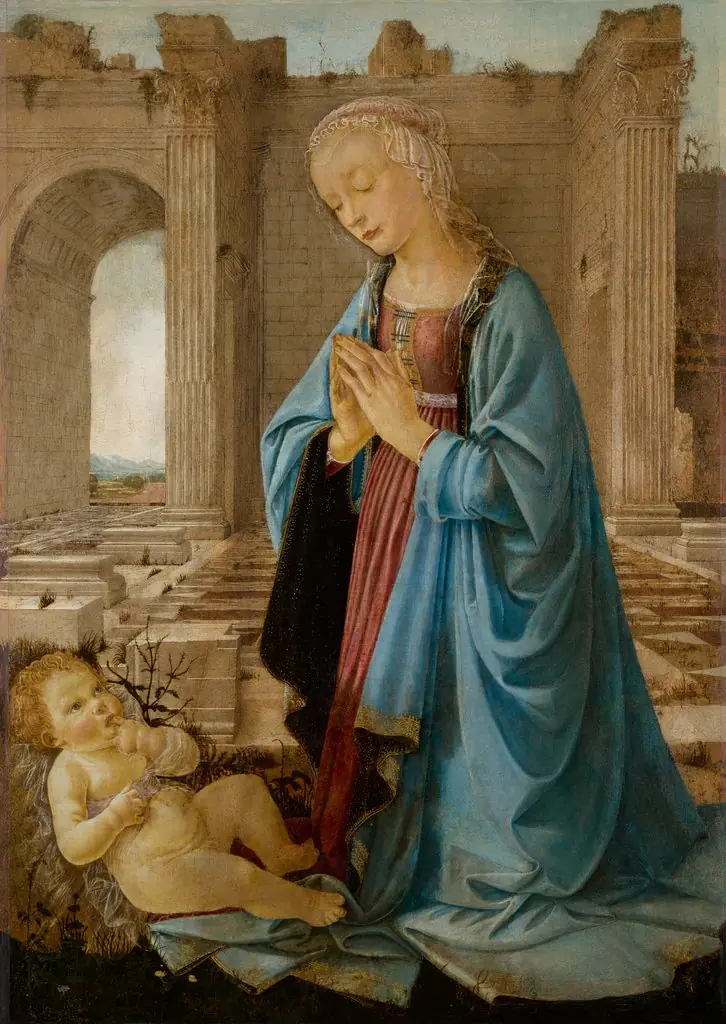
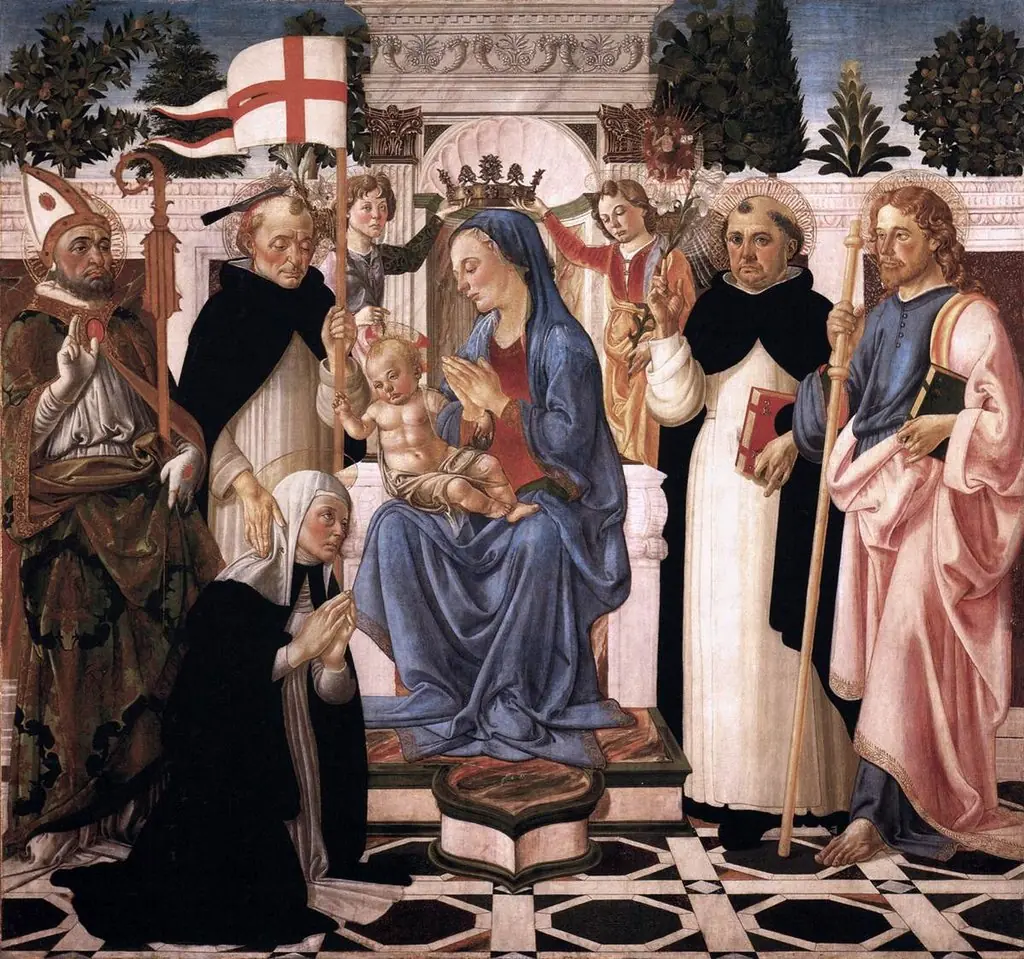
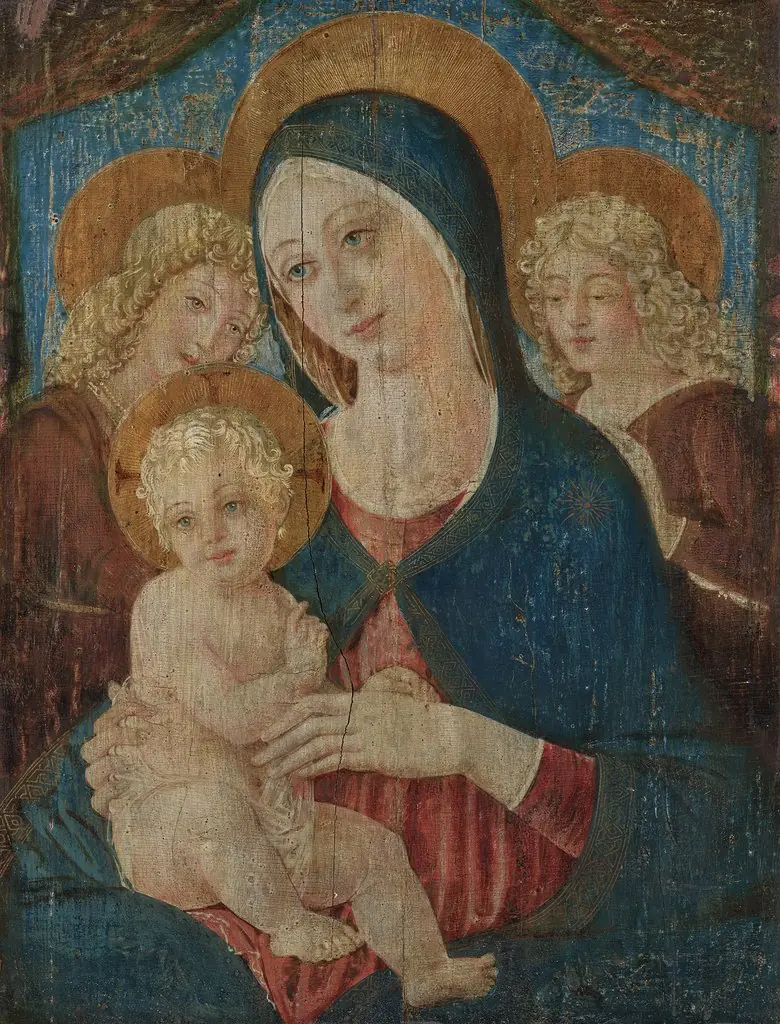 The Virgin and Child with two Angels
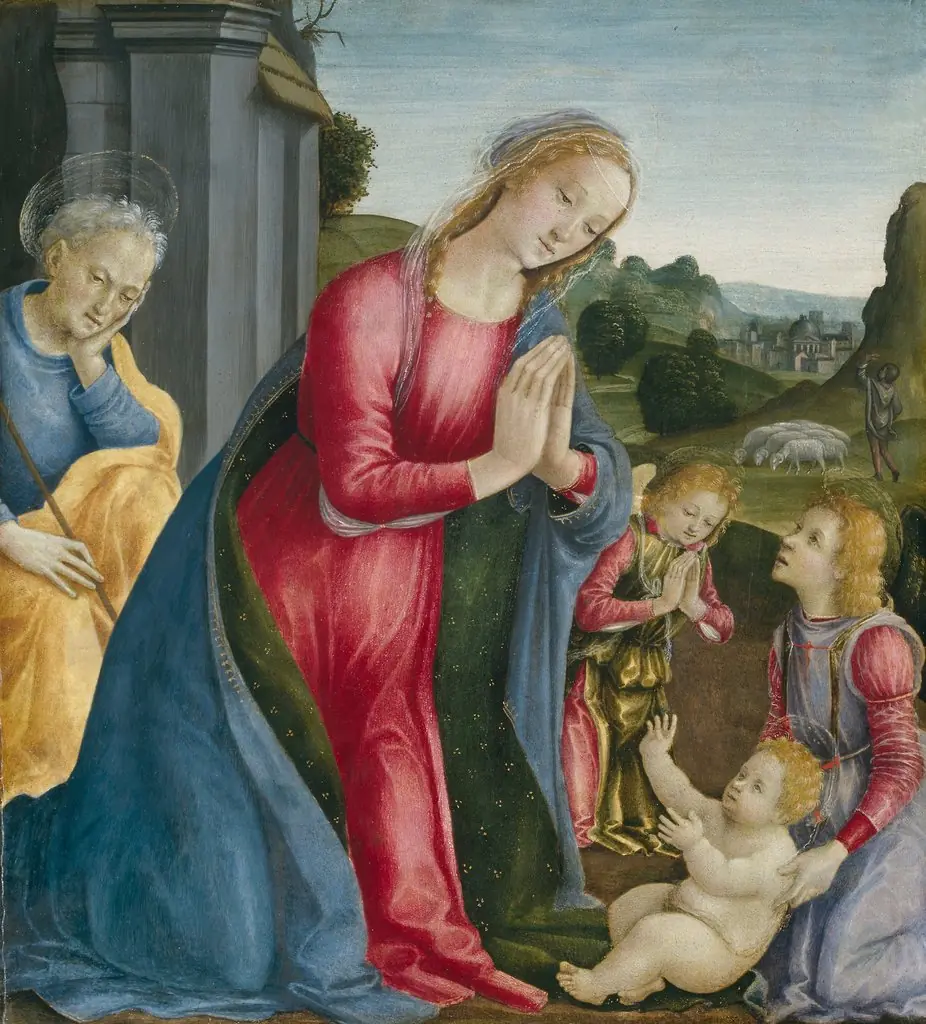 The Adoration of the Christ Child
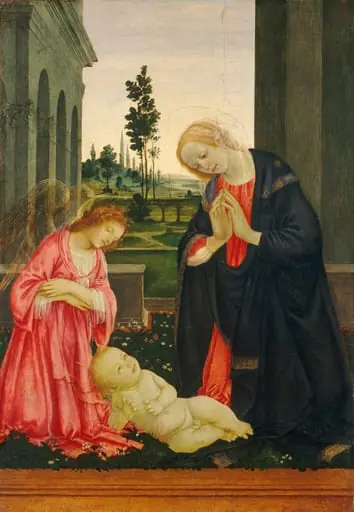 The Adoration of the Child
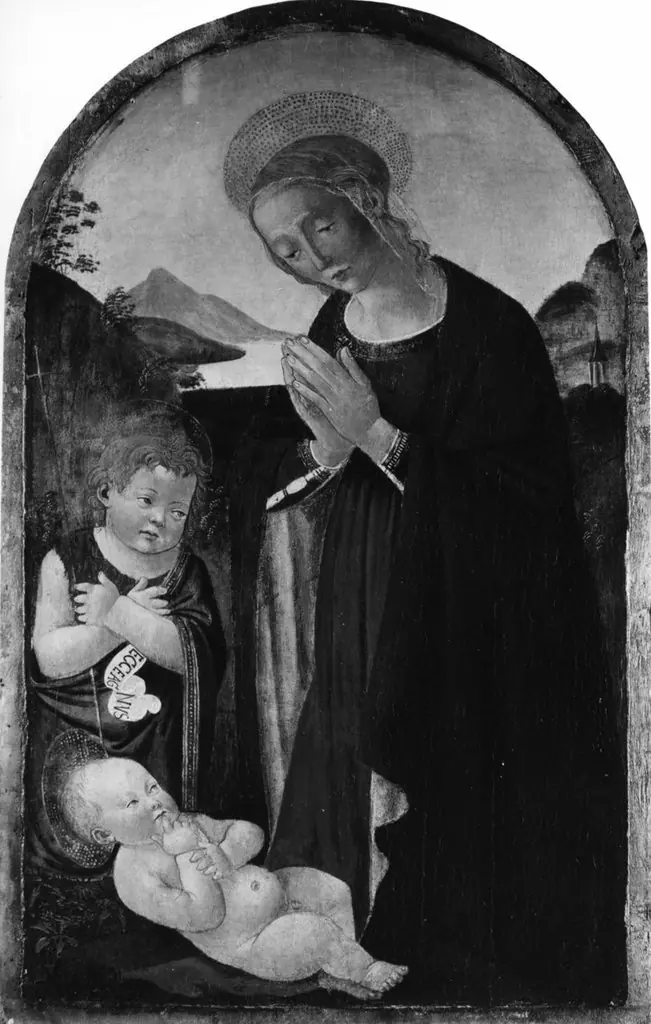 Mary, John and Christ as a Child
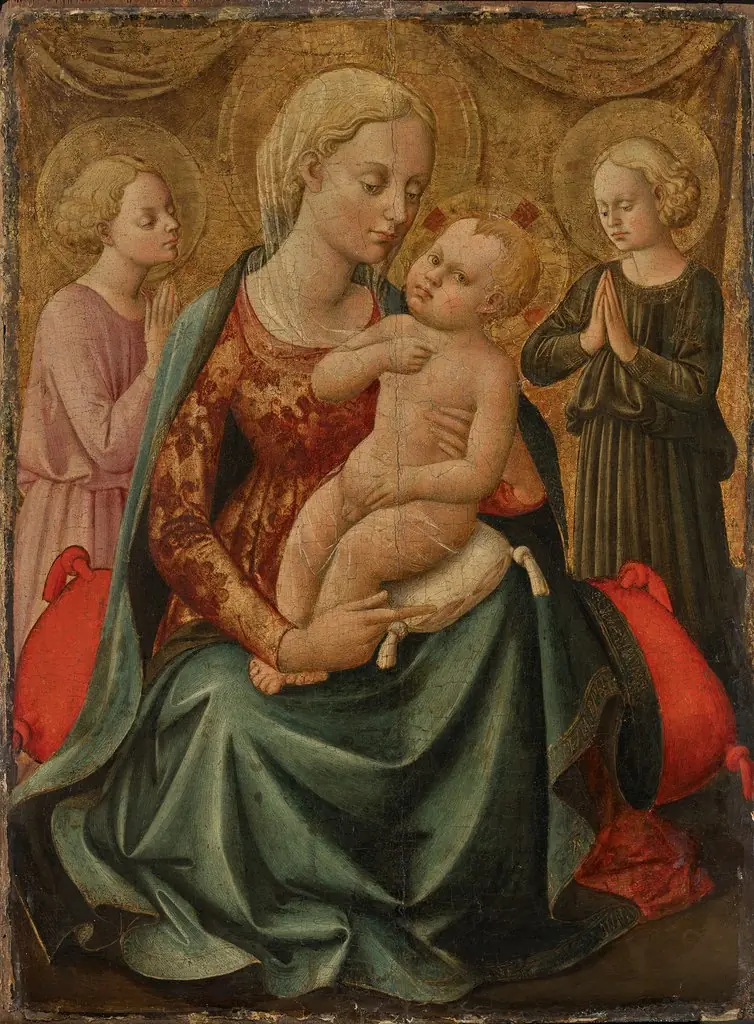 Madonna and Child
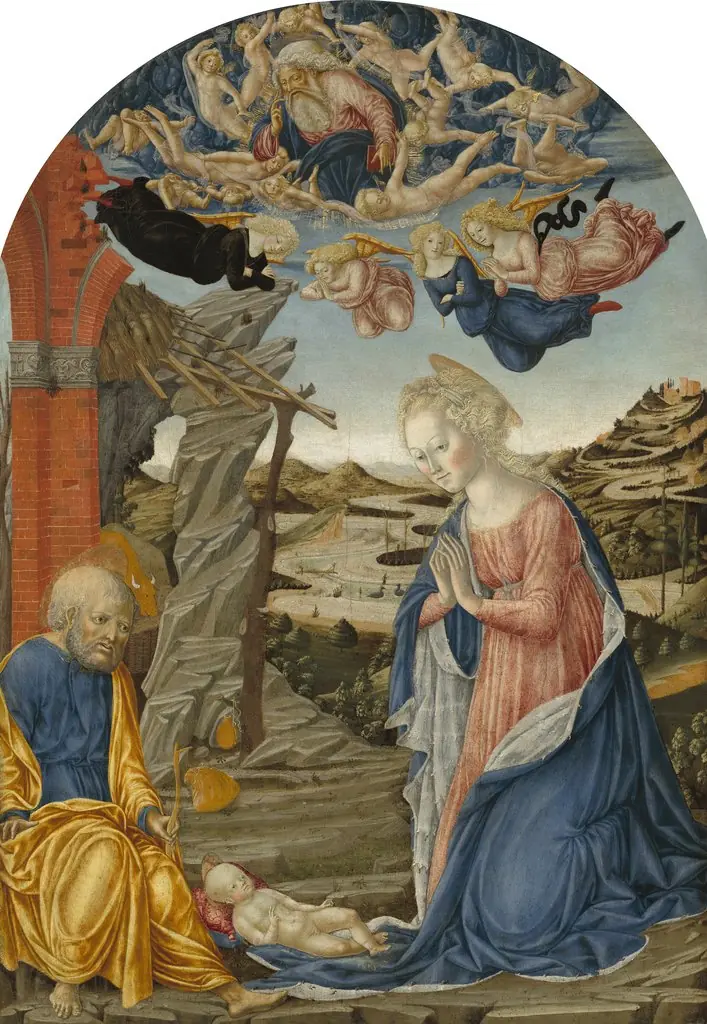 The Nativity
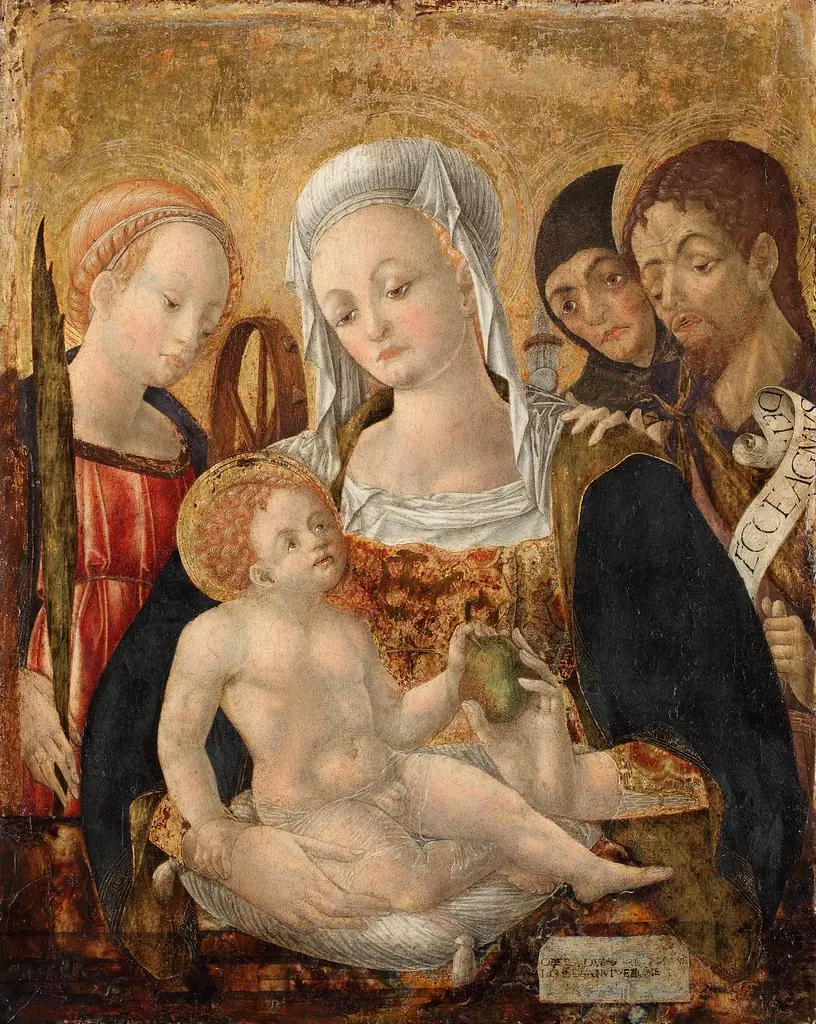 The Virgin and Child with Sts. Catherine of Alexandria, Clara and John the Baptist
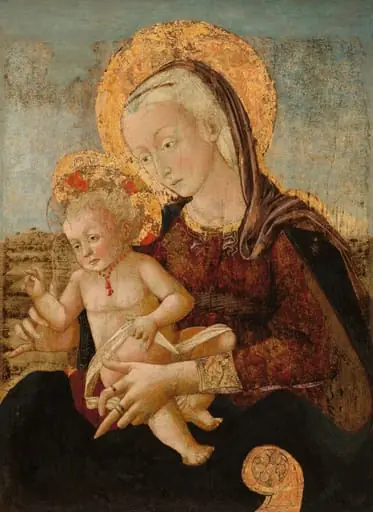 Madonna and Child
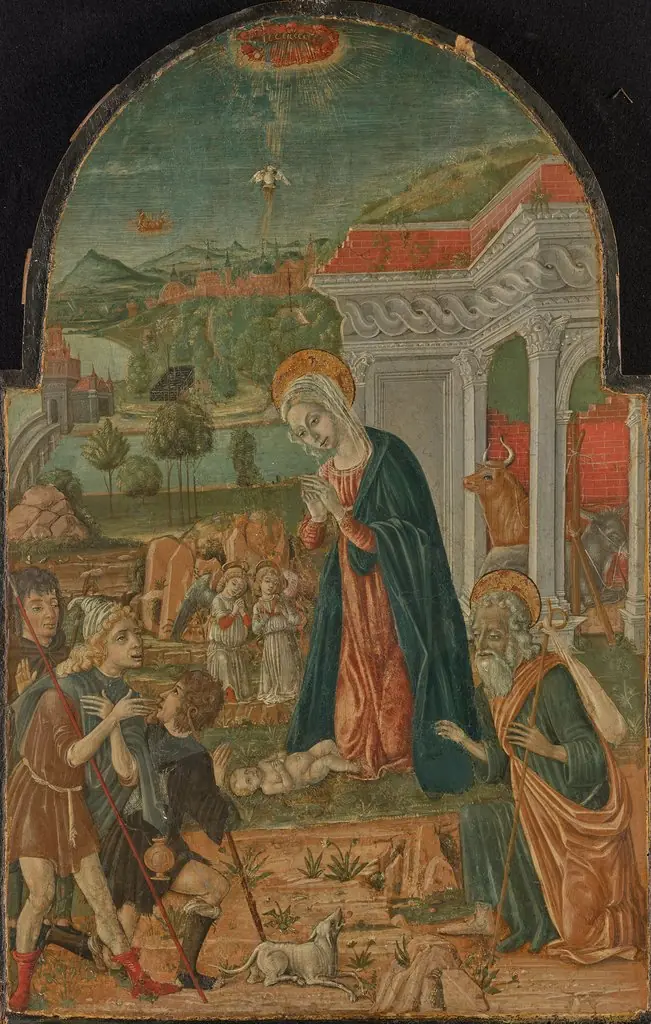 The adoration of the Shepherds
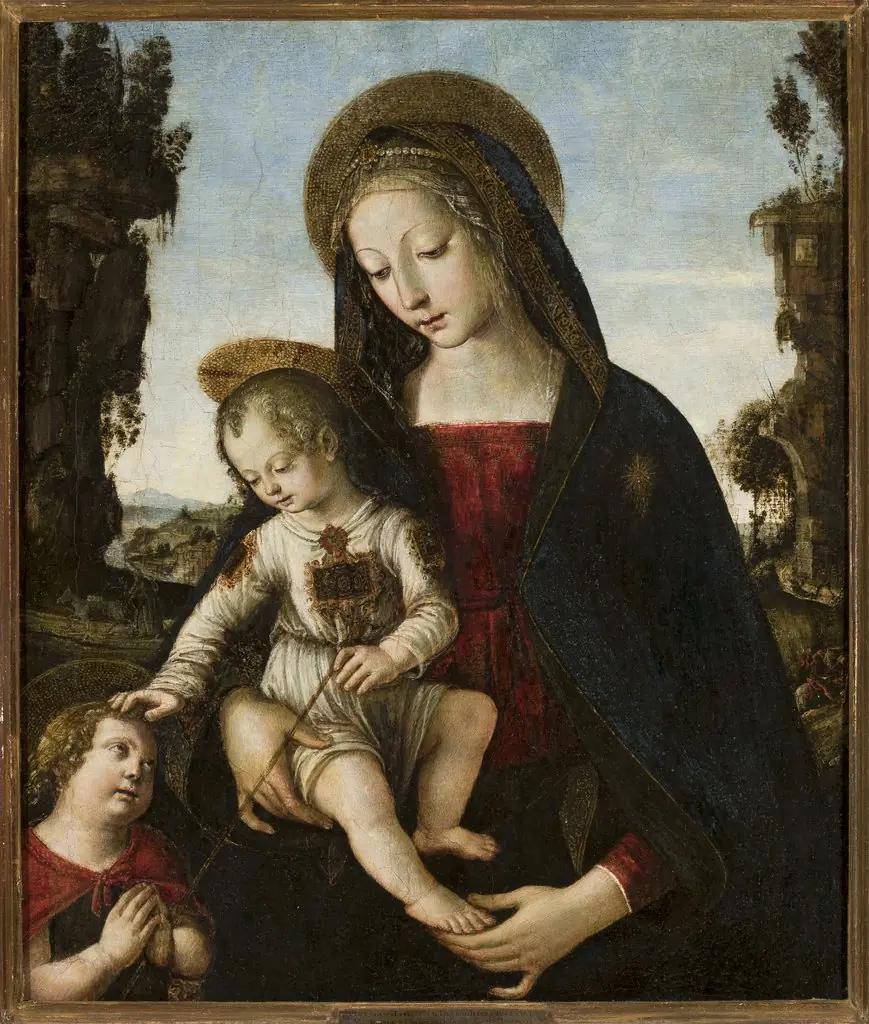 Madonna with Child Jesus and St. John