Artwork
Incredulity of St. Thomas
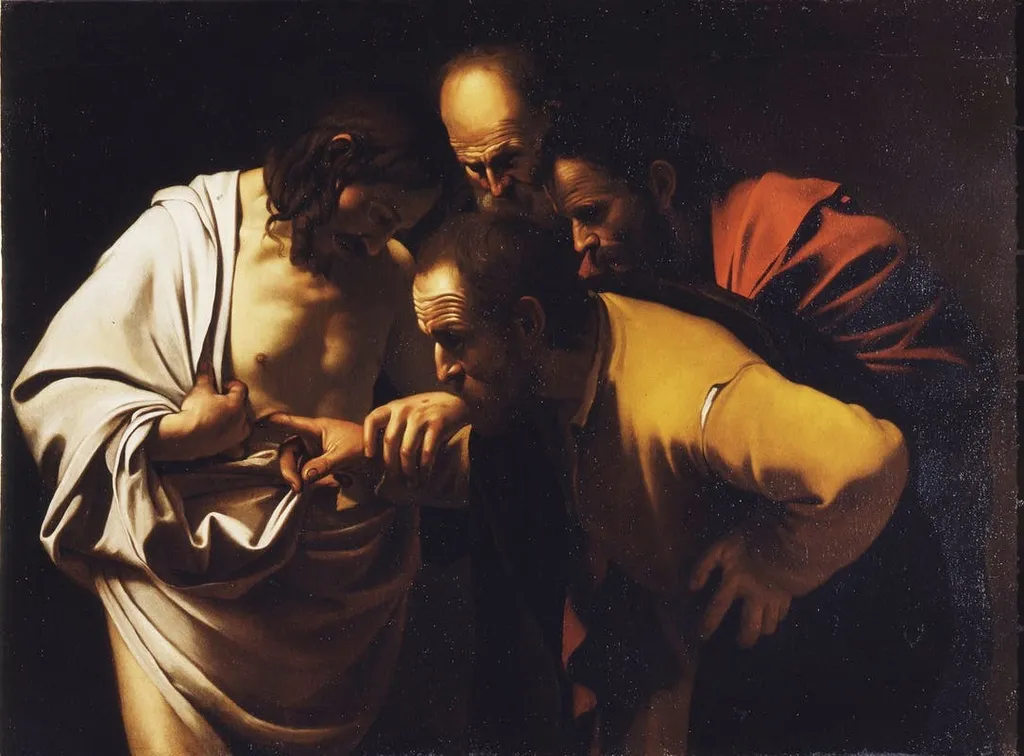
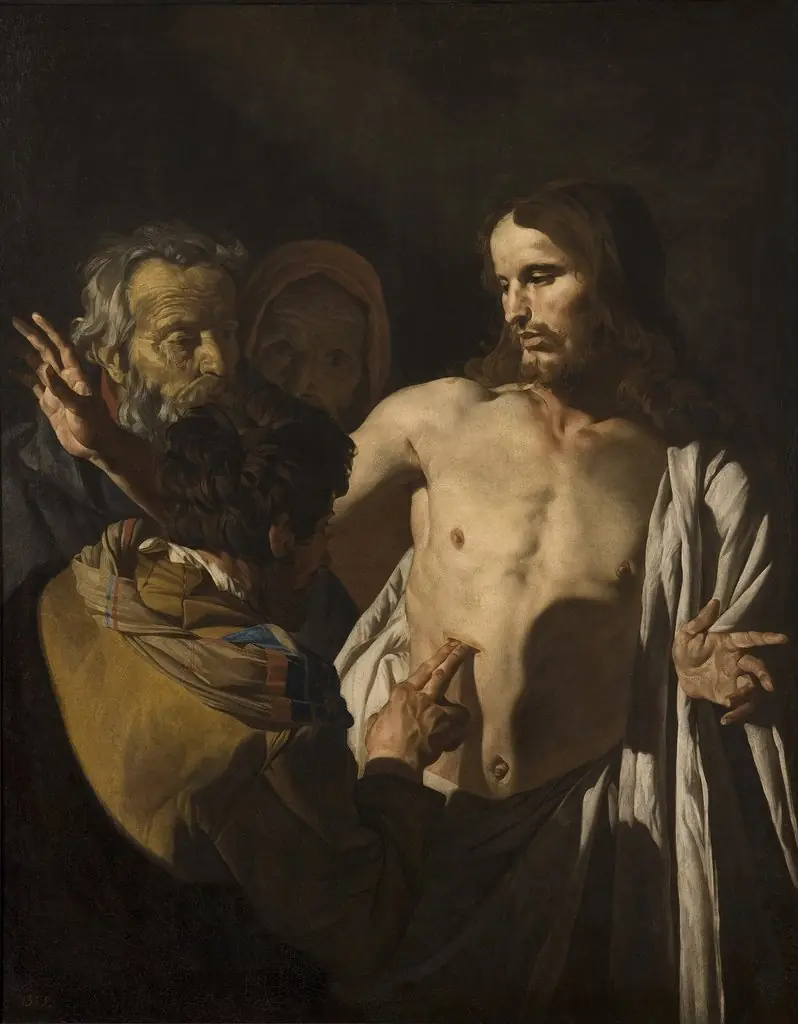
Incredulity of St. Thomas is an oil painting by the Early Baroque Italian artist Unknown. It dates from 1615 and is held in the collection of the Uffizi Gallery. Incredulity of St.
About this work
Overview
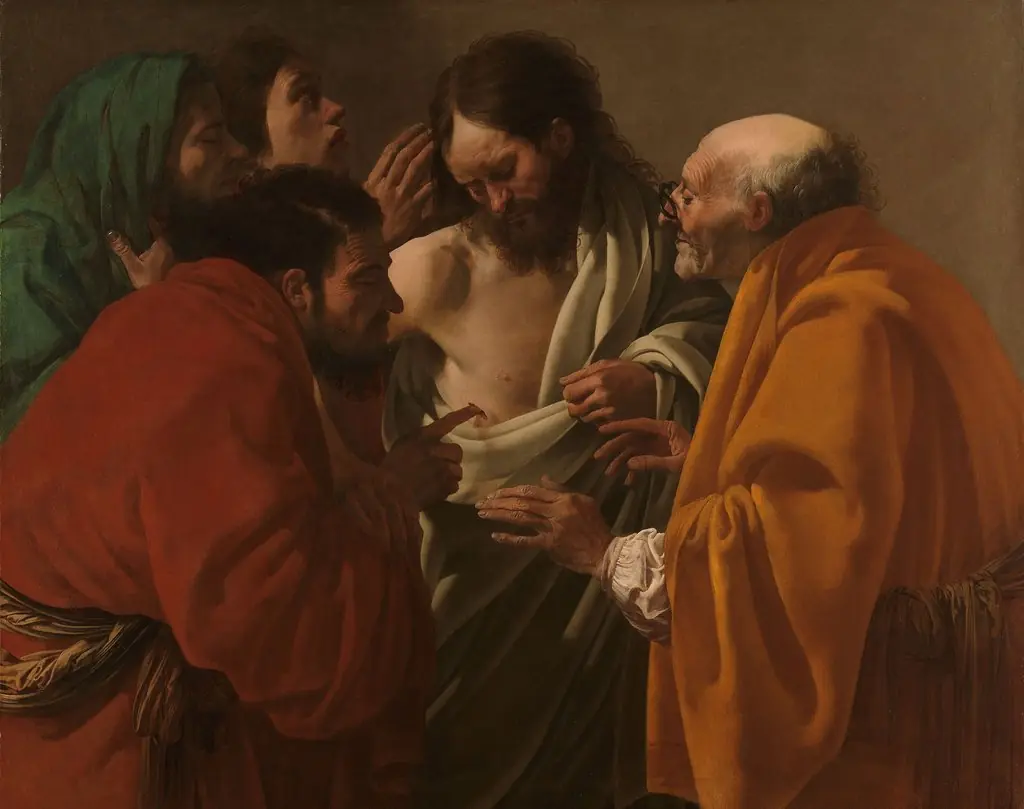
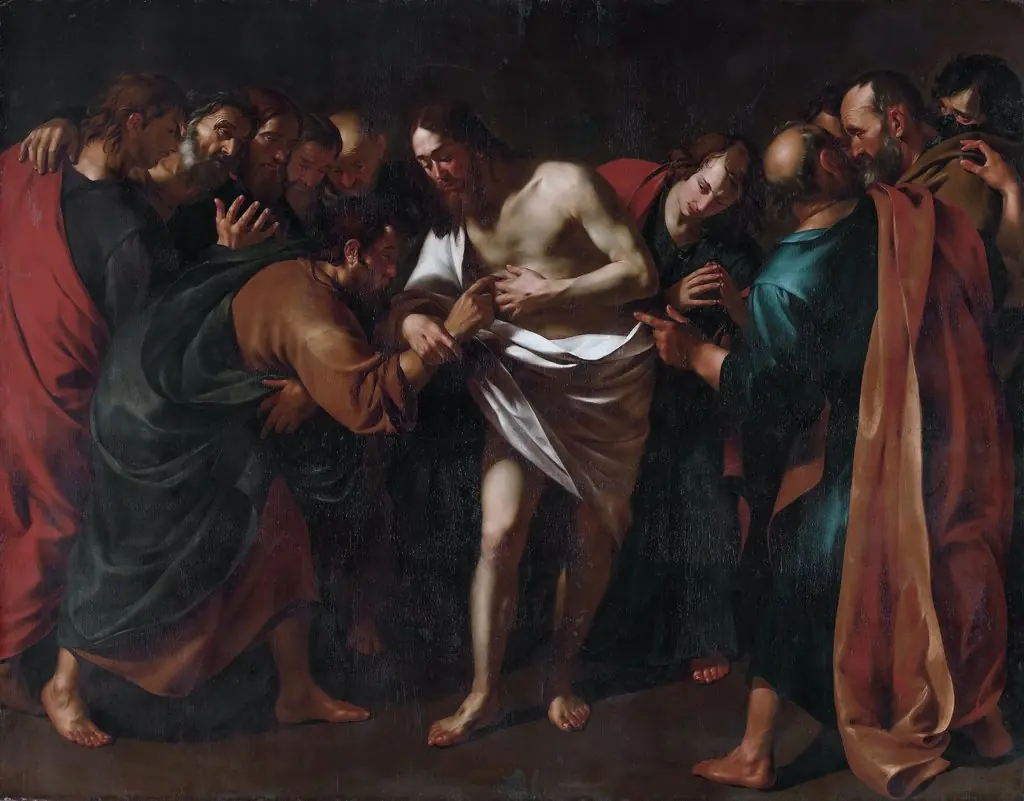
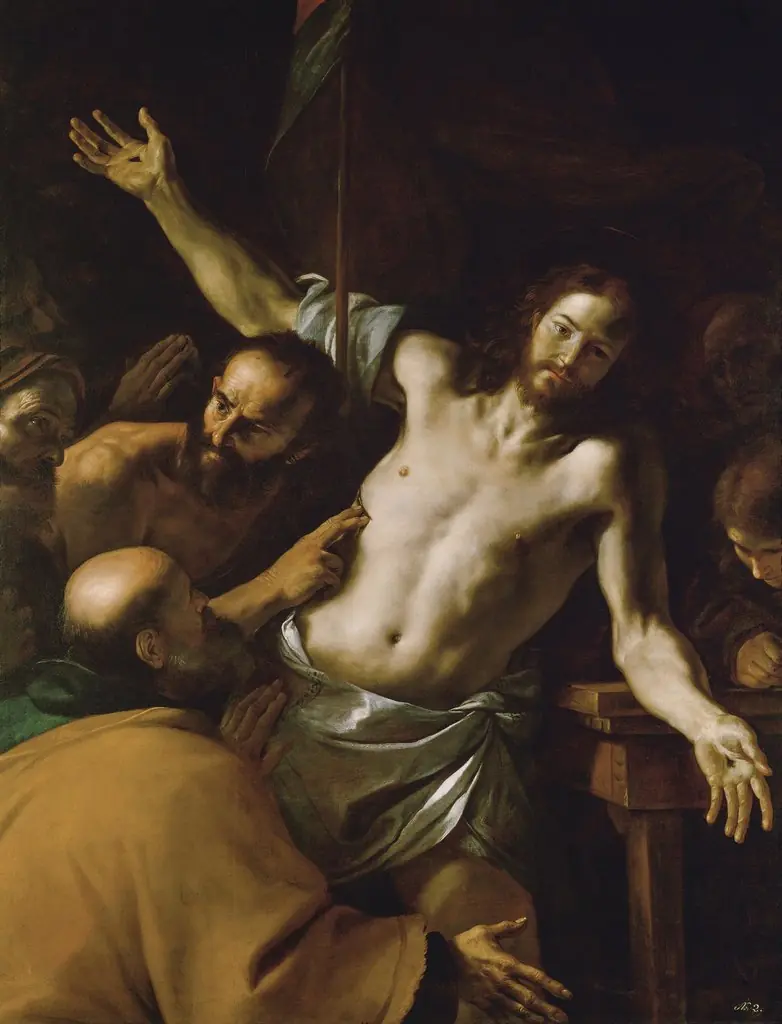
Incredulity of St. Thomas is an oil painting that depicts a small, dimly lit interior scene with four male figures. The composition centers on a man in a white robe whose side is exposed, revealing a wound that draws the attention of the surrounding characters.
Subject & Meaning
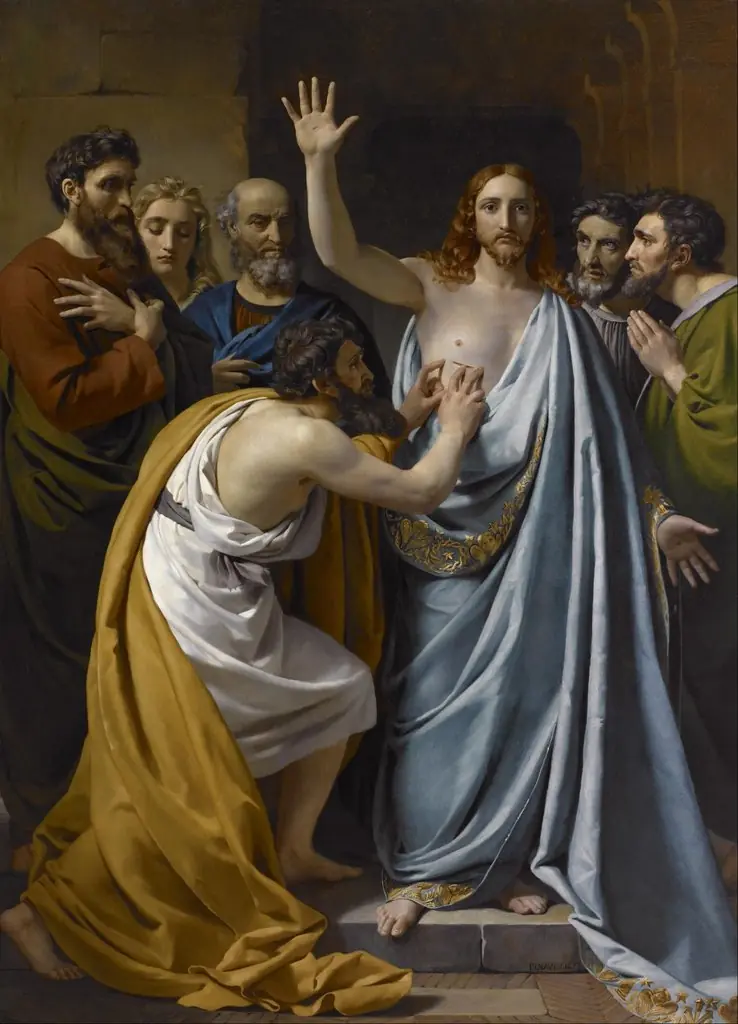
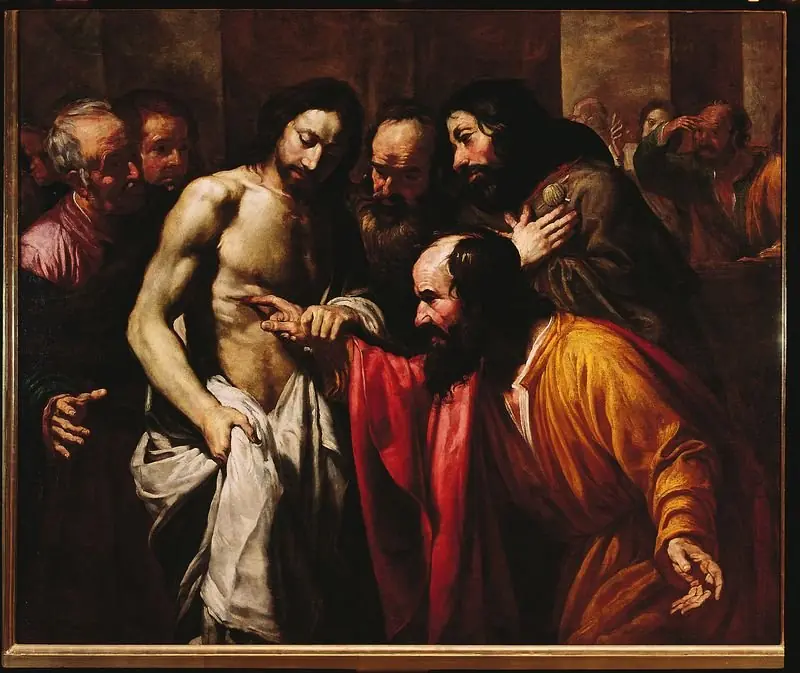
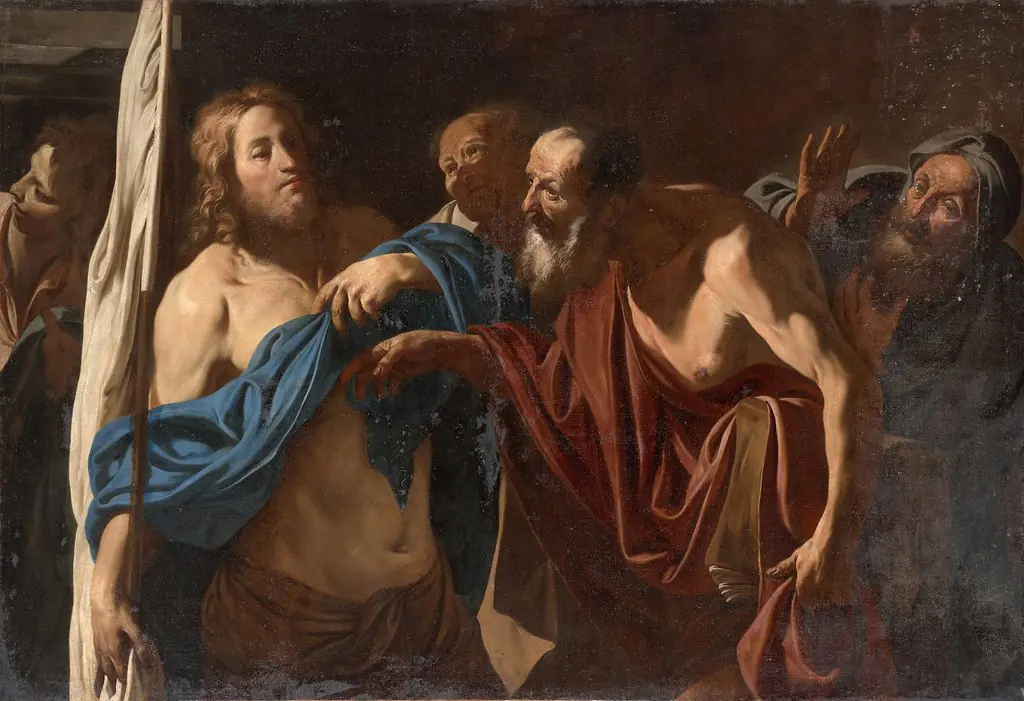
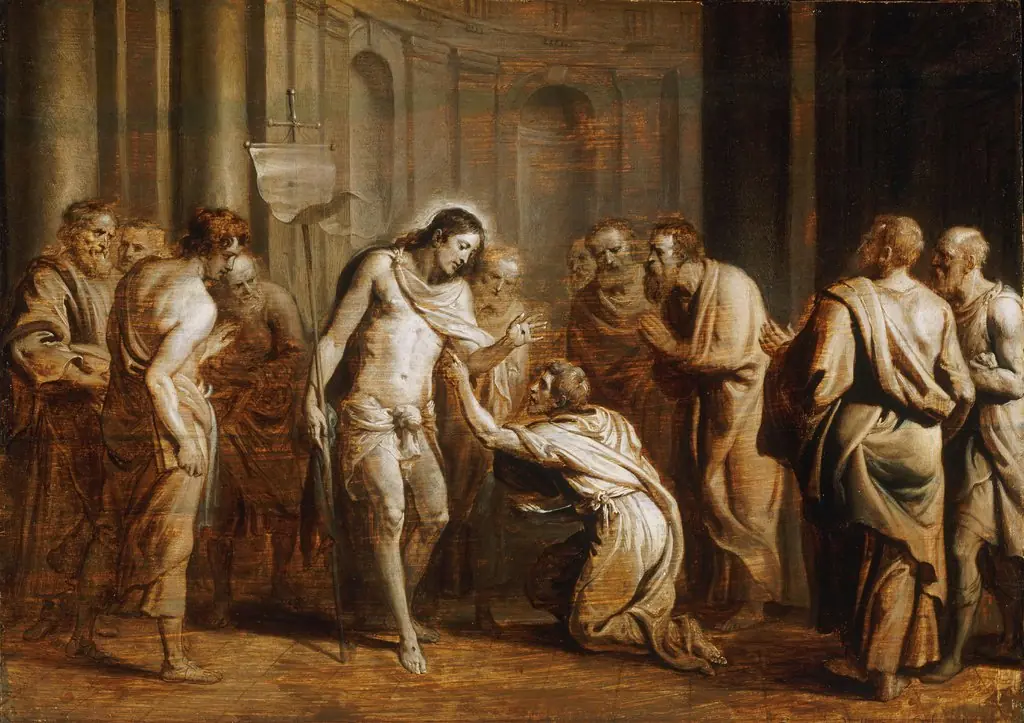
The work visualizes the biblical episode in which the apostle Thomas doubts the resurrection of Christ until he can see and touch the wound. One figure, balding and illuminated, reaches toward the wound, while another grasps the wounded man's arm, emphasizing the moment of tactile verification. A fourth onlooker watches, his partially lit face suggesting contemplation.
Technique & Style
The artist employs a strong chiaroscuro effect, using deep shadows to isolate each figure and highlight the illuminated wound. The contrast between the bright white robe and the surrounding darkness creates a dramatic focus, while the careful rendering of hands and facial expressions conveys tension and inquiry.
History & Provenance
The painting is recorded simply as an oil on canvas titled Incredulity of St. Thomas. No further details about its creation date, artist, or ownership history are provided in the source material.
Context
The subject derives from the New Testament narrative of Thomas’s doubt, a theme frequently explored in Western art to illustrate faith, evidence, and revelation. The intimate setting and limited number of figures align the work with later Baroque treatments of religious moments, where light serves theological symbolism.
Artist & collection

 Domestic Scene
 Giacomo and Cardinal Marco, investing Andrea, Abbot of San Zeno, with his Benefice
 The Nymph of Fontainebleau
 Portrait of a Woman
 Madonna and Child with Saints in the Enclosed Garden
 Venus and Minerva
 Family Group of Four on Sofa
 Wall painting from Room H of the Villa of P. Fannius Synistor at Boscoreale