Artwork
Saint Thomas Touching Christ's Wounds
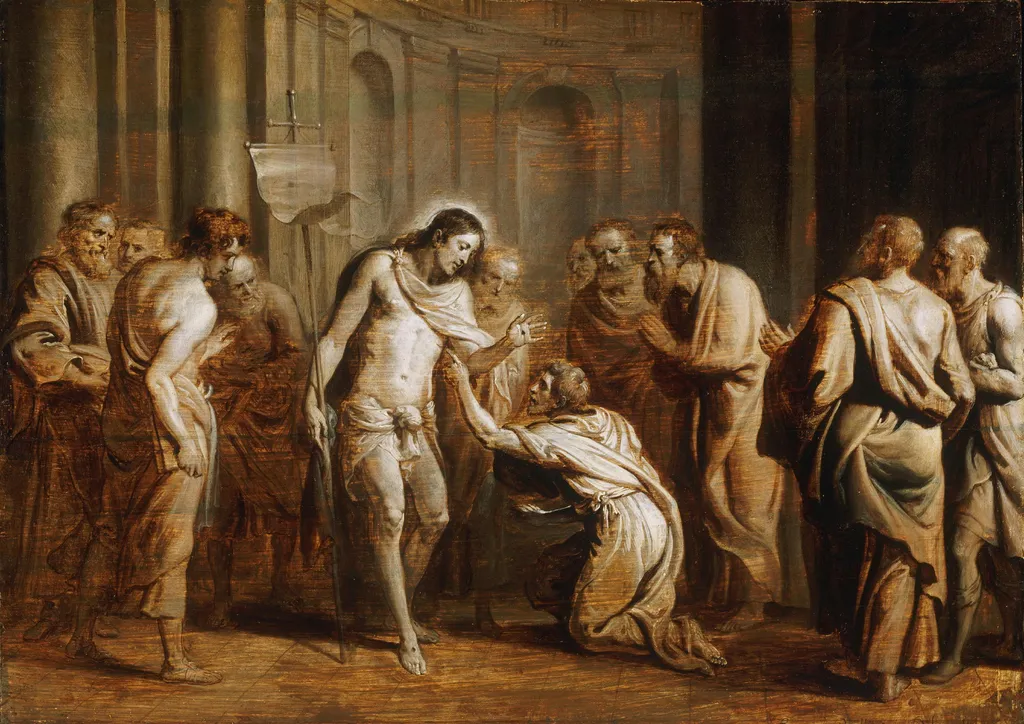
Saint Thomas Touching Christ's Wounds is an oil painting by Erasmus Quellinus II. It dates from 1644 and is held in the collection of the Philadelphia Museum of Art.
About this work
Overview
It is part of the Philadelphia Museum of Art’s permanent collection and exemplifies the religious narrative tradition in 17th-century Northern Europe.
Painted in 1644 by Erasmus Quellinus II, this oil-on-canvas work depicts the biblical moment when the apostle Thomas verifies Christ’s resurrection by touching his side wound. Executed in the aftermath of Rubens’ death, the painting reflects Quellinus’ emergence as a leading Flemish artist. It is part of the Philadelphia Museum of Art’s permanent collection and exemplifies the religious narrative tradition in 17th-century Northern Europe.
Subject & Meaning
The scene captures the moment of doubt transformed into faith, as Thomas, kneeling, touches the wound in Christ’s side while the risen Savior stands calmly. Surrounding disciples observe in silence, their expressions conveying awe and introspection. The composition emphasizes spiritual revelation over dramatic spectacle, aligning with Counter-Reformation ideals that valued personal conviction and tangible proof of divine truth.
Technique & Style
Quellinus employs chiaroscuro to model the figures with subtle gradations of light and shadow, lending volume and gravity to the forms. The palette is restrained, dominated by earth tones—ochres, umbers, and muted grays—that enhance the solemnity of the moment. Drapery is rendered with careful attention to texture and fold, while the architectural setting of columns and arches grounds the scene in a quiet, intimate space.
History & Provenance
Created shortly after Rubens’ death in 1640, the painting emerged during Quellinus’ rise as a principal figure in Antwerp’s artistic community. He had previously collaborated with Rubens on large decorative projects, and this work reflects his independent development of a more restrained, introspective style. The painting entered the Philadelphia Museum of Art’s collection in the 20th century, where it remains today as a representative example of post-Rubensian Flemish painting.
Context
In mid-17th-century Flanders, religious imagery continued to hold cultural weight amid the lingering effects of the Reformation and the Counter-Reformation. Artists like Quellinus responded to Church demands for clear, emotionally resonant biblical scenes. This painting aligns with broader trends in Catholic visual culture that prioritized human emotion, physical presence, and doctrinal clarity over idealized beauty.
Legacy
Though less widely known than his mentor Rubens, Quellinus’ work contributed to the evolution of Flemish religious painting after 1640. His focus on psychological depth and restrained composition influenced a generation of artists seeking to balance narrative clarity with spiritual gravity. This painting endures as a quiet but significant testament to the persistence of devotional art in a changing artistic landscape.
Own this work as a print
Artist & collection
Artist
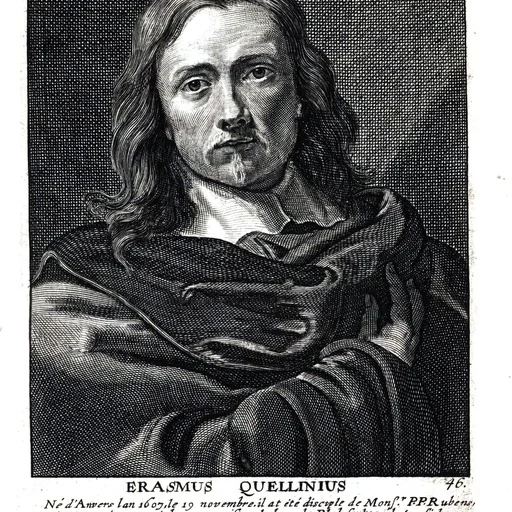
Erasmus Quellinus the Younger or Erasmus Quellinus II (November 19, 1607 – November 11, 1678) was a Flemish painter, engraver, draughtsman and tapestry designer who worked in various genres including history, portrait, allegorical, battle…

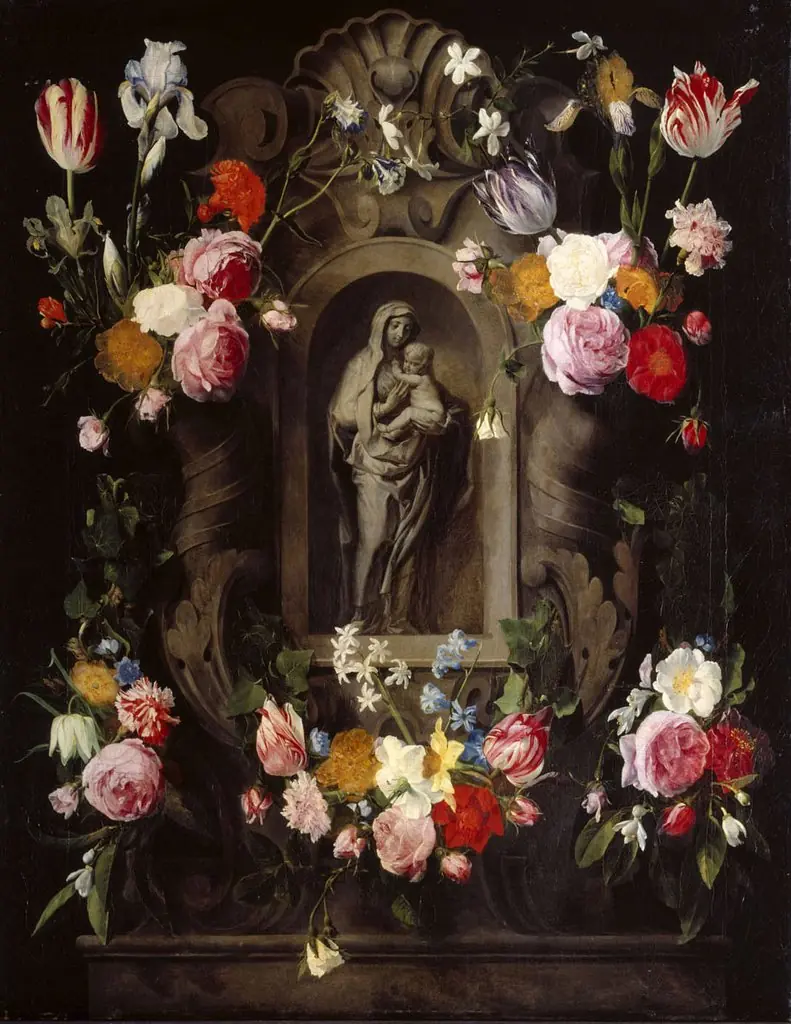 Madonna & Child Statuette in a Niche surrounded by a Garland of Flowers
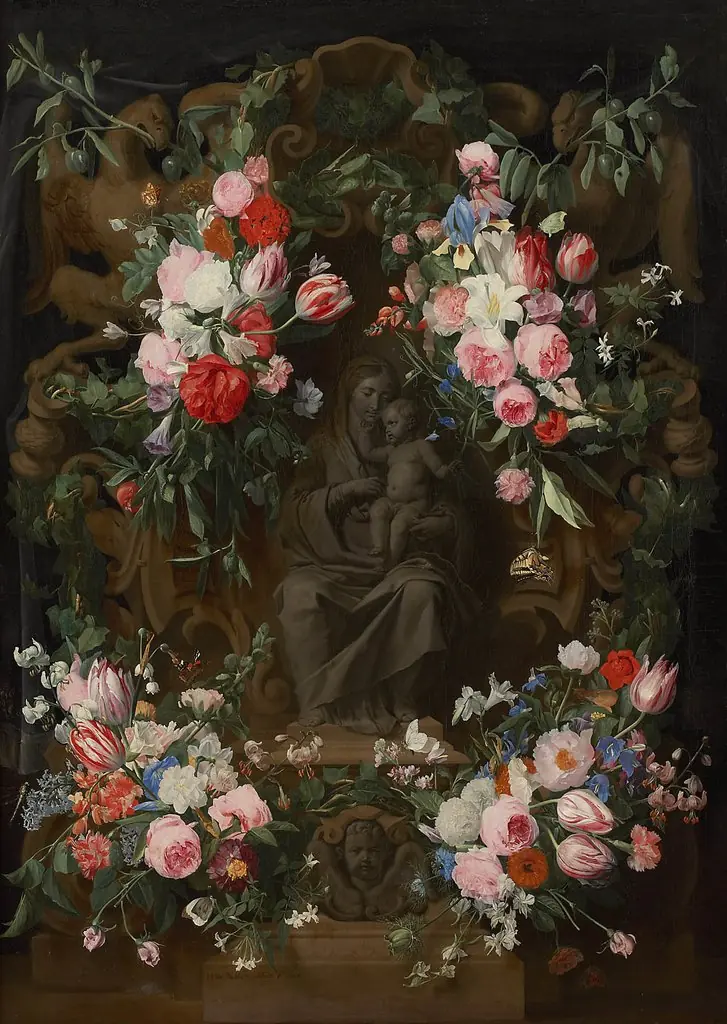 Seated Maria in a Flower Garland
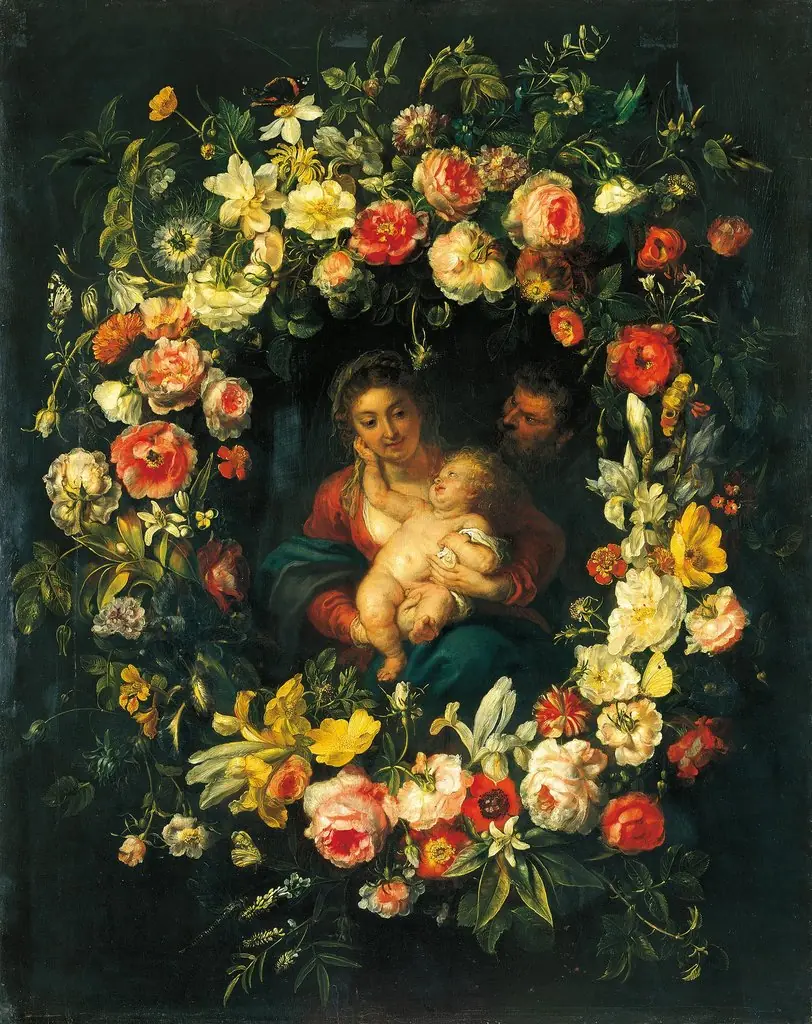 Holy Family in a Wreath of Flowers
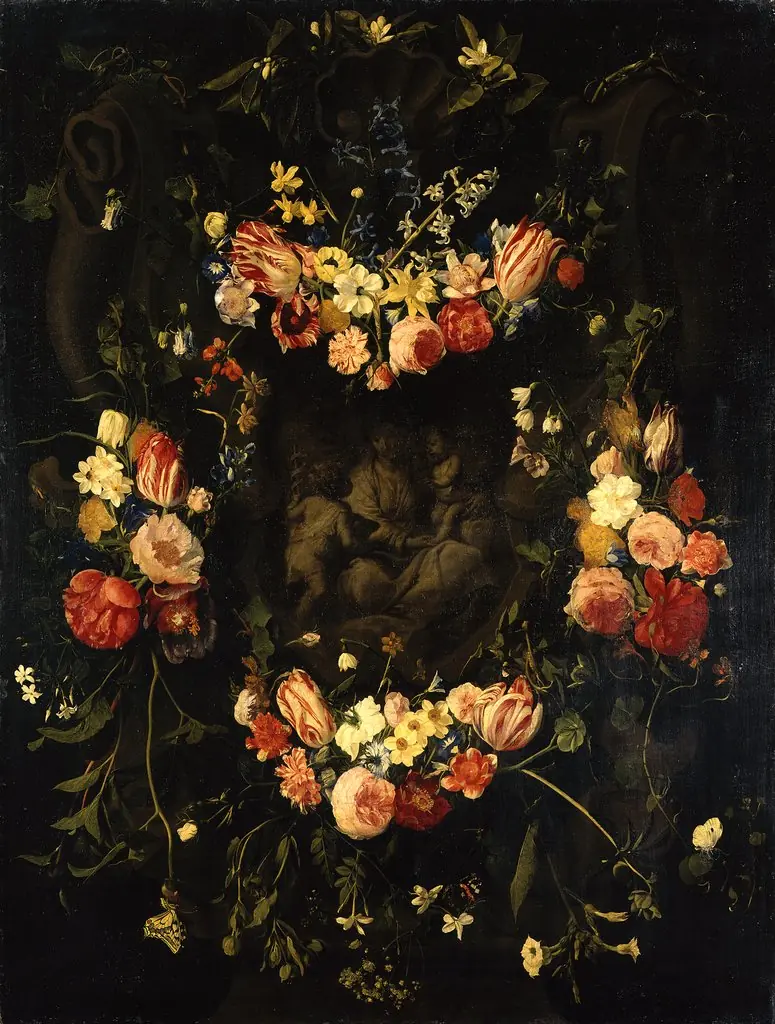 Cartouche addorned with flowergarlands surrounding a depiction of the Holy Family with the infant Saint John the Baptist
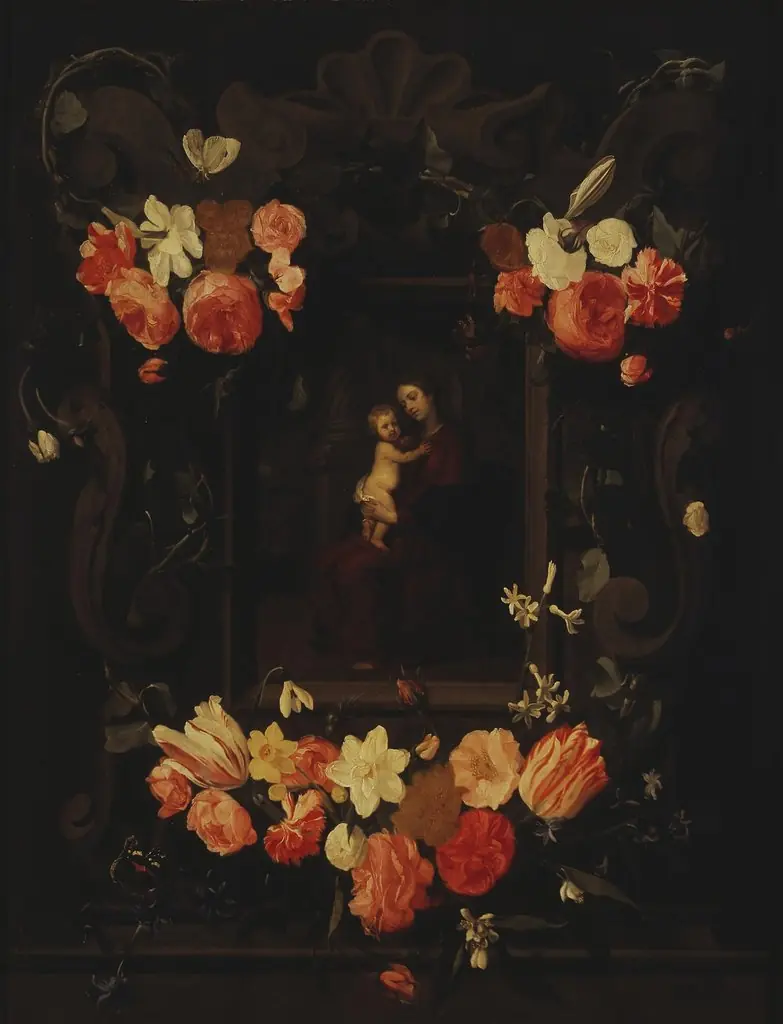 Madonna and Child Framed a Garland of Flowers
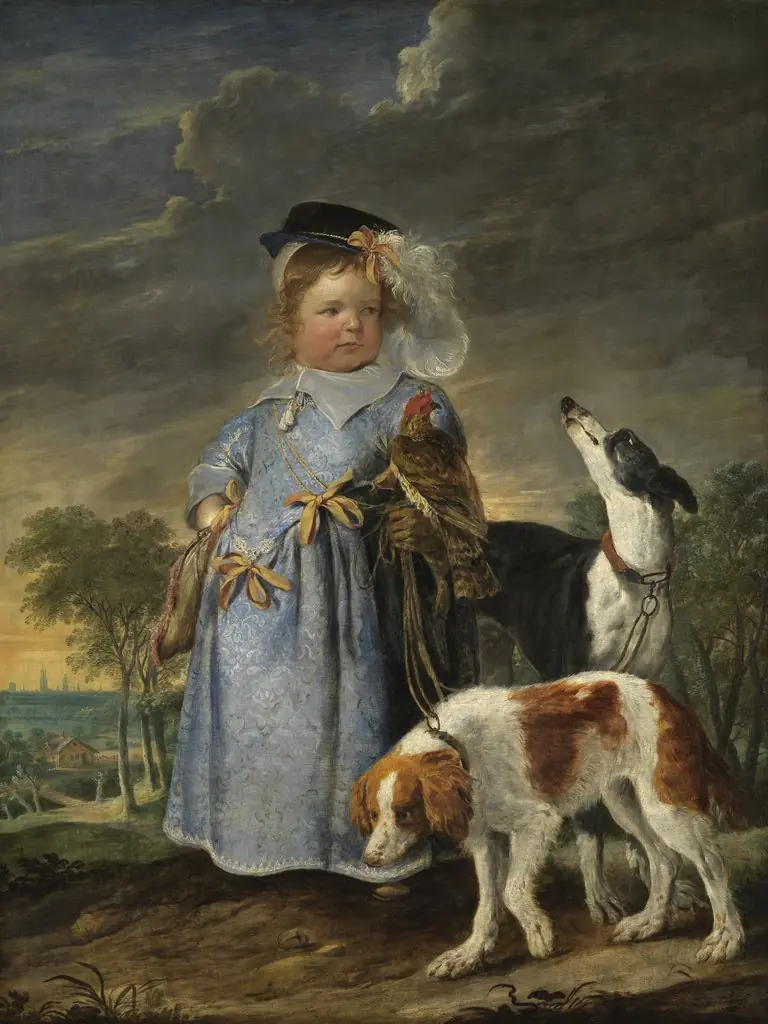 Portrait of a Boy
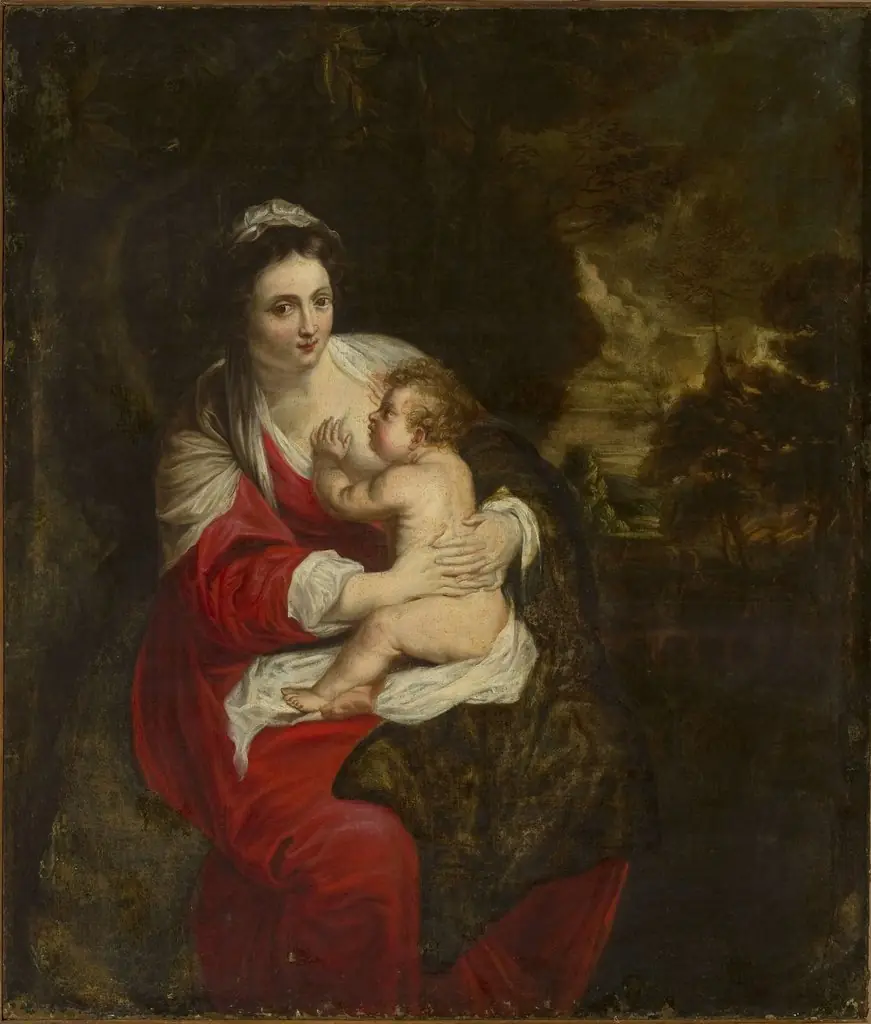 Madonna with Child Jesus
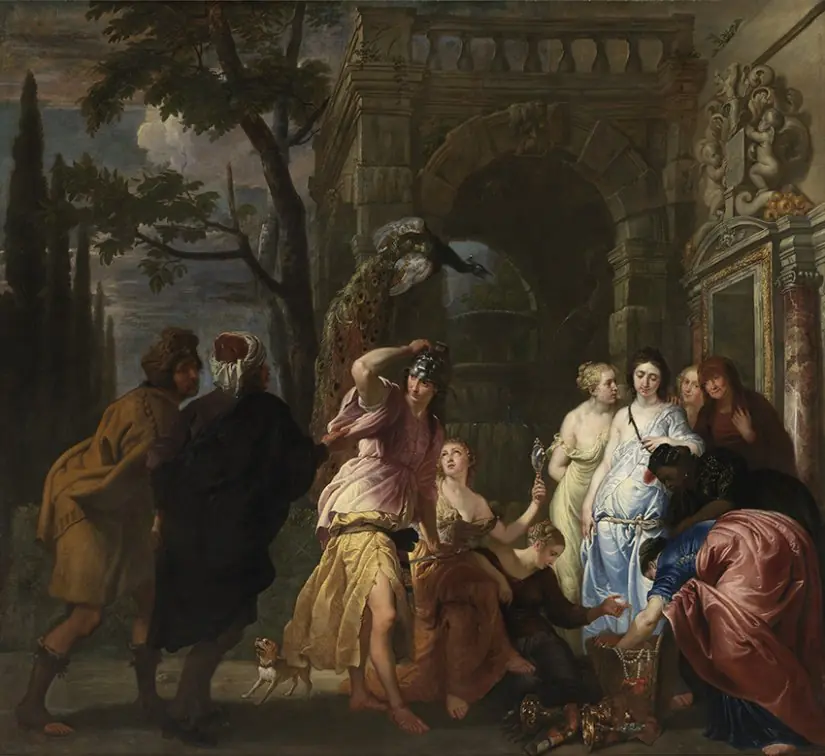 Achilles among the Daughters of Lycomedes
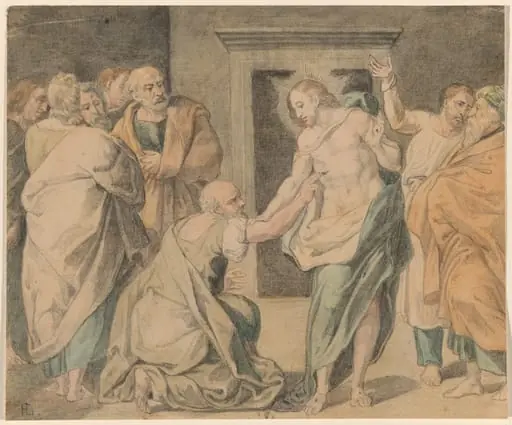 Christ with Doubting Thomas and the Apostles
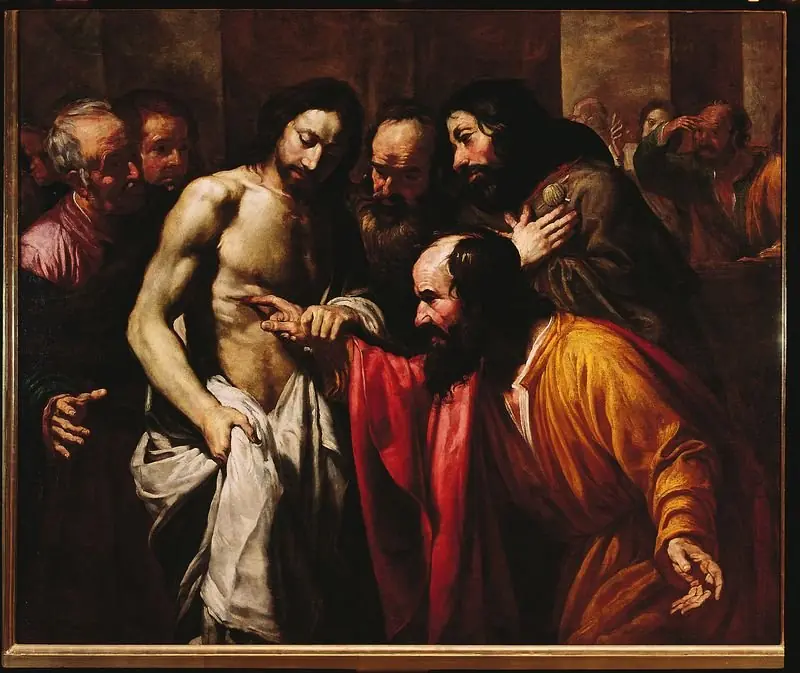 Doubting Thomas
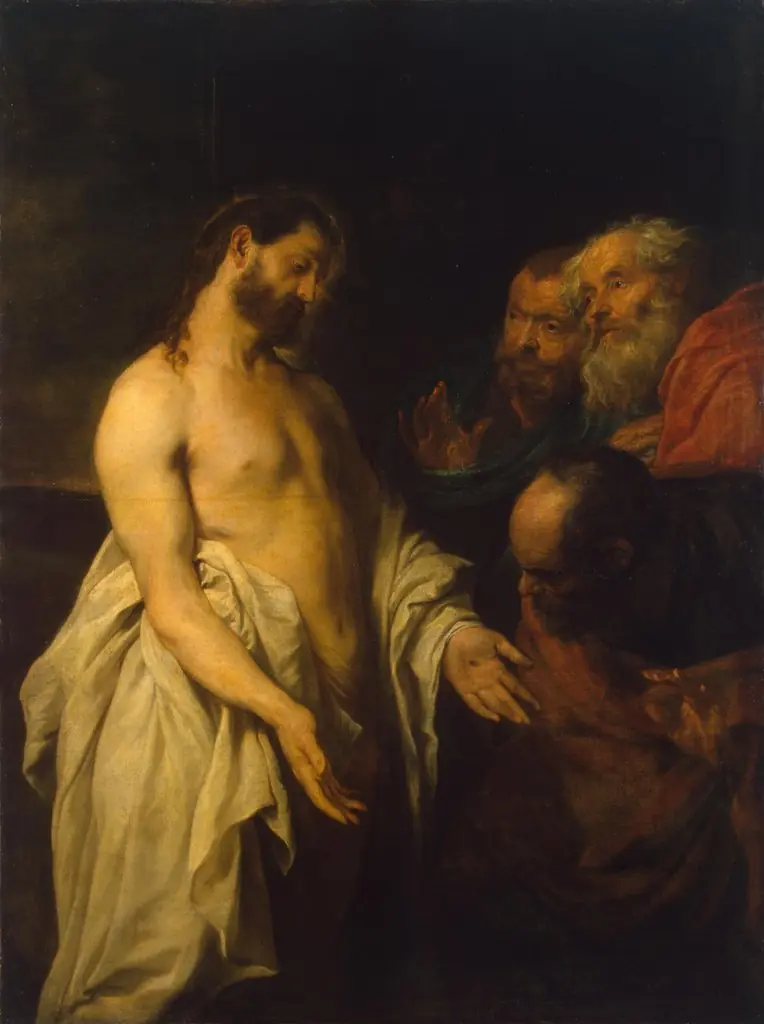 Appearance of Christ to his Disciples
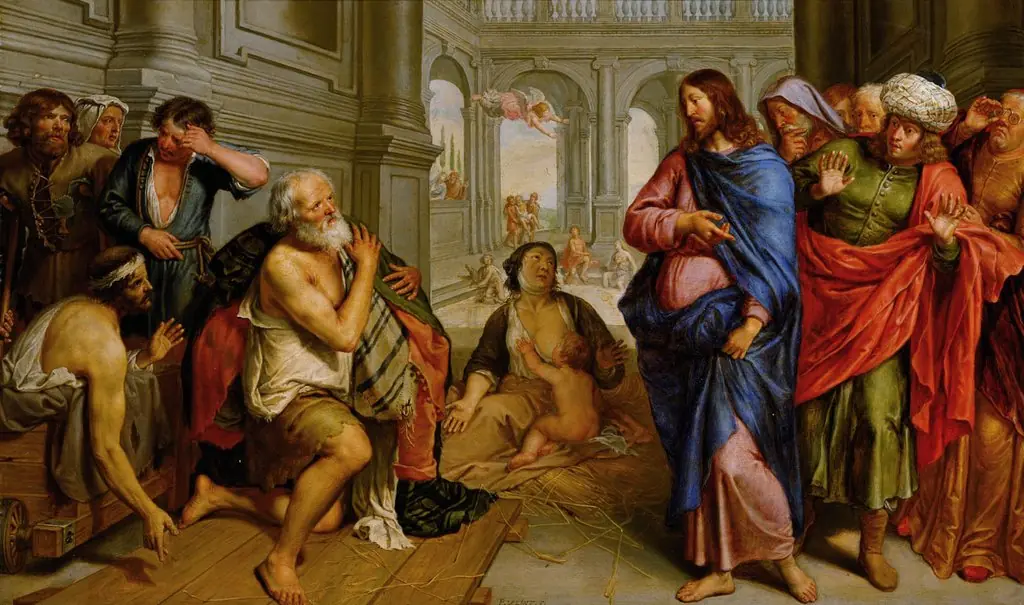 Christ healing the lame at the pool of Bethesda
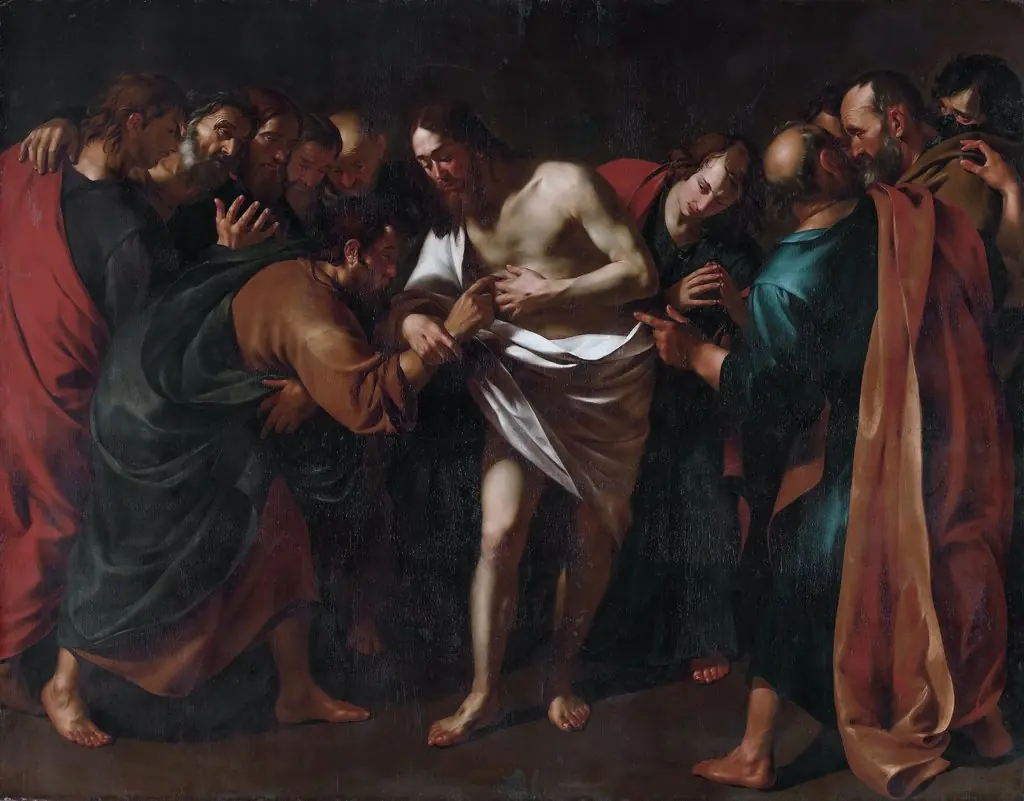 The incredulity of St Thomas
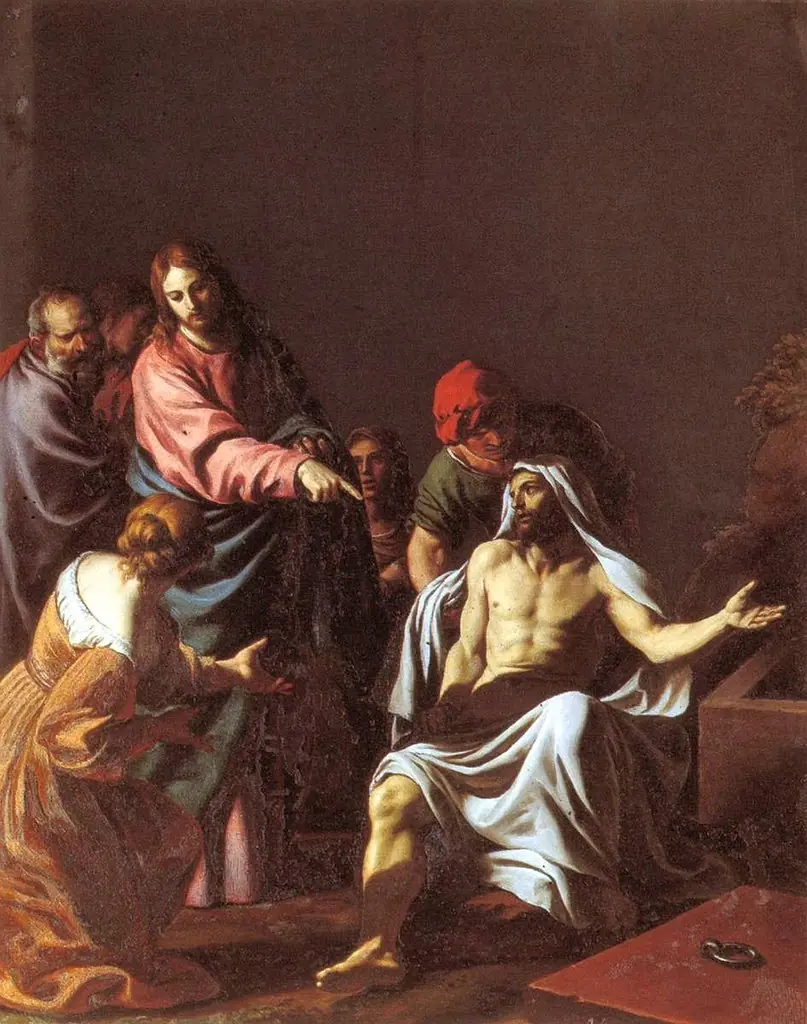 The Raising of Lazarus
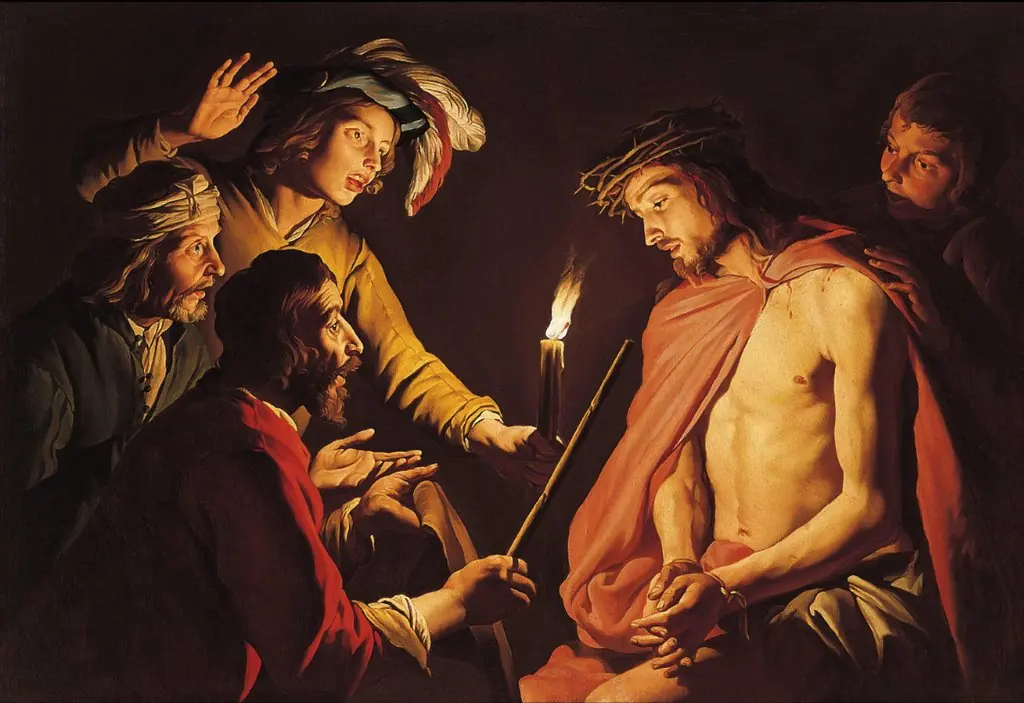 Christ Crowned with Thorns
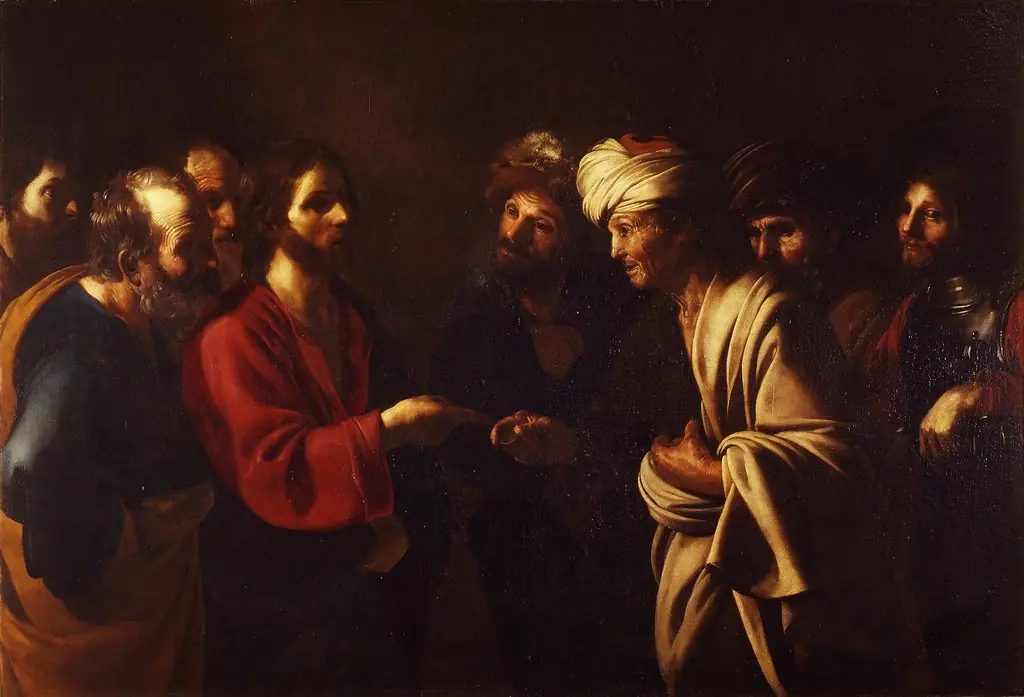 Tribute to Caesar
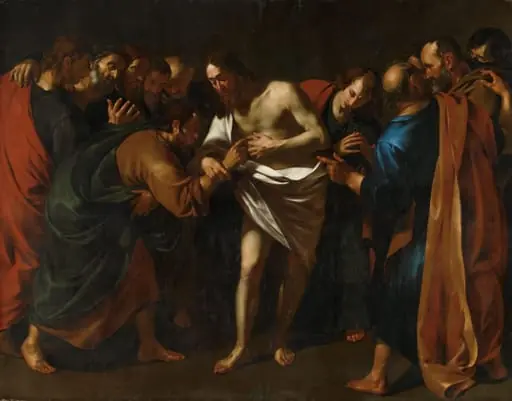 Untitled
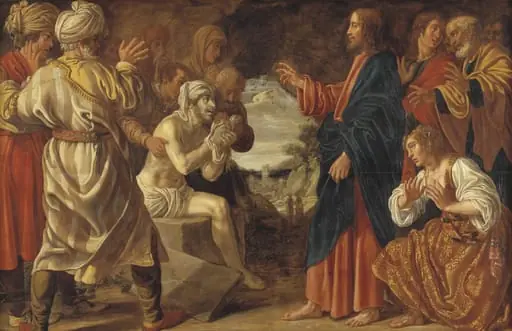 The Raising of Lazarus
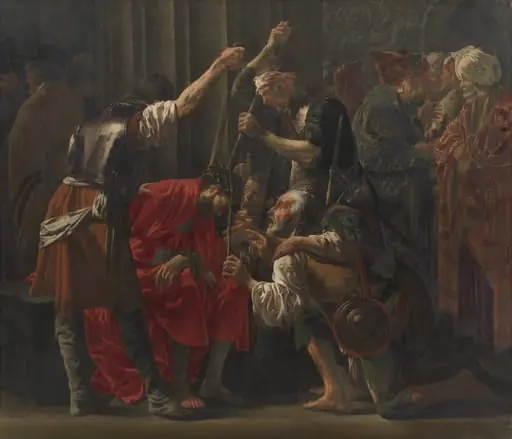 Christ Crowned with Thorns
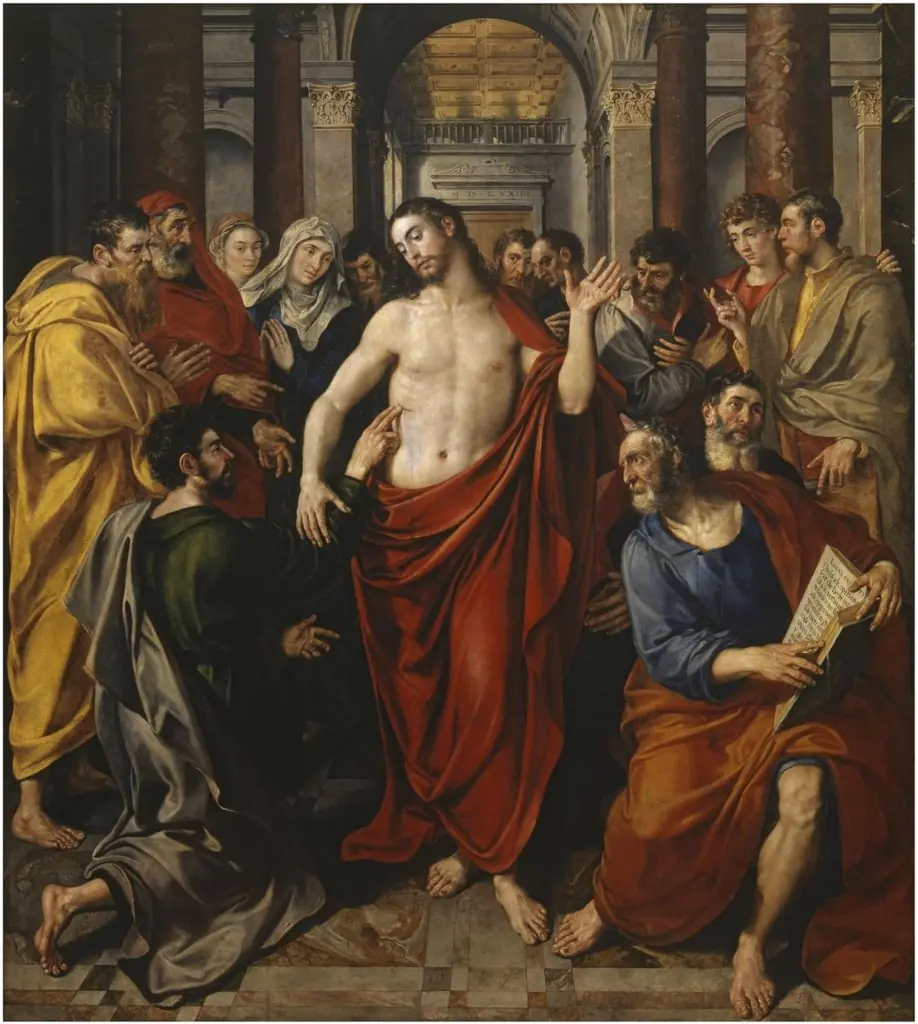 Incredulity of Saint Thomas