Artwork
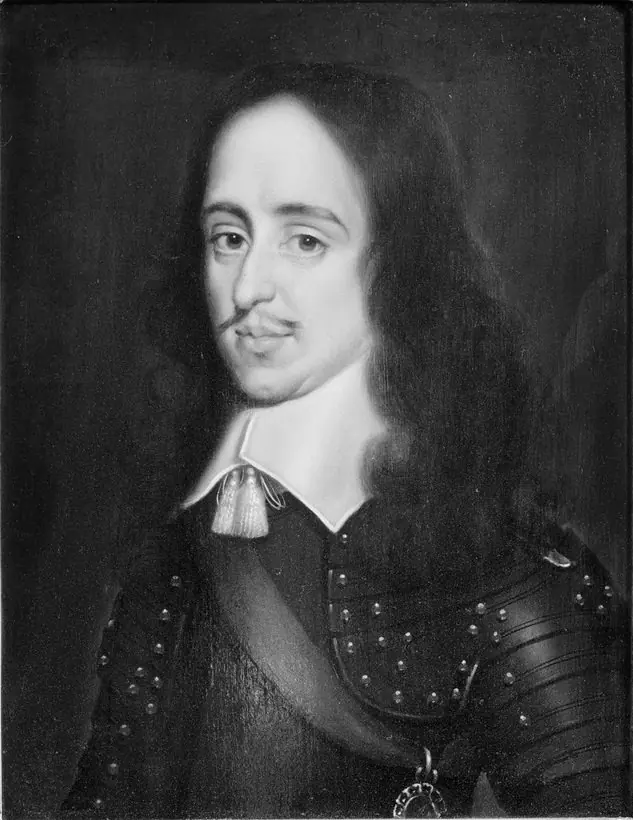
Portrait of Willem II (1626-50), Prince of Orange
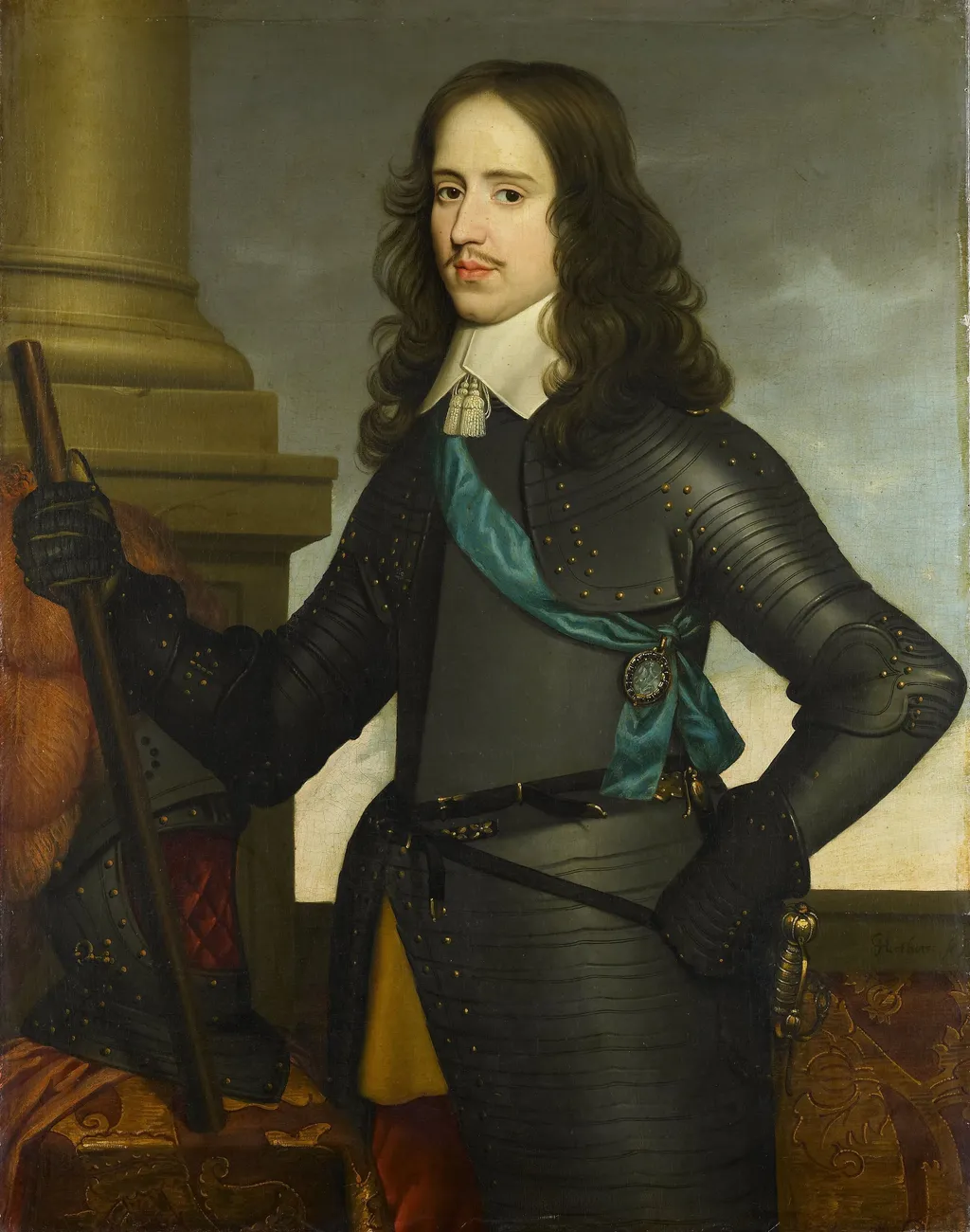
Portrait of Willem II (1626-50), Prince of Orange is an oil painting. It dates from 1651 and is held in the collection of the Rijksmuseum.
About this work
Overview
The oil painting depicts a male figure dressed in a black leather jacket and a dark cape draped over his shoulder, set against an unadorned wall. A white collar frames his face, while a blue sash encircles his waist. Gold buttons adorn the sleeves and chest, and a silver pin rests on the shoulder. The subject’s long, curly hair and solemn expression convey a dignified presence.
Subject & Meaning
Identified as Willem II, Prince of Orange, the portrait presents the young nobleman in attire that emphasizes his status and military association. The restrained background focuses attention on his attire and bearing, suggesting an intention to convey authority and personal gravitas rather than narrative detail.
Technique & Style
Executed in oil, the work employs strong contrasts of light and shadow that model the figure’s features and garments, creating a three‑dimensional effect. The handling of light on the face and fabric reflects a chiaroscuro approach, highlighting texture and volume while maintaining a smooth, refined finish typical of mid‑17th‑century Dutch portraiture.
History & Provenance
The portrait was painted sometime between 1626 and 1650, during Willem II’s lifetime. It has remained within collections that focus on Dutch royal portraiture, though specific ownership records prior to the modern era are limited.
Context
Created in the Dutch Golden Age, the painting aligns with contemporary conventions for depicting members of the House of Orange. The emphasis on military dress and modest setting mirrors the period’s focus on personal virtue and leadership, reflecting the political significance of the Orange dynasty in the United Provinces.
Artist & collection

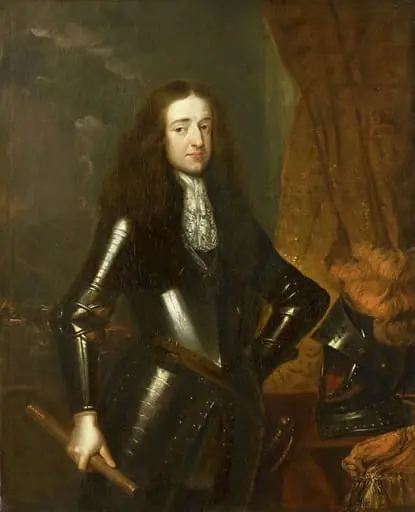
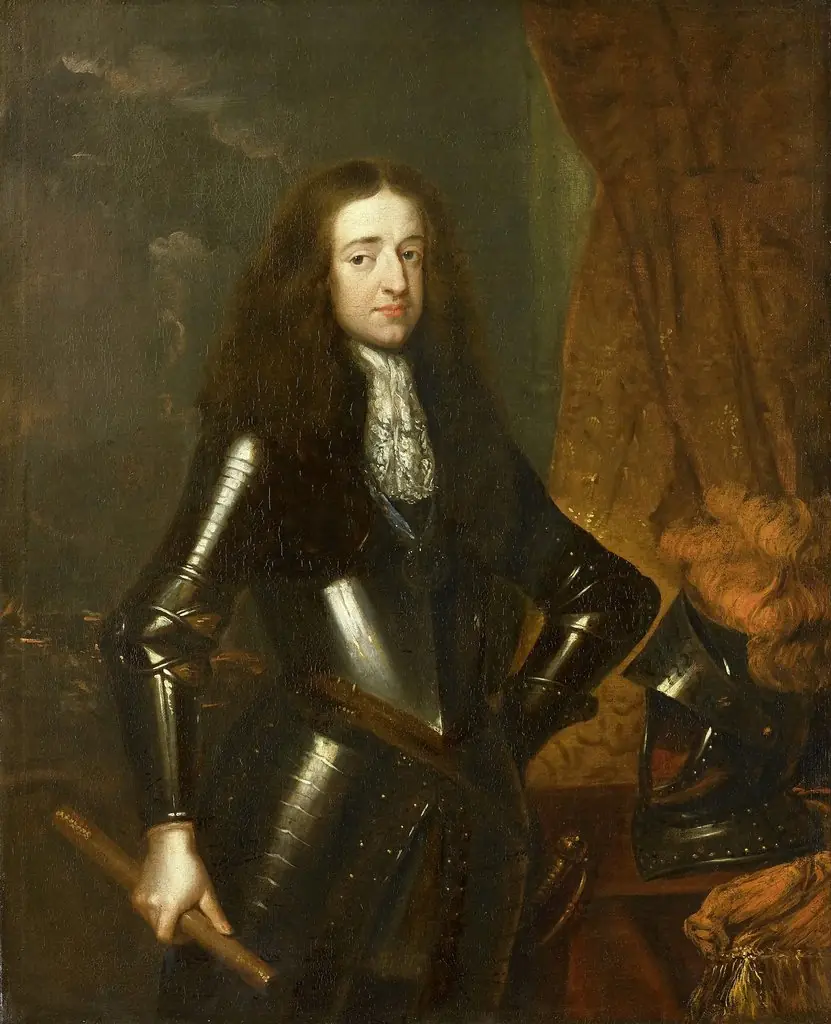 Portrait of Willem III (1650-1702), Prince of Orange and since 1689, King of England
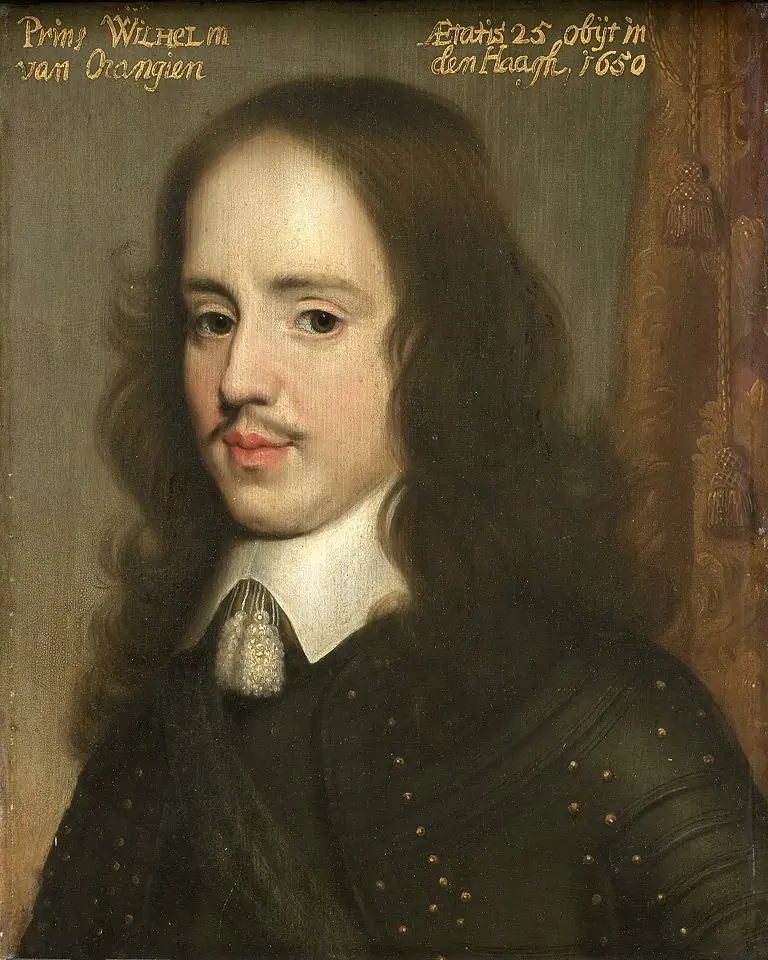 Portrait of Willem II (1626-50), Prince of Orange
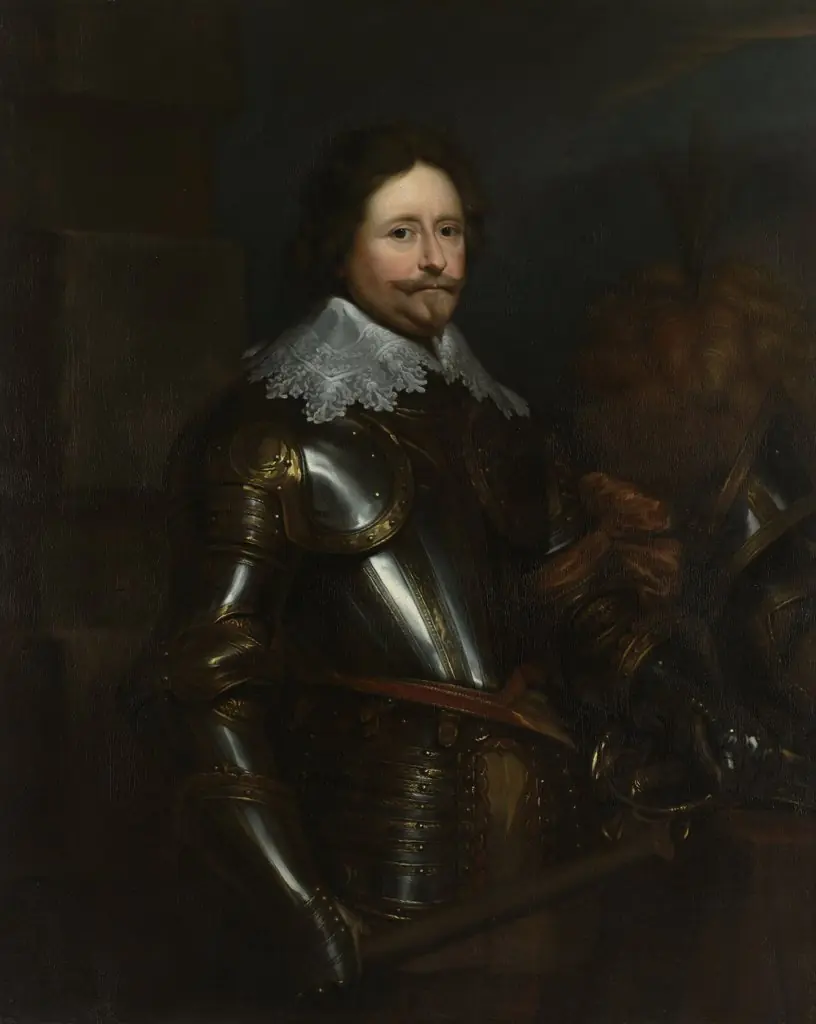
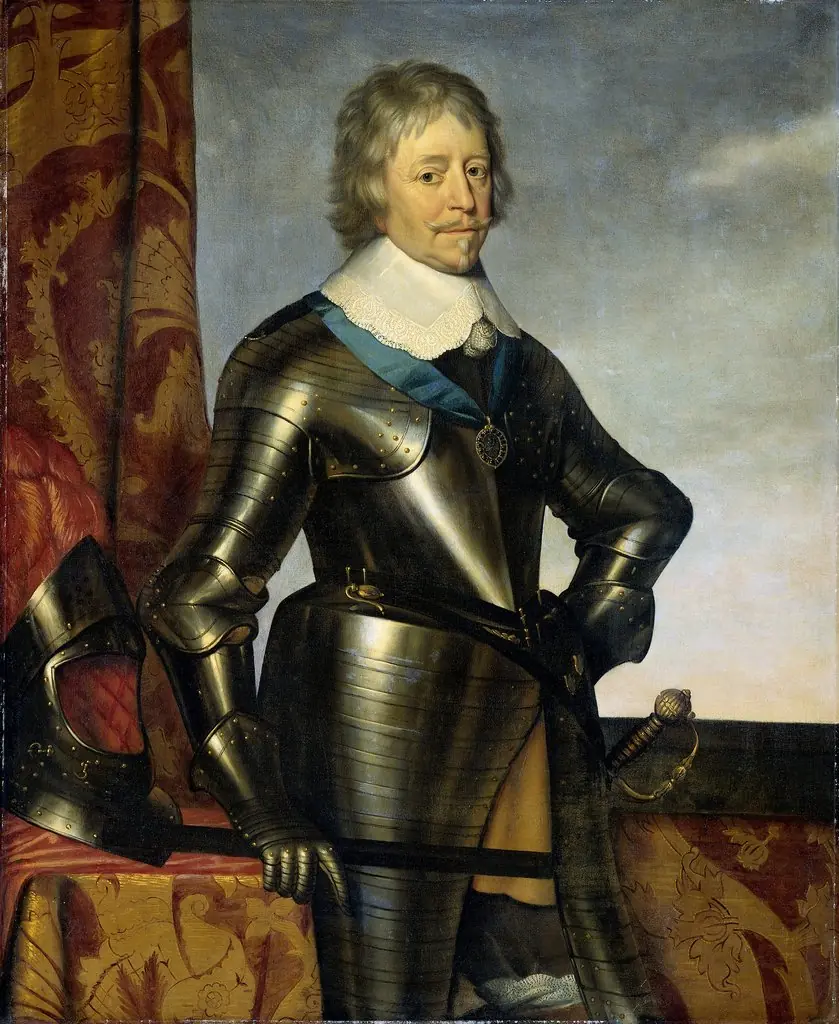 Portrait of Frederik Hendrik (1584 - 1647), Prince of Orange
 Portrait Willem II van Oranje-Nassau (1626-1650)
 Portrait of Willem III (1650-1702), Prince of Orange and since 1689, King of England
 Portrait of Frederik Hendrik (1584-1647), prince of Orange
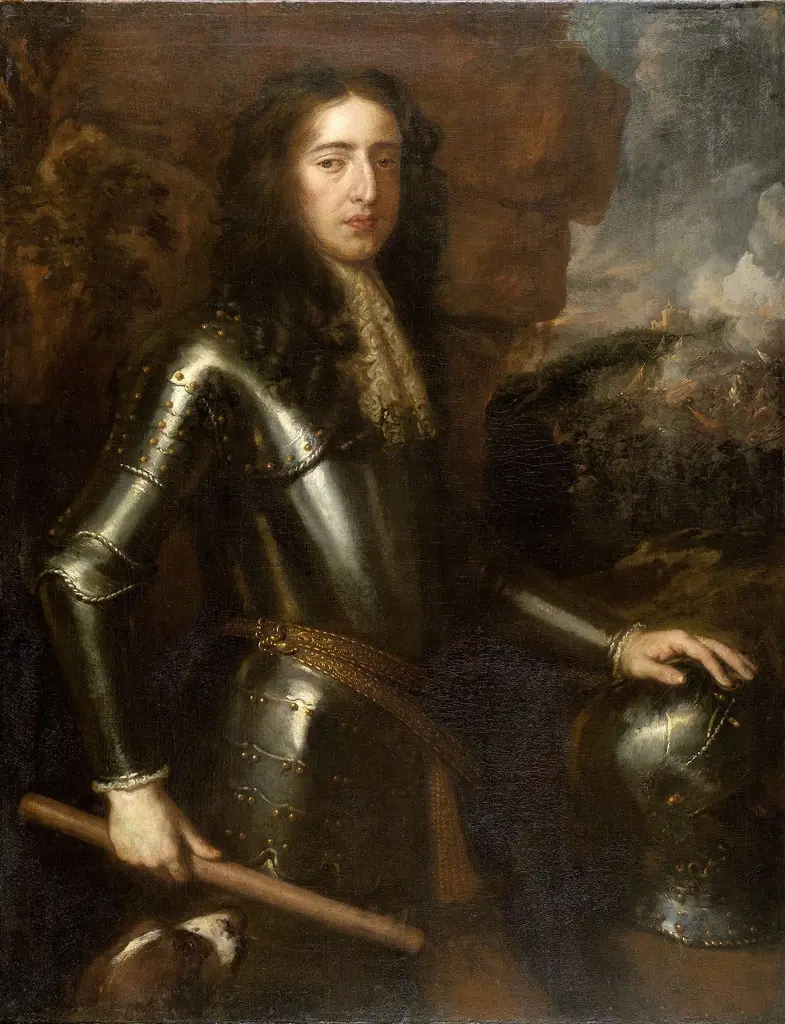 Portrait of William III (1650-1702), Prince of Orange