Artwork
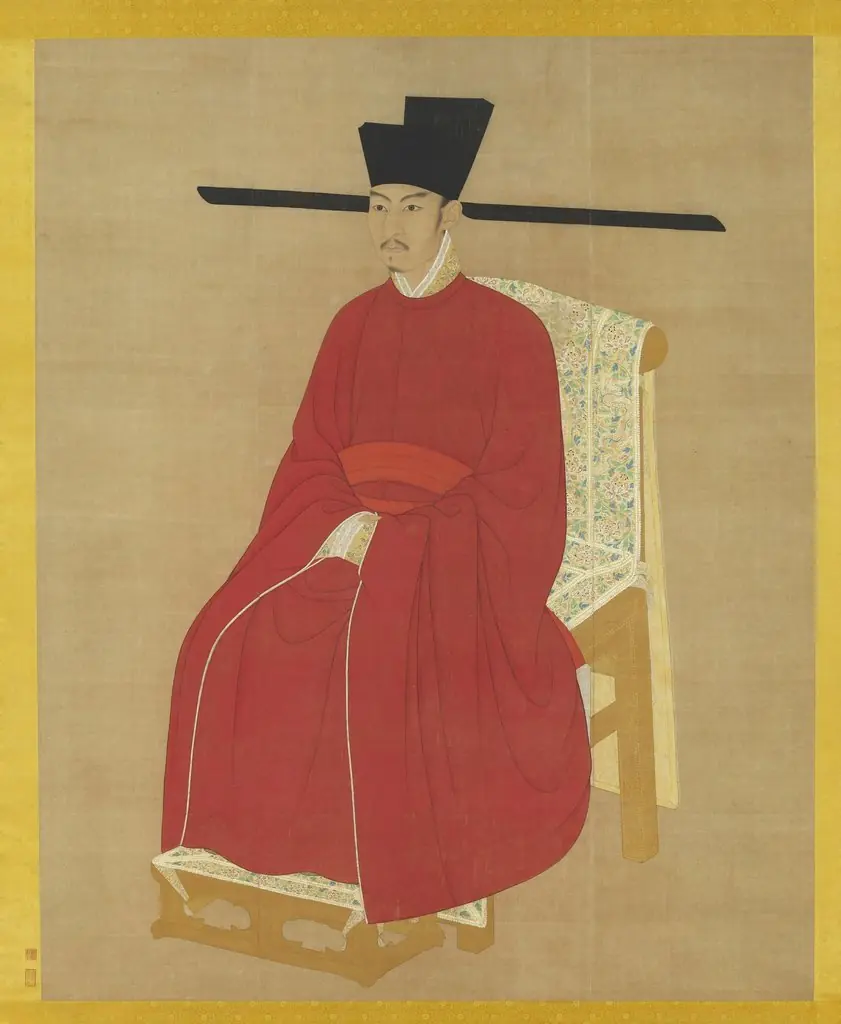
Seated Portrait of the Ming Emperor Xuanzong
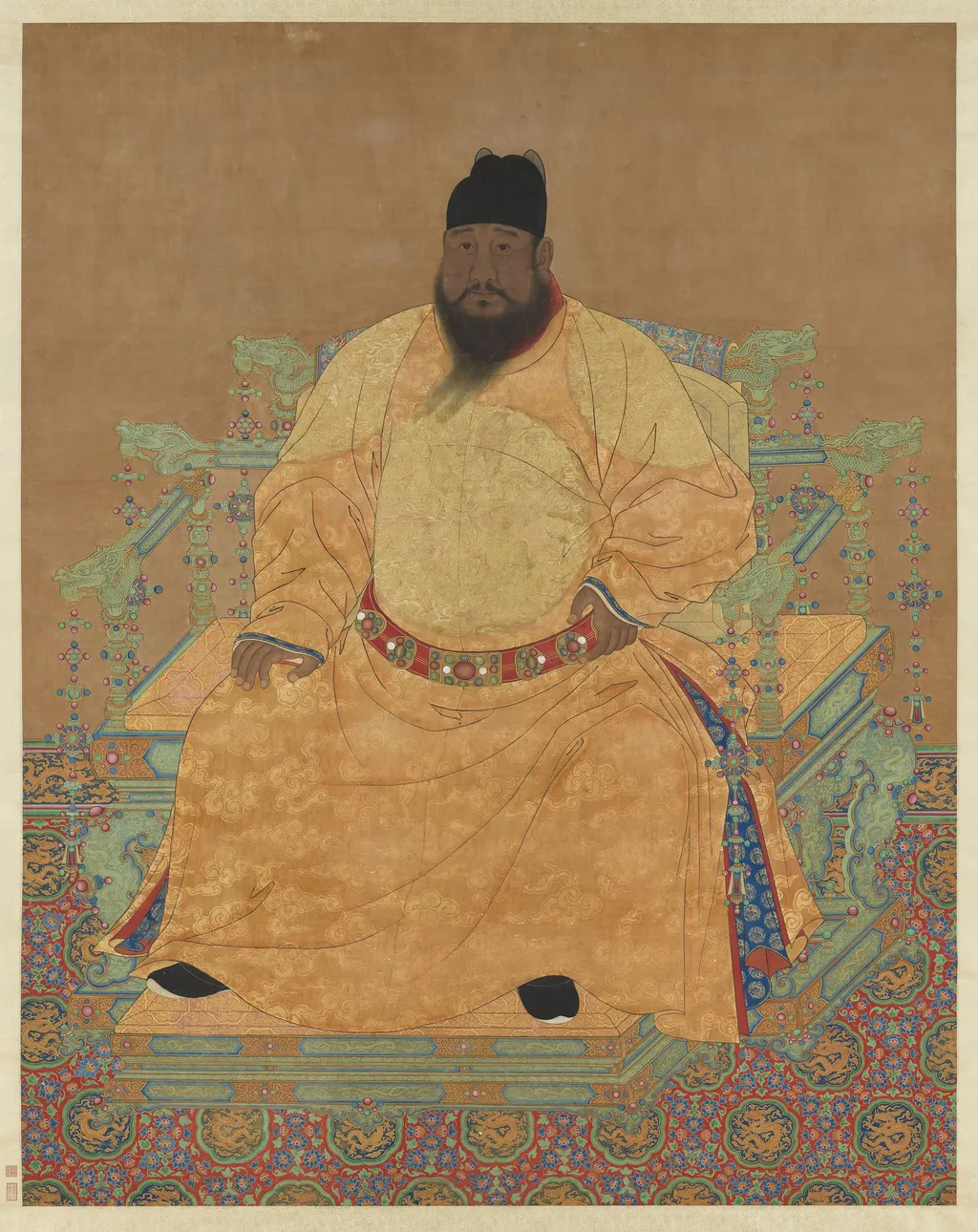
Seated Portrait of the Ming Emperor Xuanzong is an unspecified painting by the Ming dynasty painting artist Unknown. It is held in the collection of the National Palace Museum.
About this work
Overview
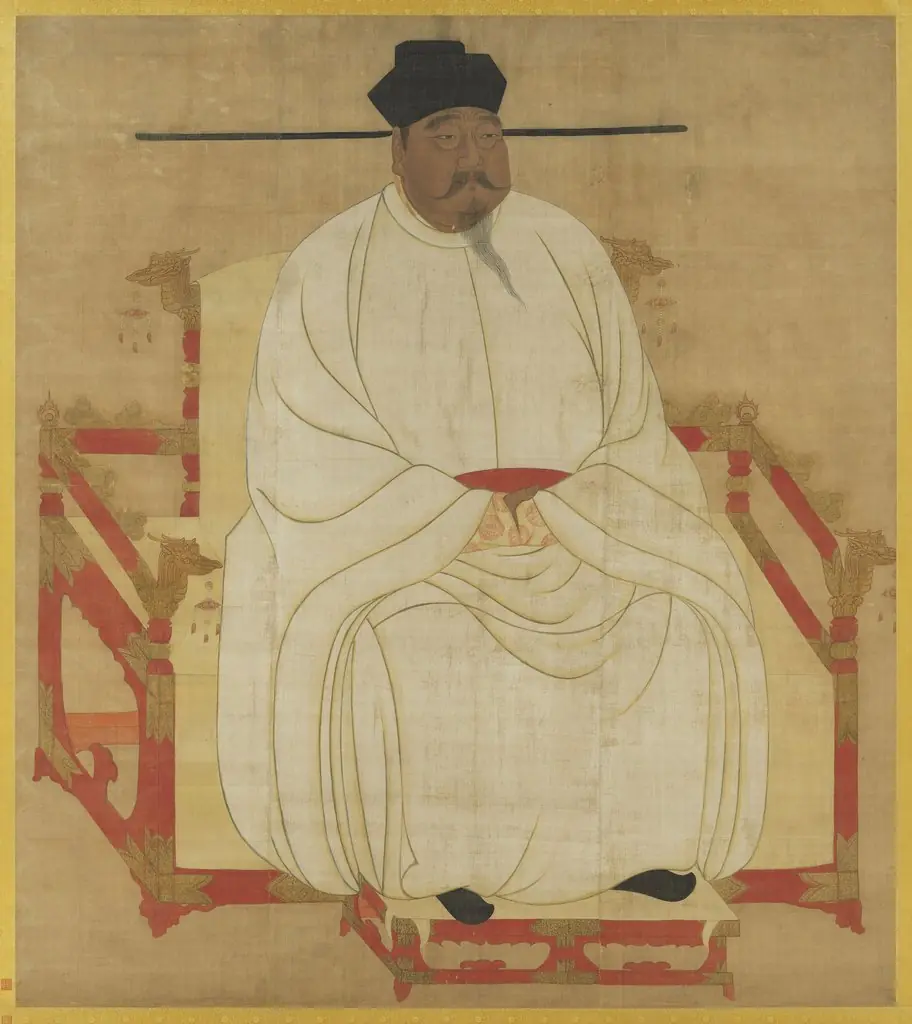
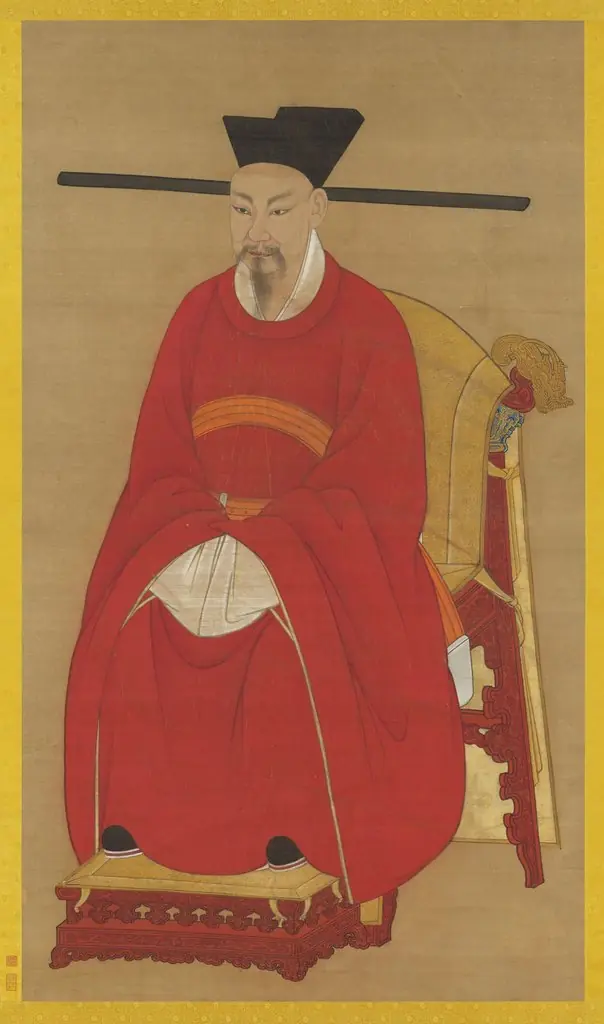
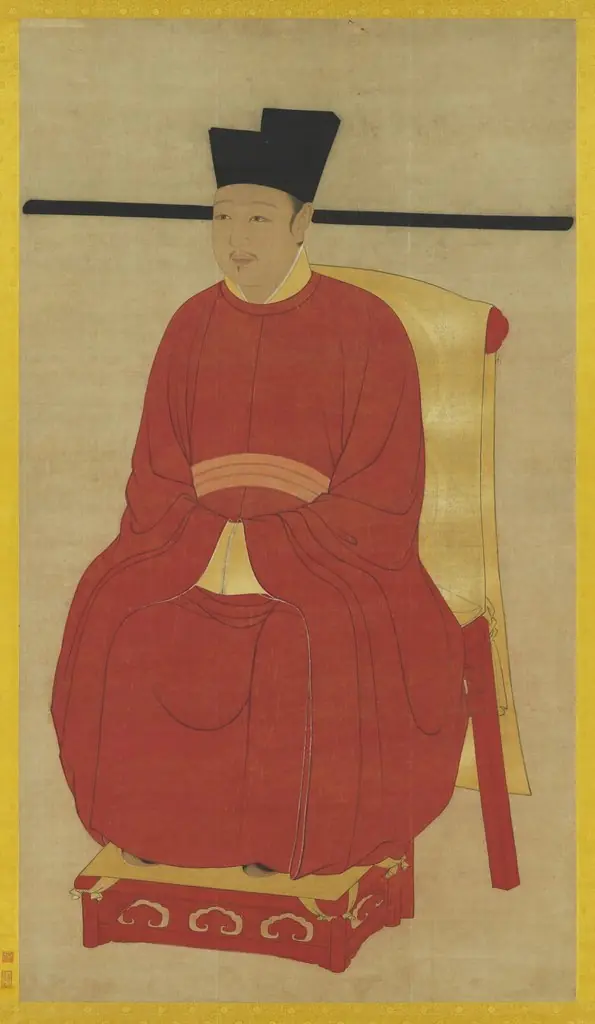
The work portrays a seated figure on an elaborate chair, dressed in a long, patterned robe and a black hat, his beard extending below his chin. The chair is adorned with dragons and other mythic beasts, while a richly colored, floral‑patterned rug lies beneath. A uniform background isolates the subject, directing the viewer’s focus to the figure and his surroundings.
Subject & Meaning
The portrait is identified as the Ming emperor Xuanzong, presenting him in regal attire that emphasizes imperial authority. The inclusion of dragon motifs on the seat reinforces the association with the celestial dragon, a traditional symbol of the emperor’s divine right to rule, while the luxurious garments and setting convey the wealth and status of the court.
Technique & Style
Executed with meticulous brushwork, the painting displays fine detailing in the robe’s intricate designs and the textured surface of the chair. The use of a flat, monochrome background is characteristic of court portraiture in the Ming period, allowing the elaborate costume and ornamental elements to dominate the visual field without distraction.
History & Provenance
The piece is attributed to a skilled artist active during the Ming dynasty, likely commissioned for an imperial setting. While specific records of its creation are absent, its stylistic qualities align with courtly portraiture produced under the reign of the Xuande Emperor, suggesting it may have been part of an official collection.
Context
Portraits of Ming sovereigns were often employed to affirm dynastic legitimacy and to serve as visual references for ritual and administrative purposes. This painting fits within that tradition, reflecting the period’s emphasis on elaborate symbolism, hierarchical representation, and the use of art as a vehicle for political messaging.
Artist & collection

 Domestic Scene
 Giacomo and Cardinal Marco, investing Andrea, Abbot of San Zeno, with his Benefice
 The Nymph of Fontainebleau
 Portrait of a Woman
 Madonna and Child with Saints in the Enclosed Garden
 Venus and Minerva
 Family Group of Four on Sofa
 Wall painting from Room H of the Villa of P. Fannius Synistor at Boscoreale