Artwork
Tuti-Nama (Tales of a Parrot)
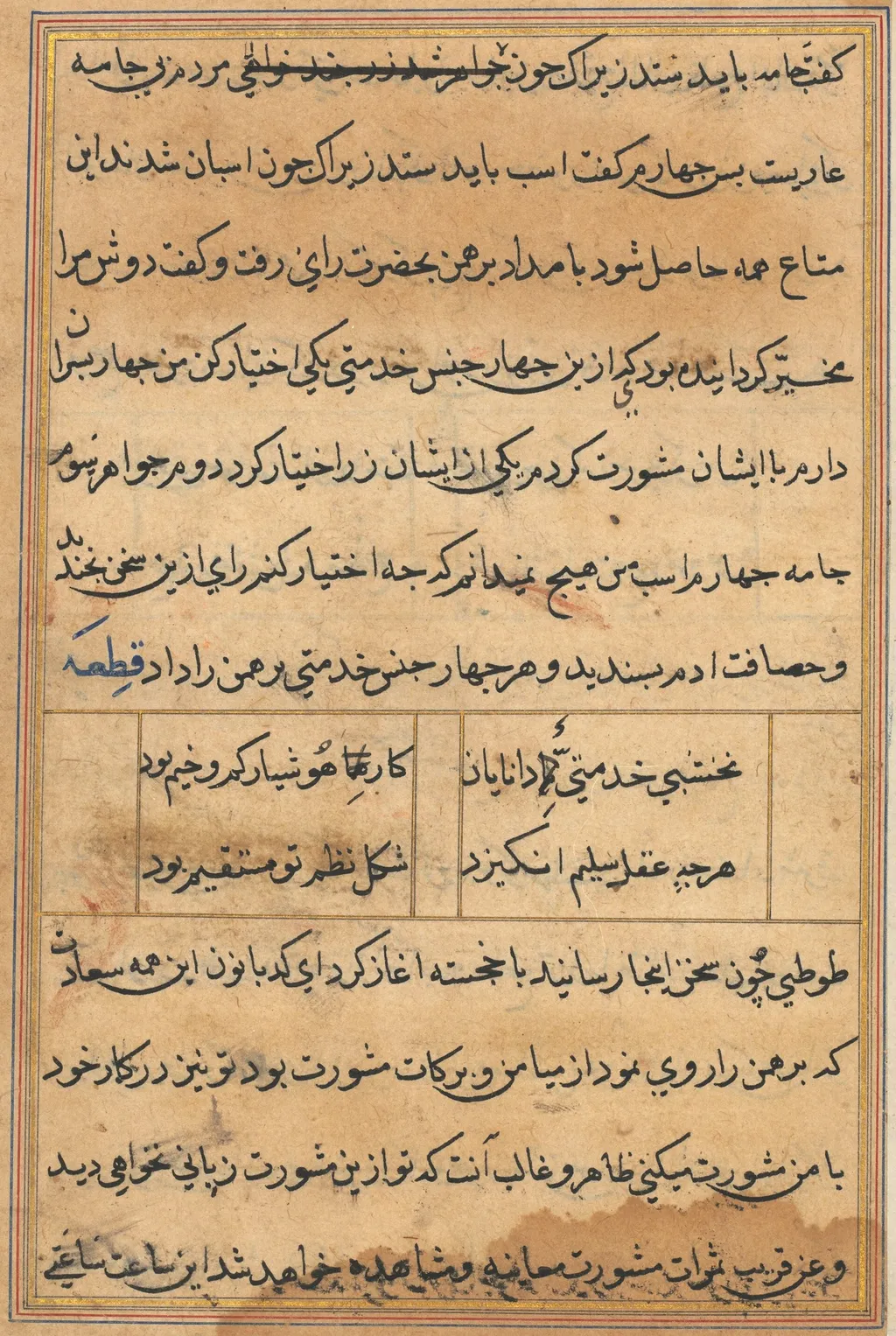
Tuti-Nama (Tales of a Parrot) is an unspecified painting. It dates from 1560 and is held in the collection of the Cleveland Museum of Art. Tuti‑Nama, meaning “Tales of a Parrot,” is a manuscript page composed entirely of black ink calligraphy.
About this work
Overview
Tuti‑Nama, meaning “Tales of a Parrot,” is a manuscript page composed entirely of black ink calligraphy. The text is arranged in orderly rows within a light brown border, and occasional faint red and blue marks serve as decorative accents. No pictorial illustrations accompany the script, emphasizing the written narrative as the visual focus of the page.
Subject & Meaning
The manuscript forms part of a larger work addressed to Prince Salim, suggesting a didactic or entertainment purpose tailored for a royal audience. While the exact story is not depicted, the title implies a fable or anecdote involving a parrot, a common motif in Persian literature used to convey moral or philosophical lessons.
Technique & Style
The calligraphy is executed in a precise, flowing hand, with uniform black ink strokes that vary subtly in length to create visual rhythm. The faint red and blue touches function as marginal highlights, a typical feature in Persian manuscripts that adds a modest chromatic contrast without detracting from the textual emphasis.
History & Provenance
Created as a component of the Tuti‑Nama manuscript for Prince Salim, the page reflects courtly patronage in the Persianate world. Its survival within a modern collection, such as the Cleveland Museum of Art, indicates it was acquired through the museum’s acquisitions of Islamic manuscript holdings, though specific provenance details remain limited.
Context
In the tradition of Persian illustrated books, many volumes combine elaborate miniatures with ornate script. Tuti‑Nama diverges by presenting a text‑only page, highlighting the cultural value placed on literary content and calligraphic artistry during the period when the manuscript was produced for elite patrons.
Artist & collection

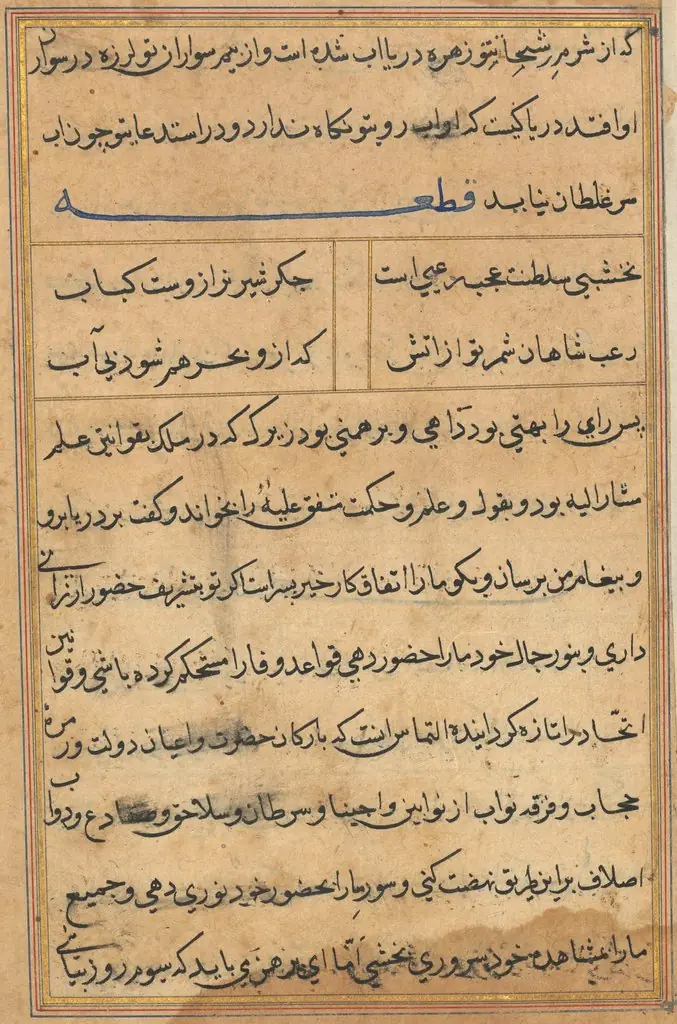 Page from Tales of a Parrot (Tuti-nama): text page
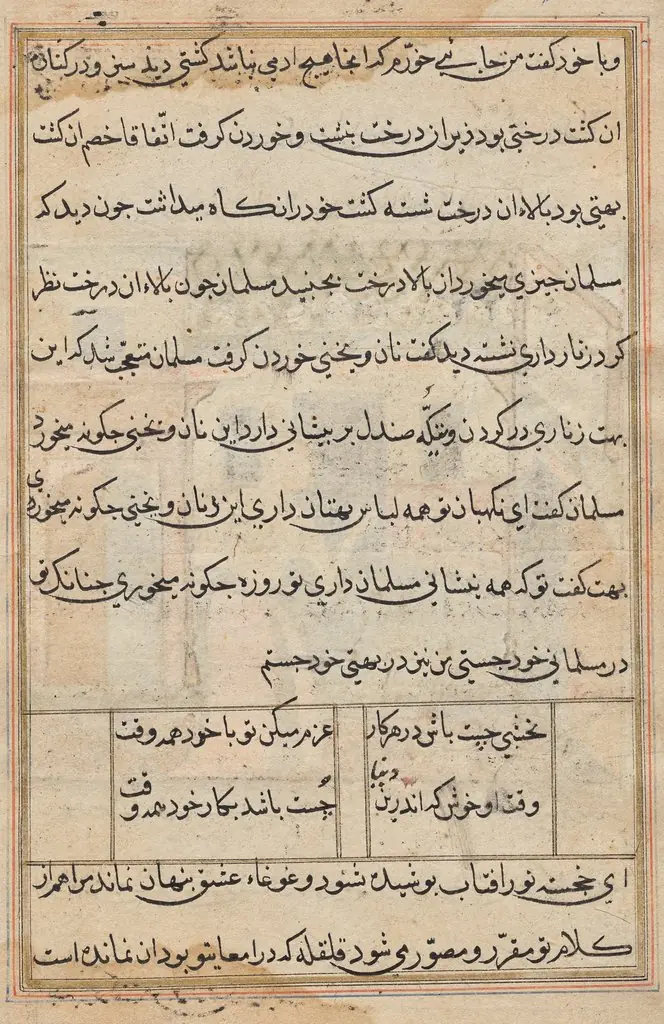 Page from Tales of a Parrot (Tuti-nama): text page
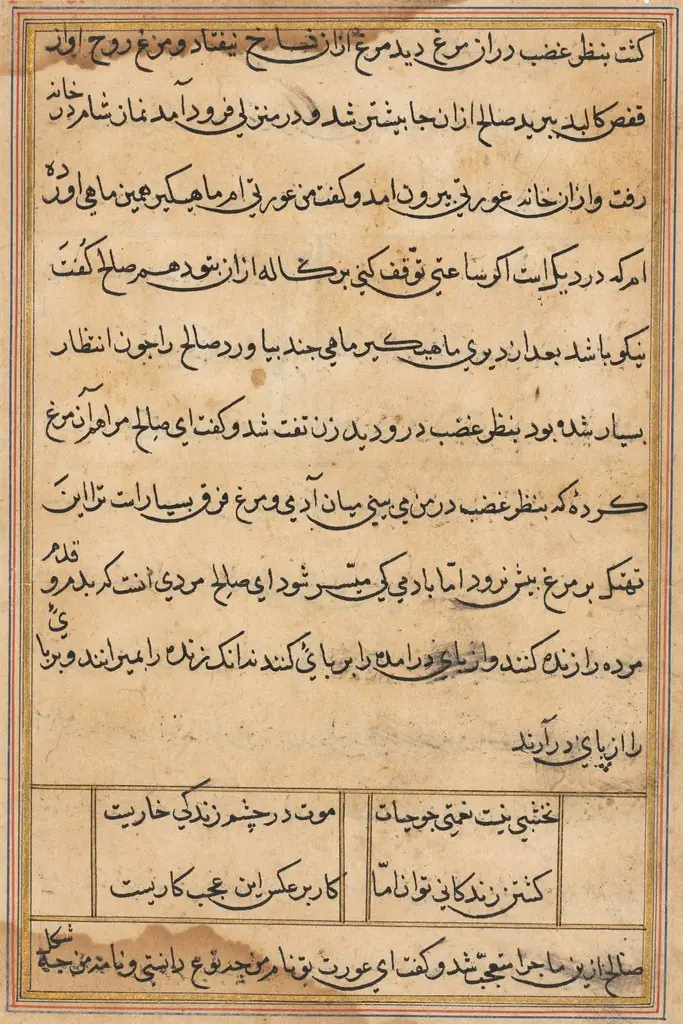 Page from Tales of a Parrot (Tuti-nama): text page
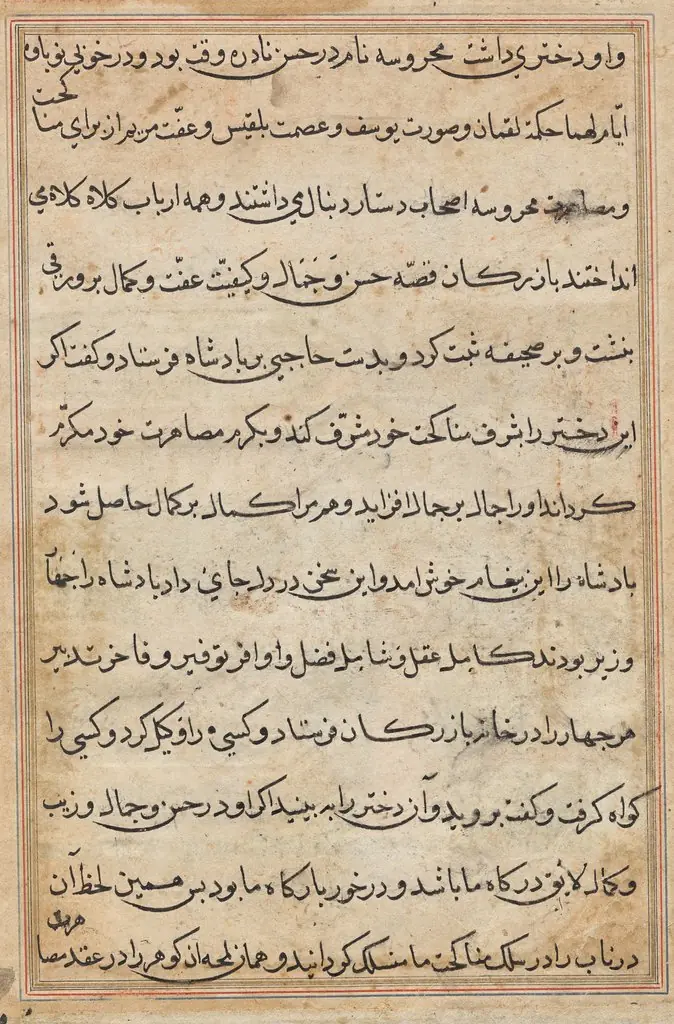 Page from Tales of a Parrot (Tuti-nama): text page
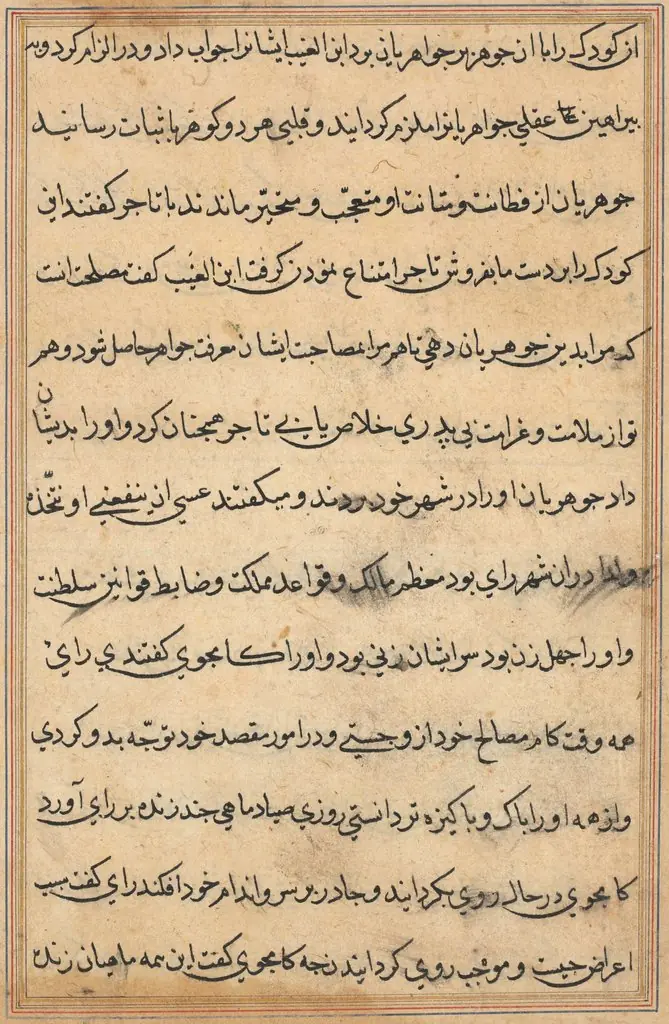 Page from Tales of a Parrot (Tuti-nama): text page
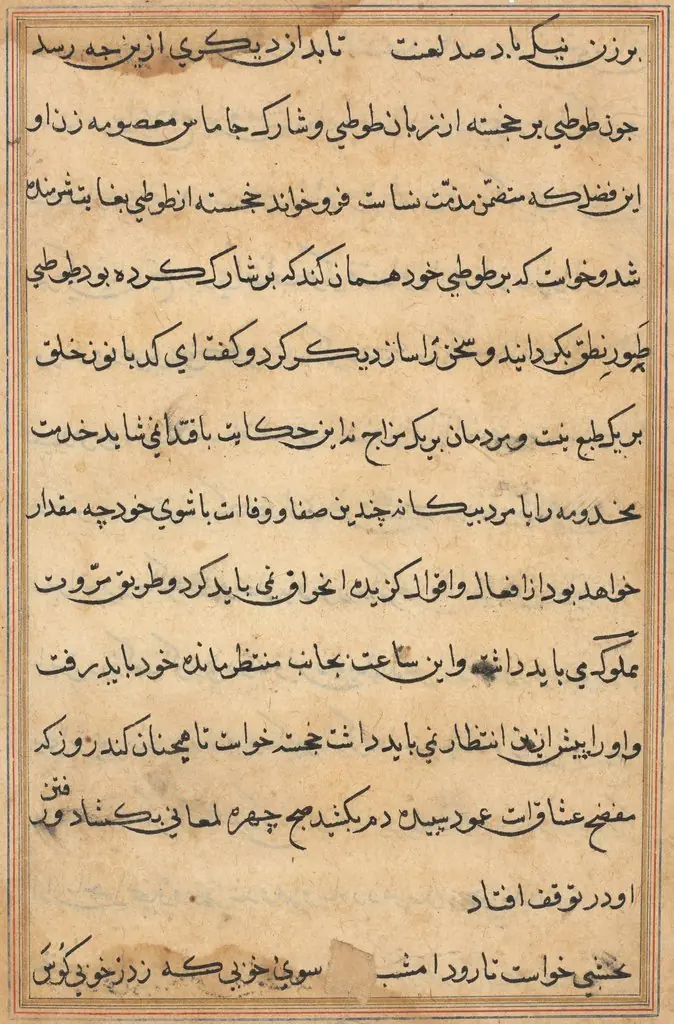 Page from Tales of a Parrot (Tuti-nama): text page
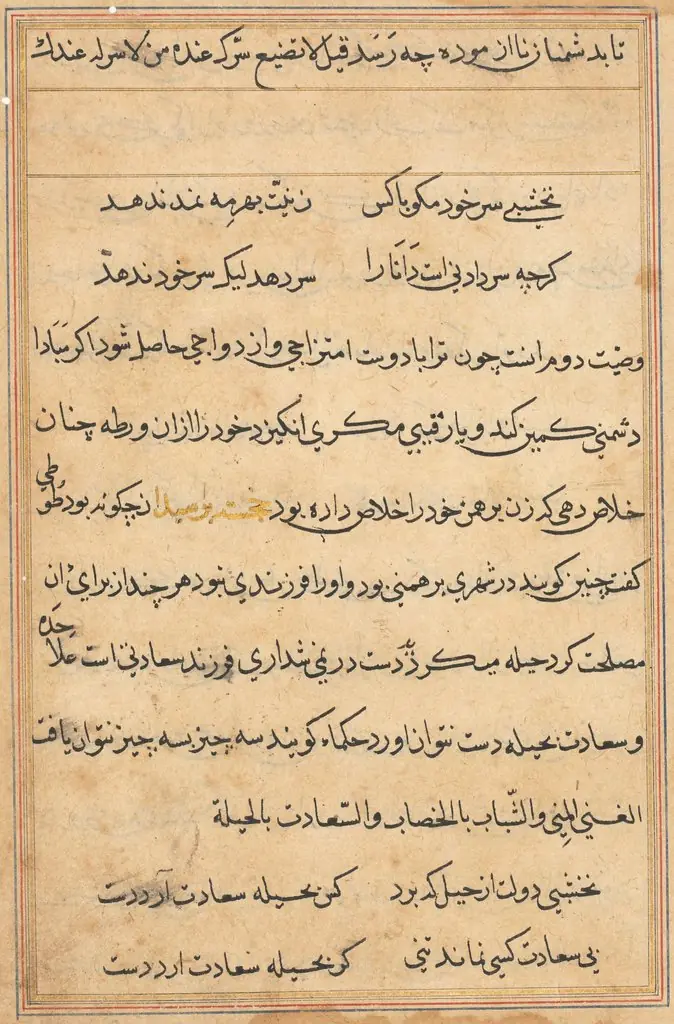 Page from Tales of a Parrot (Tuti-nama): text page
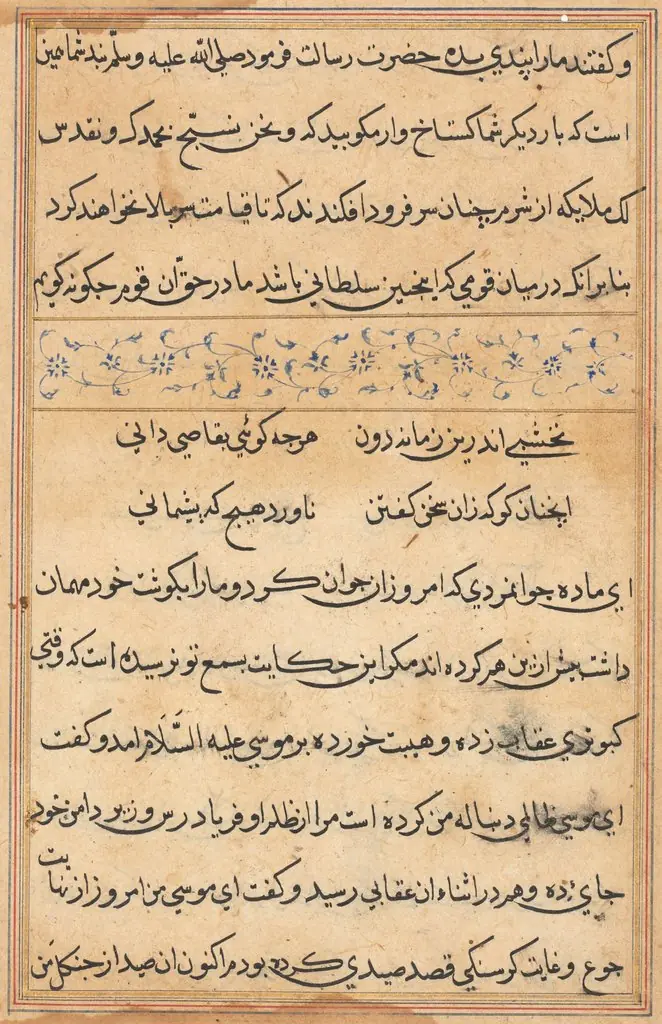 Page from Tales of a Parrot (Tuti-nama): text page
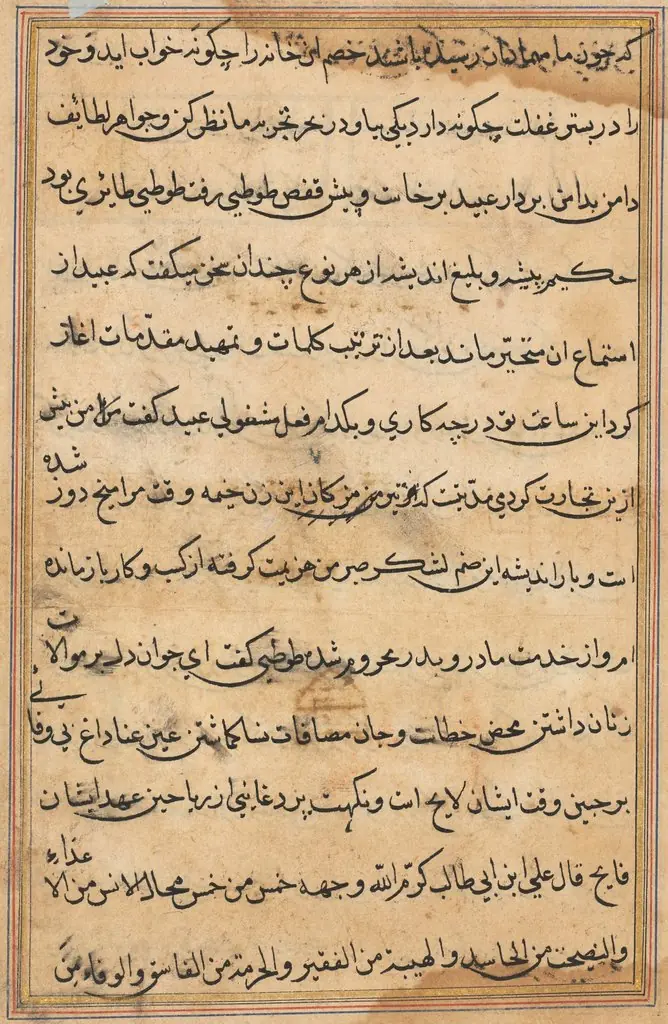 Page from Tales of a Parrot (Tuti-nama): text page
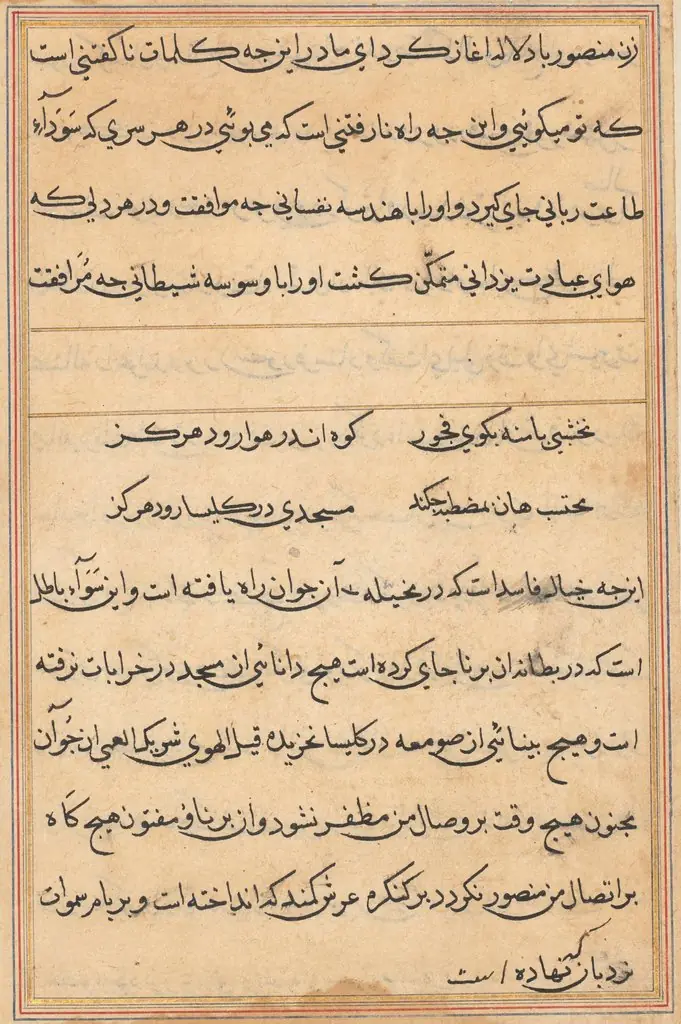 Page from Tales of a Parrot (Tuti-nama): text page