Artwork
Tantric Manuscript "Sangrahani Sutra"
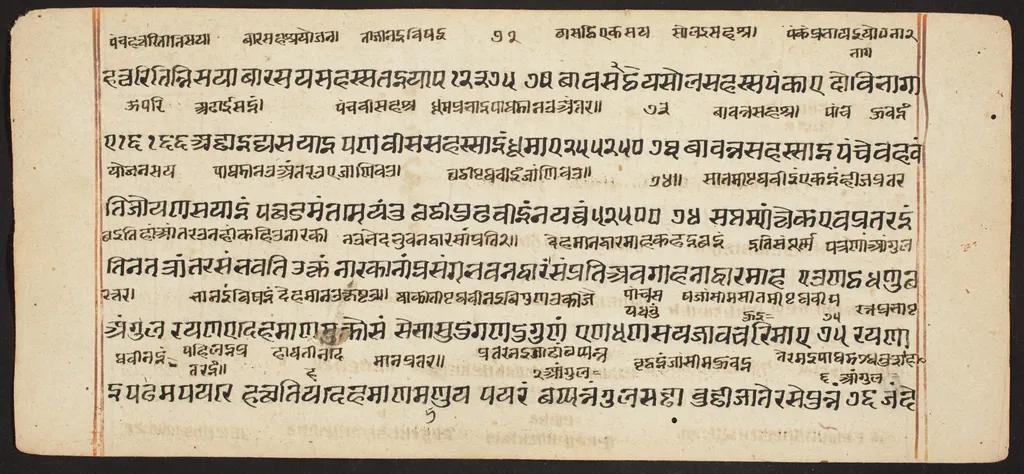
Tantric Manuscript "Sangrahani Sutra" is an unspecified painting by Unknown. It is held in the collection of the Detroit Institute of Arts. The work is a painted page from a Tantric manuscript known as the “Sangrahani Sutra.
About this work
Overview
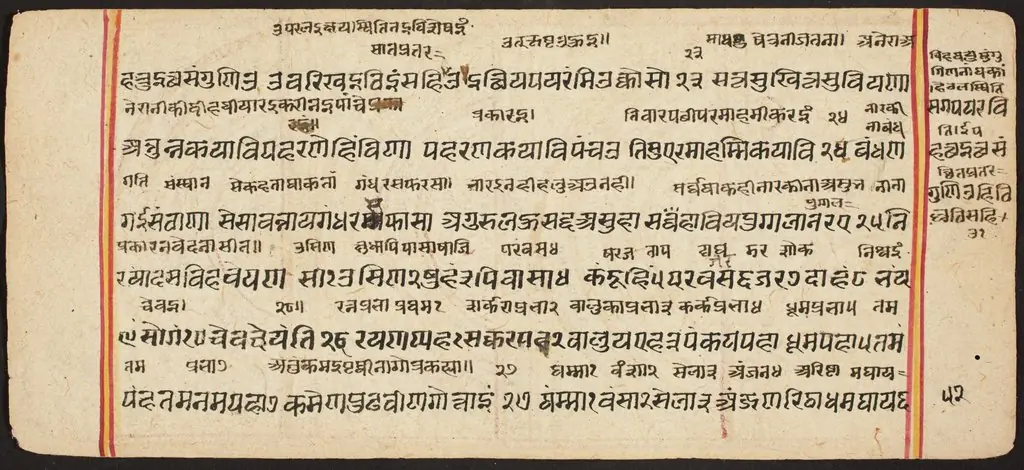
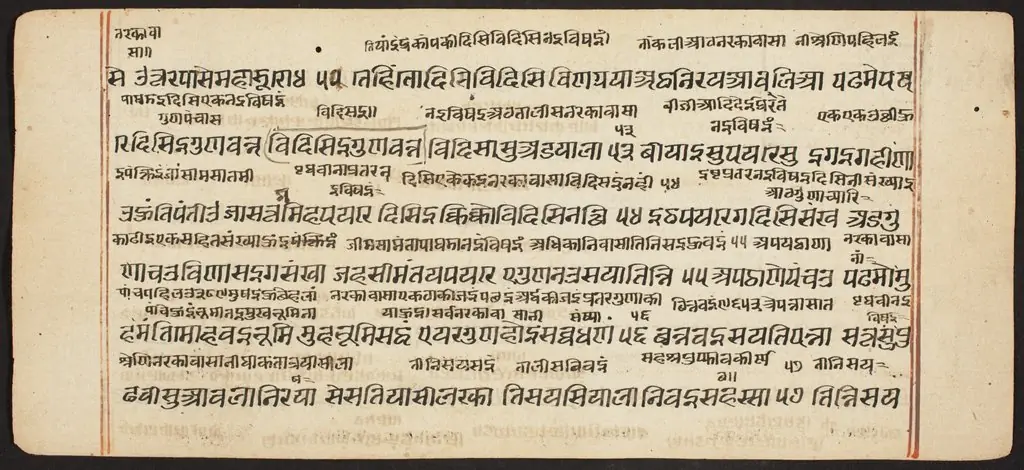
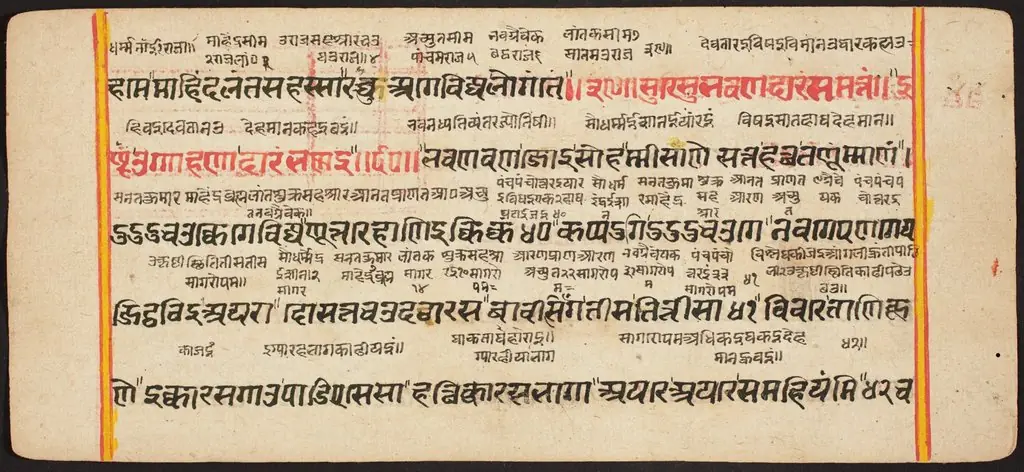
The work is a painted page from a Tantric manuscript known as the “Sangrahani Sutra.” Executed on a light‑colored paper or parchment, the piece presents dense black script set against a beige ground, with occasional red vertical strokes marking particular lines. It is part of the Detroit Institute of Arts’ collection and exemplifies the visual culture of esoteric religious texts.
Subject & Meaning
The manuscript’s title indicates a connection to Tantric practice, suggesting the text contains ritual instructions or doctrinal verses. The black lettering, likely rendered in a form of Sanskrit or Hindi, conveys a sacred discourse, while the red vertical markers may denote pauses, sections, or emphatic passages within the sutra.
Technique & Style
The page combines calligraphic precision with a modest painterly approach. Ink is applied in uniform, horizontal rows, creating a disciplined visual rhythm. The occasional red line, applied with a contrasting pigment, provides a simple yet functional visual cue, reflecting the manuscript’s utilitarian purpose rather than decorative ambition.
History & Provenance
Although the precise origin of the “Sangrahani Sutra” remains undocumented, its material and script suggest a South Asian production, likely between the 15th and 19th centuries. The page entered the Detroit Institute of Arts through acquisition, though details of its prior ownership are not publicly recorded.
Context
Tantric manuscripts such as this were traditionally used by practitioners for meditation, ritual, and transmission of secret teachings. The plain aesthetic aligns with the functional needs of monastic or scholarly environments, where clarity of text outweighed ornamental concerns.
Legacy
As a representative example of a Tantric script page, the work offers scholars insight into the material culture of esoteric Indian traditions. Its preservation within a major U.S. museum allows comparative study alongside other religious manuscripts, contributing to broader understandings of textual transmission and visual conventions in South Asian spirituality.
Artist & collection

 Domestic Scene
 Giacomo and Cardinal Marco, investing Andrea, Abbot of San Zeno, with his Benefice
 The Nymph of Fontainebleau
 Portrait of a Woman
 Madonna and Child with Saints in the Enclosed Garden
 Venus and Minerva
 Family Group of Four on Sofa
 Wall painting from Room H of the Villa of P. Fannius Synistor at Boscoreale
 Tantric Manuscript "Sangrahani Sutra"
 Tantric Manuscript "Sangrahani Sutra"
 Tantric Manuscript "Sangrahani Sutra"
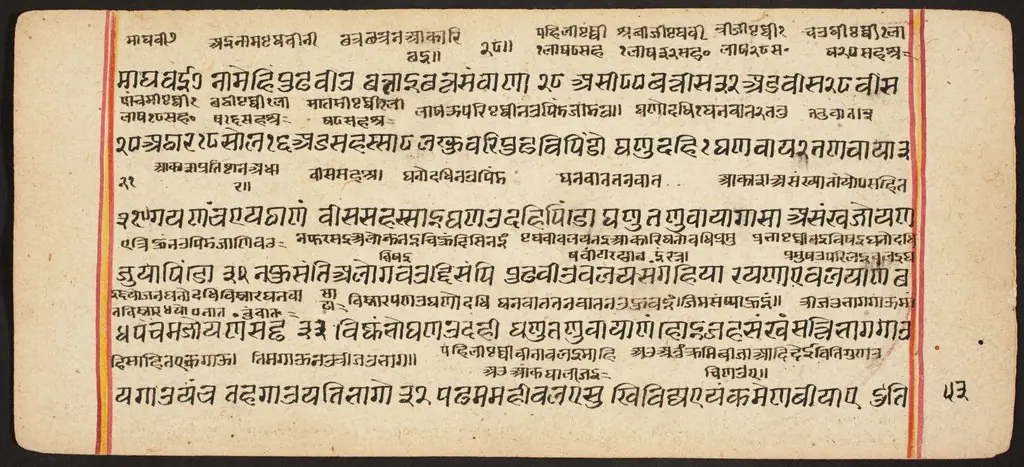 Tantric Manuscript "Sangrahani Sutra"
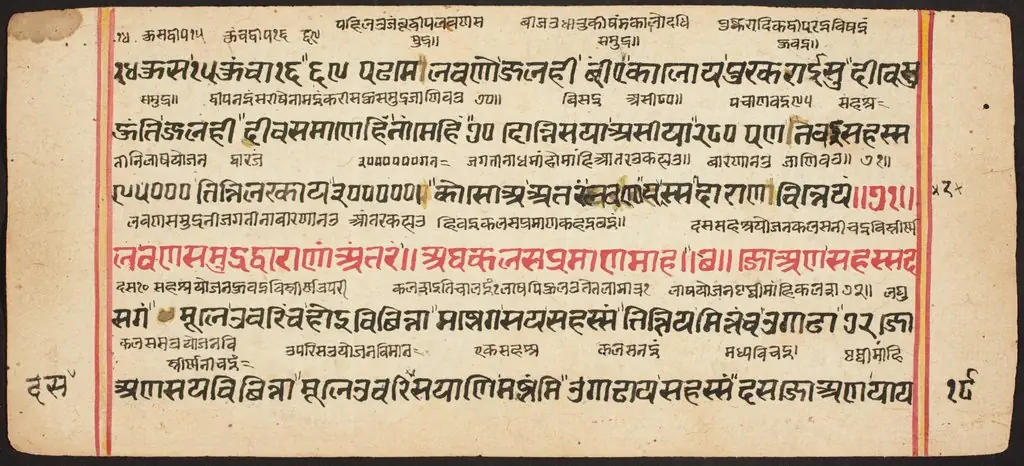 Tantric Manuscript "Sangrahani Sutra"
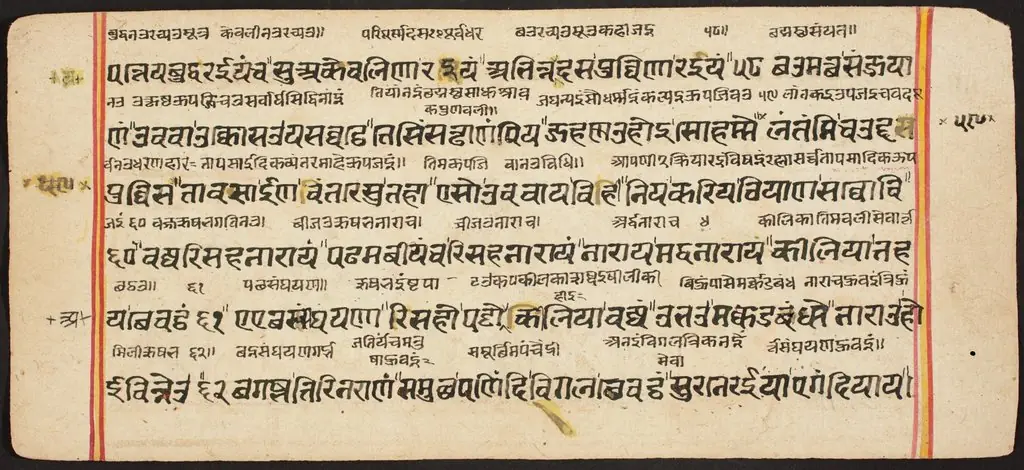 Tantric Manuscript "Sangrahani Sutra"
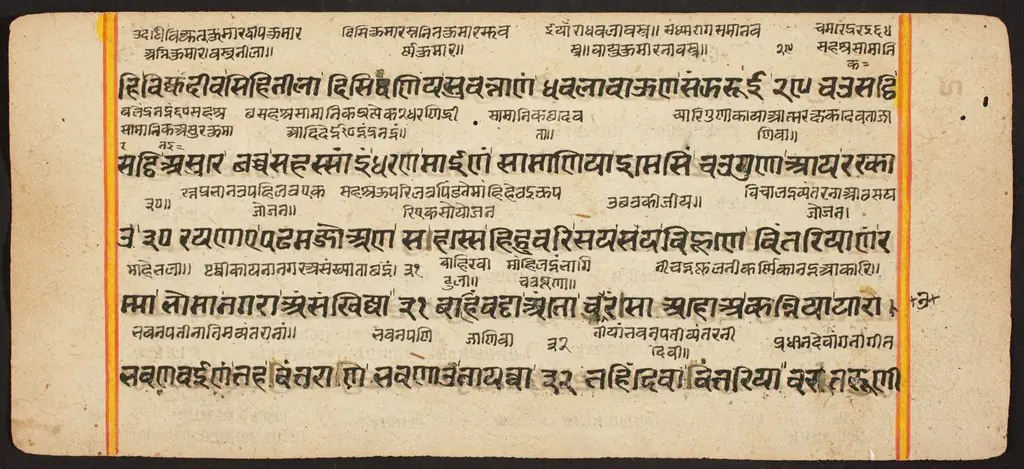 Tantric Manuscript "Sangrahani Sutra"
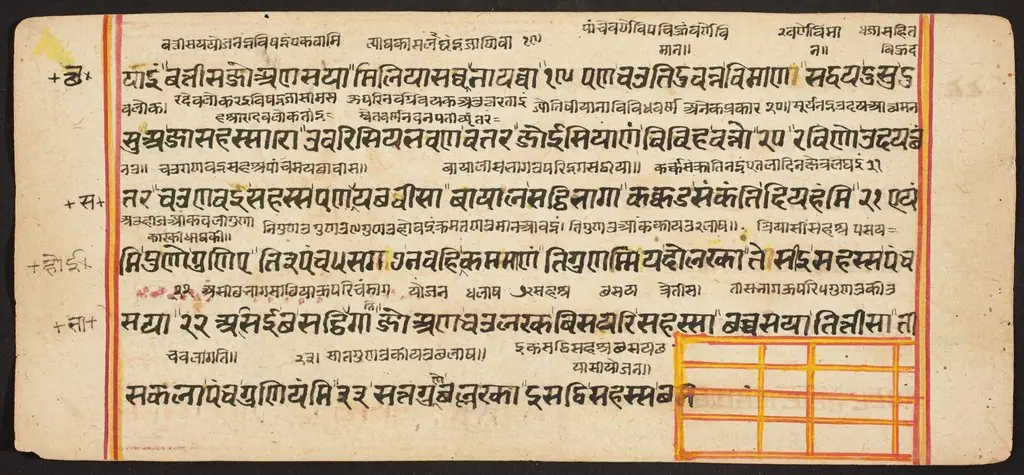 Tantric Manuscript "Sangrahani Sutra"
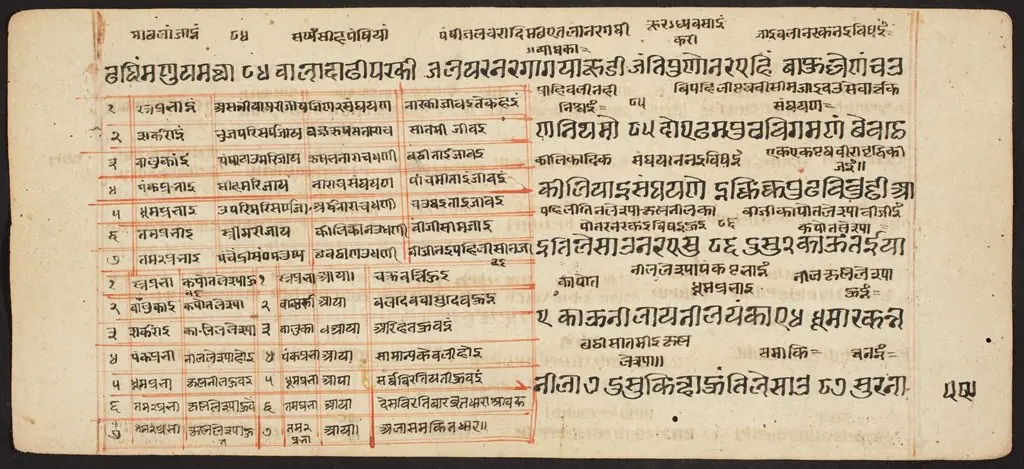 Tantric Manuscript "Sangrahani Sutra"
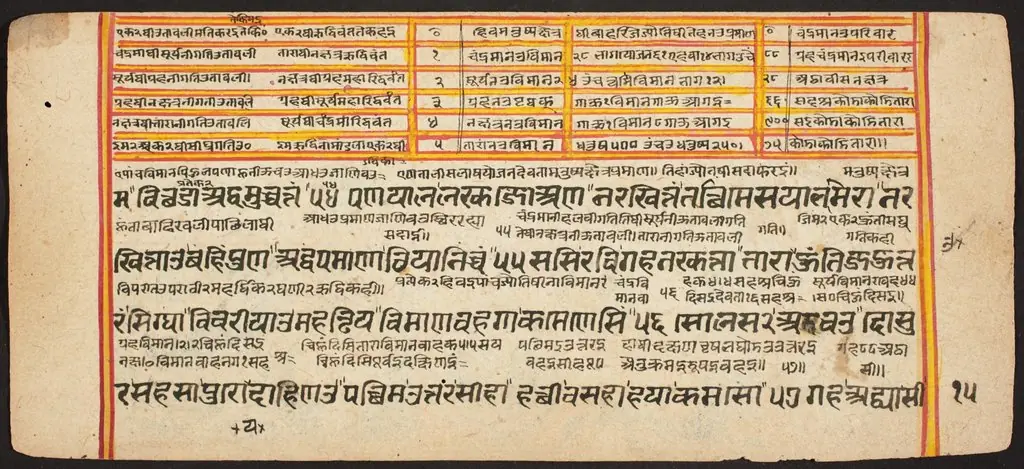 Tantric Manuscript "Sangrahani Sutra"