Artwork
Portrait of Lambert van Twenhuysen (....-1627)
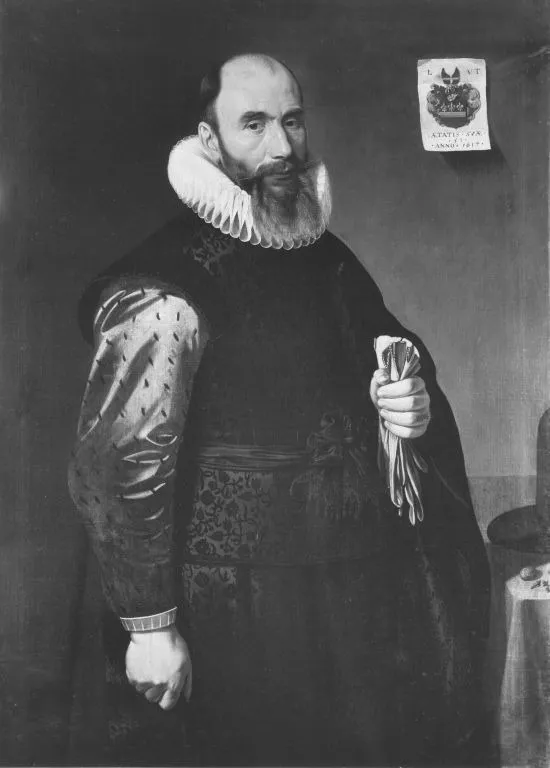
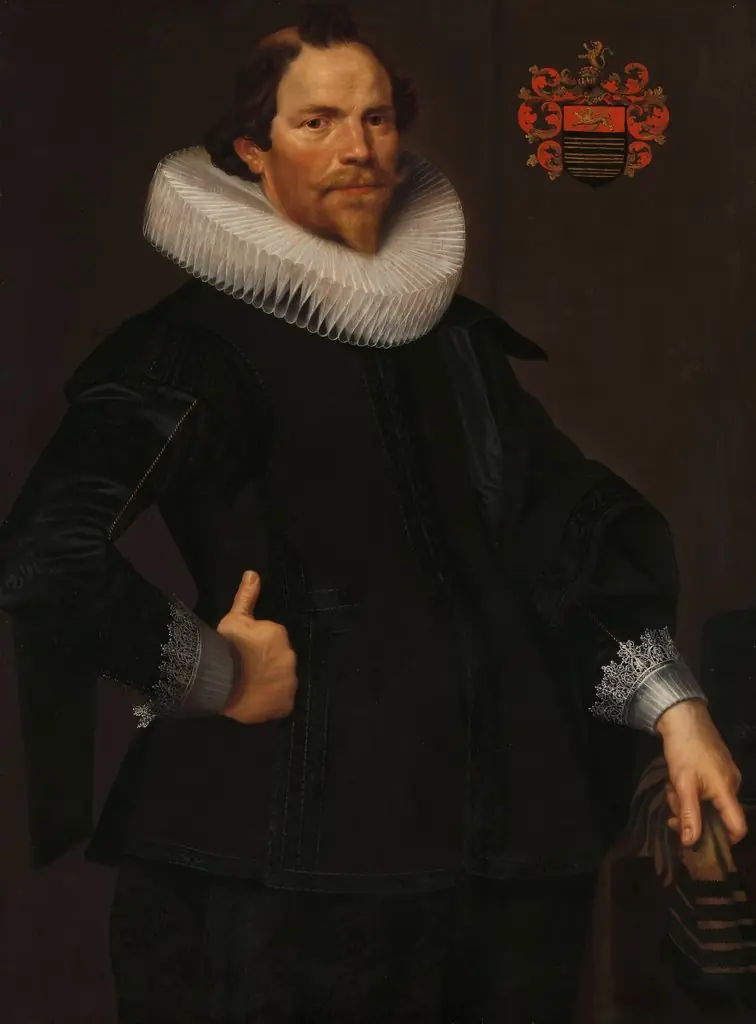
Portrait of Lambert van Twenhuysen (....-1627) is an oil painting by the Dutch Golden Age artist Unknown. It dates from 1617 and is held in the collection of the Bavarian State Painting Collections. The work is an oil painting portraying a bearded gentleman dressed in a dark, patterned doublet and a lighter shirt with puffed sleeves.
About this work
Overview
The work is an oil painting portraying a bearded gentleman dressed in a dark, patterned doublet and a lighter shirt with puffed sleeves. He holds a folded document in his right hand, and a modest wall plaque bearing a coat of arms appears behind him. The composition is rendered in monochrome tones, emphasizing form over colour.
Subject & Meaning
The sitter, identified as Lambert van Twenhuysen (d. 1627), is presented with a white beard and a ruff collar, typical of early‑17th‑century Dutch fashion. The inclusion of a document suggests a professional or civic role, while the heraldic plaque hints at family status or affiliation.
Technique & Style
The portrait employs chiaroscuro, with side lighting that isolates the face and hands from a dark background. This contrast accentuates facial features and the texture of the clothing, creating a three‑dimensional effect despite the limited colour palette.
History & Provenance
Created in the early 1600s, the painting has been associated with the van Twenhuysen family lineage. Documentation traces its ownership through private collections before entering a museum context, where it now serves as a reference for Dutch portraiture of the period.
Context
During the Dutch Golden Age, portraiture often highlighted civic pride and personal achievement. The subject’s attire, the ruff, and the heraldic element reflect contemporary conventions of status representation among the merchant and professional classes.
Legacy
The work remains a valuable example of early Dutch portraiture, illustrating the use of chiaroscuro to convey character and rank. It contributes to scholarly understanding of regional dress, heraldic symbolism, and the visual language of status in the early seventeenth century.
Artist & collection

 Domestic Scene
 Giacomo and Cardinal Marco, investing Andrea, Abbot of San Zeno, with his Benefice
 The Nymph of Fontainebleau
 Portrait of a Woman
 Madonna and Child with Saints in the Enclosed Garden
 Venus and Minerva
 Family Group of Four on Sofa
 Wall painting from Room H of the Villa of P. Fannius Synistor at Boscoreale
 Portrait of Sir Pieter Courten (1581-1630)
 Bildnis eines Mannes
 Portrait of Petrus Ricardus
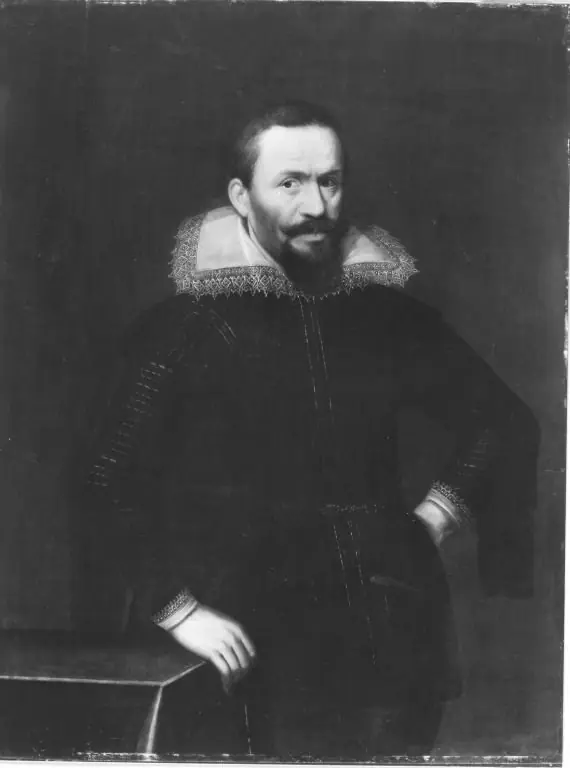 Portrait of an unknown man aged 41 year
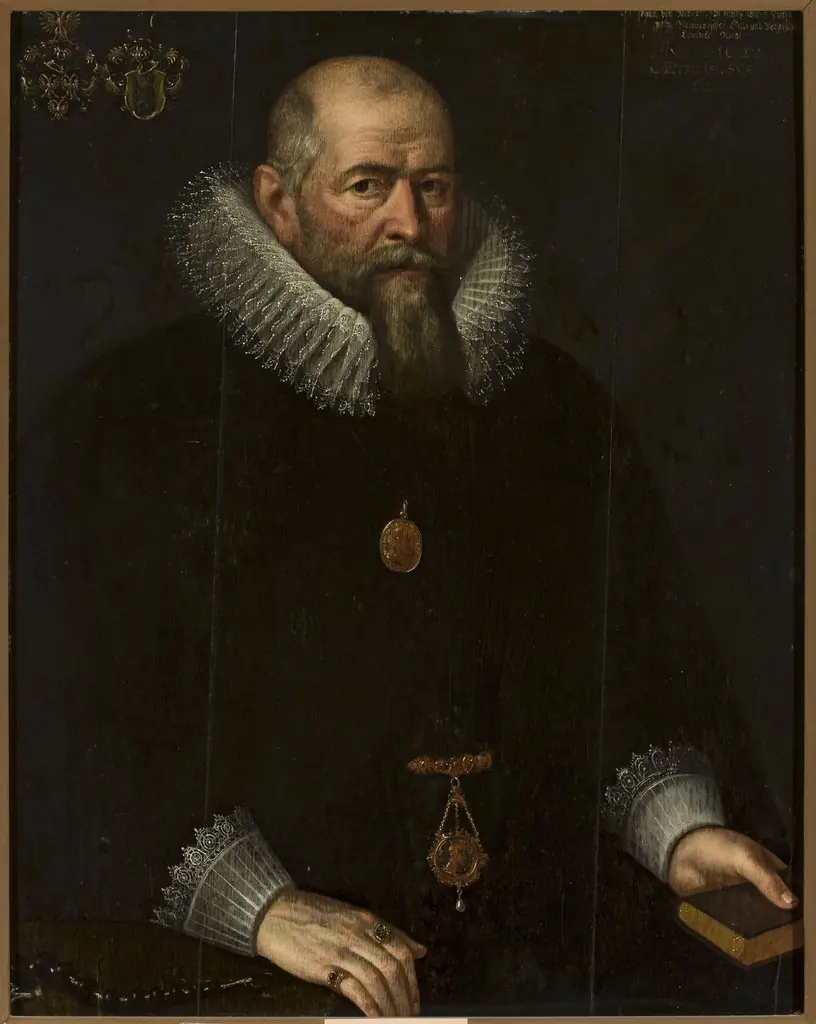 Portrait of Johan von Megen
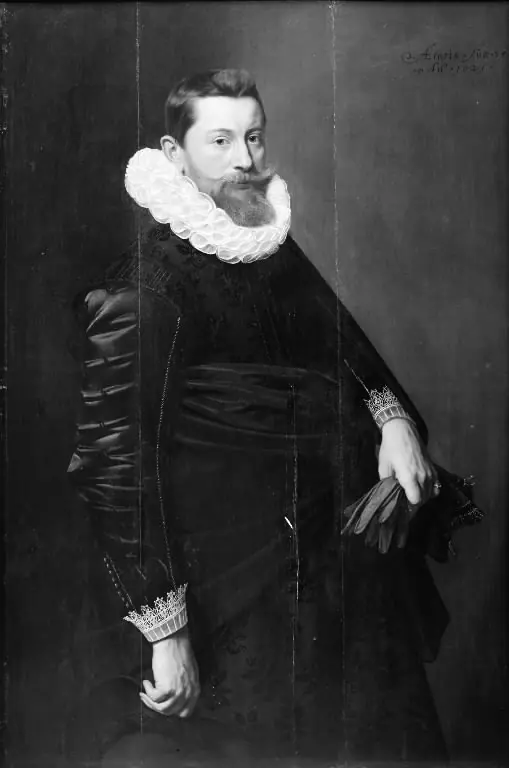 Portrait of a Gentleman
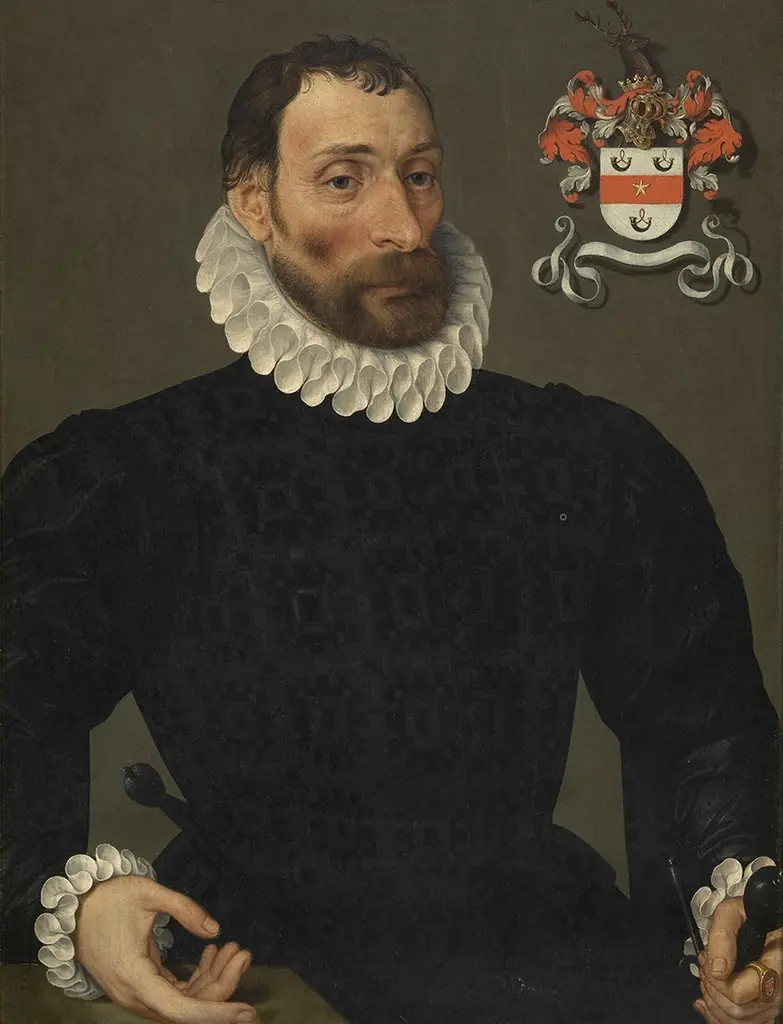 Portrait of Jan Wyts
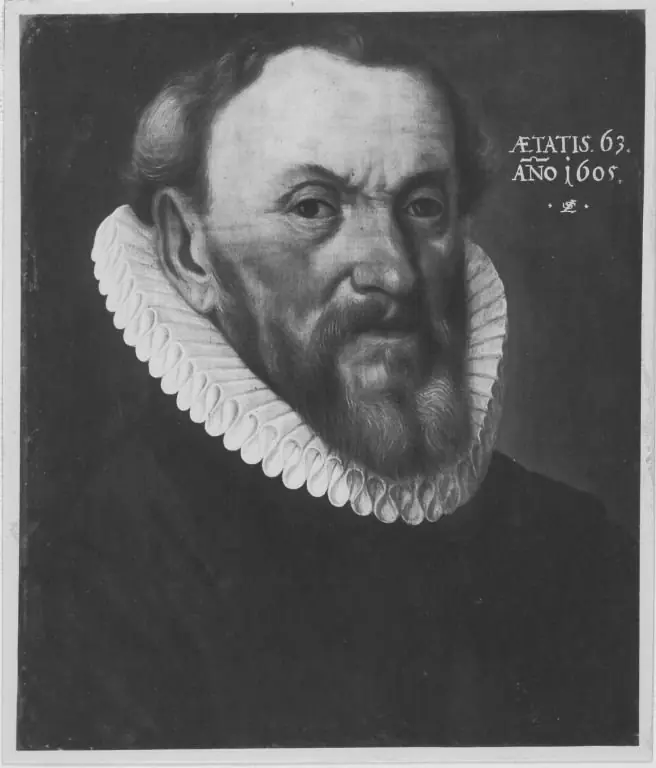 Bildnis eines bärtigen Mannes
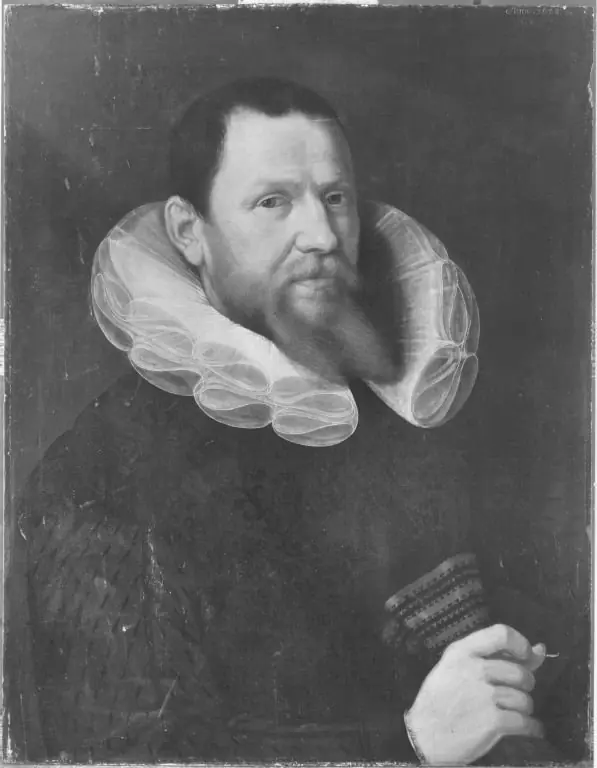 Bildnis eines Mannes
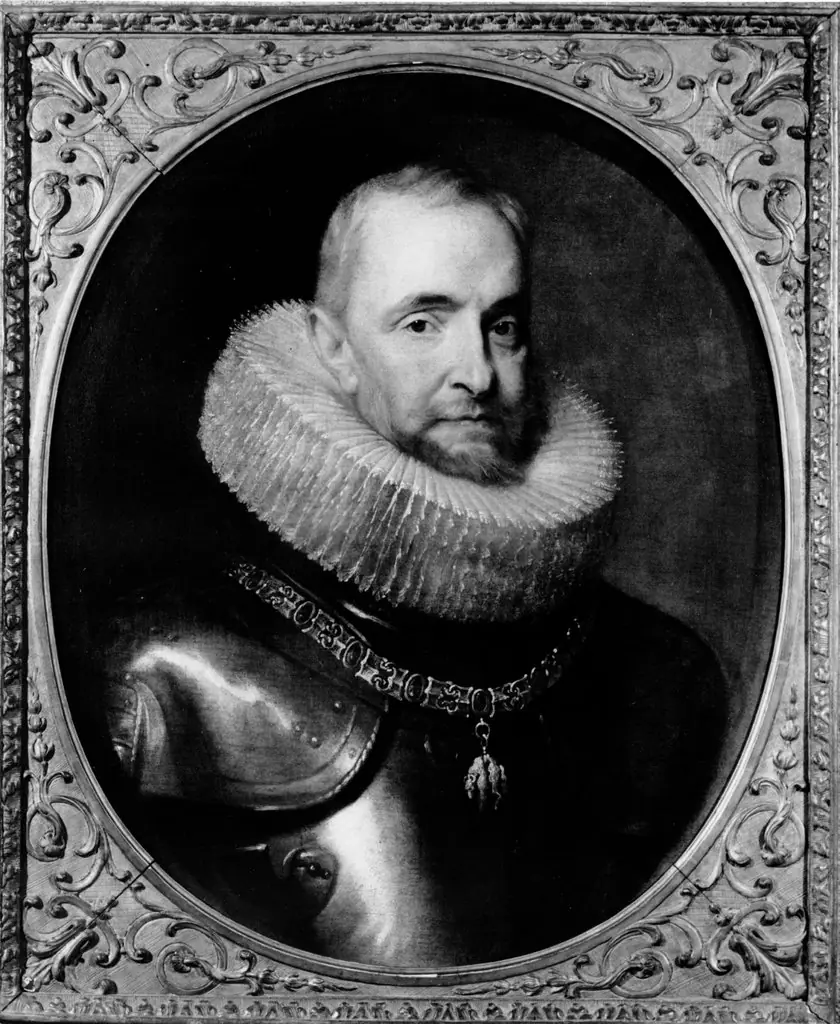 Bust portrait of Ambrogio Spinola
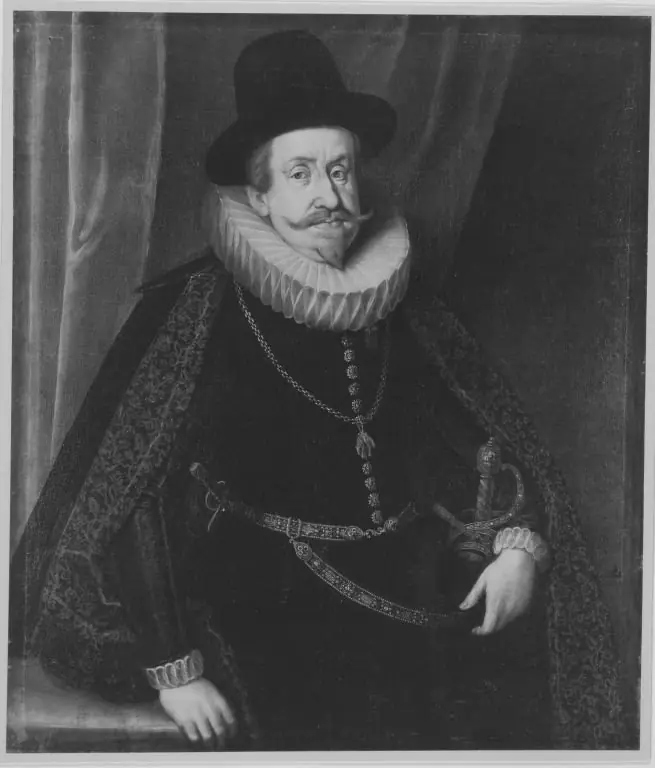 Kaiser Ferdinand II.
 Portrait of Pieter van Son (c. 1590-1654)