Artwork
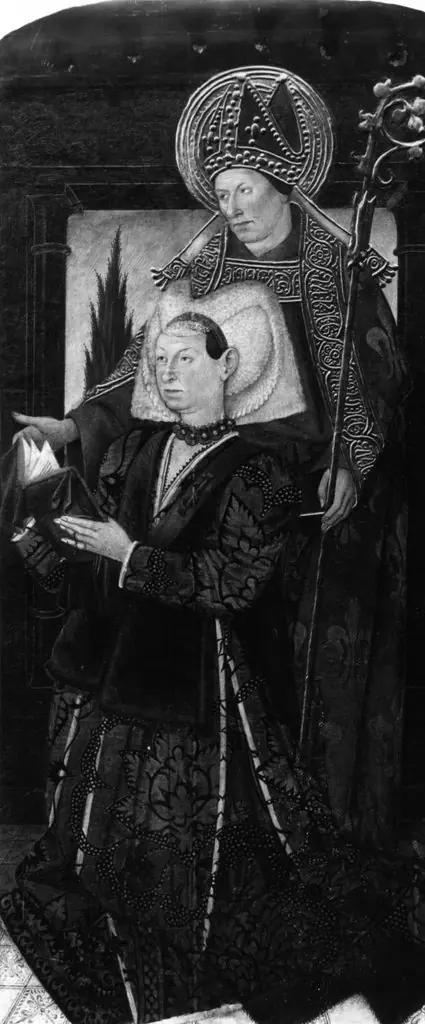
Saint Louis Toulouse with kneeling Donor
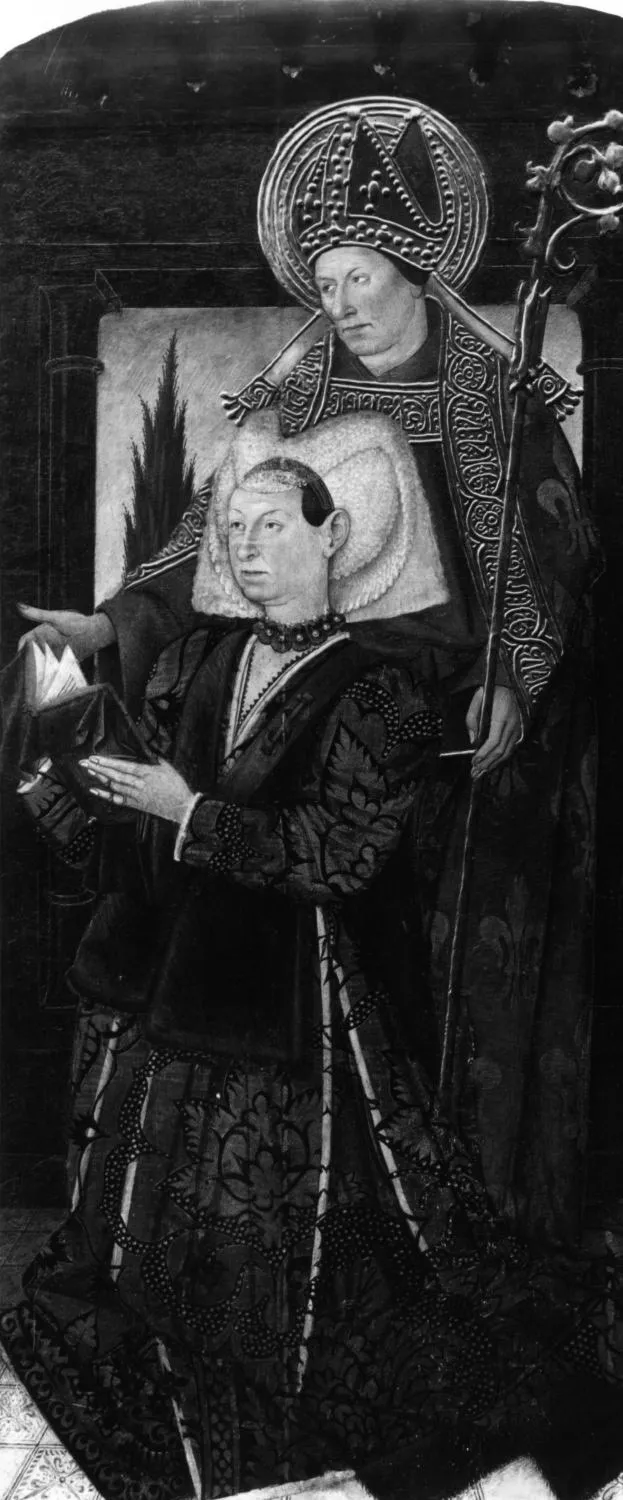
Saint Louis Toulouse with kneeling Donor is an unspecified painting by Unknown. It dates from 1450 and is held in the collection of the Gemäldegalerie Berlin.
About this work
Overview
The work is a painted panel depicting a figure in regal robes and a crown, holding a staff, standing behind a kneeling man who holds an open book. The seated figure wears a dark, patterned robe, and the setting is rendered in subdued tones with hints of an interior space. The composition suggests a devotional scene typical of medieval religious art.
Subject & Meaning
The standing figure is identified as Saint Louis of Toulouse, a 13th‑century bishop known for his renunciation of wealth and dedication to the poor. The kneeling individual is likely the donor, presented in a posture of reverence, offering a book that may symbolize piety or a patron’s contribution to the church.
Technique & Style
Executed in tempera on panel, the painting employs a limited palette of deep shadows contrasted with lighter areas to suggest depth. Linear detailing defines the garments and staff, while the patterned fabric of the donor’s robe reflects contemporary textile designs. The overall style aligns with late medieval iconography, emphasizing solemnity over naturalism.
History & Provenance
The work originates from a period when donor portraits were incorporated into devotional images to honor benefactors. While specific ownership records are scarce, such panels were typically commissioned for private chapels or ecclesiastical settings, linking the donor’s identity with the saint’s intercession.
Context
Saint Louis of Toulouse was venerated for his charitable deeds and his role as a royal saint who chose a religious life. Including his image alongside a patron underscores the medieval belief in intercessory prayer and the reciprocal relationship between the faithful and the holy.
Legacy
The painting exemplifies the integration of donor portraiture within sacred art, a practice that persisted into the Renaissance. It offers insight into the devotional practices and artistic conventions of its era, informing contemporary understanding of medieval patronage and saintly representation.
Artist & collection

 Domestic Scene
 Giacomo and Cardinal Marco, investing Andrea, Abbot of San Zeno, with his Benefice
 The Nymph of Fontainebleau
 Portrait of a Woman
 Madonna and Child with Saints in the Enclosed Garden
 Venus and Minerva
 Family Group of Four on Sofa
 Wall painting from Room H of the Villa of P. Fannius Synistor at Boscoreale
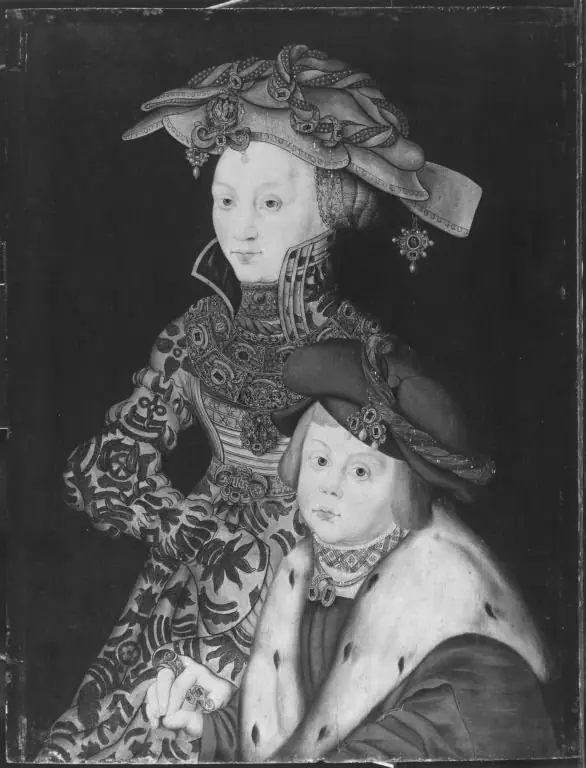 Johann Friedrich von Sachsen ("der Großmütige") als Knabe und seine Mutter Sophie von Mecklenburg
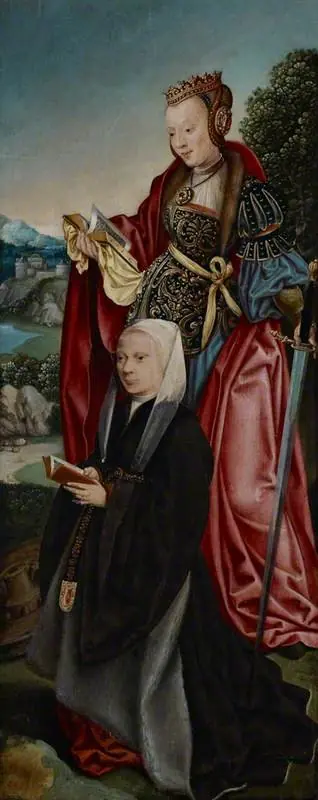 Saint Catherine and the Donor's Wife
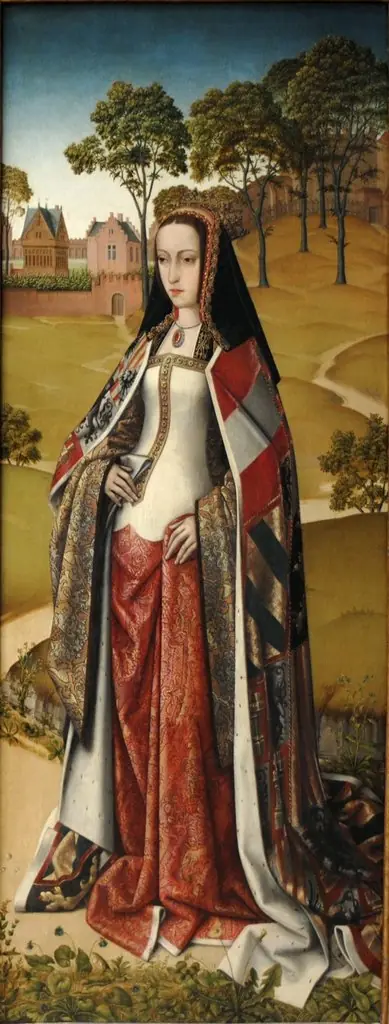 Portrait of Joan of Castile
 Portraits of Queen Petronila of Aragon and Count Ramón Berenguer IV of Barcelona
 Beweinungsaltar: Hl. Katharina mit Stifterin
 Saint Catherine
 Woman from Hensbroek in country dress
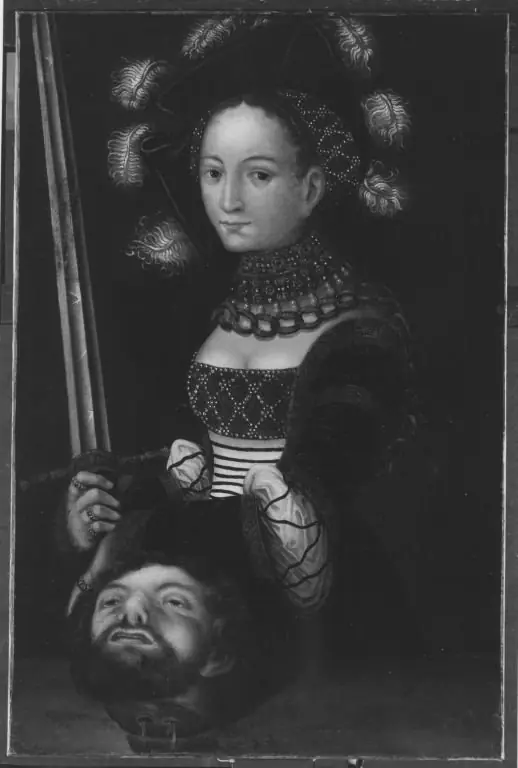 Judith with the head of Holopherne
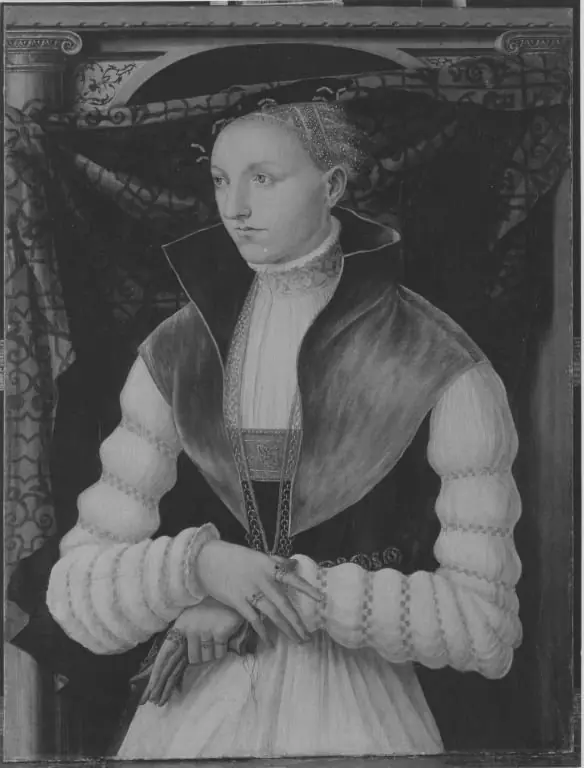 Bildnis einer Dame (?)
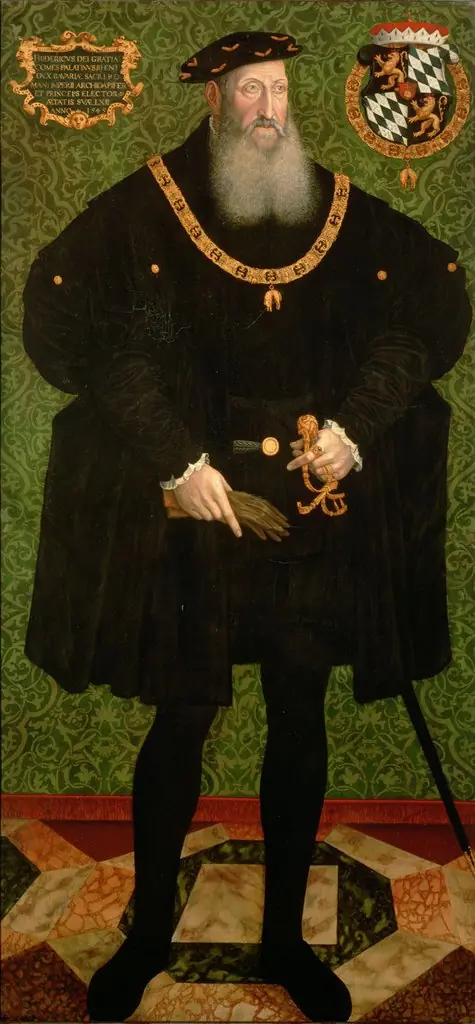 Pfalzgraf Friedrich II. (1482-1556), in ganzer Figur
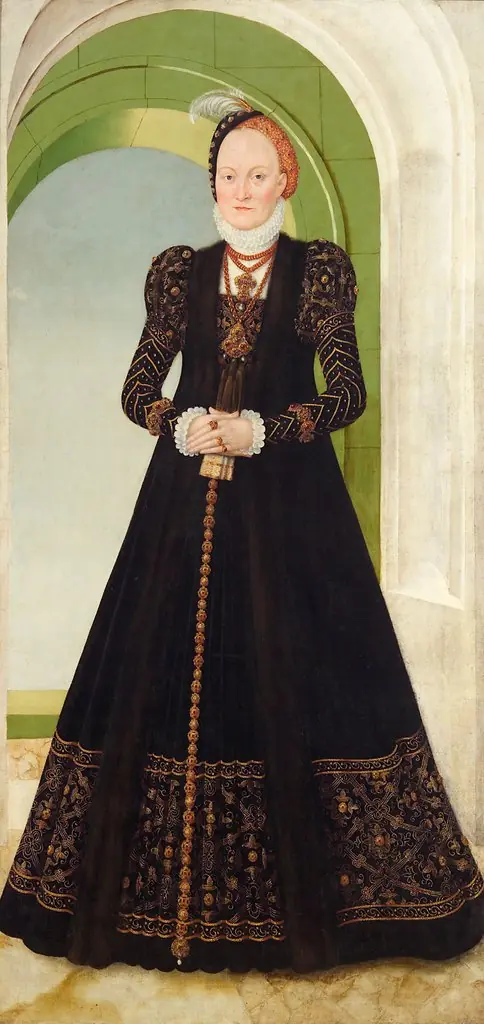 Anna of Denmark, Duchess of Saxony
 Saint Louis Toulouse with kneeling Donor