Artwork
Anna of Denmark, Duchess of Saxony
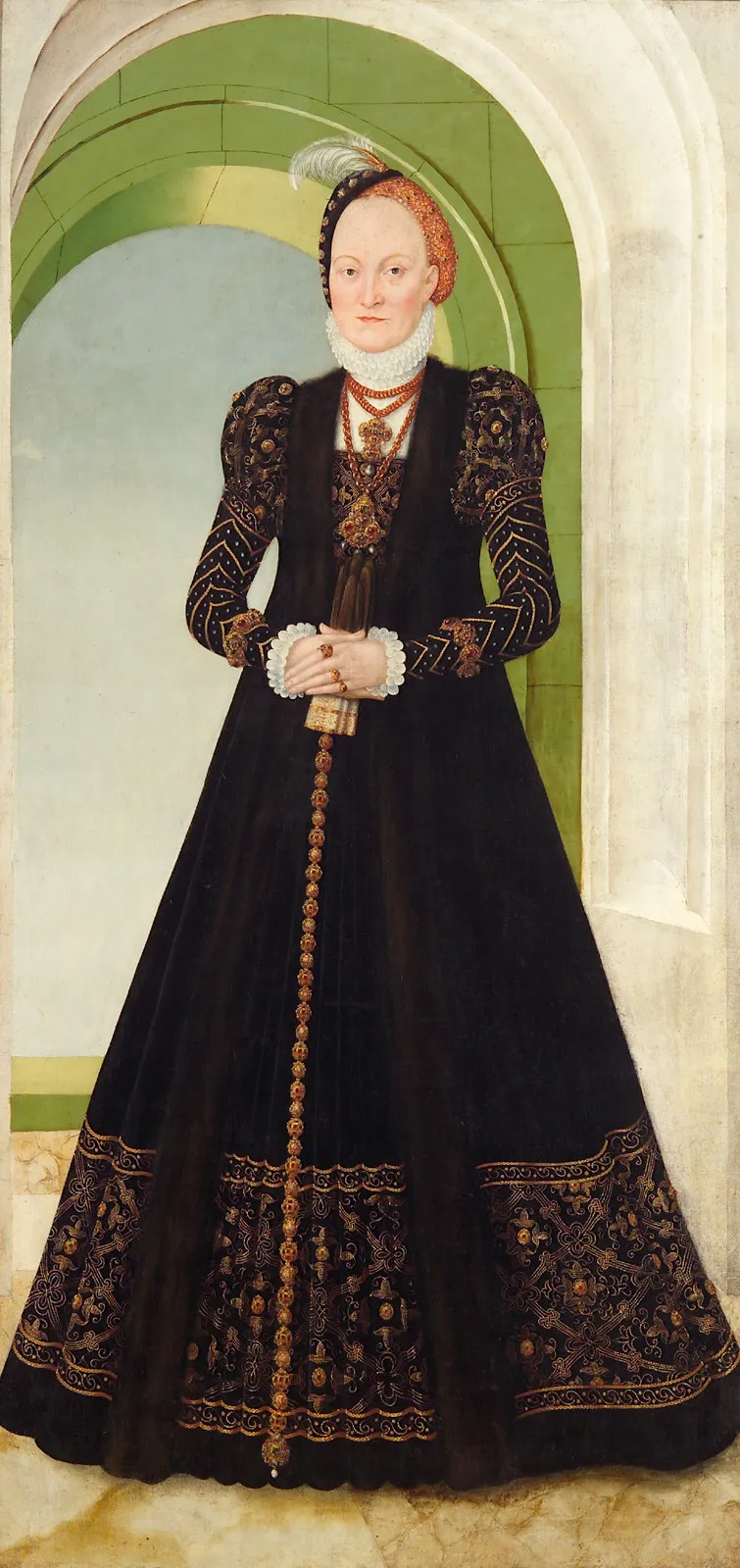
Anna of Denmark, Duchess of Saxony is an unspecified painting by the Northern Renaissance artist Lucas Cranach the Younger. It dates from 1565 and is held in the collection of the Kunsthistorisches Museum.
About this work
Overview
Painted in 1565 by Lucas Cranach the Younger, this portrait captures Anna of Denmark, Duchess of Saxony, as a noblewoman of the German Renaissance court.
Painted in 1565 by Lucas Cranach the Younger, this portrait captures Anna of Denmark, Duchess of Saxony, as a noblewoman of the German Renaissance court. Executed in the Northern Renaissance tradition, the work reflects the period’s focus on precise detail and social signaling through dress and setting. It resides in the Kunsthistorisches Museum in Vienna, where it remains a key example of 16th-century aristocratic portraiture.
Subject & Meaning
Anna of Denmark, wife of Duke Maurice of Saxony, is portrayed not merely as an individual but as a symbol of dynastic status. Her formal attire, including the black gown with gold embroidery and ornate headwear, conveys wealth and rank. The small white object she holds may signify piety or domestic virtue, aligning with ideals of noble femininity. The painted doorway suggests a threshold between private and public life, reinforcing her role within courtly structure.
Technique & Style
Cranach employed fine brushwork to render textures with clinical precision: the sheen of silk, the glint of gold thread, the crispness of the ruff collar. The palette is restrained, dominated by black and white with accents of gold, emphasizing elegance over color. Background elements are minimized, directing focus to the sitter’s composed posture and intricate costume. The style reflects the Northern Renaissance’s commitment to observable reality and material detail.
History & Provenance
Commissioned during Anna’s tenure as Duchess of Saxony, the portrait likely served to affirm her status within the Wettin court. It entered the Habsburg collections in the 17th century and was later integrated into the Kunsthistorisches Museum’s holdings. Its continuous presence in imperial collections underscores its perceived value as a record of noble identity and political lineage.
Context
In mid-16th-century Germany, portraiture functioned as a tool of political and social representation. Noblewomen like Anna were depicted with symbolic accessories and sumptuous garments to assert their family’s power and moral standing. Cranach’s workshop, long associated with Saxon courts, produced such images to reinforce alliances and dynastic prestige amid religious and territorial upheavals.
Legacy
The portrait endures as a representative example of Cranach the Younger’s mature style and the broader tradition of German court portraiture. It offers insight into how elite women were visually constructed in the Reformation era—calm, composed, and adorned with the markers of authority. Its preservation in a major European museum ensures its continued study as a cultural artifact of its time.
Artist & collection
Artist
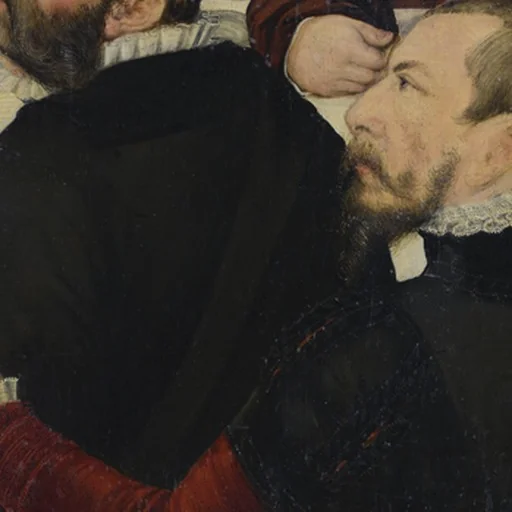
Lucas Cranach the Younger (German: Lucas Cranach der Jüngere, IPA: ; 4 October 1515 – 25 January 1586) was a German Renaissance painter and portraitist, the son of Lucas Cranach the Elder and brother of Hans Cranach.

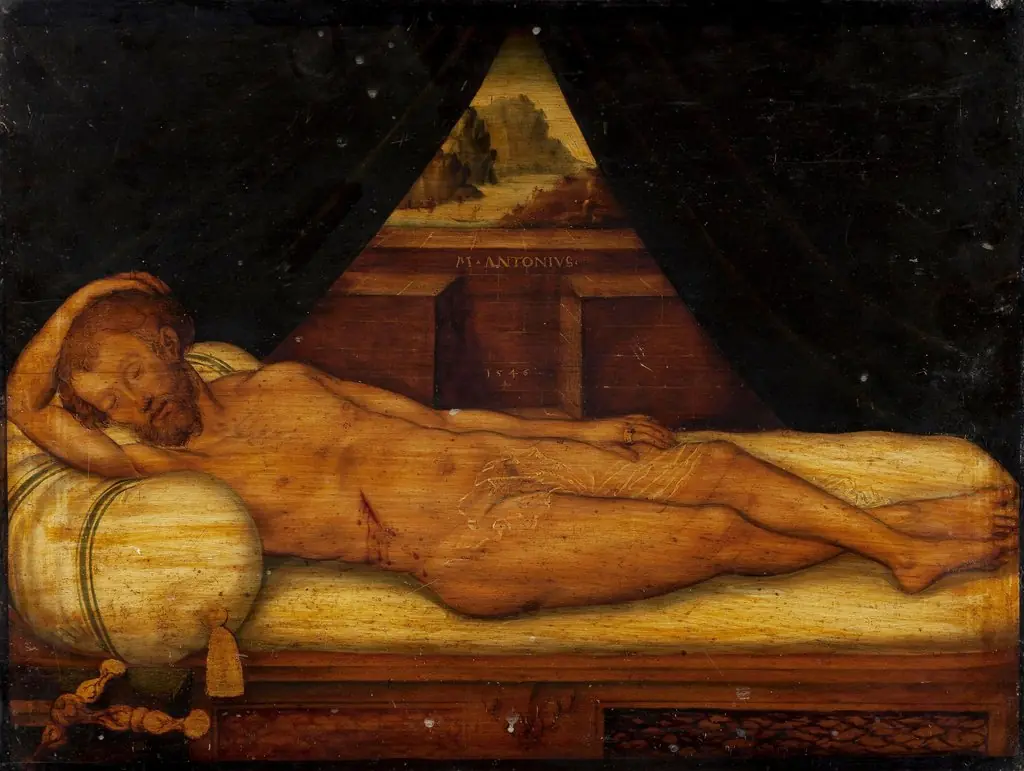
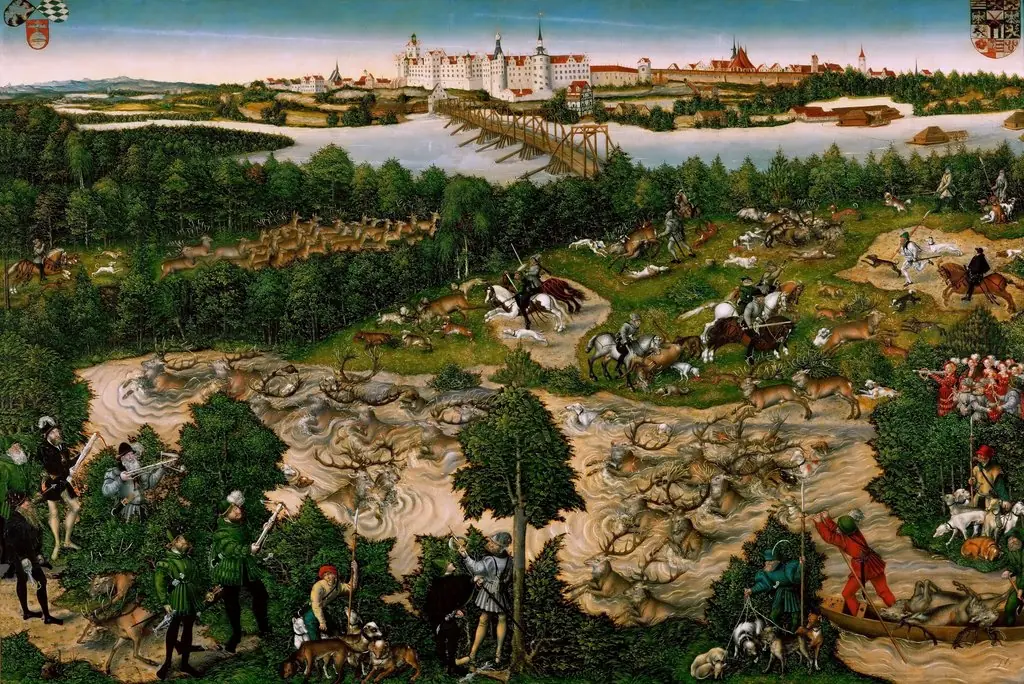
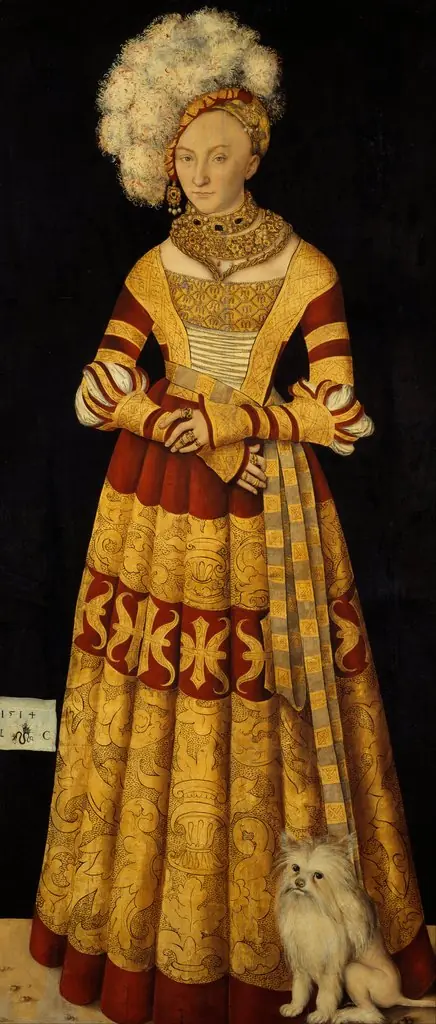 Duchess Katharina of Mecklenburg (1487-1561)
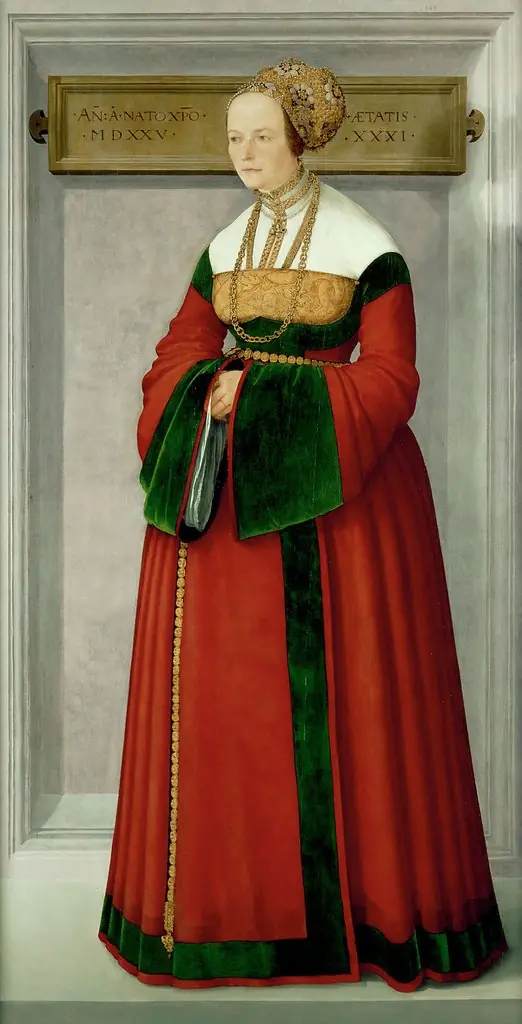 Portrait of a Woman
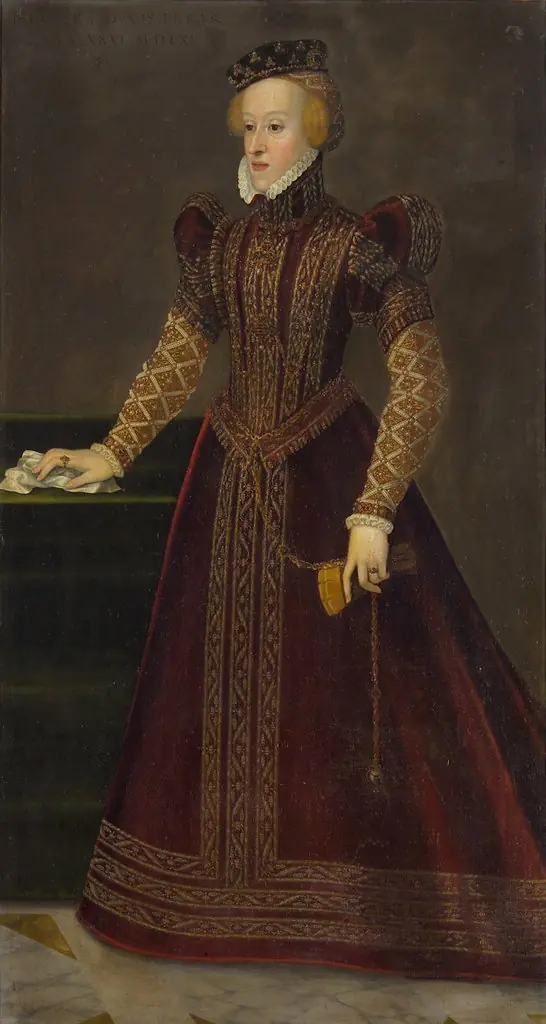 Erzherzogin Barbara (1539-1572), Herzogin von Ferrara in ganzer Figur
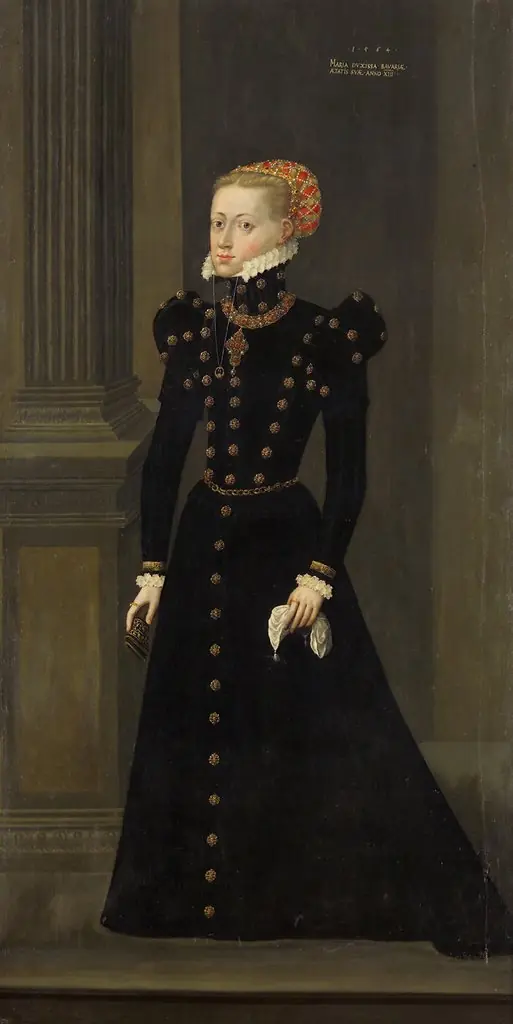 Maria (1551-1608), Herzogin in Bayern, Erzherzogin, im Alter von 13 Jahren
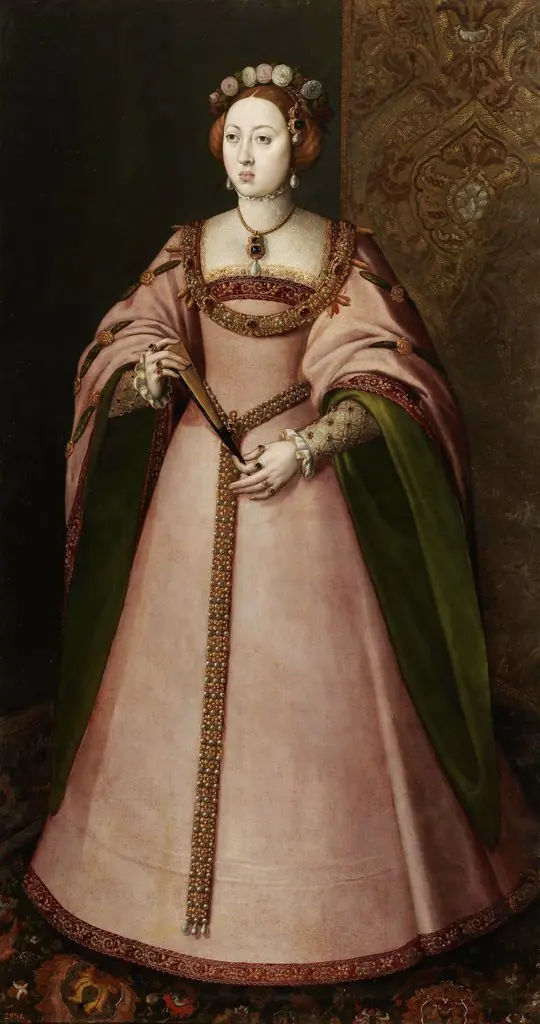 Mary of Portugal (1527–1545)
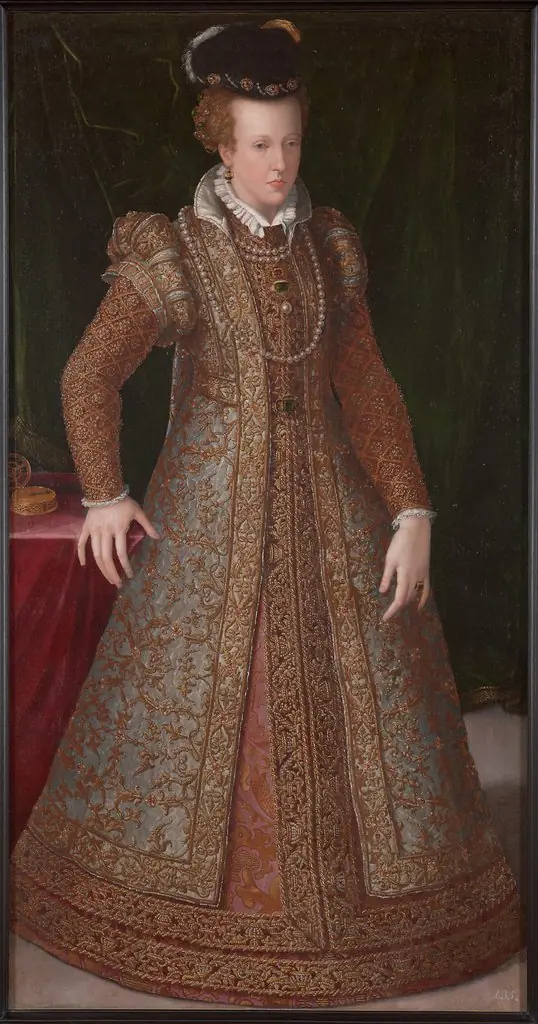 Portrait of Joanna of Austria, Grand Duchess of Tuscany
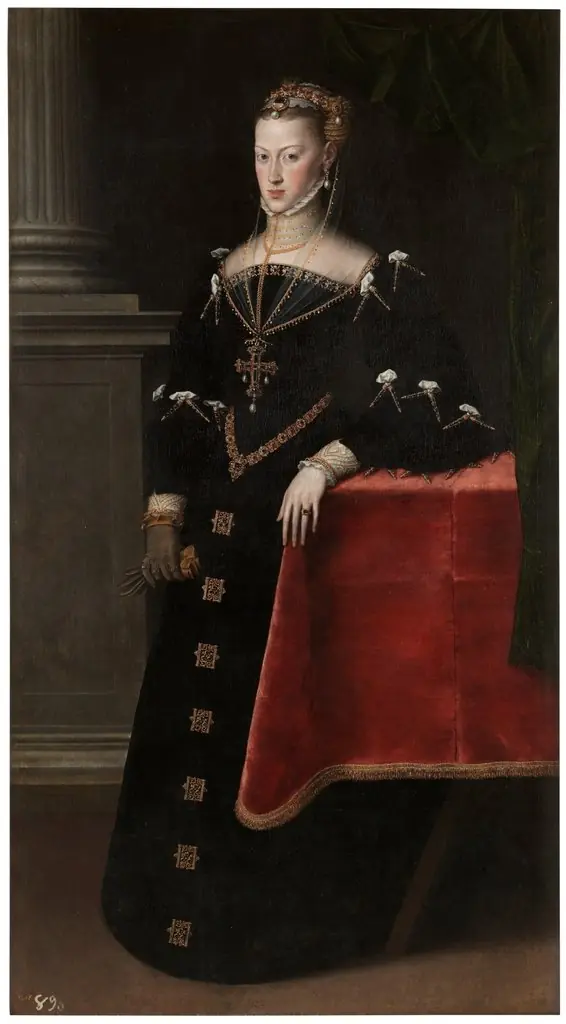 Empress Maria of Austria, Wife of Maximilian II
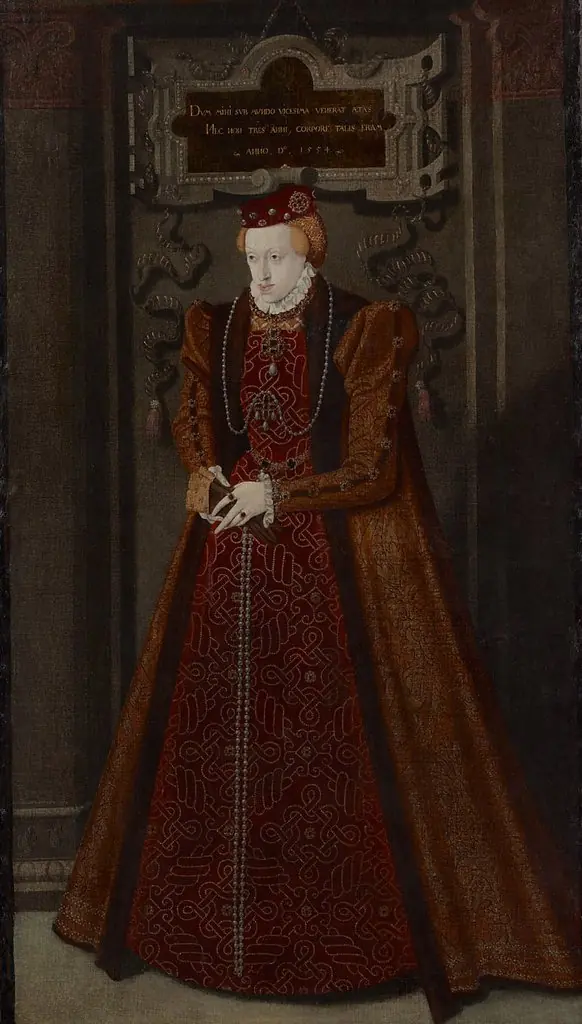 Erzherzogin Maria (1531-1581), Herzogin von Jülich - Cleve - Berg, Bildnis in ganzer Figur
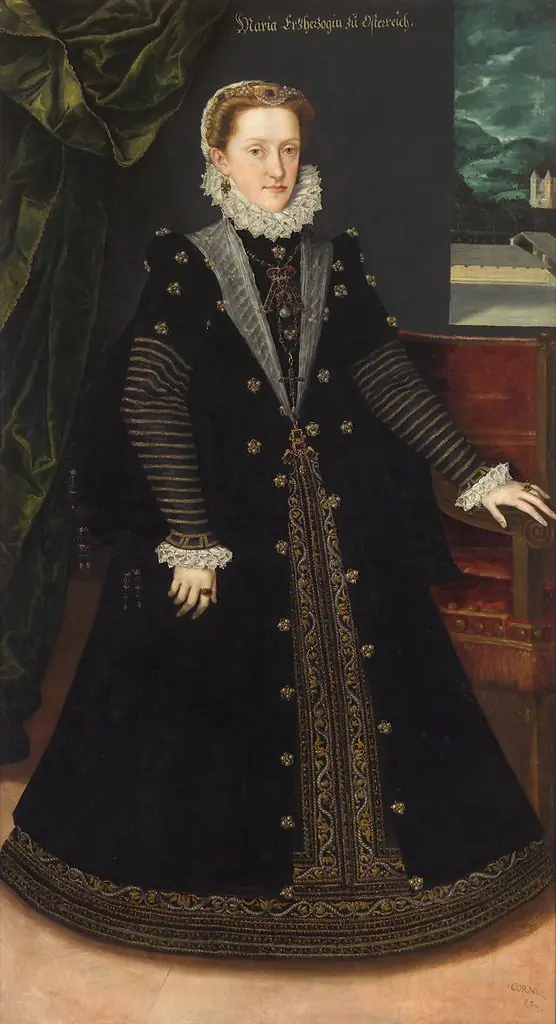 Portrait of Archduchess Mary Anna of Bavaria
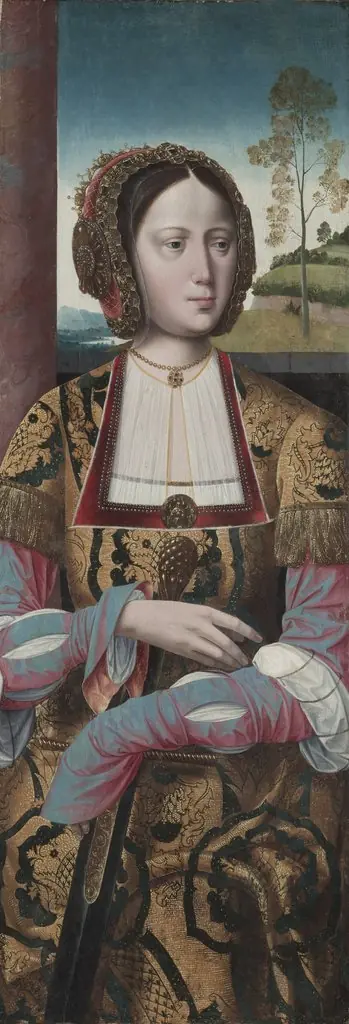 Saint Catherine
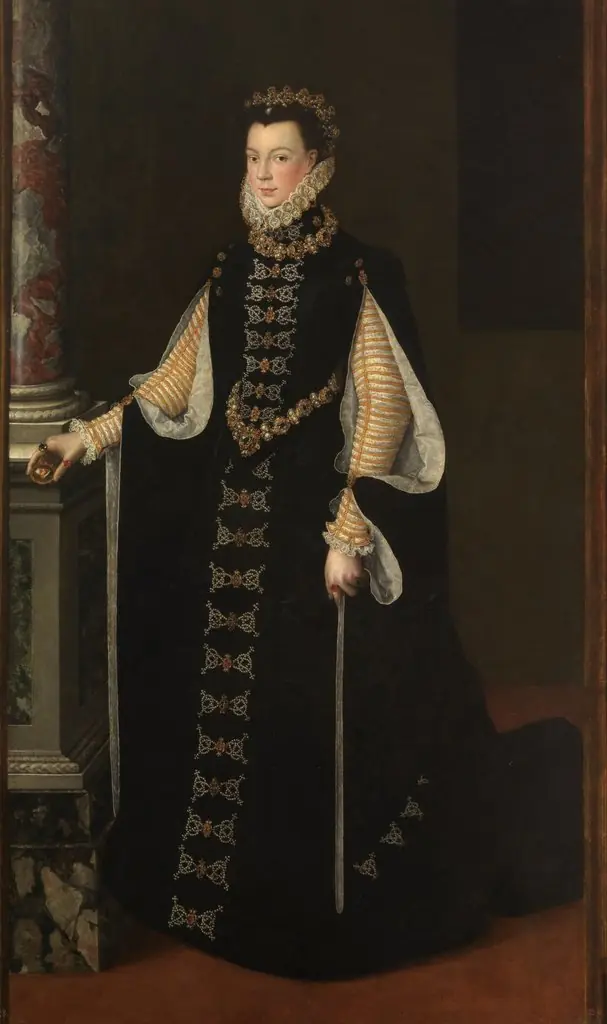 Portrait of Elisabeth of Valois
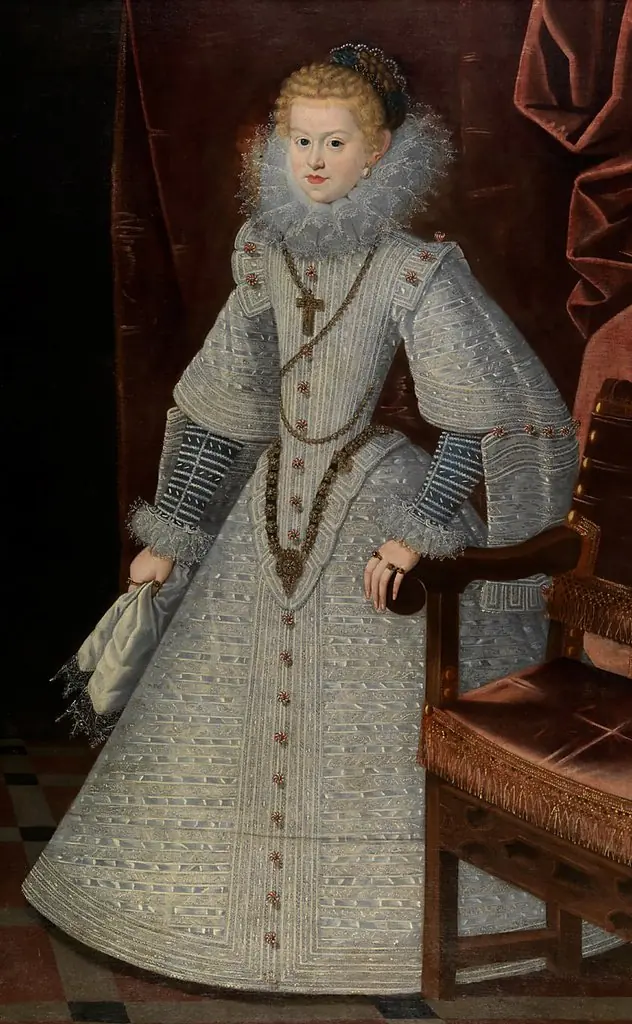 Infantin Maria Anna (1606-1646), Kaiserin, in ganzer Figur