Artwork
Copy of Painting inside the Caves of Ajanta (cave 6)

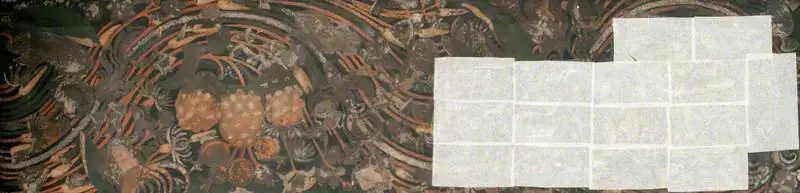
Copy of Painting inside the Caves of Ajanta (cave 6) is an oil painting by the Orientalist artist Unknown. It dates from 1890 and is held in the collection of the Victoria and Albert Museum. The work is an oil painting that reproduces a mural originally painted on the wall of Cave 6 at the Ajanta rock‑cut monastery complex.
About this work
If you want to learn more about Indian art, you could check out the Victoria and Albert Museum.
This painting is a copy of a mural inside the Caves of Ajanta. It's an oil painting, and it's quite detailed. The scene is set inside a cave, with a few people and some animals. The colors are mostly earthy tones, with some brighter colors here and there.
One interesting thing about this painting is that it's a copy of a much older mural. The original mural is from the 5th or 6th century, and it's a famous example of Indian art.
If you want to learn more about Indian art, you could check out the Victoria and Albert Museum.
Overview
The work is an oil painting that reproduces a mural originally painted on the wall of Cave 6 at the Ajanta rock‑cut monastery complex. The composition depicts an interior cave scene populated by several figures and a few animals, rendered in a palette dominated by earth tones with occasional brighter accents.
Subject & Meaning
The depicted tableau reflects a narrative typical of the Ajanta frescoes, which often illustrate Buddhist stories or courtly life. Human figures are arranged in a confined space, suggesting a communal or ritual gathering, while the presence of animals adds a naturalistic element to the otherwise interior setting.
Technique & Style
Executed in oil on canvas, the copy mirrors the intricate detailing of the original fresco, employing fine brushwork to convey texture in stone, clothing, and animal fur. The artist adheres to the muted, earthy color scheme characteristic of the 5th‑6th‑century Ajanta murals, punctuated by selective use of brighter pigments to highlight focal points.
History & Provenance
The source mural dates to the 5th or 6th century CE, forming part of the celebrated Ajanta cave paintings, a seminal corpus of early Indian Buddhist art. This oil rendition was produced later as a faithful reproduction, though its exact date of creation and ownership trail are not recorded in the supplied information.
Context
Ajanta’s cave paintings are renowned for their sophisticated narrative composition and refined aesthetic, influencing subsequent Indian art traditions. By copying such a work, the artist engages with a historic visual language, offering contemporary viewers a tangible reference to the ancient frescoes without requiring direct access to the remote cave site.
Artist & collection

 Domestic Scene
 Giacomo and Cardinal Marco, investing Andrea, Abbot of San Zeno, with his Benefice
 The Nymph of Fontainebleau
 Portrait of a Woman
 Madonna and Child with Saints in the Enclosed Garden
 Venus and Minerva
 Family Group of Four on Sofa
 Wall painting from Room H of the Villa of P. Fannius Synistor at Boscoreale
 Copy of Painting inside the Caves of Ajanta (cave 6)
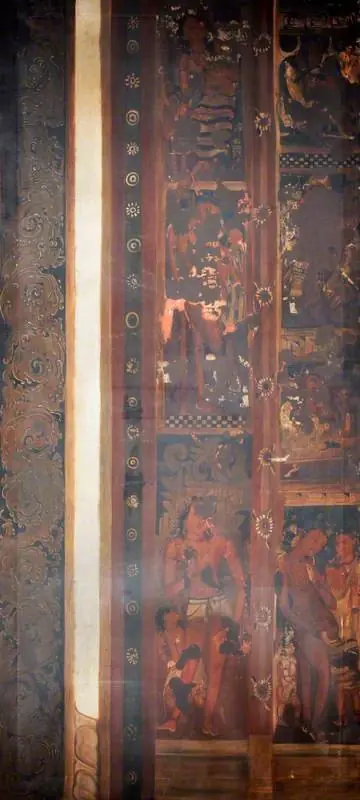 Copy of Painting inside the Caves of Ajanta (cave 6)
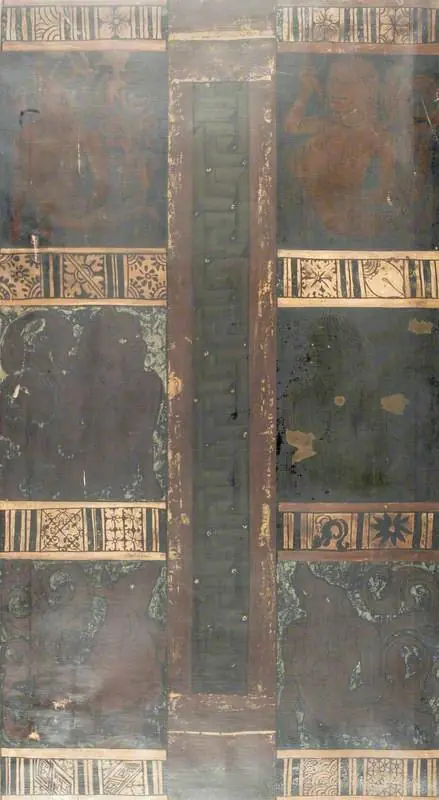 Copy of Painting inside the Caves of Ajanta (cave 2)
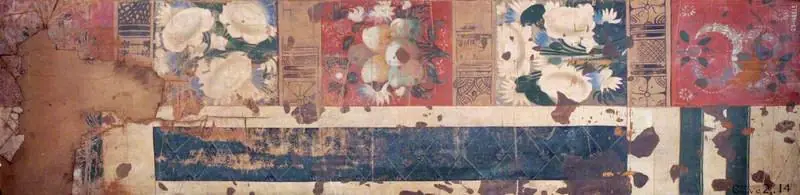 Copy of Painting inside the Caves of Ajanta (cave 2)
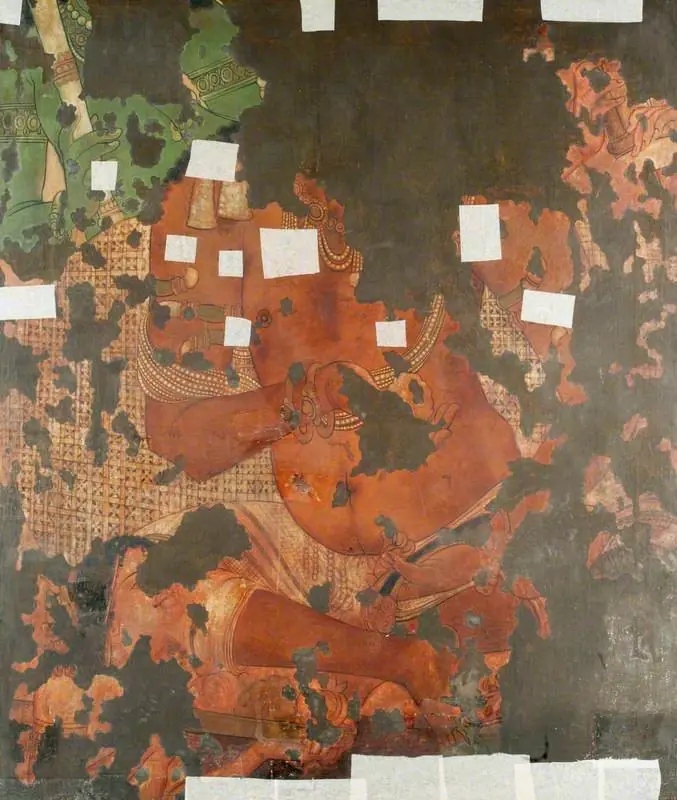 Copy of Painting inside the Caves of Ajanta (cave 16)
 Copy of Painting inside the Caves of Ajanta (cave 9)
 Copy of Painting inside the Caves of Ajanta (cave 2)