Artwork
Johann Theodor of Bavaria, son of Maximilian II Emanuel
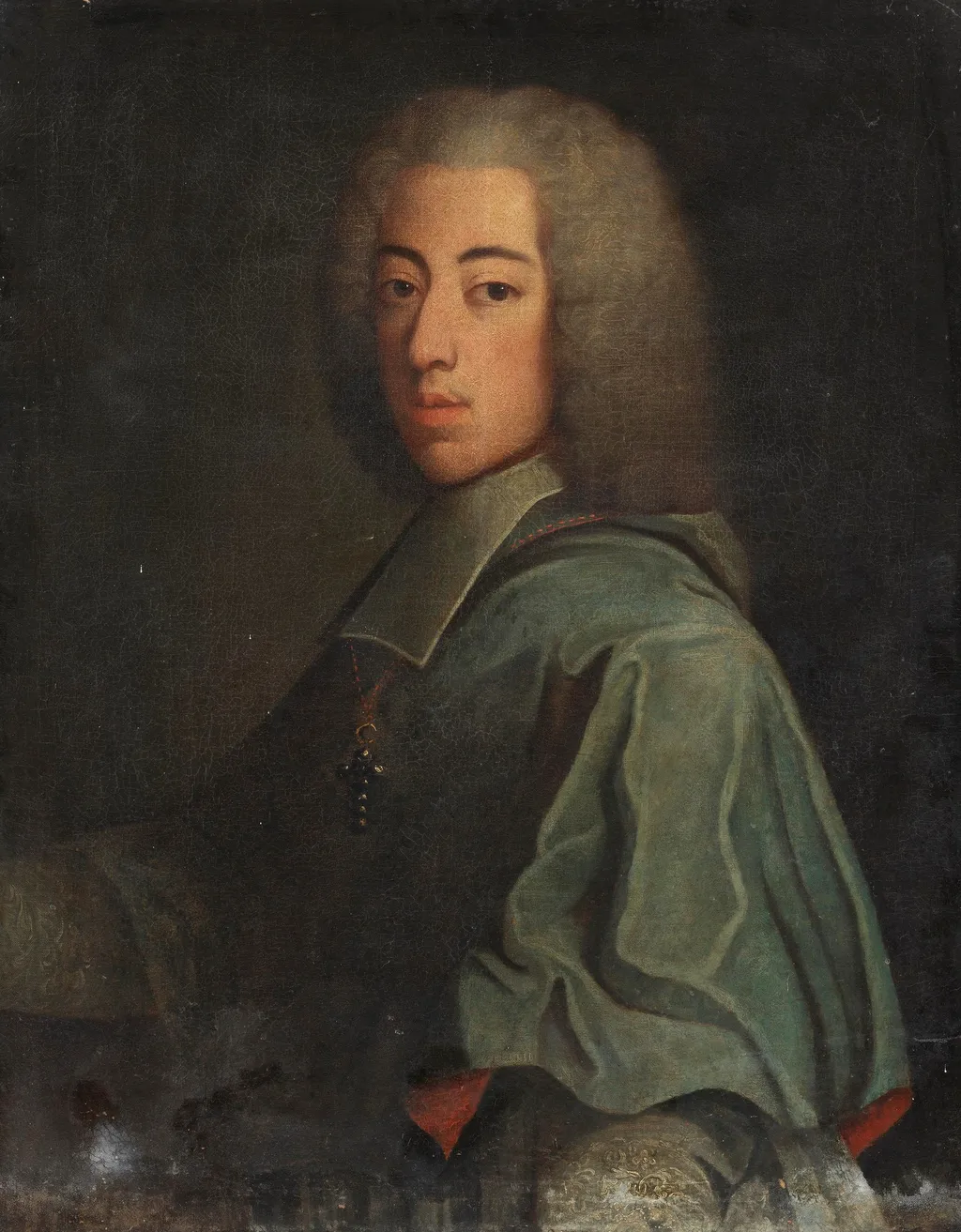
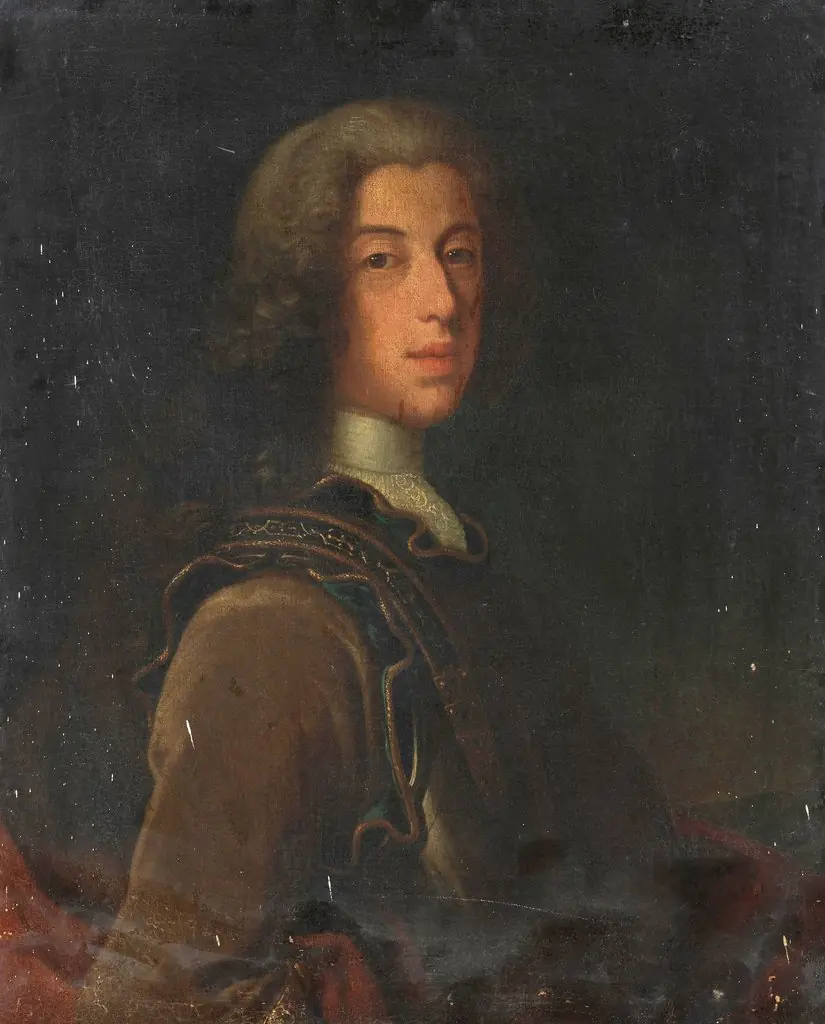
Johann Theodor of Bavaria, son of Maximilian II Emanuel is an unspecified painting by the Rococo painting artist Unknown. It dates from 1724 and is held in the collection of the Bavarian State Painting Collections. The work is a formal portrait of Johann Theodor of Bavaria, the son of Maximilian II Emanuel.
About this work
Overview
The work is a formal portrait of Johann Theodor of Bavaria, the son of Maximilian II Emanuel. Rendered in oil on canvas, the composition centers the sitter against a dark backdrop, emphasizing his features and attire. The painting conveys a sober, dignified presence appropriate to a member of the Bavarian royal family.
Subject & Meaning
Johann Theodor is depicted with shoulder‑length, curled hair and a solemn expression, suggesting both youth and the gravity of his princely status. The red sash and gold chain denote rank and possibly military or courtly honors, while the large, light‑colored collar frames his face, reinforcing his aristocratic identity.
Technique & Style
The artist employs chiaroscuro, using the deep background to model the figure’s three‑dimensionality. Fine brushwork renders the texture of the velvet jacket and the gleam of the gold chain, while the soft handling of the skin contrasts with the crisp delineation of the clothing. The palette is restrained, dominated by dark tones punctuated by the red sash.
History & Provenance
The portrait was likely commissioned during Johann Theodor’s lifetime to commemorate his position within the Wittelsbach dynasty. It has remained associated with the Bavarian royal collection, though specific details of its acquisition by museums or private owners are not documented in the available records.
Context
Created in the early eighteenth century, the painting reflects the conventions of court portraiture in the Holy Roman Empire, where emphasis on attire, insignia, and a controlled demeanor signaled political authority and lineage. Such portraits served both as personal commemorations and as visual affirmations of dynastic continuity.
Artist & collection

 Domestic Scene
 Giacomo and Cardinal Marco, investing Andrea, Abbot of San Zeno, with his Benefice
 The Nymph of Fontainebleau
 Portrait of a Woman
 Madonna and Child with Saints in the Enclosed Garden
 Venus and Minerva
 Family Group of Four on Sofa
 Wall painting from Room H of the Villa of P. Fannius Synistor at Boscoreale
 Nuori soturi
 Hieronymus Josephus Boudaen, Lord of St Laurens and Popkensburg
 Elector Clemens Augustus of Cologne (1700-1761)
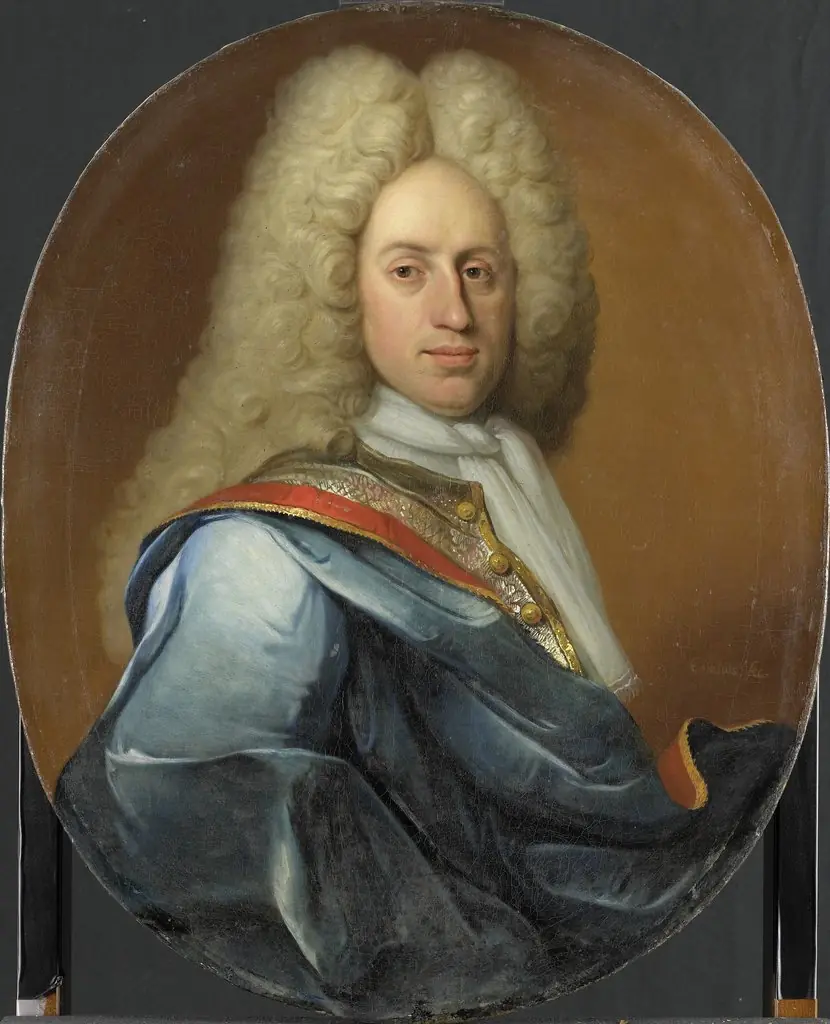 Portrait of Hieronymus Josephus Boudaen, Lord of St Laurens and Popkensburg
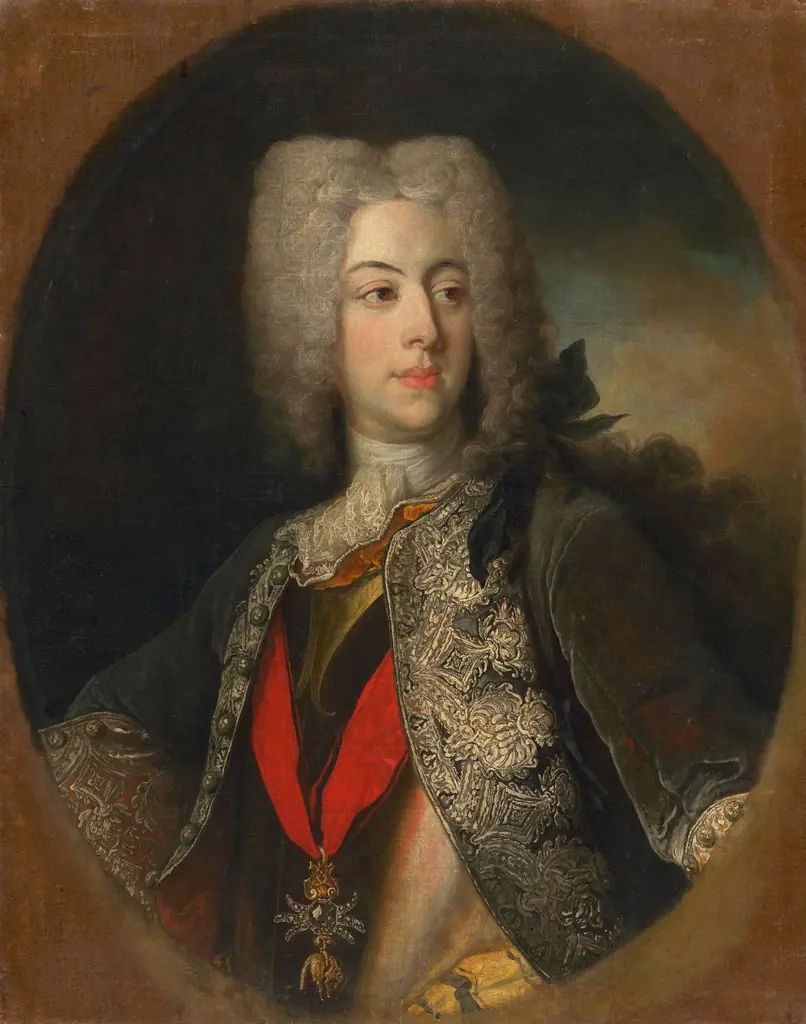 Elector Charles Albert of Baviera
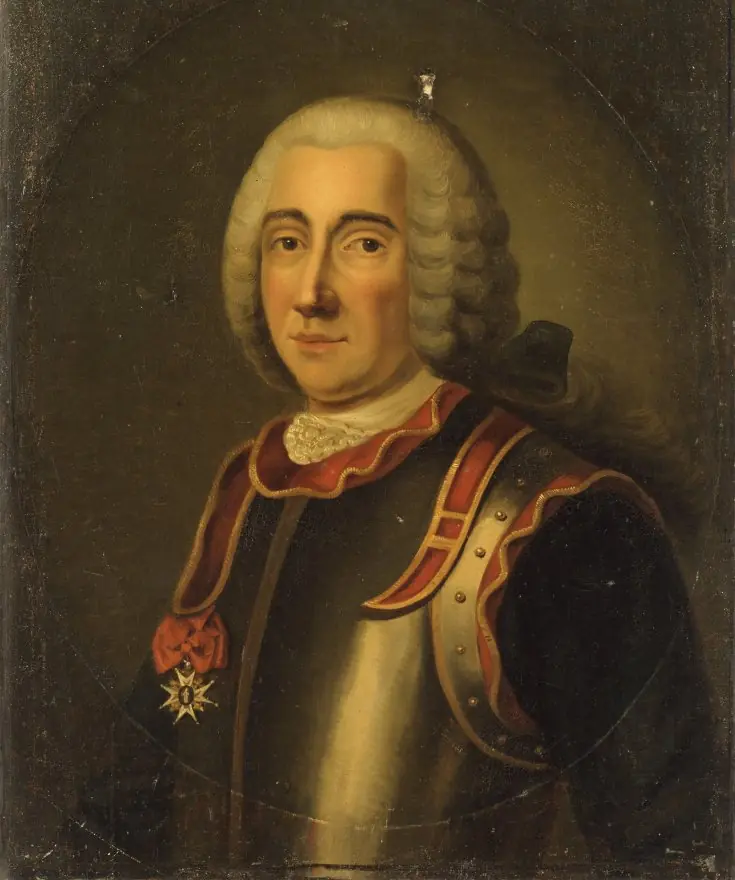 Claude comte de Forbin, chef d'escadre
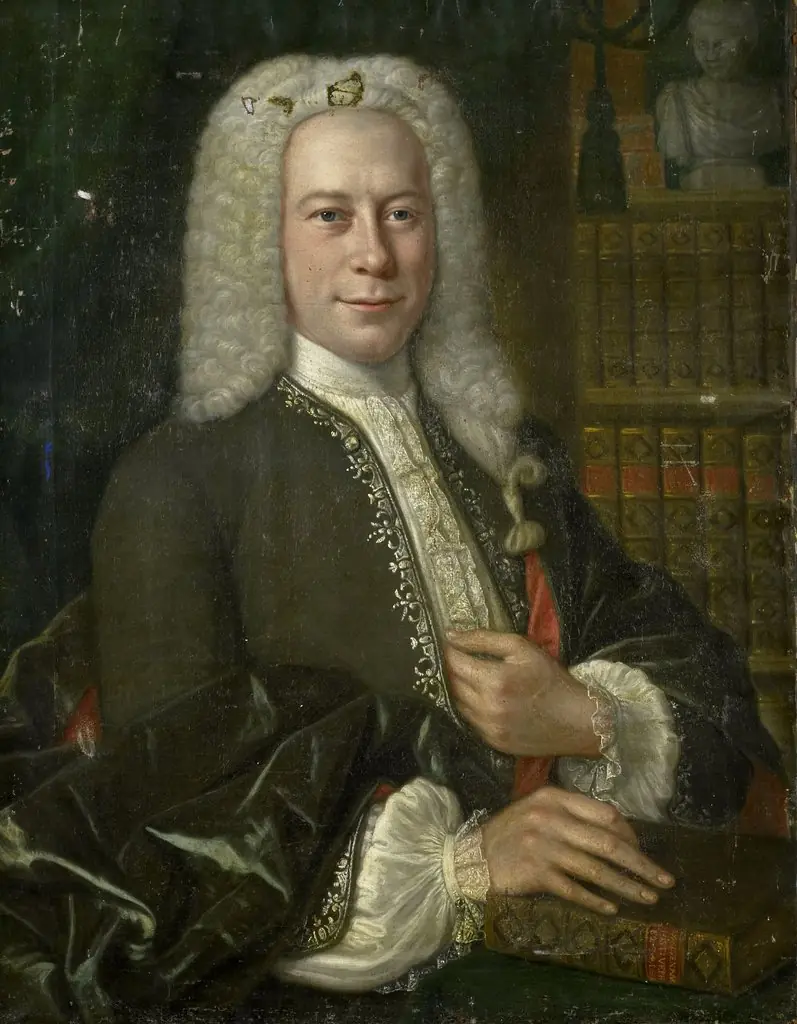 Portrait of an Historian
 John V, King of Portugal
 Kong Christian VI som prins
 Portrait of Mikołaj XVI Krzysztof Radziwiłł (1695–1715)
 Kong Christian VI som prins
 Clemens August of Bavaria, son of Maximilian II Emanuel