Artwork
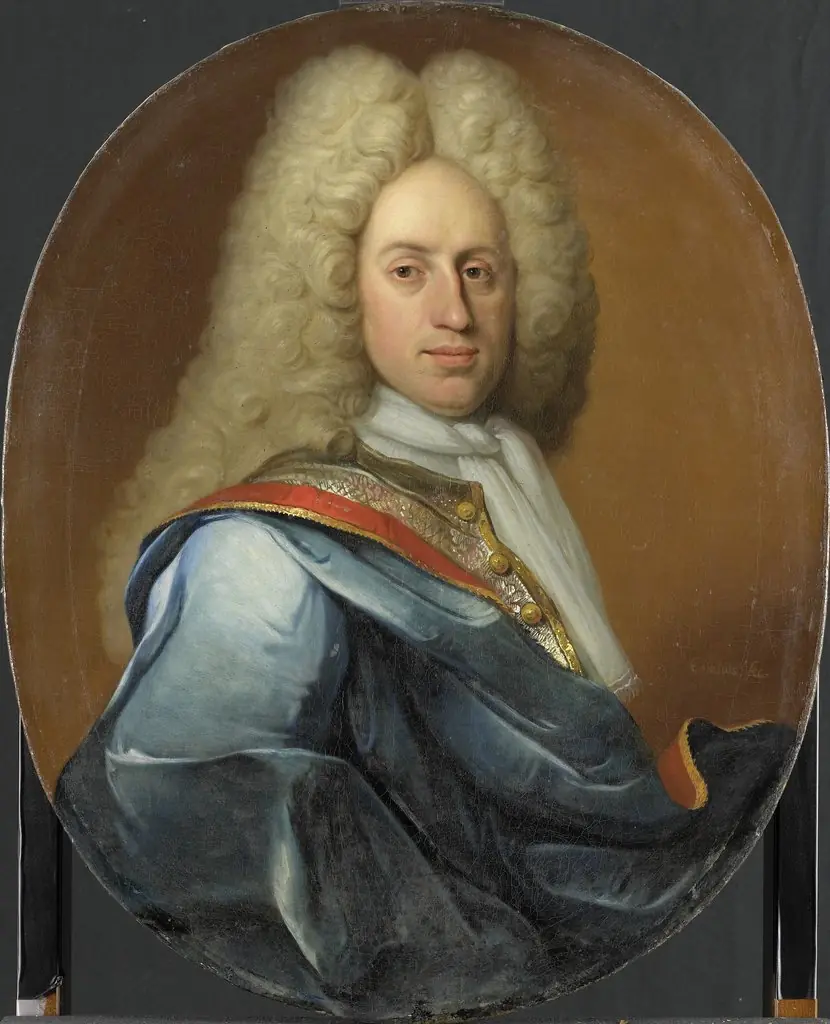
Hieronymus Josephus Boudaen, Lord of St Laurens and Popkensburg
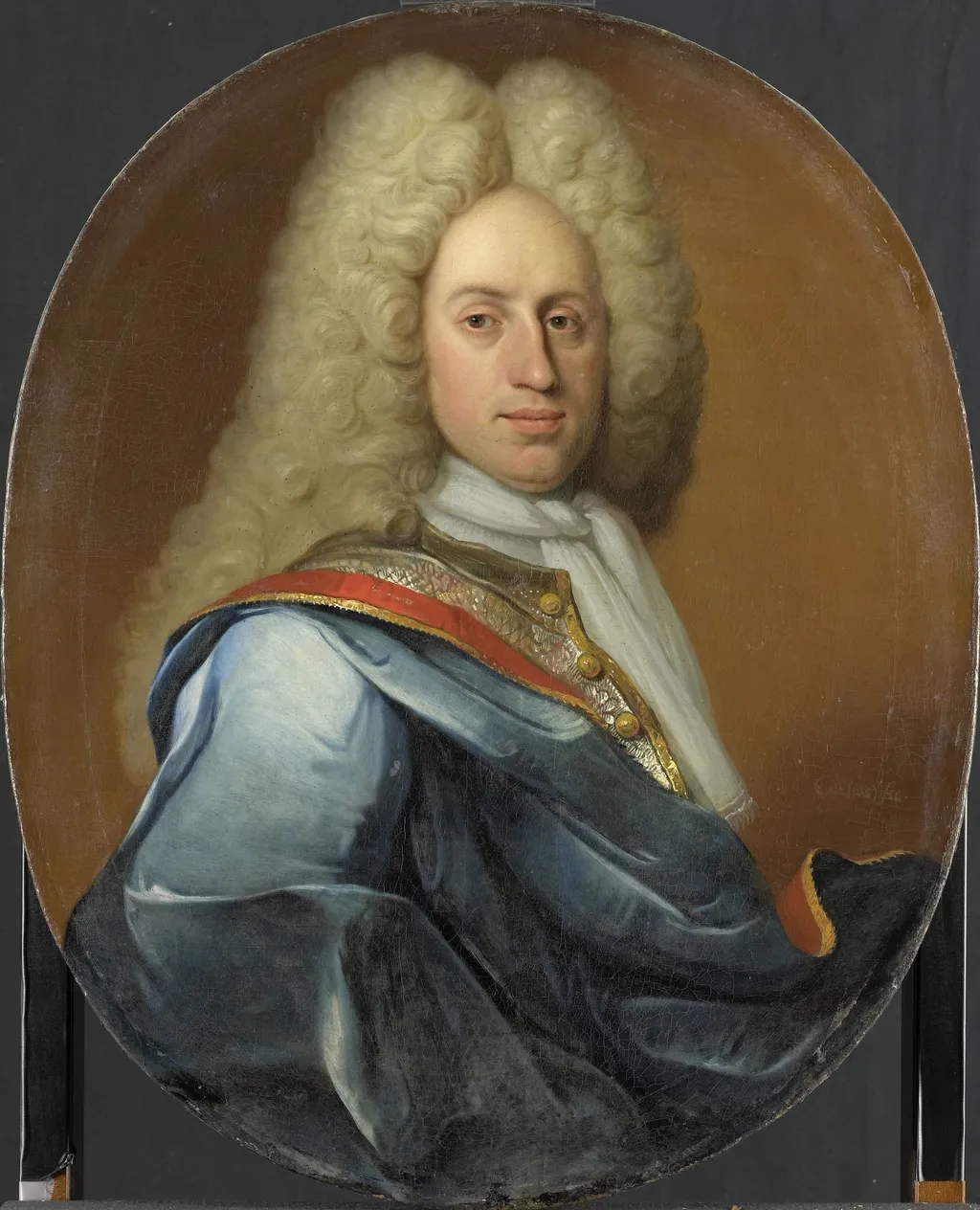
Hieronymus Josephus Boudaen, Lord of St Laurens and Popkensburg is an unspecified painting by the Rococo painting artist Unknown. It dates from 1725 and is held in the collection of the Rijksmuseum.
About this work
Overview
This portrait depicts Hieronymus Josephus Boudaen, Lord of St Laurens and Popkensburg, rendered as a bust against an unadorned background.
This portrait depicts Hieronymus Josephus Boudaen, Lord of St Laurens and Popkensburg, rendered as a bust against an unadorned background. He wears a long white wig and a dark coat, his face pale and composed. The absence of decorative elements or symbolic objects focuses attention solely on his bearing. The work reflects the conventions of 18th-century elite portraiture, where social standing was conveyed through dress and demeanor rather than narrative context.
Subject & Meaning
Boudaen’s powdered wig and formal attire signal his aristocratic status, as such wigs were costly and reserved for the upper classes. His direct gaze and still posture convey authority and composure, traits expected of nobility. The portrait does not aim to reveal personal character but to affirm his position within a hierarchical society. The lack of personal or familial references reinforces its function as a public representation of rank.
Technique & Style
The painting employs a restrained palette dominated by dark tones and the stark white of the wig, enhancing contrast and focus on the face. Brushwork is precise but unadorned, with no visible flourish or embellishment. The background is neutral, eliminating distractions and reinforcing the sitter’s centrality. The artist’s anonymity suggests the work was commissioned for its function rather than its artistic distinction.
History & Provenance
The portrait’s origins are undocumented; no signature or inscription identifies the painter. Its survival implies it remained within the Boudaen family or their circle, likely displayed in a residence or administrative space tied to their titles. Without records of commission or exhibition, its early history remains speculative, though its style aligns with Flemish or Dutch portraiture of the early 1700s.
Context
In early 18th-century Europe, portraiture for the nobility prioritized visual markers of status over individuality. Wigs, rich fabrics, and frontal poses were standardized elements signaling wealth and power. Artists often worked anonymously for patrons seeking to project authority, not artistic innovation. This portrait fits within that tradition, serving as a quiet assertion of social order rather than a personal testament.
Legacy
Though unsigned and unremarkable in technique, the portrait endures as a quiet example of aristocratic representation in the Low Countries. It contributes to the understanding of how identity was constructed visually among the elite, where restraint and formality were more telling than expression. Its presence in collections today offers insight into the visual language of power before the rise of Romantic individualism.
Artist & collection

 Domestic Scene
 Giacomo and Cardinal Marco, investing Andrea, Abbot of San Zeno, with his Benefice
 The Nymph of Fontainebleau
 Portrait of a Woman
 Madonna and Child with Saints in the Enclosed Garden
 Venus and Minerva
 Family Group of Four on Sofa
 Wall painting from Room H of the Villa of P. Fannius Synistor at Boscoreale
 Portrait of Mr. Brust
 Portrait of Count Georg Wilhelm Werthern
 Portrait Münchhausen Kopie
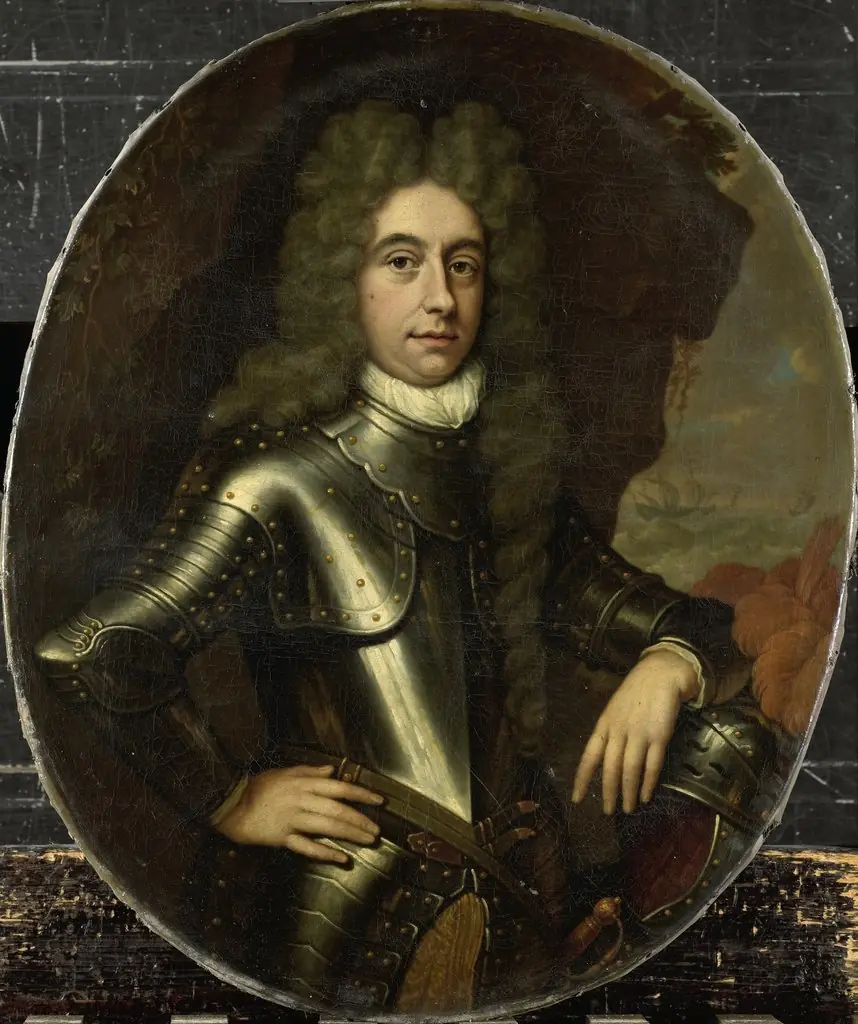 Portrait of Harmen Lijnslager, Secretary of the Admiralty of Amsterdam
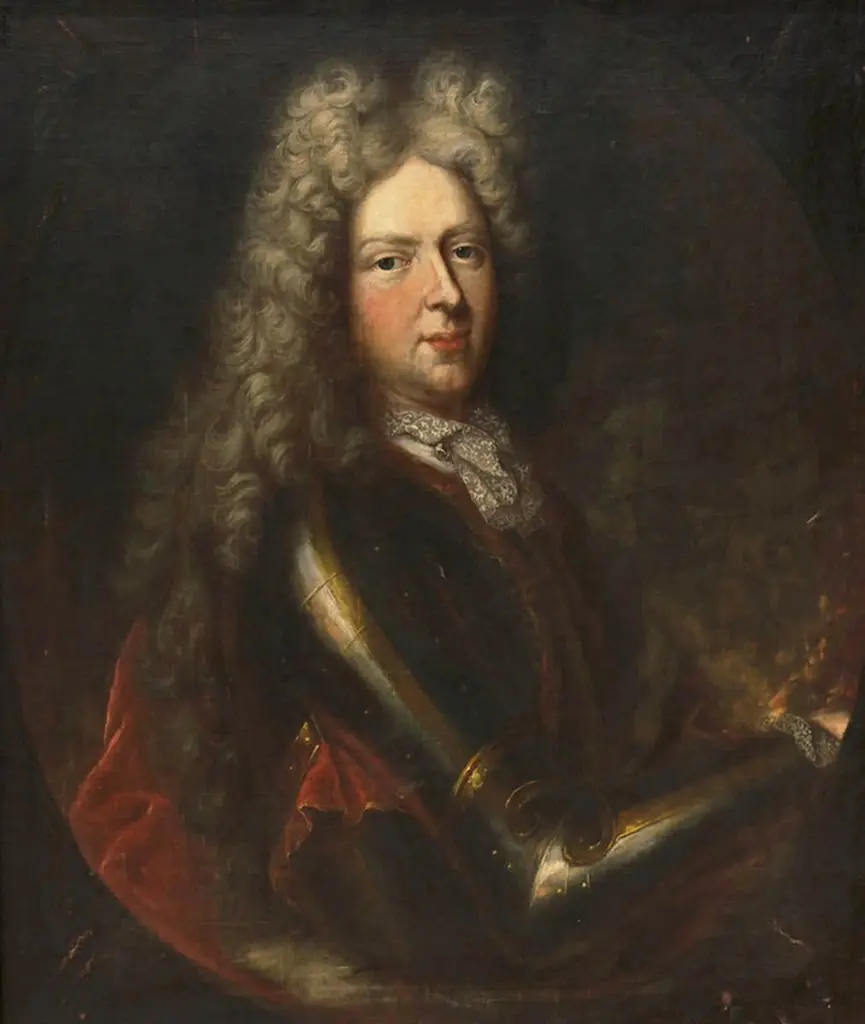 Markgraf Georg Friedrich II von Brandenburg Ansbach
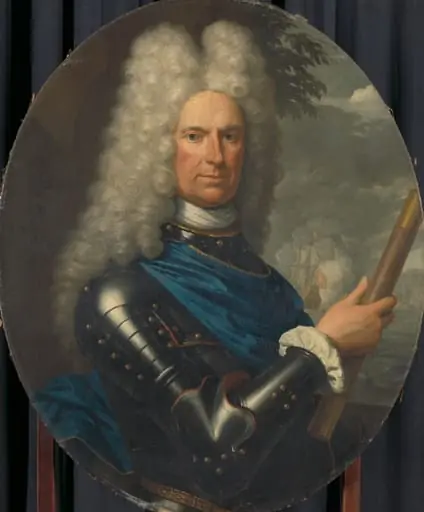 Portrait of Rear-Admiral Arent van Buren
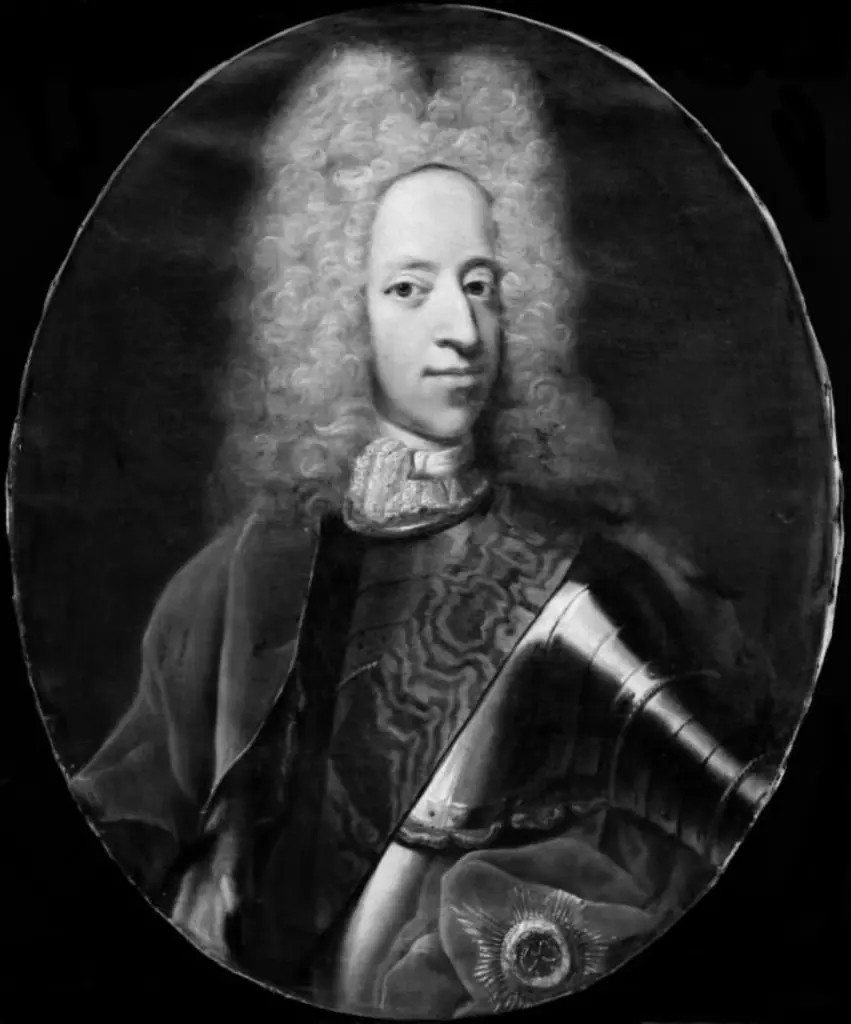 Kong Christian VI som prins
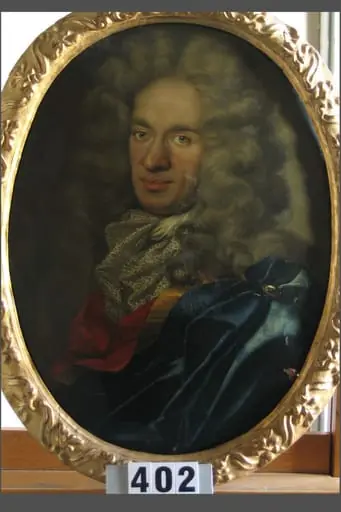 Bărbat cu mantie albastră. Pandant: Bărbat cu mantie roșie
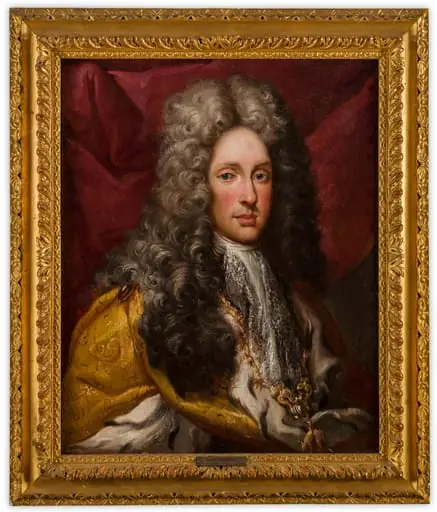 Pyhän saksalais-roomalaisen valtakunnan keisari Joosef I
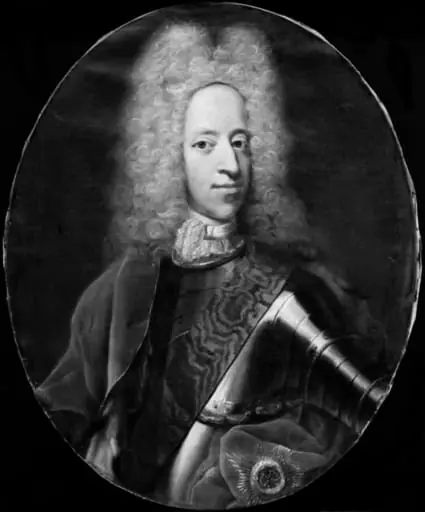 Kong Christian VI som prins
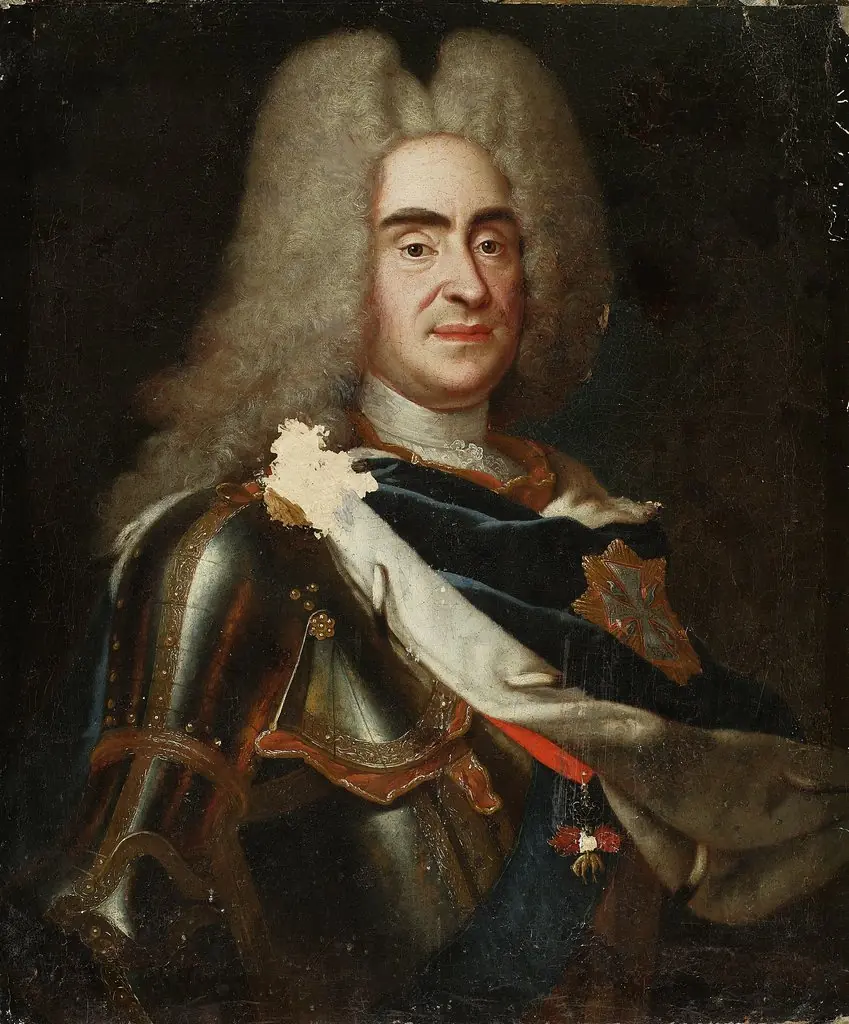 Portrait of Augustus II the Strong (1670–1733)
 Portrait of Hieronymus Josephus Boudaen, Lord of St Laurens and Popkensburg