Artwork
Duckling
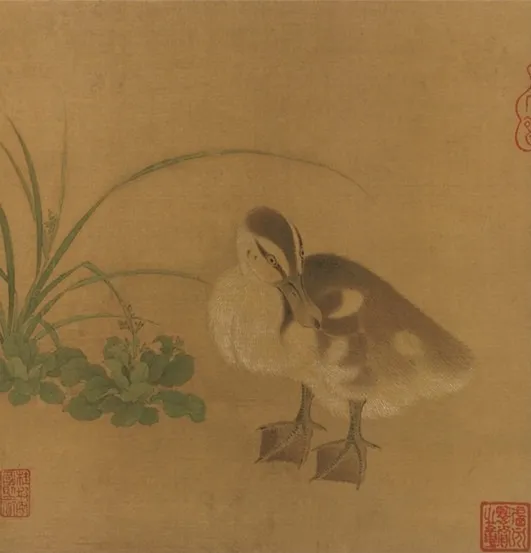
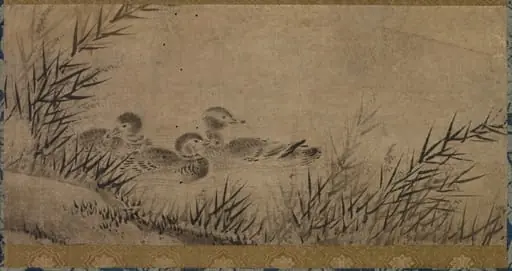
Duckling is an unspecified painting by Unknown. It is held in the collection of the National Palace Museum.
About this work
Overview
No other figures or objects compete for attention, and the composition isolates the duckling in a still, enclosed space.
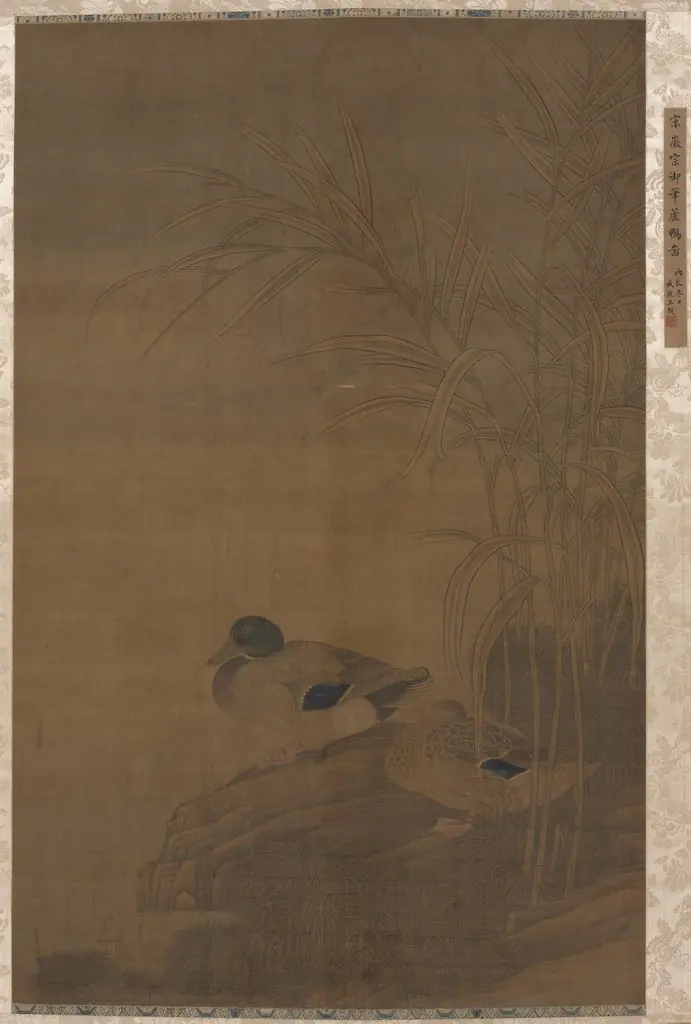
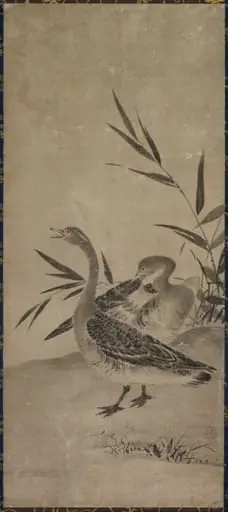
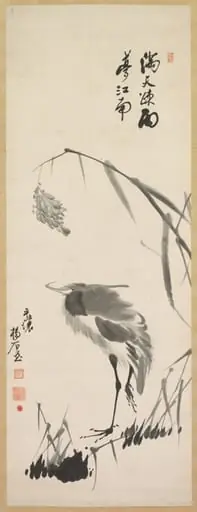
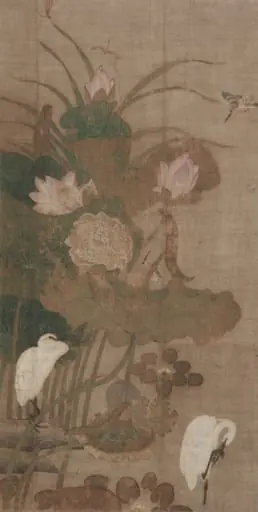
This small-scale painting depicts a single duckling centered on a muted, light-brown background. The figure is rendered with subtle tonal variations, emphasizing its quiet presence. No other figures or objects compete for attention, and the composition isolates the duckling in a still, enclosed space. The absence of detail in the background focuses the viewer’s gaze entirely on the bird and its immediate surroundings.
Subject & Meaning
The duckling, facing left toward a cluster of slender green plants, appears attentive but not alarmed. Its downward-pointing beak and still posture suggest contemplation rather than movement. The shadow cast behind it anchors the figure in space, reinforcing a sense of quiet reality. The scene evokes an unremarkable moment in nature, inviting reflection on solitude and the gentle rhythms of early life.
Technique & Style
The artist employs soft, blended brushwork to model the duckling’s feathers, using warm browns and subtle gradients to suggest texture without detail. The plants are rendered with loose, vertical strokes, contrasting the bird’s rounded form. The solid background lacks texture or depth, creating a flat, intimate stage. Light is even and diffuse, eliminating harsh shadows and enhancing the tranquil mood.
History & Provenance
The painting’s origin and early ownership are undocumented. It has no known exhibition history prior to its inclusion in private collections in the late 20th century. No signatures or inscriptions are visible on the surface, and the materials suggest a modest, possibly amateur or domestic production. Its survival appears accidental, preserved more for its quiet charm than for artistic significance.
Context
Created during a period when domestic and natural subjects were gaining attention in regional art circles, this work reflects a broader interest in ordinary life. Unlike formal portraits or grand landscapes, it captures a fleeting, unposed moment. Its simplicity aligns with emerging trends in intimate observation, though it lacks the polish or ambition of contemporary academic works.
Legacy
The painting has not influenced broader artistic movements or been widely reproduced. It remains a quiet artifact of personal observation, valued in private hands for its stillness and emotional restraint. Its legacy lies not in fame, but in its ability to evoke calm through minimal means — a quiet testament to the dignity of small, unremarkable things.
Artist & collection

 Domestic Scene
 Giacomo and Cardinal Marco, investing Andrea, Abbot of San Zeno, with his Benefice
 The Nymph of Fontainebleau
 Portrait of a Woman
 Madonna and Child with Saints in the Enclosed Garden
 Venus and Minerva
 Family Group of Four on Sofa
 Wall painting from Room H of the Villa of P. Fannius Synistor at Boscoreale