Artwork
Tantric Manuscript, "Sangrahani Sutra"
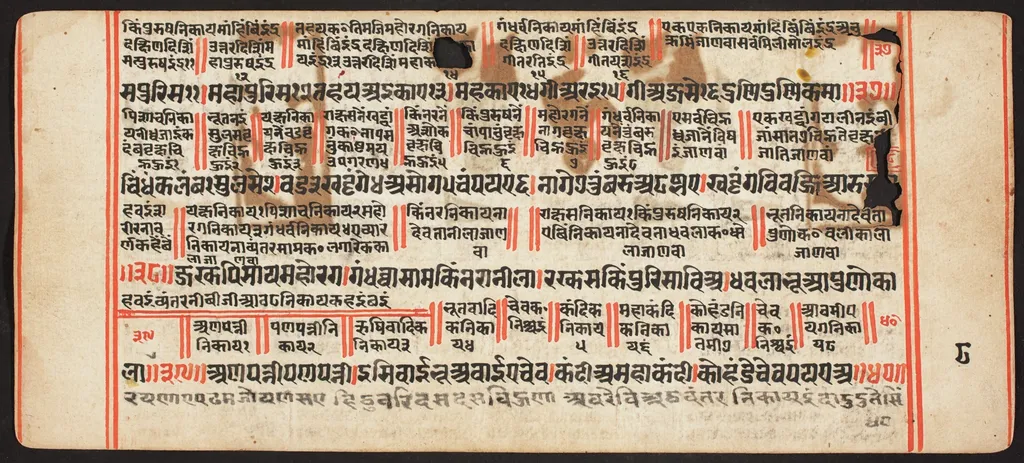
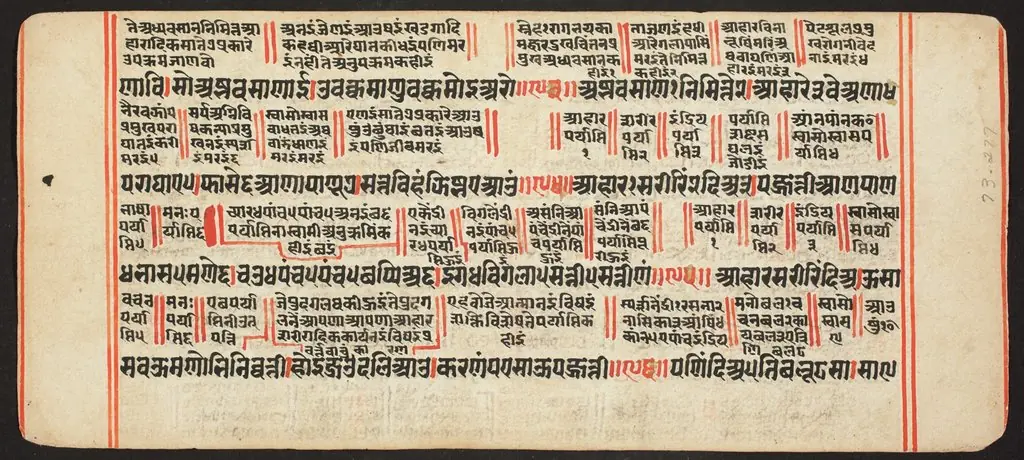
Tantric Manuscript, "Sangrahani Sutra" is an unspecified painting by Unknown. It is held in the collection of the Detroit Institute of Arts. This folio comes from a handwritten manuscript of the Sangrahani Sutra, a Buddhist text composed in Sanskrit.
About this work
Overview
The page bears signs of age—brown stains, minor tears—evidence of centuries of handling and use in ritual or scholarly contexts.
This folio comes from a handwritten manuscript of the Sangrahani Sutra, a Buddhist text composed in Sanskrit. Created in medieval India, it reflects the tradition of sacred manuscript production, where religious content was rendered with meticulous calligraphy and decorative elements. The page bears signs of age—brown stains, minor tears—evidence of centuries of handling and use in ritual or scholarly contexts.
Subject & Meaning
The Sangrahani Sutra is a doctrinal text within the Theravāda Buddhist canon, summarizing key teachings and ethical guidelines. Its transcription in Sanskrit, rather than vernacular languages, signals its liturgical or scholarly function. The careful layout and ornamentation suggest the text was intended not merely for reading but for veneration, reinforcing its spiritual authority through visual form.
Technique & Style
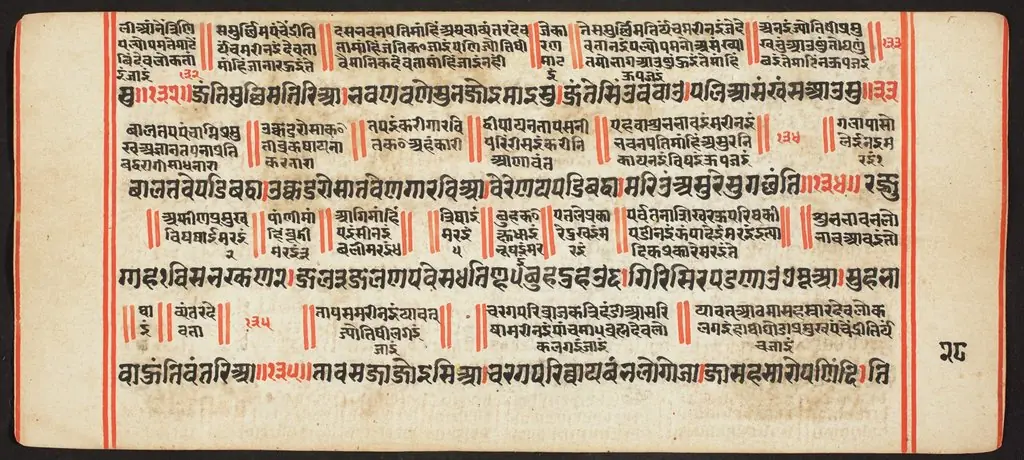
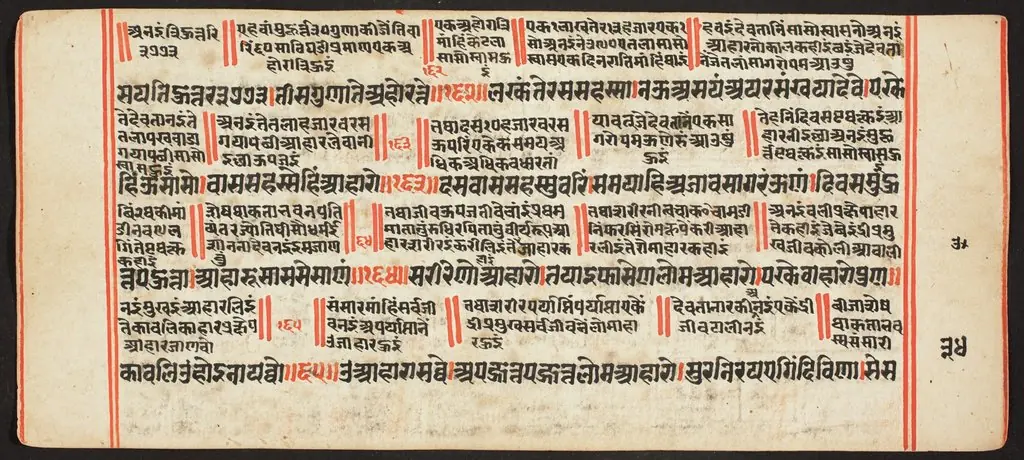
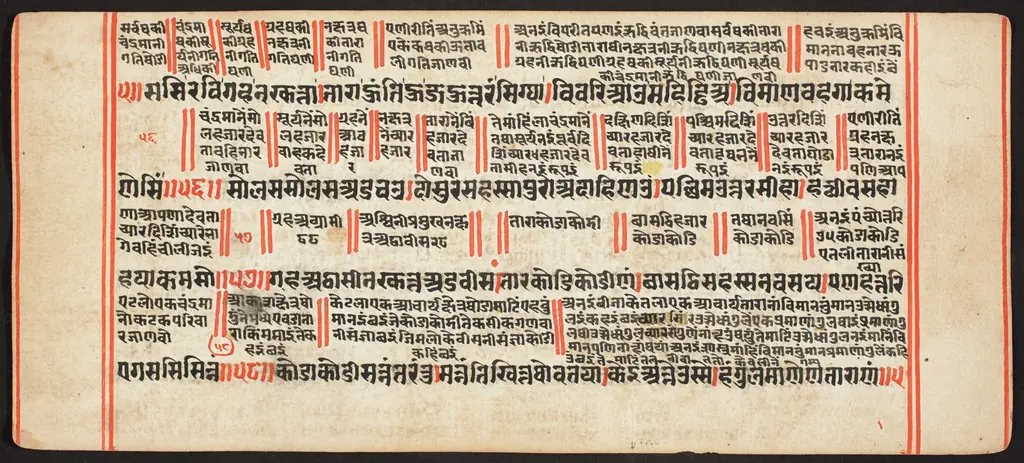
The script is executed in black ink with deliberate flourishes, typical of regional calligraphic traditions in eastern India. Red ink lines serve as section dividers, enhancing readability while adding rhythmic structure. The handwriting exhibits a high degree of precision and aesthetic discipline, indicating the scribe’s training and the manuscript’s importance. Surface wear reflects its physical use over time.
History & Provenance
The manuscript likely originated in Bengal or Bihar during the late medieval period, a region known for its vibrant Buddhist manuscript culture. It entered the collection of the Detroit Institute of Arts through documented acquisition, though its earlier ownership history remains partially undocumented. Its preservation suggests it was valued by collectors or institutions before its institutional care.
Context
During the 10th to 14th centuries, Buddhist monastic centers in eastern India maintained active scriptoria where texts like the Sangrahani Sutra were copied by hand. These manuscripts were used in teaching, recitation, and ritual. The use of Sanskrit, even as vernacular languages grew, underscores the text’s connection to classical Buddhist scholarship and its role in sustaining doctrinal continuity.
Legacy
Surviving folios of the Sangrahani Sutra are rare, making this example significant for the study of South Asian Buddhist textual traditions. It contributes to understanding how religious knowledge was transmitted visually and materially. Today, such manuscripts serve as primary sources for scholars examining the intersection of religion, language, and art in pre-modern India.
Artist & collection

 Domestic Scene
 Giacomo and Cardinal Marco, investing Andrea, Abbot of San Zeno, with his Benefice
 The Nymph of Fontainebleau
 Portrait of a Woman
 Madonna and Child with Saints in the Enclosed Garden
 Venus and Minerva
 Family Group of Four on Sofa
 Wall painting from Room H of the Villa of P. Fannius Synistor at Boscoreale
 Tantric Manuscript, "Sangrahani Sutra"
 Tantric Manuscript, "Sangrahani Sutra"
 Tantric Manuscript, "Sangrahani Sutra"
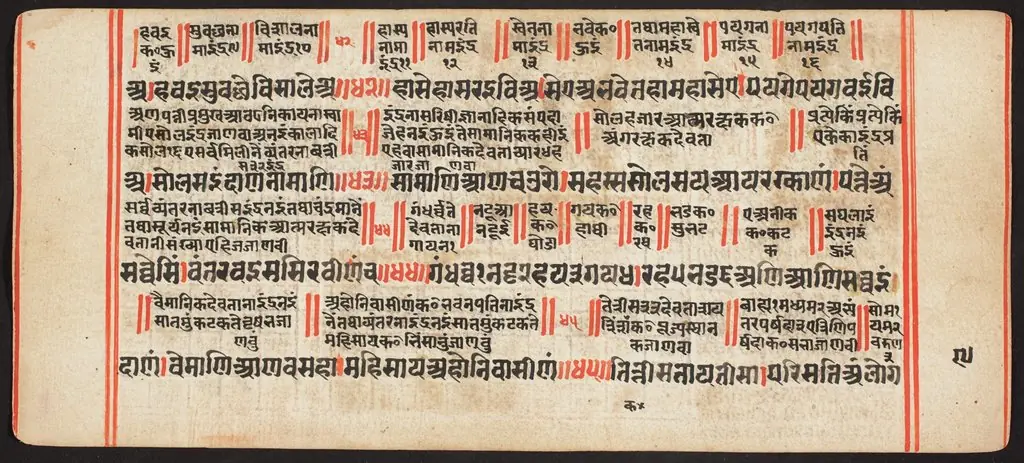 Tantric Manuscript, "Sangrahani Sutra"
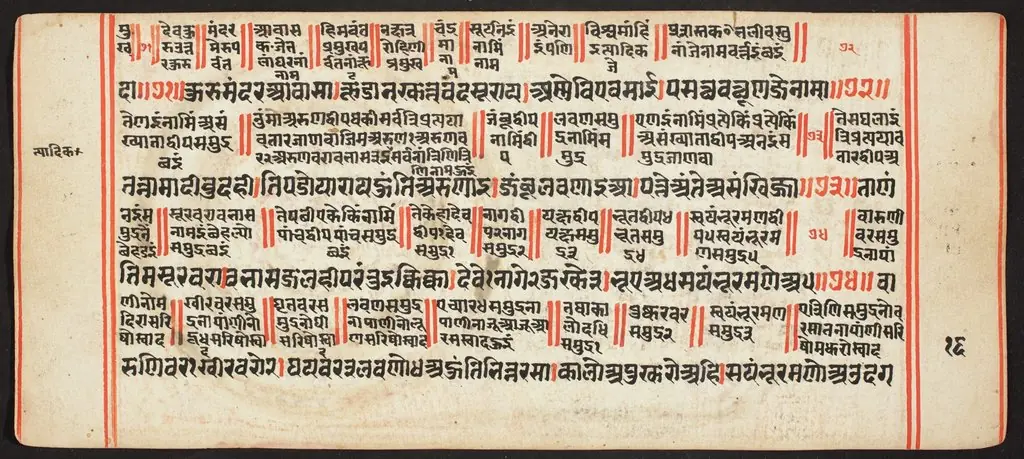 Tantric Manuscript, "Sangrahani Sutra"
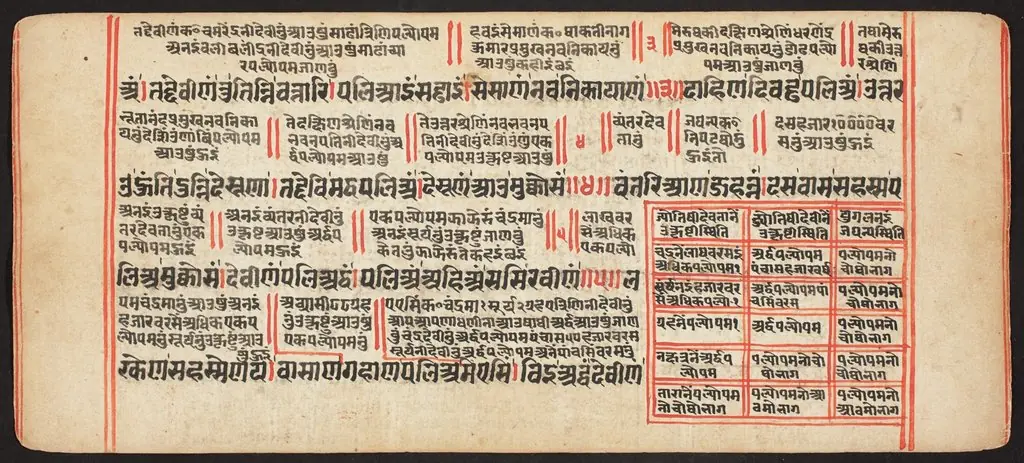 Tantric Manuscript, "Sangrahani Sutra"
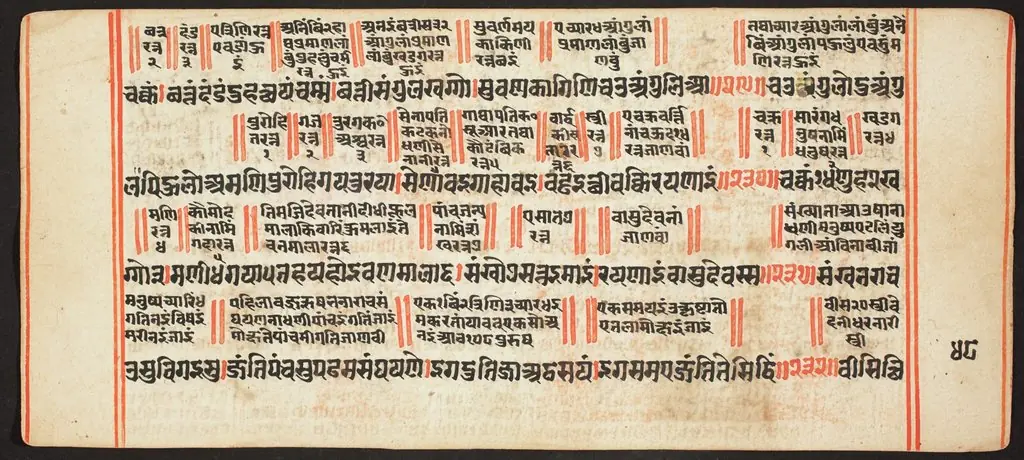 Tantric Manuscript, "Sangrahani Sutra"
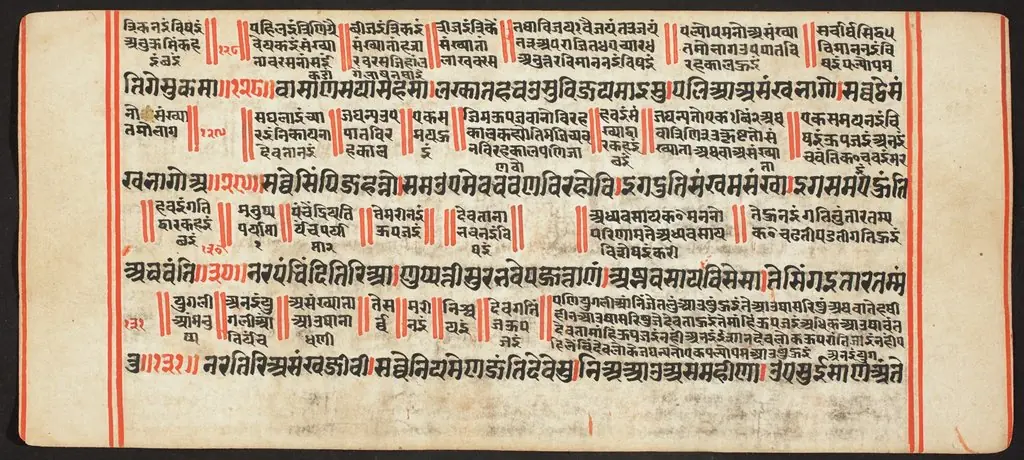 Tantric Manuscript, "Sangrahani Sutra"
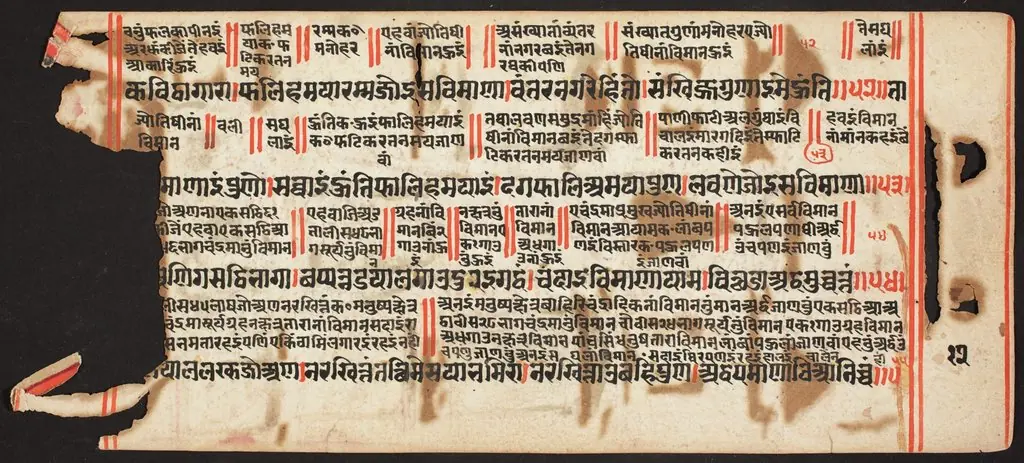 Tantric Manuscript, "Sangrahani Sutra"
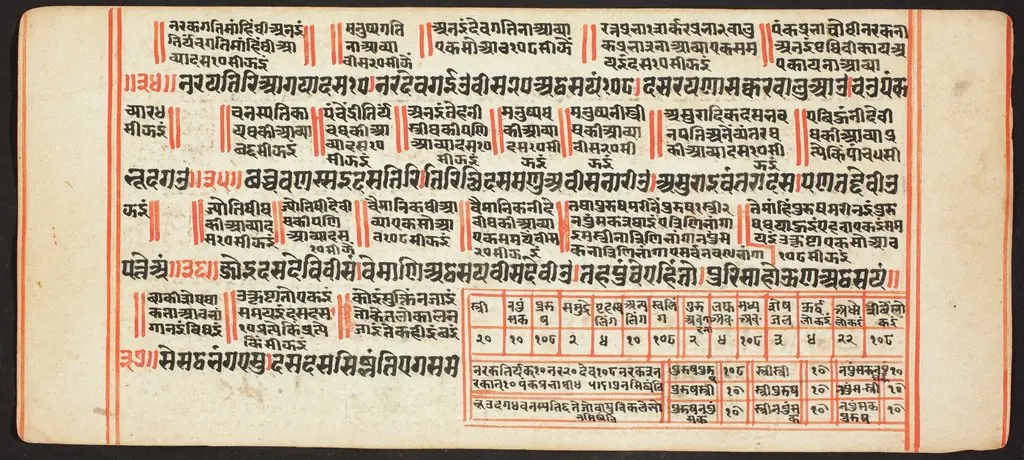 Tantric Manuscript, "Sangrahani Sutra"
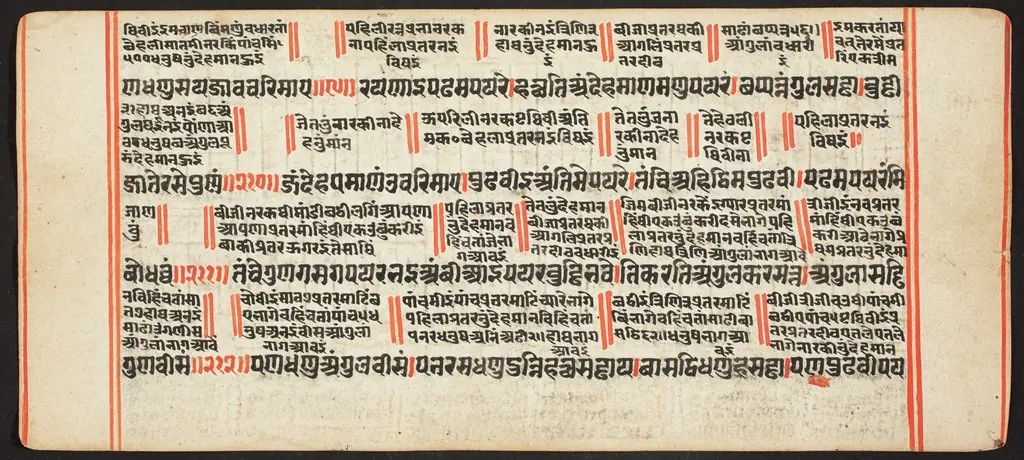 Tantric Manuscript, "Sangrahani Sutra"
 Tantric Manuscript, "Sangrahani Sutra"