Artwork
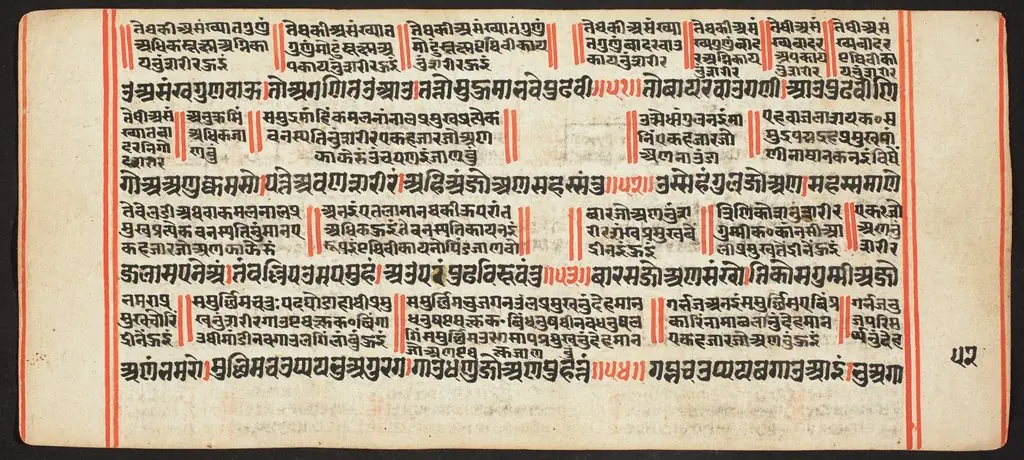
Tantric Manuscript, "Sangrahani Sutra"
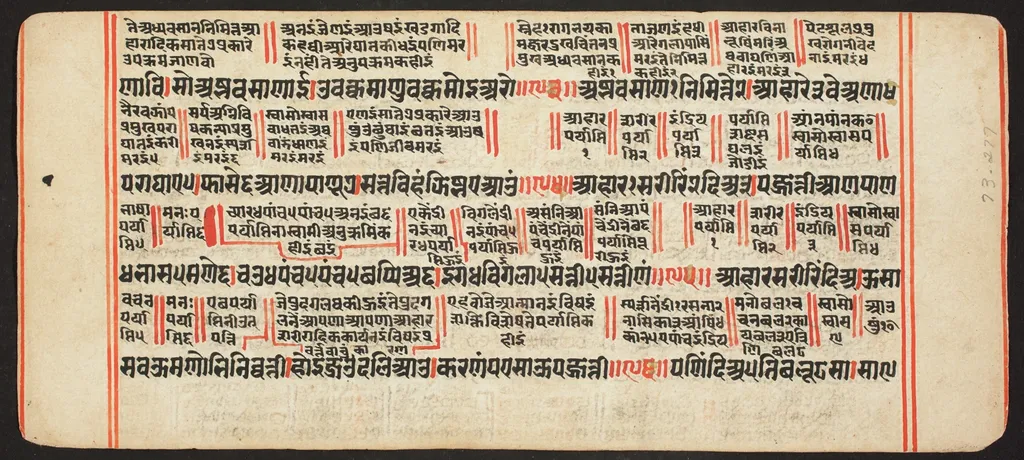
Tantric Manuscript, "Sangrahani Sutra" is an unspecified painting by Unknown. It is held in the collection of the Detroit Institute of Arts. This painted manuscript contains the Sangrahani Sutra, a Buddhist text focused on monastic discipline and doctrinal summaries.
About this work
Overview
This painted manuscript contains the Sangrahani Sutra, a Buddhist text focused on monastic discipline and doctrinal summaries. Created in a tantric Buddhist context, it combines scriptural content with symbolic imagery to aid meditation and ritual practice. The work reflects the integration of textual study and visual representation in esoteric Buddhist traditions of medieval South Asia.
Subject & Meaning
The illustrations depict deities, mandalas, and ritual implements associated with tantric practice, serving as visual guides for spiritual transformation. Each image corresponds to specific meditative states or cosmological principles outlined in the sutra. The imagery is not decorative but functional, intended to focus the mind and activate esoteric knowledge during recitation and contemplation.
Technique & Style
The painting employs mineral pigments on palm leaf or paper, with fine brushwork and flat, stylized forms typical of regional manuscript traditions. Colors are muted yet deliberate, emphasizing symbolic meaning over naturalism. Figures are arranged in rigid, hierarchical compositions, reflecting the structured nature of tantric cosmology and liturgical order.
History & Provenance
Produced likely in eastern India or Nepal between the 10th and 12th centuries, the manuscript was used in monastic settings for ritual instruction. Its survival suggests careful preservation within temple or monastery collections. Later ownership traces are sparse, but its physical condition indicates limited handling, consistent with sacred use rather than public display.
Context
This manuscript emerged during a period when tantric Buddhism flourished in monastic centers across the eastern Indian subcontinent. It reflects a broader trend of visualizing abstract doctrines through intricate iconography, aligning with the rise of esoteric practices that emphasized direct experiential realization over textual exegesis alone.
Legacy
Though not widely known outside specialist circles, such manuscripts influenced later Tibetan thangka traditions and preserved early forms of Buddhist iconography. They remain vital sources for understanding how ritual, text, and image functioned together in medieval Buddhist practice, offering insight into non-Western modes of religious knowledge transmission.
Artist & collection

 Domestic Scene
 Giacomo and Cardinal Marco, investing Andrea, Abbot of San Zeno, with his Benefice
 The Nymph of Fontainebleau
 Portrait of a Woman
 Madonna and Child with Saints in the Enclosed Garden
 Venus and Minerva
 Family Group of Four on Sofa
 Wall painting from Room H of the Villa of P. Fannius Synistor at Boscoreale
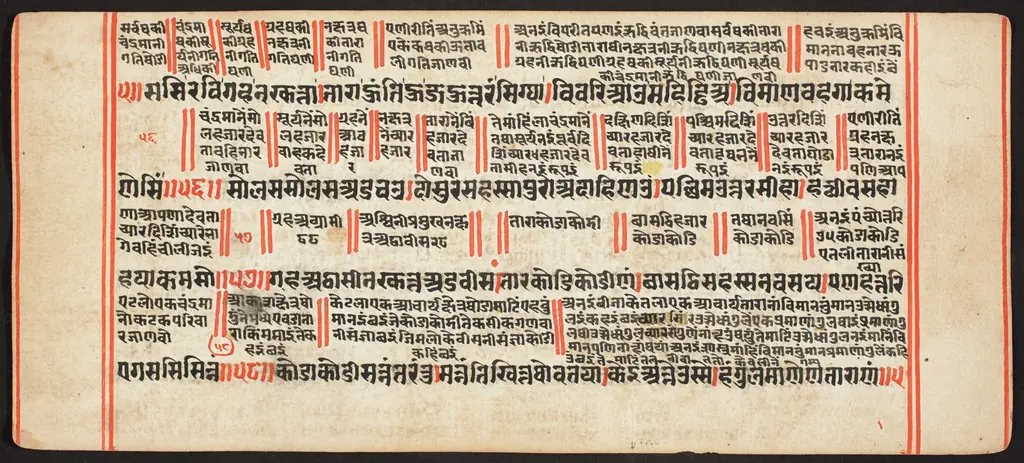 Tantric Manuscript, "Sangrahani Sutra"
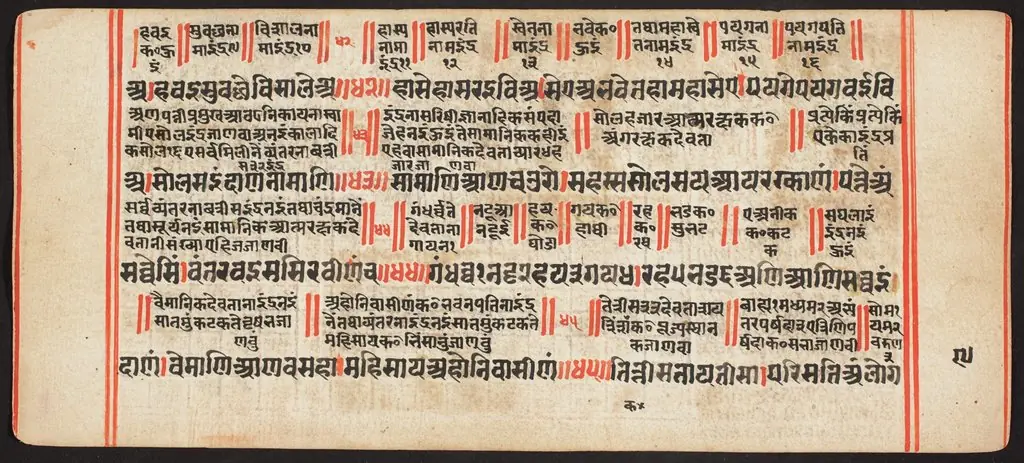 Tantric Manuscript, "Sangrahani Sutra"
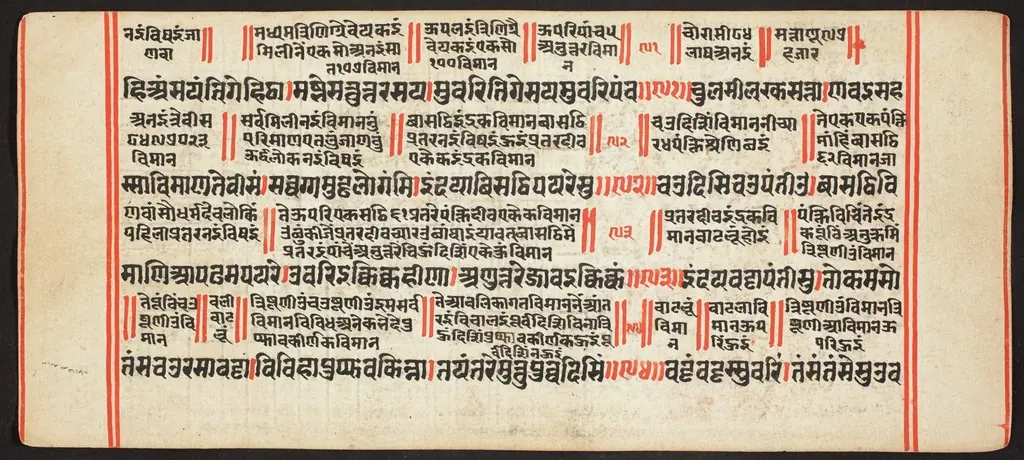 Tantric Manuscript, "Sangrahani Sutra"
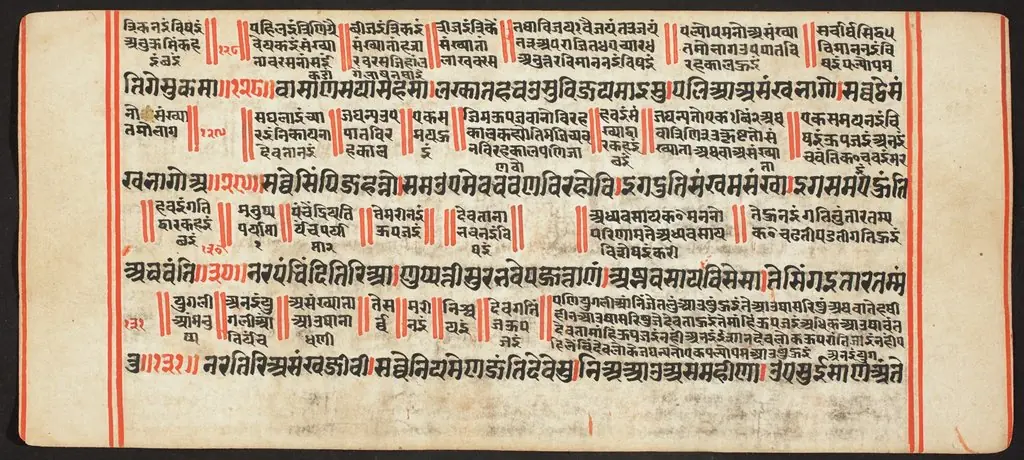 Tantric Manuscript, "Sangrahani Sutra"
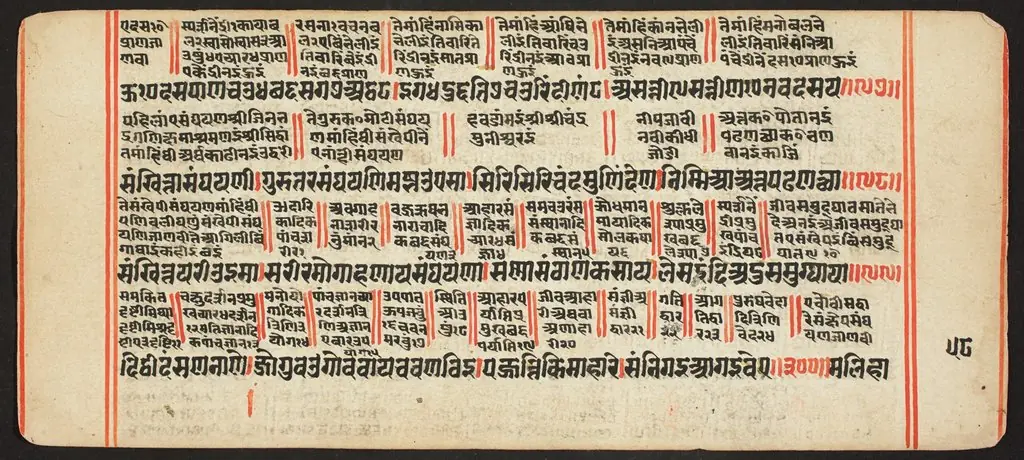 Tantric Manuscript, "Sangrahani Sutra"
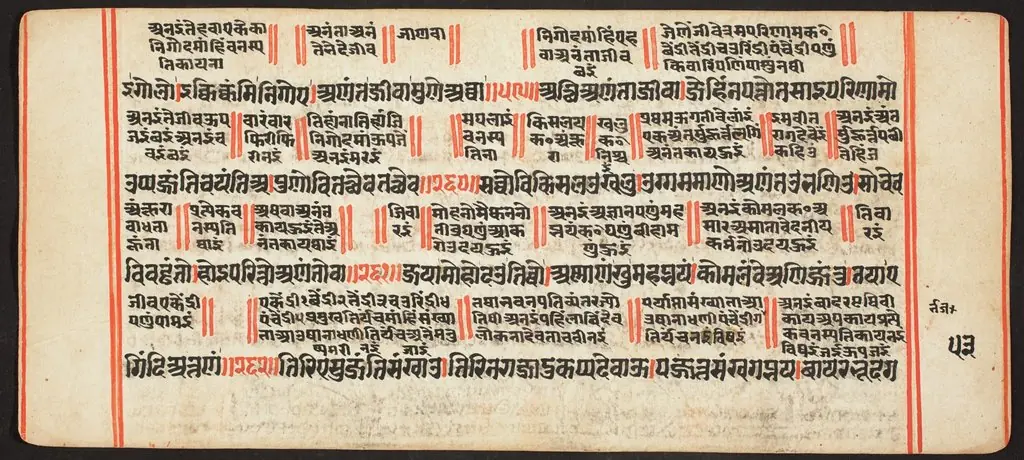 Tantric Manuscript, "Sangrahani Sutra"
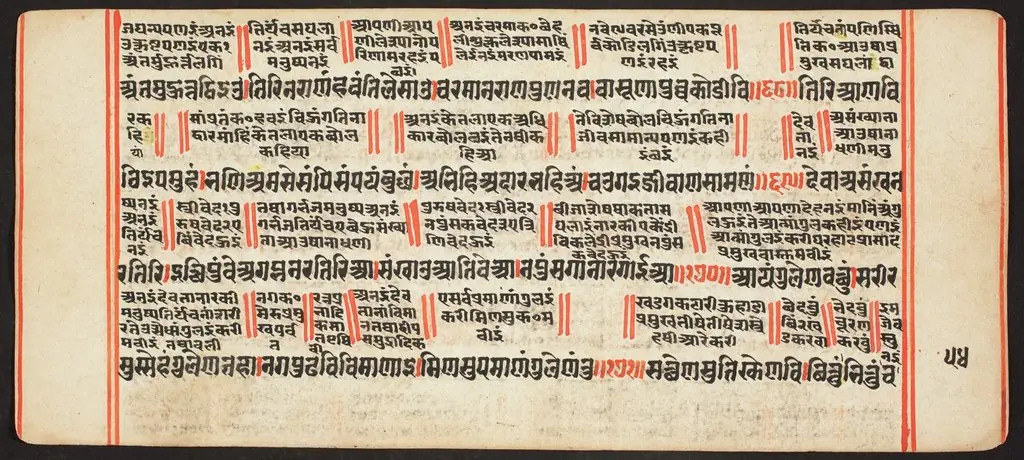 Tantric Manuscript, "Sangrahani Sutra"
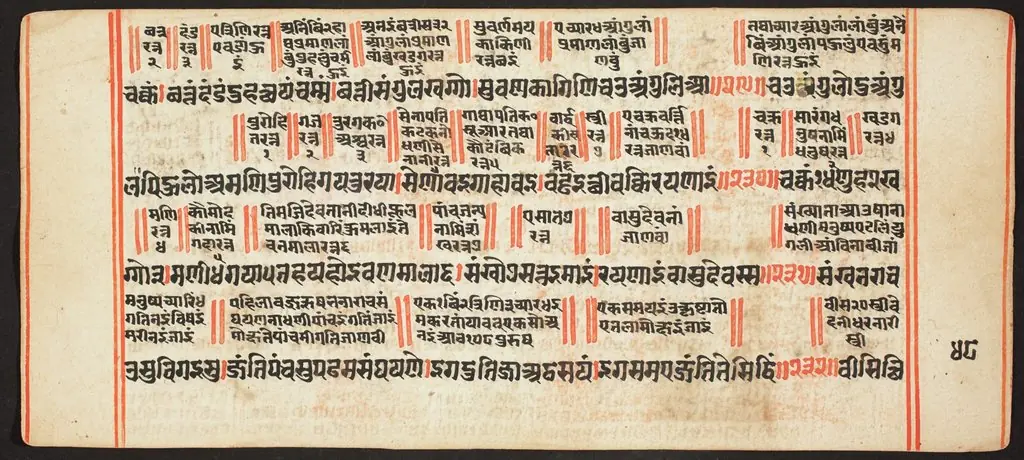 Tantric Manuscript, "Sangrahani Sutra"
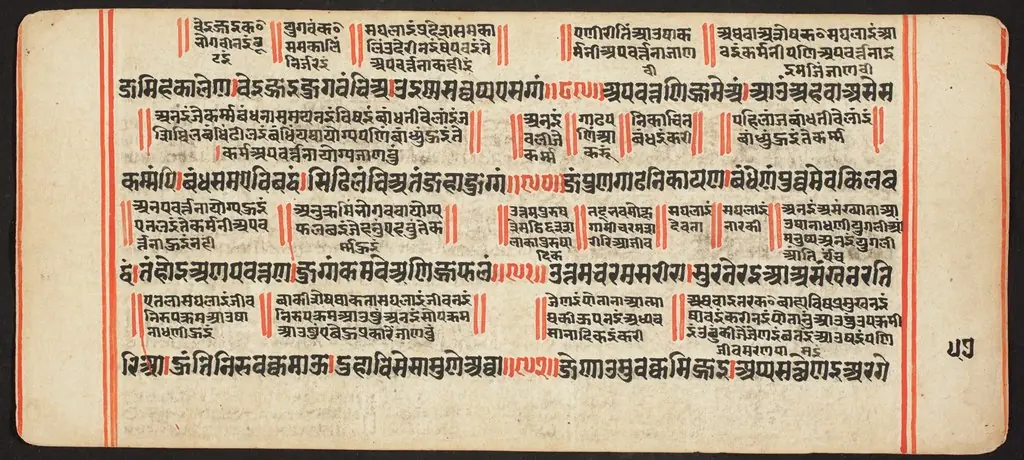 Tantric Manuscript, "Sangrahani Sutra"
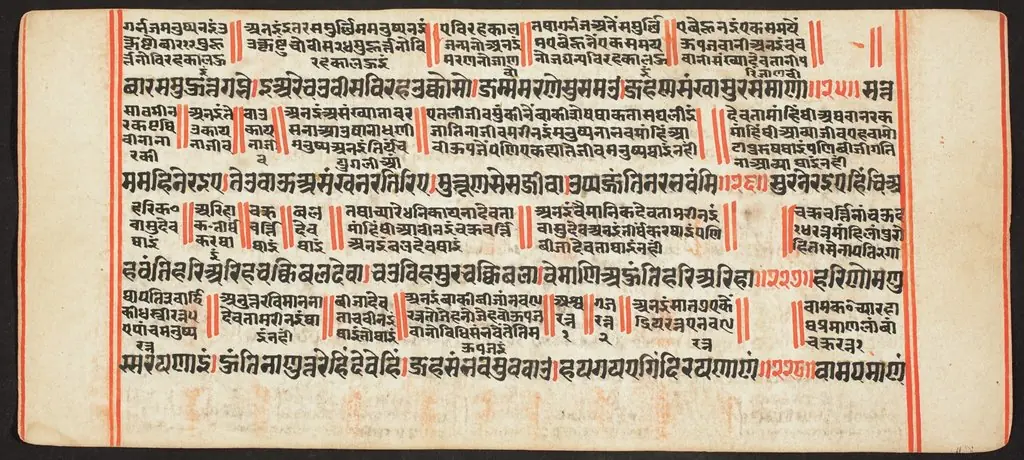 Tantric Manuscript, "Sangrahani Sutra"
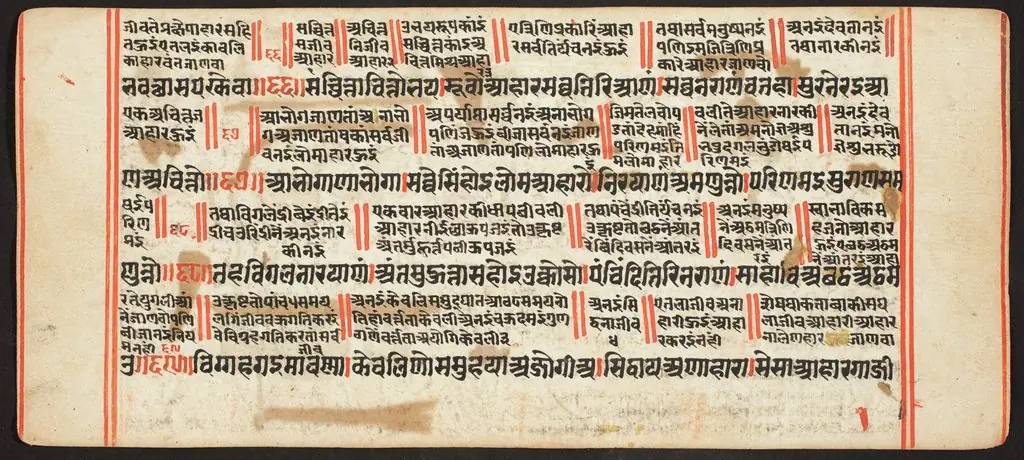 Tantric Manuscript, "Sangrahani Sutra"
 Tantric Manuscript, "Sangrahani Sutra"