Artwork
Tantric Manuscript, "Sangrahani Sutra"
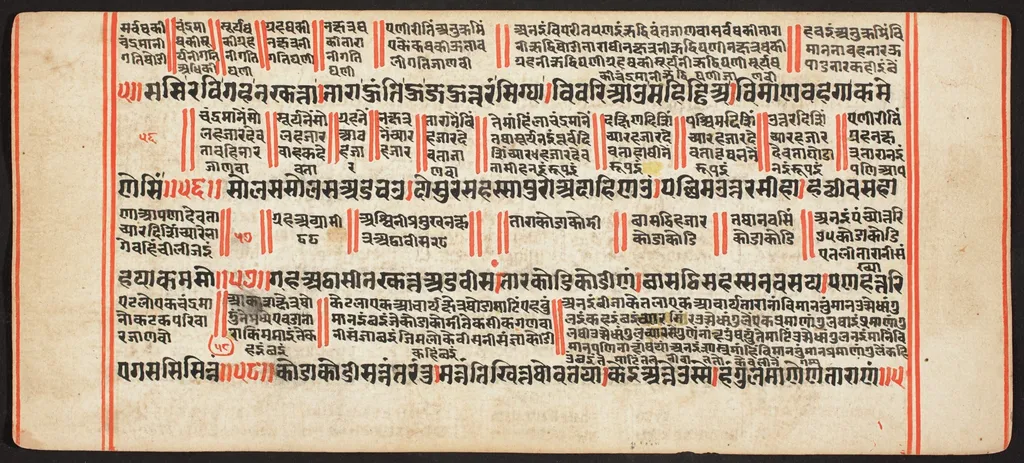
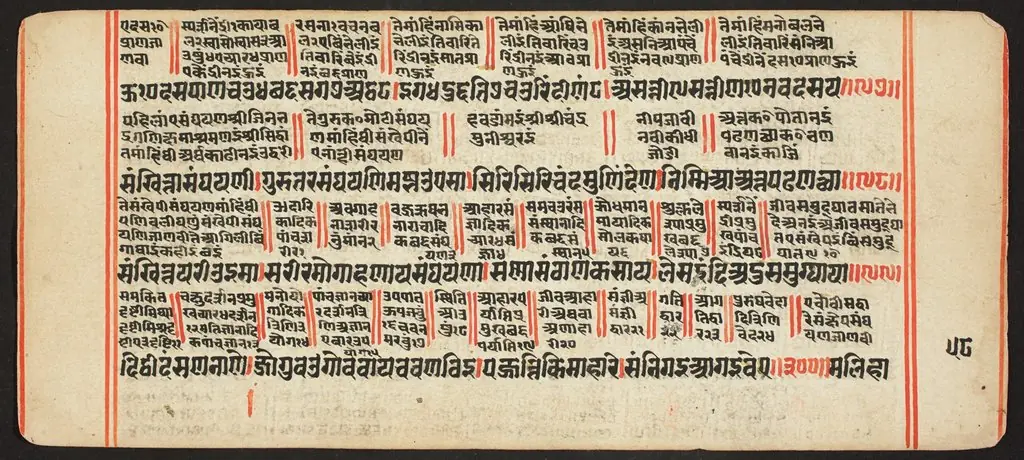
Tantric Manuscript, "Sangrahani Sutra" is an unspecified painting by Unknown. It is held in the collection of the Detroit Institute of Arts. This page comes from a handwritten religious manuscript known as the Sangrahani Sutra, produced in a tantric Buddhist context.
About this work
Overview
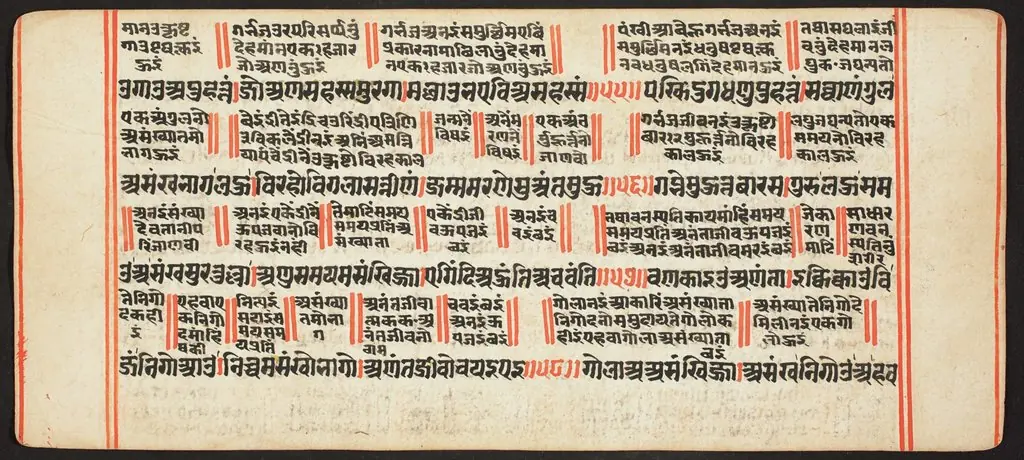
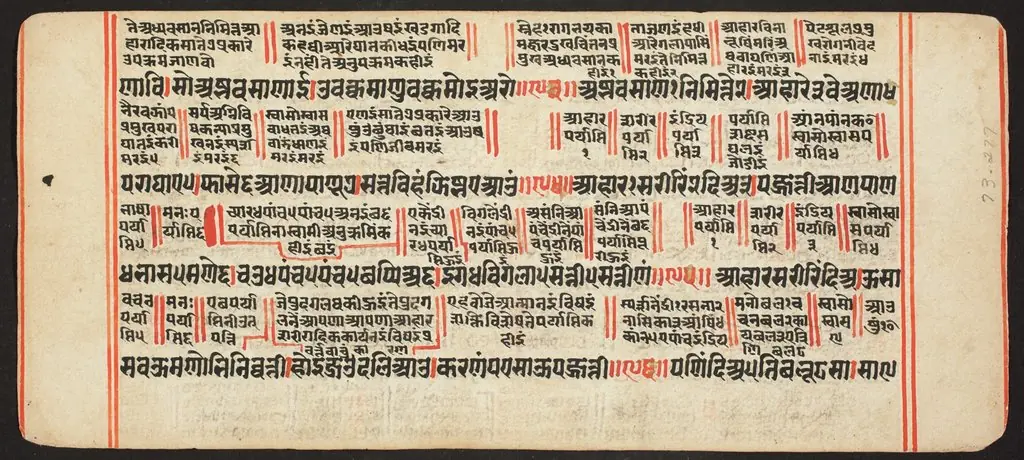
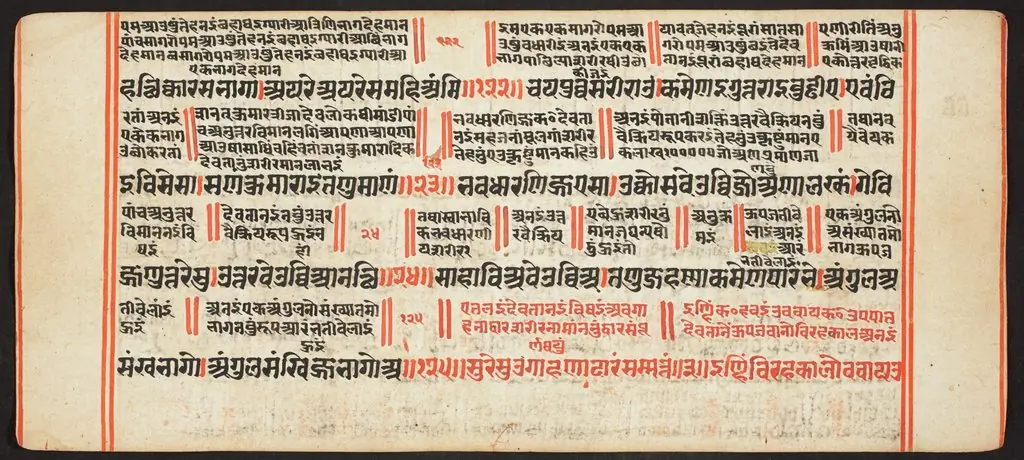
This page comes from a handwritten religious manuscript known as the Sangrahani Sutra, produced in a tantric Buddhist context. The script remains unidentified, and the text is rendered in black ink on a light brown parchment ground. Decorative red lines frame the text on both sides, creating a subtle visual boundary that enhances the page’s formal structure without distracting from the script.
Subject & Meaning
Its content, though not visually depicted, holds spiritual significance as a vehicle for transmitting esoteric teachings.
The Sangrahani Sutra is a doctrinal text within tantric Buddhist traditions, likely used for ritual study or recitation. Its content, though not visually depicted, holds spiritual significance as a vehicle for transmitting esoteric teachings. The absence of figural imagery suggests an emphasis on the sacredness of the written word itself, aligning with practices that treat scripture as a meditative object.
Technique & Style
The script is executed with meticulous calligraphic care, featuring elaborate flourishes and ornamental strokes that elevate the text beyond mere notation. The use of red ink for marginal lines contrasts with the black script, introducing a restrained chromatic rhythm. The surface is unadorned except for these lines, reflecting a focus on textual purity rather than illustrative embellishment.
History & Provenance
The manuscript page resides in the collection of the Detroit Institute of Arts, acquired as part of a broader grouping of South or Southeast Asian religious artifacts. Its exact origin and date are undocumented, but stylistic features suggest a production context in the tantric Buddhist regions of the Indian subcontinent or Himalayan periphery during the medieval period.
Context
In tantric Buddhist communities, handwritten sutras were often treated as ritual objects, their physical form imbued with spiritual power. The decorative script and framing lines reflect a devotional approach to textual transmission, where the act of writing and the aesthetics of the page contributed to the sacred function of the manuscript, distinct from later printed traditions.
Legacy
As a surviving fragment of a devotional manuscript tradition, this page offers insight into the material culture of esoteric Buddhism. Its preservation in a Western museum underscores the global circulation of religious artifacts, while its undeciphered script and unillustrated form remind viewers of the enduring mystery surrounding many pre-modern sacred texts.
Artist & collection

 Domestic Scene
 Giacomo and Cardinal Marco, investing Andrea, Abbot of San Zeno, with his Benefice
 The Nymph of Fontainebleau
 Portrait of a Woman
 Madonna and Child with Saints in the Enclosed Garden
 Venus and Minerva
 Family Group of Four on Sofa
 Wall painting from Room H of the Villa of P. Fannius Synistor at Boscoreale
 Tantric Manuscript, "Sangrahani Sutra"
 Tantric Manuscript, "Sangrahani Sutra"
 Tantric Manuscript, "Sangrahani Sutra"
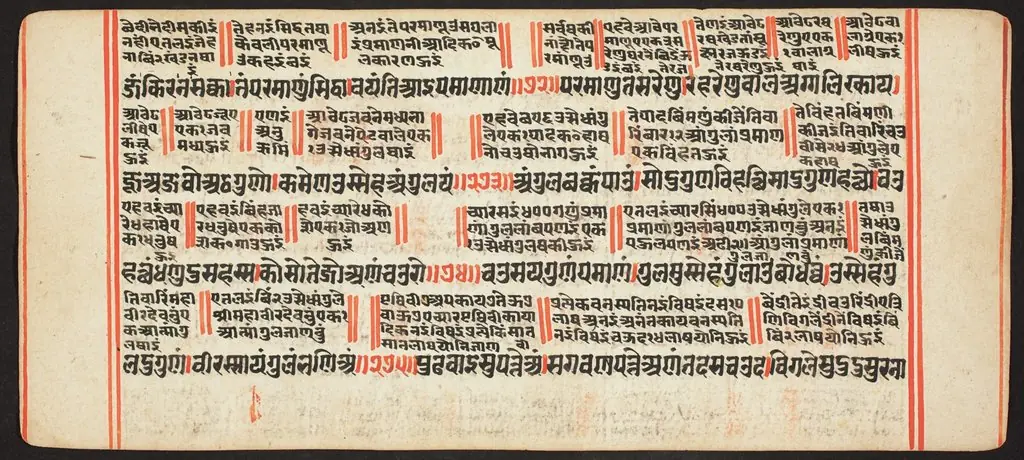 Tantric Manuscript, "Sangrahani Sutra"
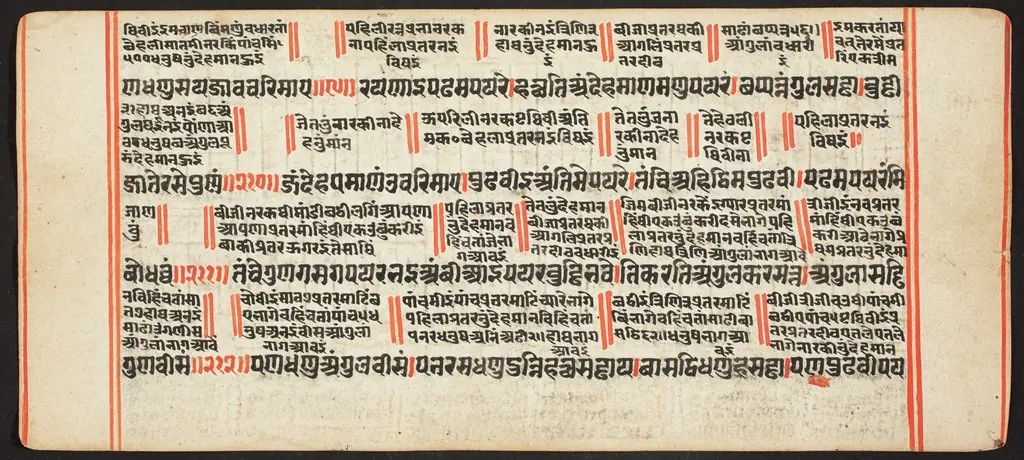 Tantric Manuscript, "Sangrahani Sutra"
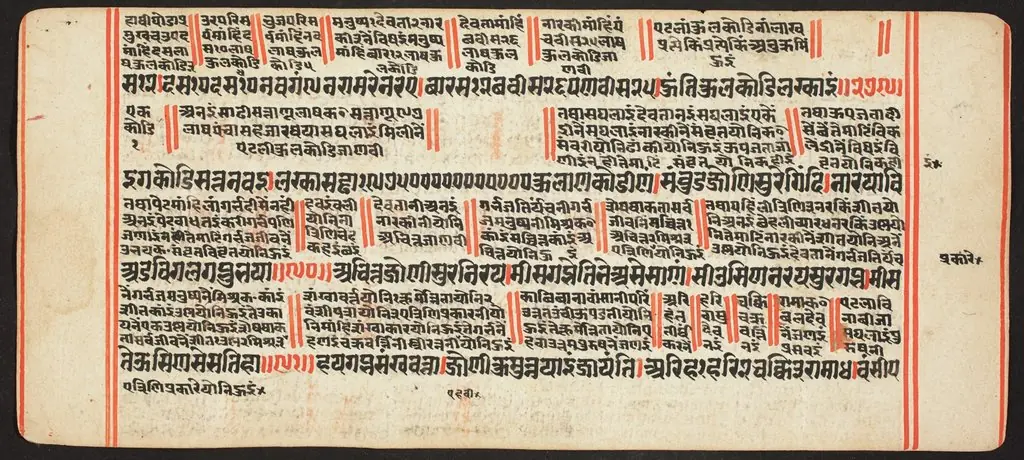 Tantric Manuscript, "Sangrahani Sutra"
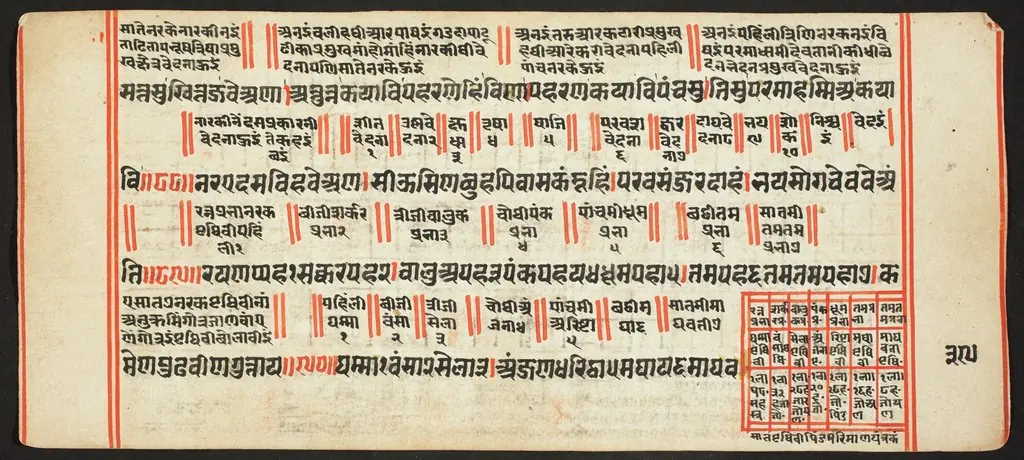 Tantric Manuscript, "Sangrahani Sutra"
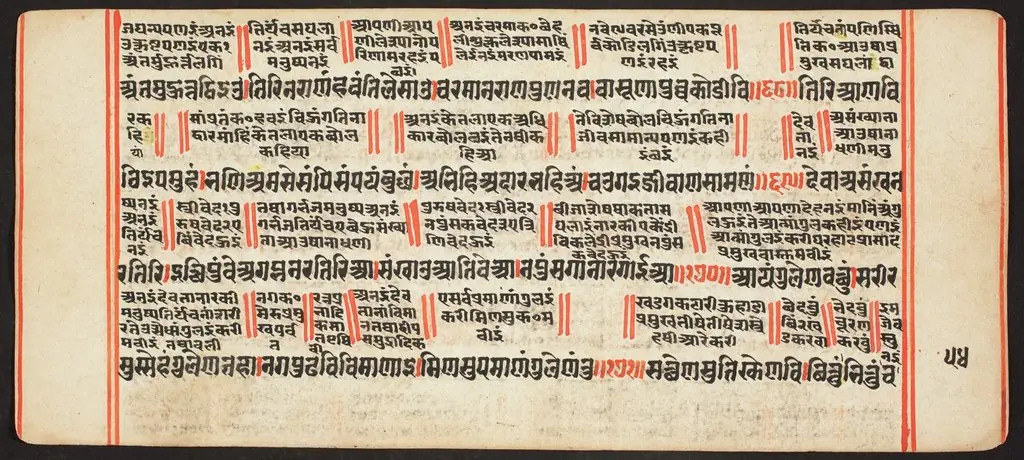 Tantric Manuscript, "Sangrahani Sutra"
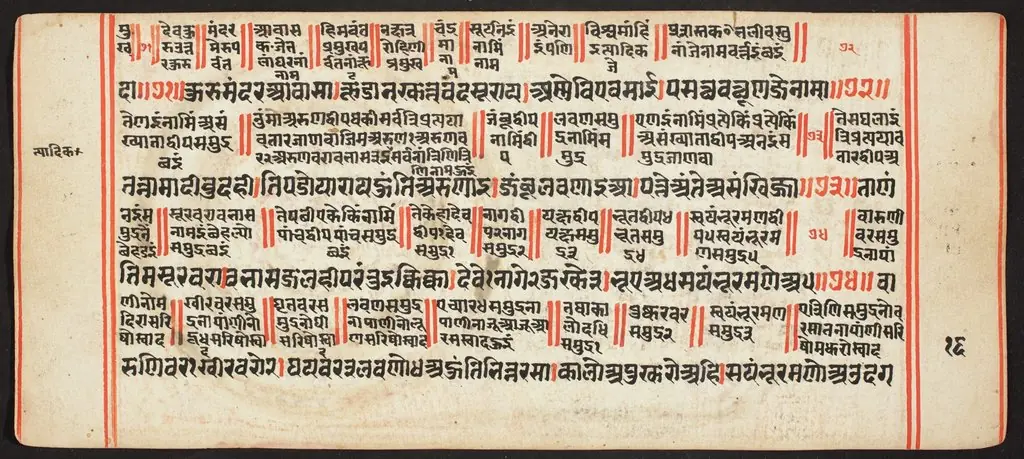 Tantric Manuscript, "Sangrahani Sutra"
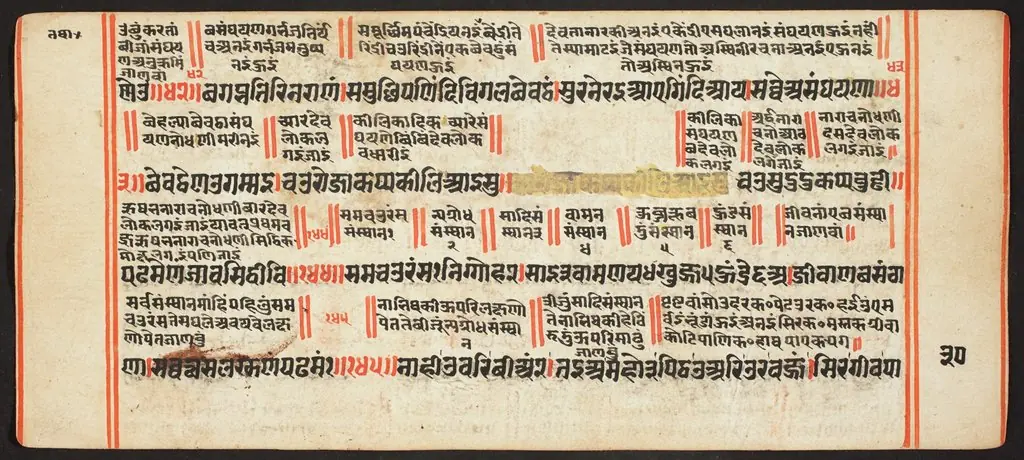 Tantric Manuscript, "Sangrahani Sutra"
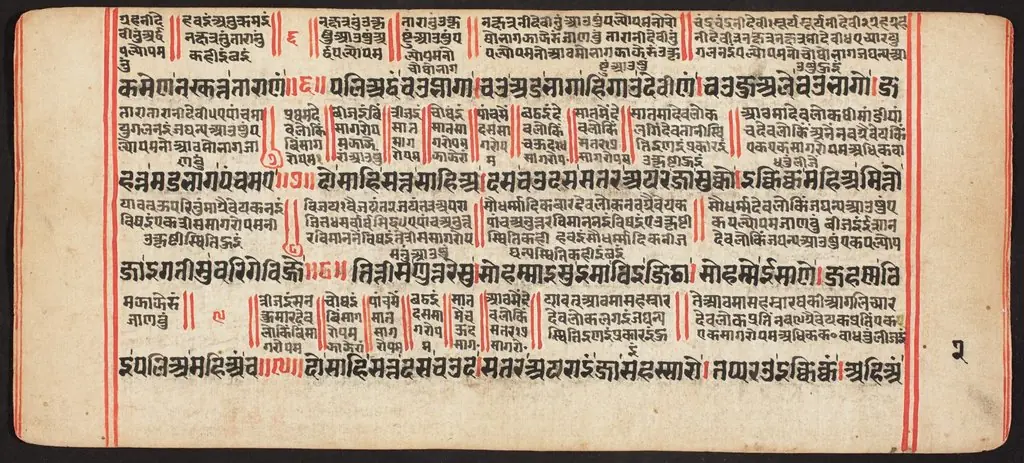 Tantric Manuscript, "Sangrahani Sutra"
 Tantric Manuscript, "Sangrahani Sutra"