Artwork
Willem III, Count of Holland, Ordering the Beheadal of the Bailiff of Zuid Holland, 1336
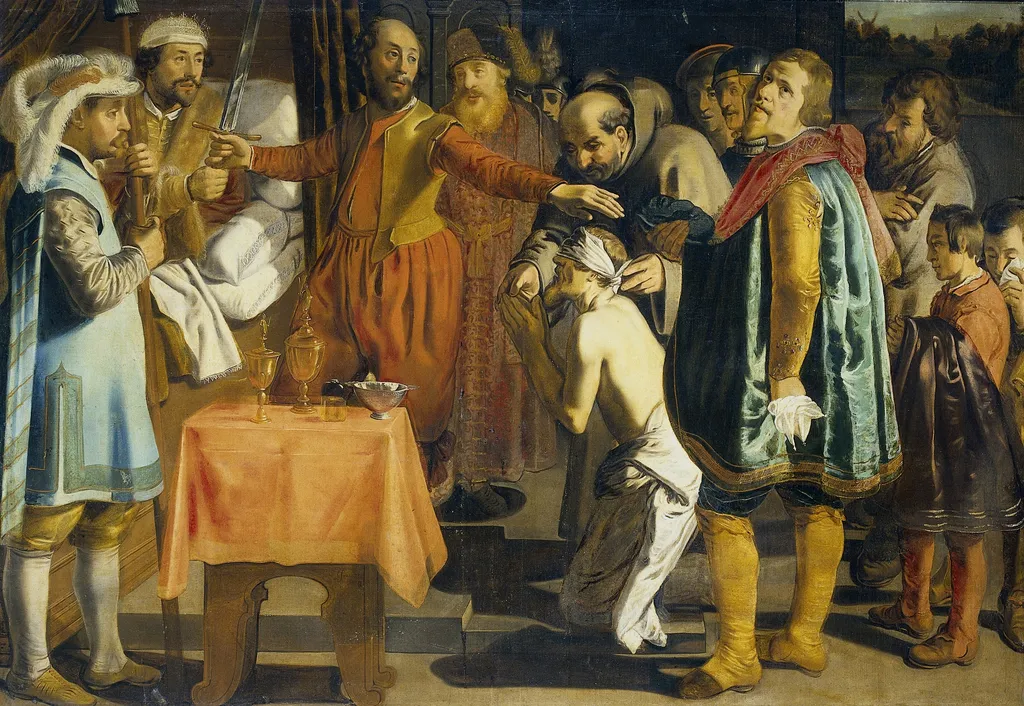
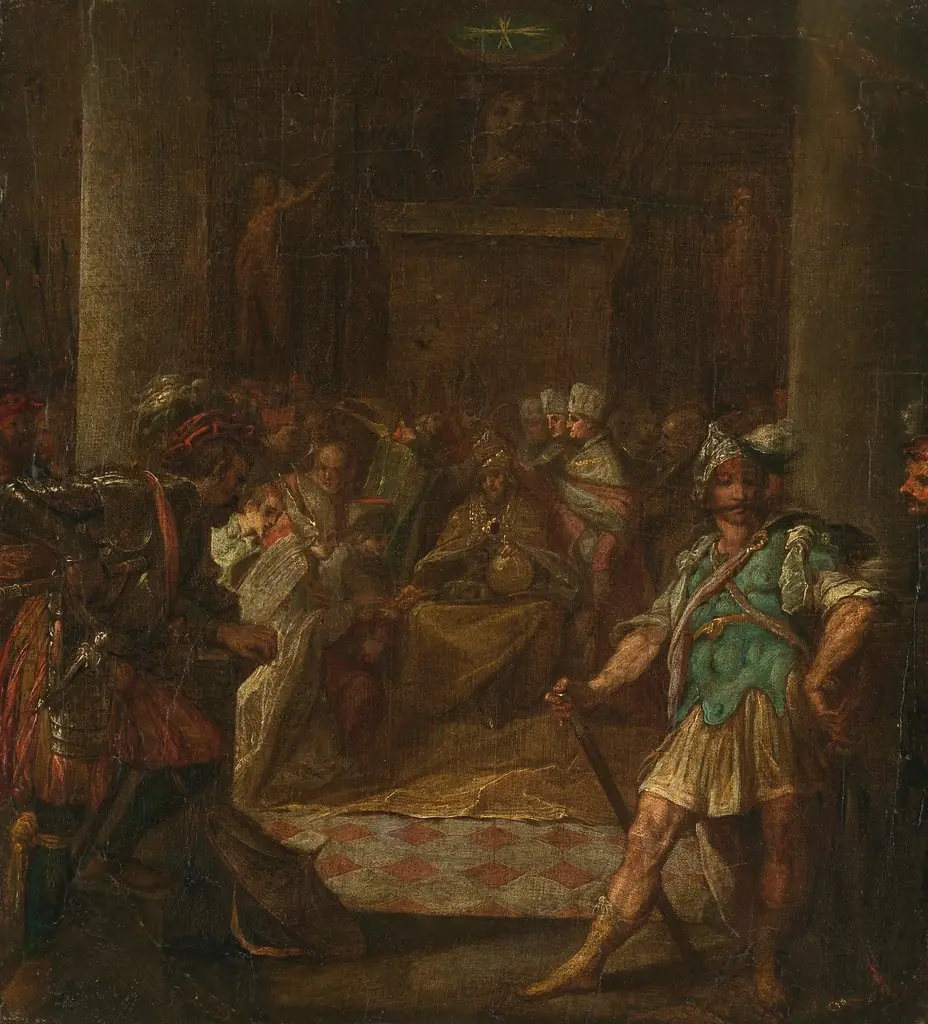
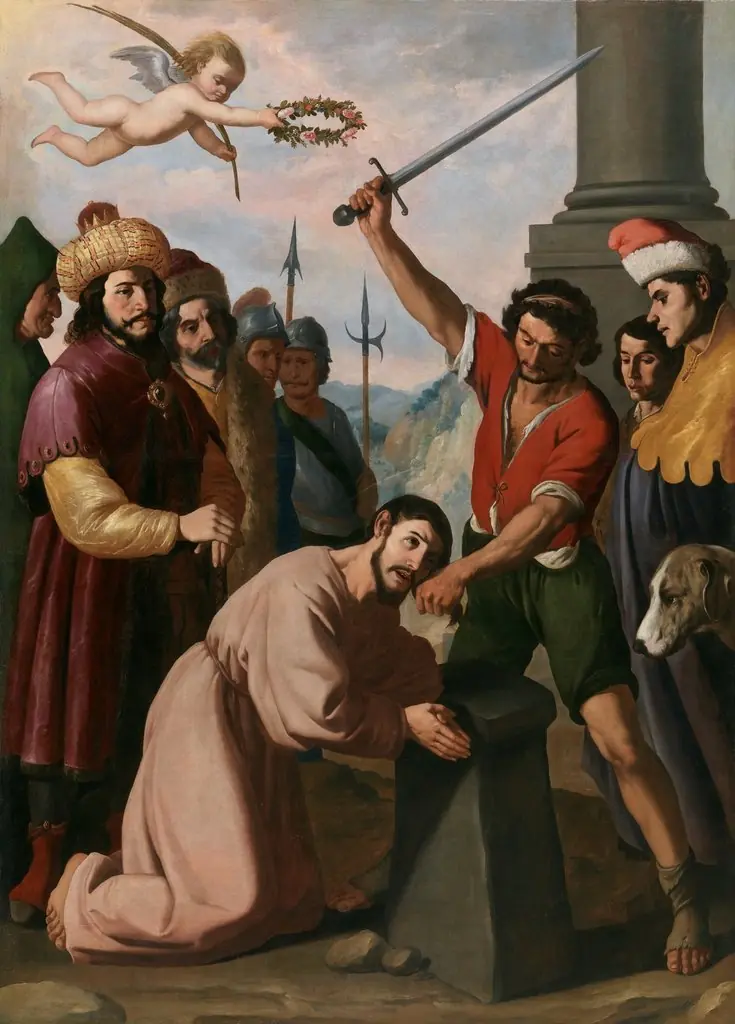
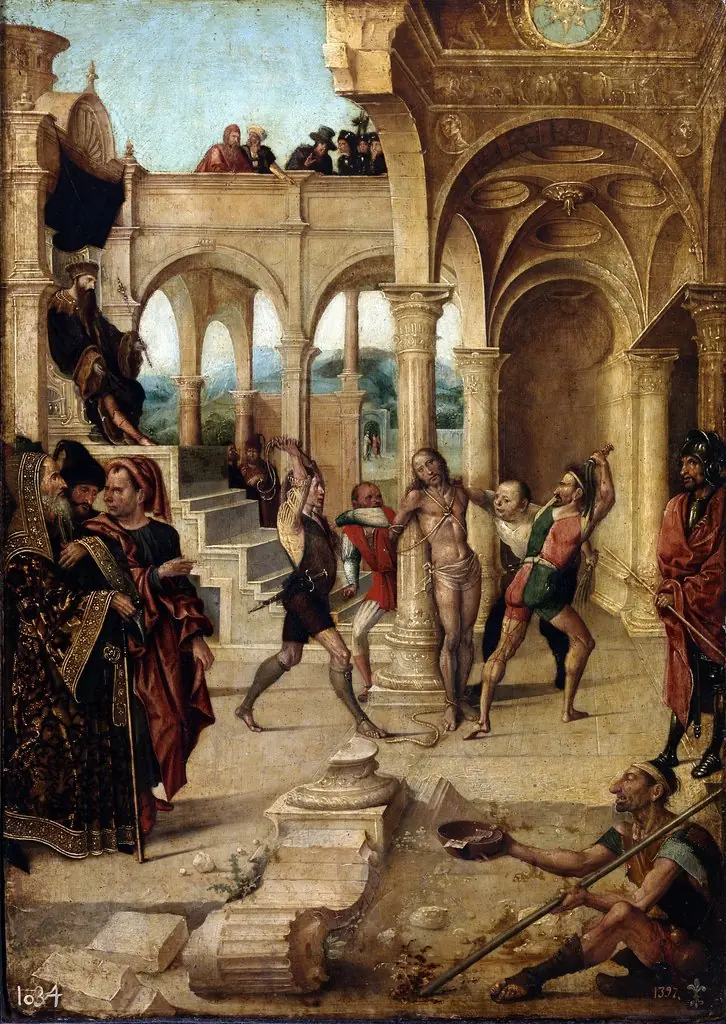
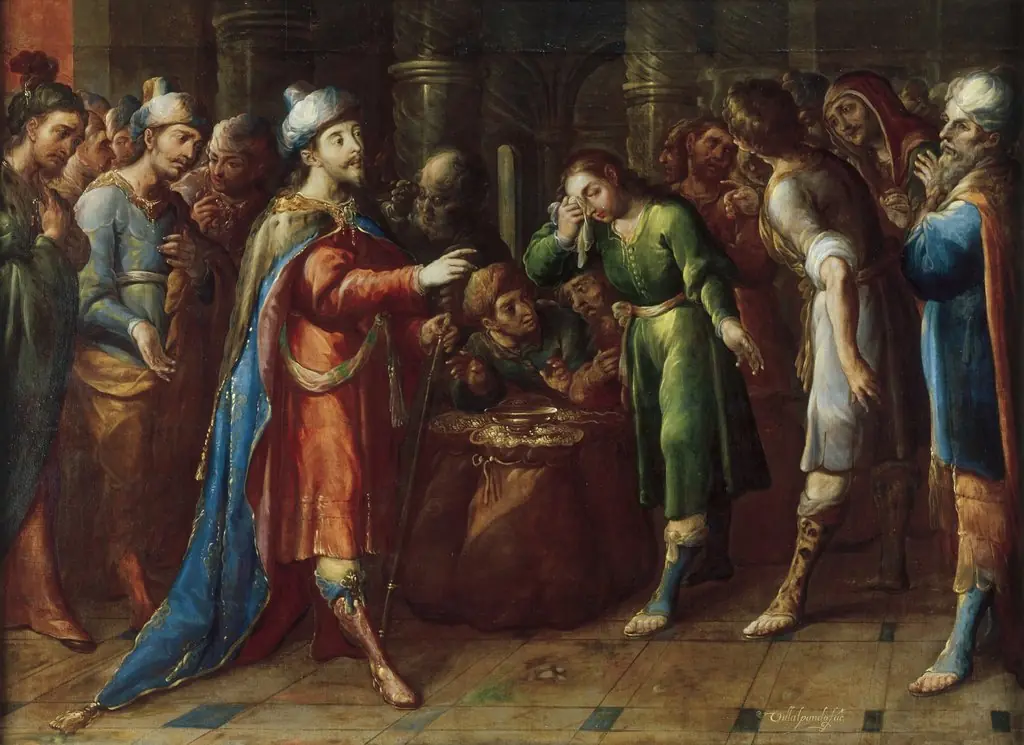
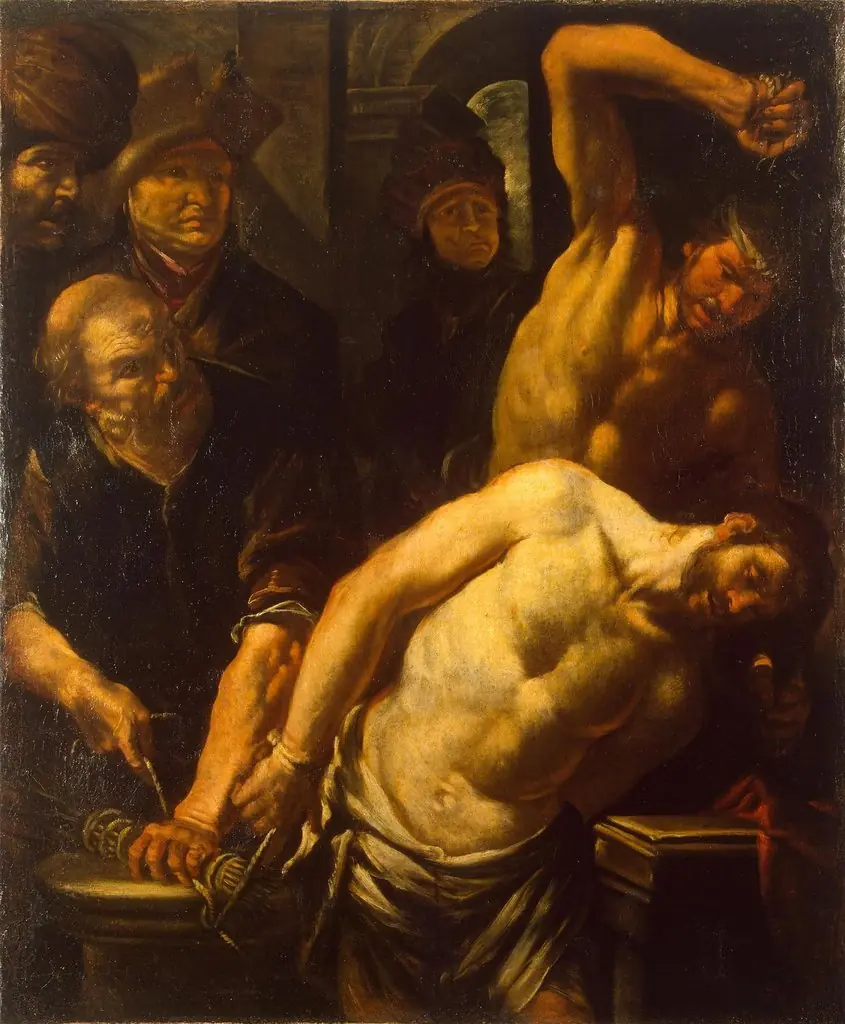
Willem III, Count of Holland, Ordering the Beheadal of the Bailiff of Zuid Holland, 1336 is an oil painting by the Dutch Golden Age artist Unknown. It dates from 1634 and is held in the collection of the Rijksmuseum. The canvas portrays a dramatic episode from 1336 in which Willem III, Count of Holland, orders the execution of the bailiff of Zuid Holland.
About this work
Overview
The canvas portrays a dramatic episode from 1336 in which Willem III, Count of Holland, orders the execution of the bailiff of Zuid Holland.
The canvas portrays a dramatic episode from 1336 in which Willem III, Count of Holland, orders the execution of the bailiff of Zuid Holland. Set in a dimly lit interior, the composition centers on a figure in a yellow vest gesturing toward a table draped in red, while a beheaded man is displayed nearby. The work is executed in oil on canvas and dates from the 17th century, reflecting a historical narrative rendered for a later audience.
Subject & Meaning
The scene captures a moment of judicial authority and violent retribution: the count commands the beheading, and the severed head, held by a armored attendant, symbolizes the enforcement of law and the political tensions of medieval Holland. The kneeling figure, covering his face, conveys shock or remorse, underscoring the moral gravity of the act.
Technique & Style
The painter employs strong chiaroscuro, using deep shadows to isolate the figures and heighten the sense of immediacy. The contrast between the illuminated bodies and the dark surroundings creates a three‑dimensional effect, while the rich reds of the tablecloth and the metallic sheen of the cup and bowl add visual focus to the central action.
History & Provenance
Although depicting a 14th‑century event, the work itself originates from the 1600s, a period when Dutch artists frequently revisited national history. Its provenance traces through several private collections before entering a museum setting, where it has been displayed as part of exhibitions on Dutch historical painting.
Context
The painting reflects the 17th‑century Dutch interest in moralizing history paintings, a genre that combined narrative detail with didactic purpose. By portraying a medieval legal episode, the artist aligns contemporary concerns about authority and justice with a distant past, offering viewers a lens on the evolution of governance in the Low Countries.
Artist & collection

 Domestic Scene
 Giacomo and Cardinal Marco, investing Andrea, Abbot of San Zeno, with his Benefice
 The Nymph of Fontainebleau
 Portrait of a Woman
 Madonna and Child with Saints in the Enclosed Garden
 Venus and Minerva
 Family Group of Four on Sofa
 Wall painting from Room H of the Villa of P. Fannius Synistor at Boscoreale