Artwork
Ecce Homo
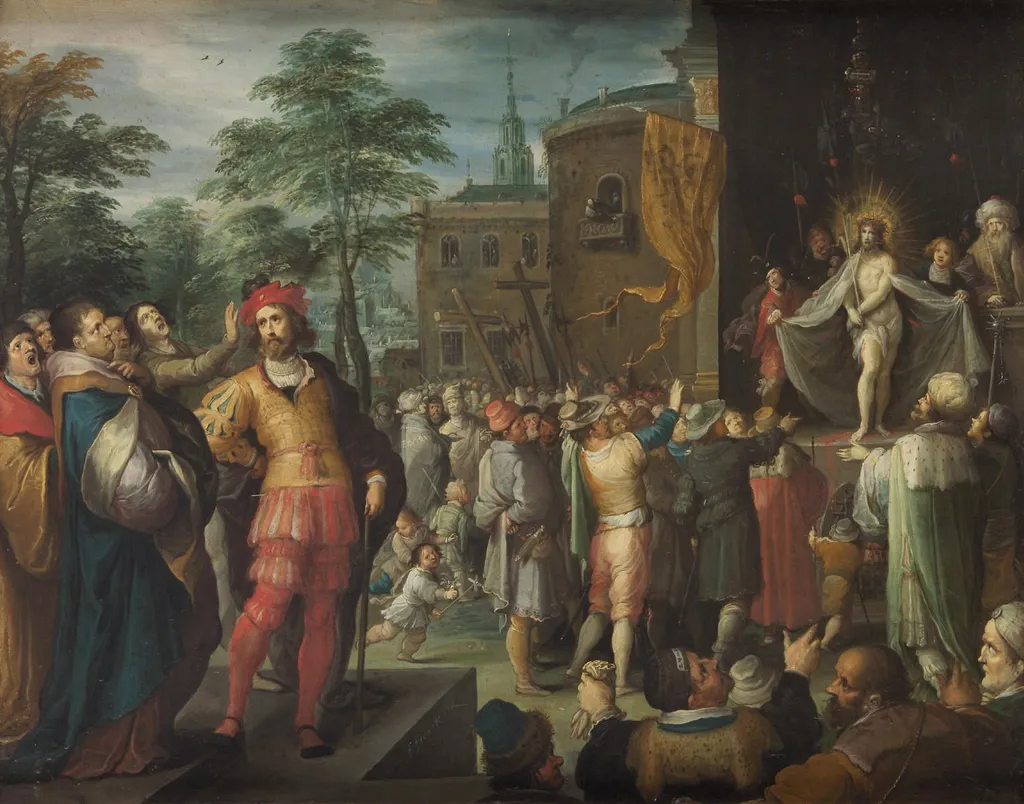
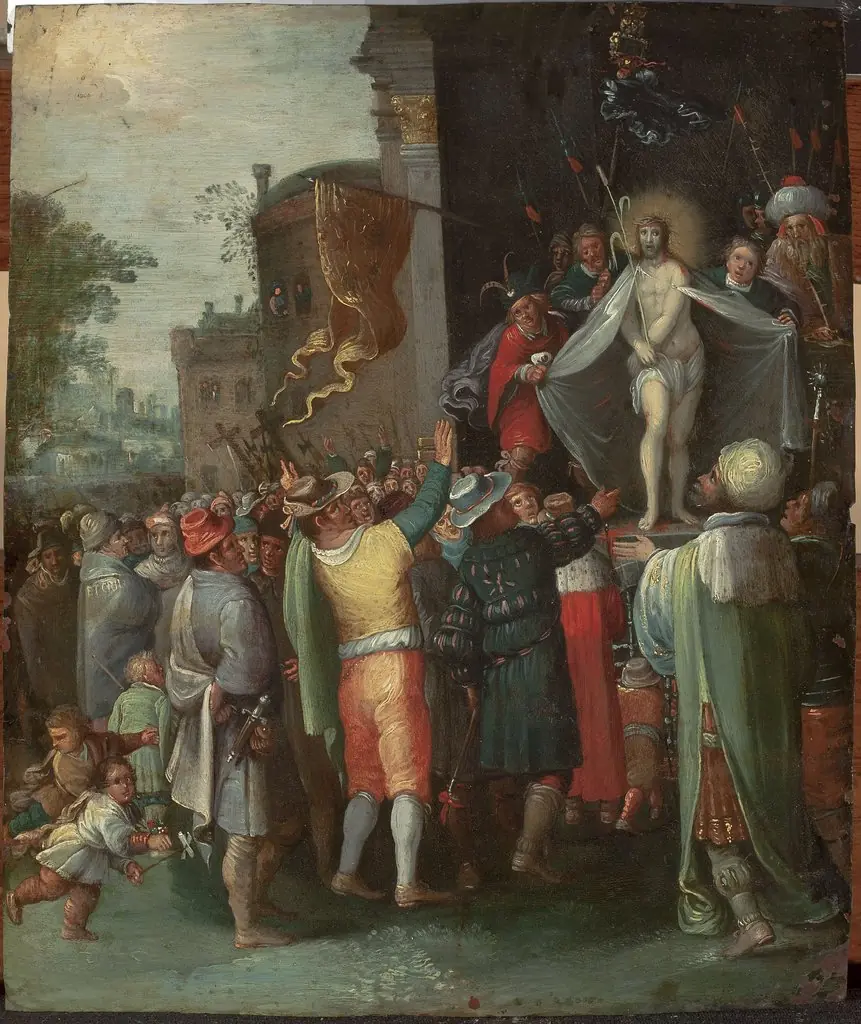
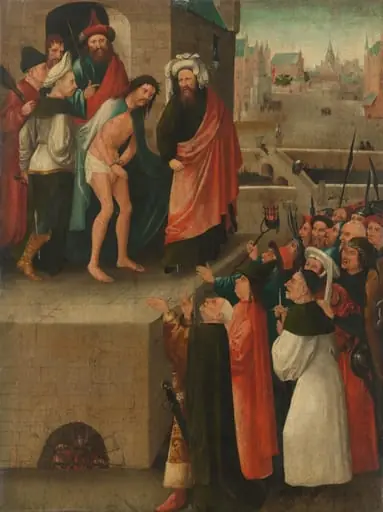
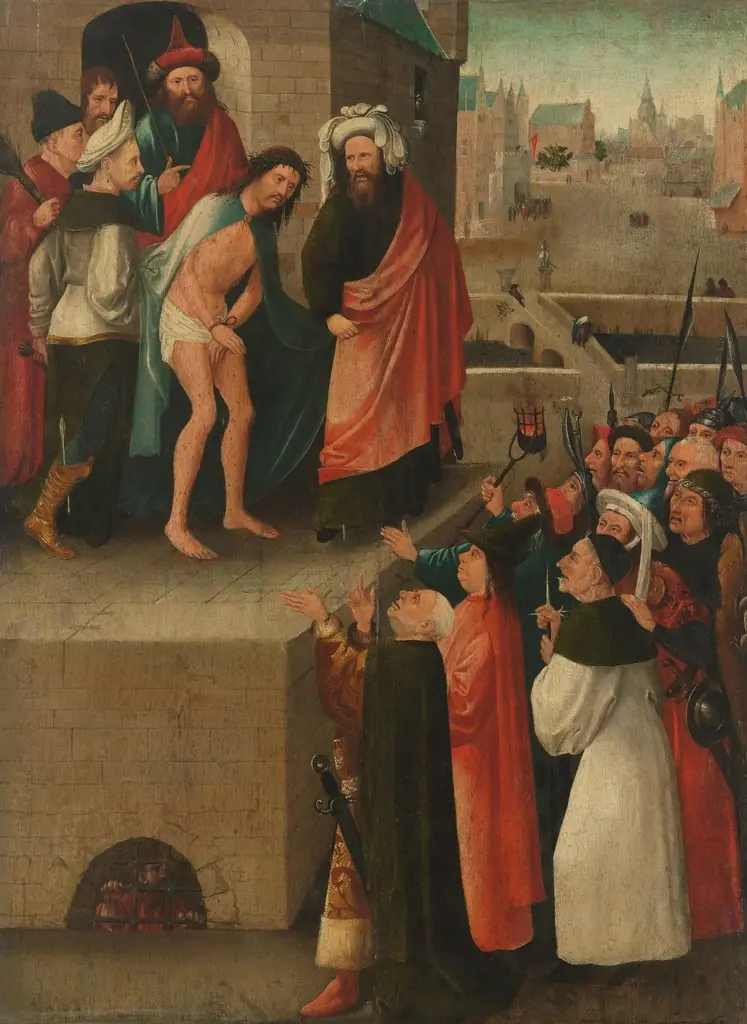
Ecce Homo is an oil painting by the Flemish Baroque painting artist Frans Francken the Younger. It dates from 1612 and is held in the collection of the Kunsthistorisches Museum.
About this work
Overview
Unlike his frequent collaborations with specialists in landscape or still life, this composition appears to be entirely his own.
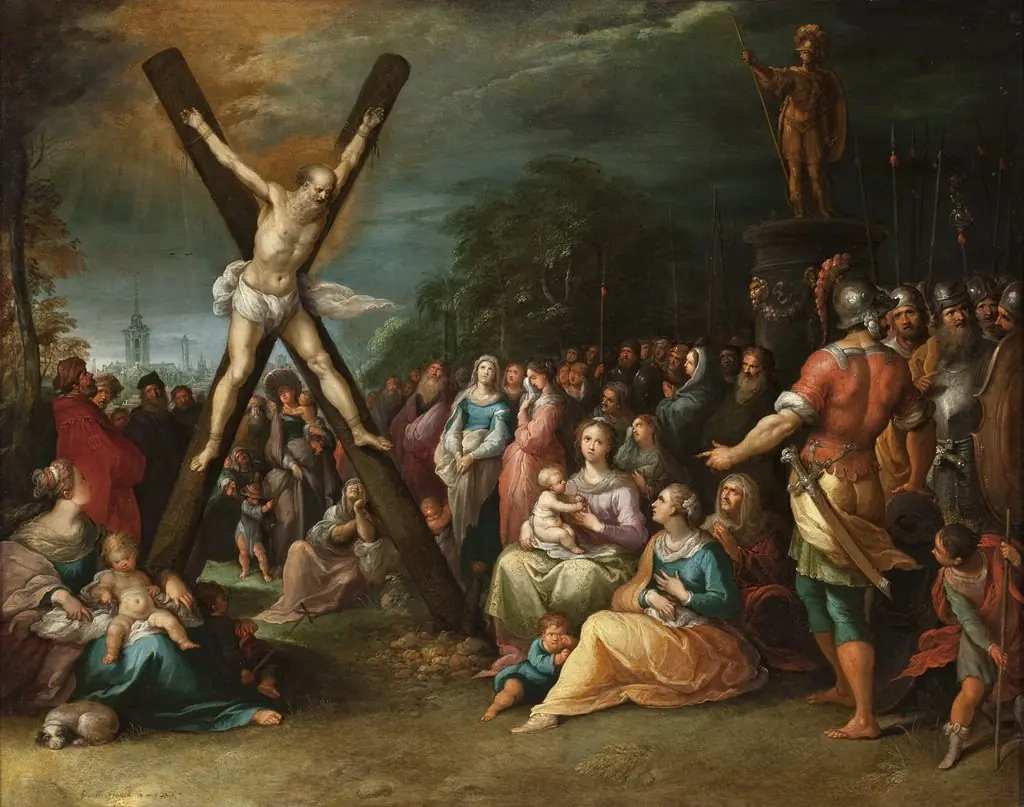
Frans Francken the Younger executed *Ecce Homo* in 1612, a work characteristic of Flemish Baroque painting. Unlike his frequent collaborations with specialists in landscape or still life, this composition appears to be entirely his own. Painted on copper, the panel reflects the period’s preference for smooth, luminous surfaces that enhance fine detail. The painting resides in the Kunsthistorisches Museum, Vienna.
Subject & Meaning
The scene illustrates the moment in Christian narrative when Pontius Pilate presents Jesus to the crowd, declaring, “Behold the man.” A central figure in red, likely Pilate, gestures toward Christ, who is flanked by soldiers. The gathered multitude reacts with a mix of shock, disdain, and agitation. Francken’s composition directs attention to Christ as the focal point amid the tumult, underscoring the dramatic tension of the biblical episode.
Technique & Style
Francken employs a refined technique suited to copper’s non-absorbent surface, allowing for precise brushwork and vibrant color saturation. Warm reds and greens dominate the palette, while sharp chiaroscuro contrasts heighten the three-dimensionality of figures. The artist’s meticulous rendering of textures—fabric, flesh, architecture—exemplifies Flemish Baroque attention to detail, reinforcing the narrative’s emotional intensity.
History & Provenance
Dated 1612, *Ecce Homo* was created during Francken’s mature period, when he produced both large-scale altarpieces and smaller devotional works. The painting’s early history remains undocumented, but it entered the Kunsthistorisches Museum’s collection in the 19th century, where it has been preserved as an example of Flemish religious art. The copper support suggests it was intended for private devotion or a refined interior setting.
Context
The work emerges from Counter-Reformation Europe, where religious art served didactic and emotive purposes. Francken, part of a prominent Antwerp artist family, catered to a market that valued both technical skill and narrative clarity. *Ecce Homo* reflects the era’s emphasis on dramatic, accessible depictions of biblical events, designed to evoke piety and contemplation in viewers.
Artist & collection
Artist
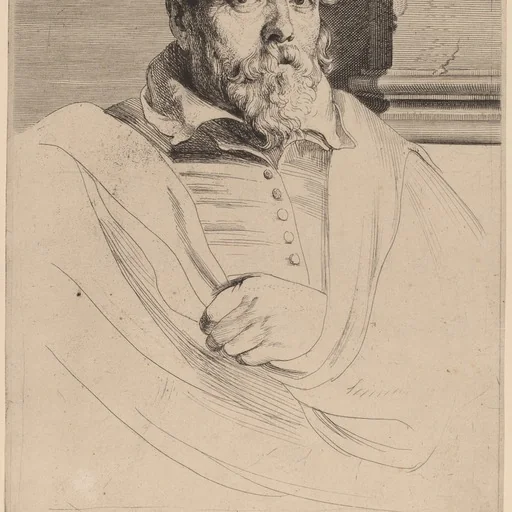
Frans Francken the Younger (1581, Antwerp – 6 May 1642, Antwerp) was a Flemish painter and the best-known and most prolific member of the large Francken family of artists.