Artwork
Portrait of a man
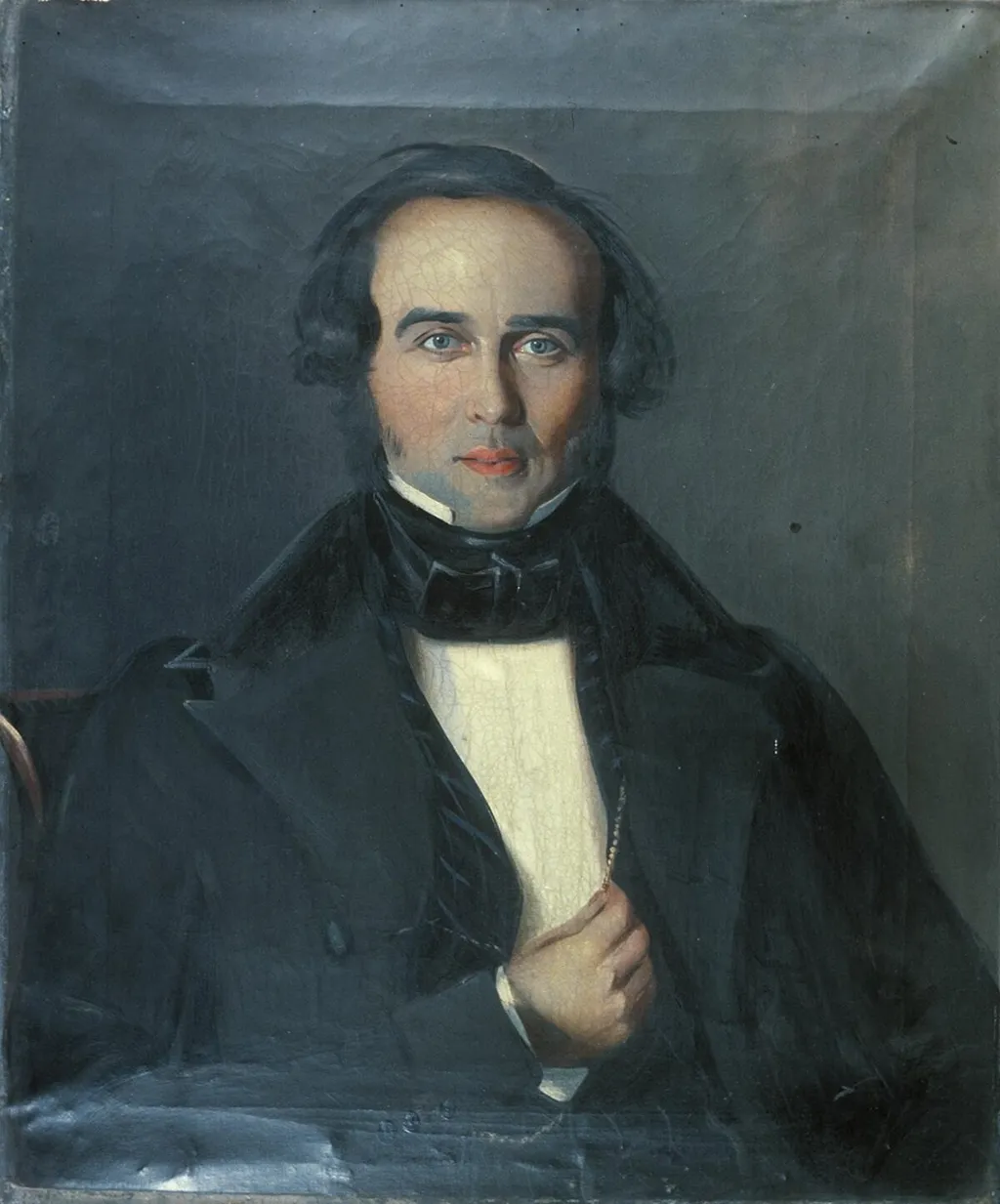
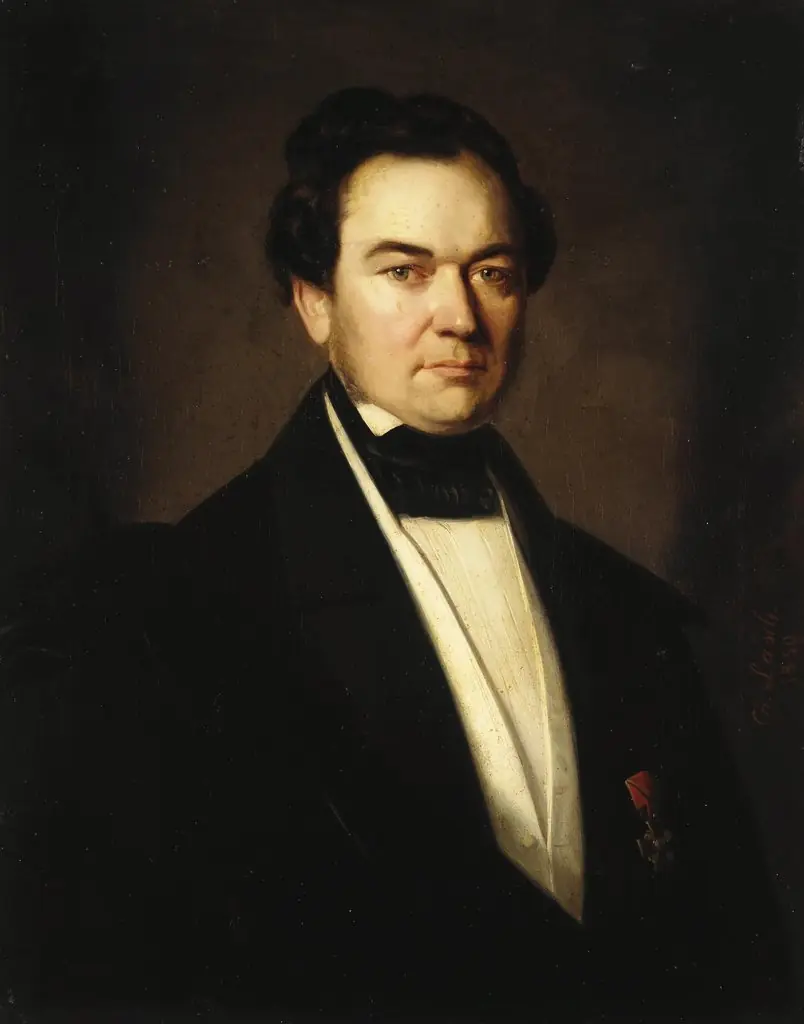
Portrait of a man is an oil painting by the Biedermeier artist Unknown. It dates from 1840 and is held in the collection of the National Library of Wales. This oil painting depicts a man in formal attire, rendered with a focus on his facial expression and presence.
About this work
Overview
This oil painting depicts a man in formal attire, rendered with a focus on his facial expression and presence. The dark background isolates the figure, drawing attention to his features. The composition is tightly framed, emphasizing the subject’s gaze and the subtle modeling of his face through contrasted light and shadow.
Subject & Meaning
The man’s serious demeanor and direct gaze suggest a contemplative or solemn character. His attire—a dark jacket, white shirt, and black bow tie—indicates formal dress, possibly professional or ceremonial. The lack of contextual elements reinforces an introspective tone, inviting the viewer to engage with the subject’s inner state rather than external identity.
Technique & Style
The artist employs chiaroscuro to define the contours of the face and clothing, creating a three-dimensional effect through sharp contrasts between light and shadow. Brushwork is restrained, favoring smooth transitions over visible strokes. The dark surroundings enhance the luminosity of the skin and shirt, heightening the figure’s presence without decorative distraction.
History & Provenance
The painting’s origin and early ownership are undocumented in available records. It lacks inscriptions, signatures, or known exhibition history. Its preservation suggests it was privately held, possibly within a family collection, though no definitive trail of ownership has been established.
Context
The portrait aligns with 19th-century conventions of formal portraiture, where psychological presence was prioritized over elaborate settings. Similar works from this period often emphasized the individual’s character through controlled lighting and minimal background, reflecting a broader cultural interest in personal identity and restraint.
Legacy
Though not widely published or exhibited, the painting contributes to a quiet tradition of intimate male portraiture. Its restrained aesthetic and focus on expression reflect enduring artistic values that prioritize psychological depth over spectacle, influencing later studies of individual presence in painted form.
Artist & collection

 Domestic Scene
 Giacomo and Cardinal Marco, investing Andrea, Abbot of San Zeno, with his Benefice
 The Nymph of Fontainebleau
 Portrait of a Woman
 Madonna and Child with Saints in the Enclosed Garden
 Venus and Minerva
 Family Group of Four on Sofa
 Wall painting from Room H of the Villa of P. Fannius Synistor at Boscoreale
 Thomas Davies, Llandingad
 Προσωπογραφία του Frederick North
 Portretul lui Nicolae Bălcescu
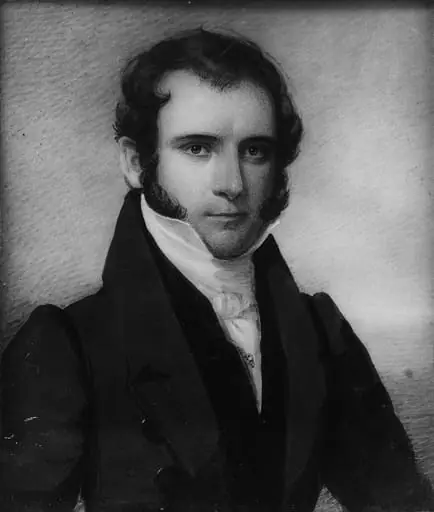 Portrait of a Gentleman
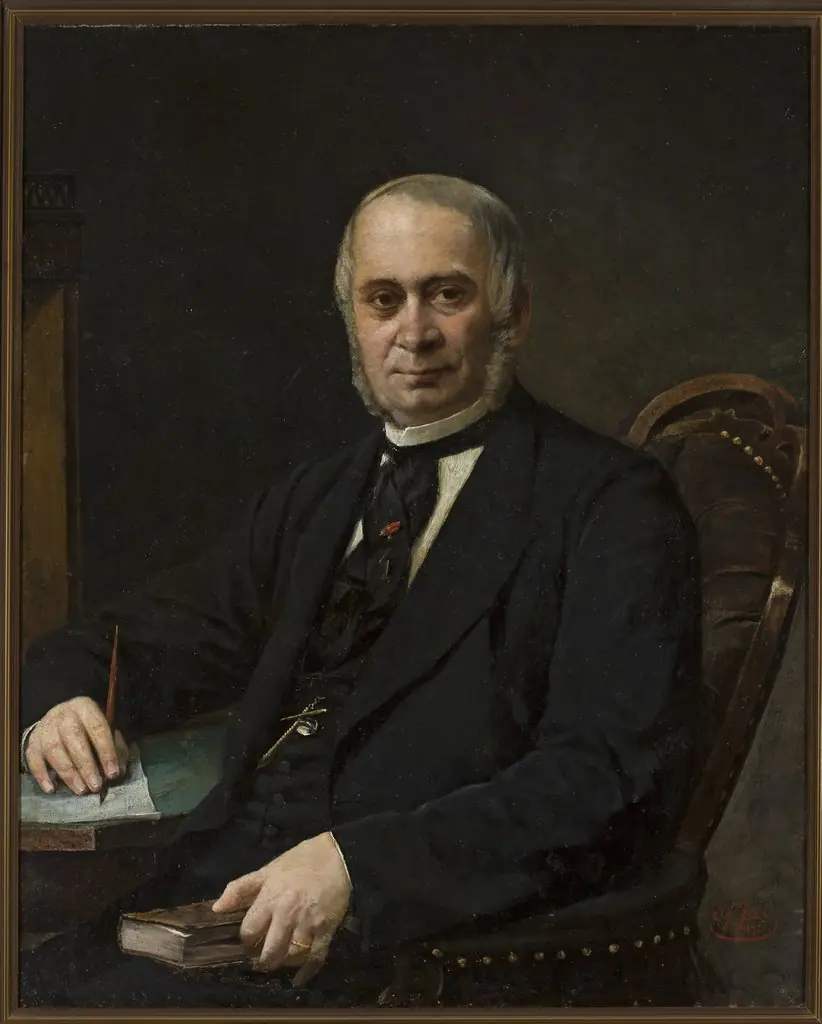 Portrait o f Aleksander Preys
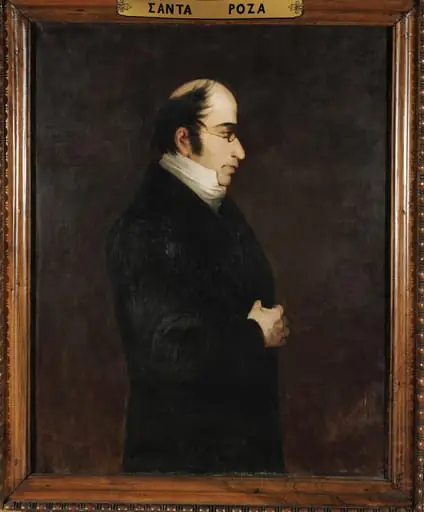 Προσωπογραφία του Σανταρόζα
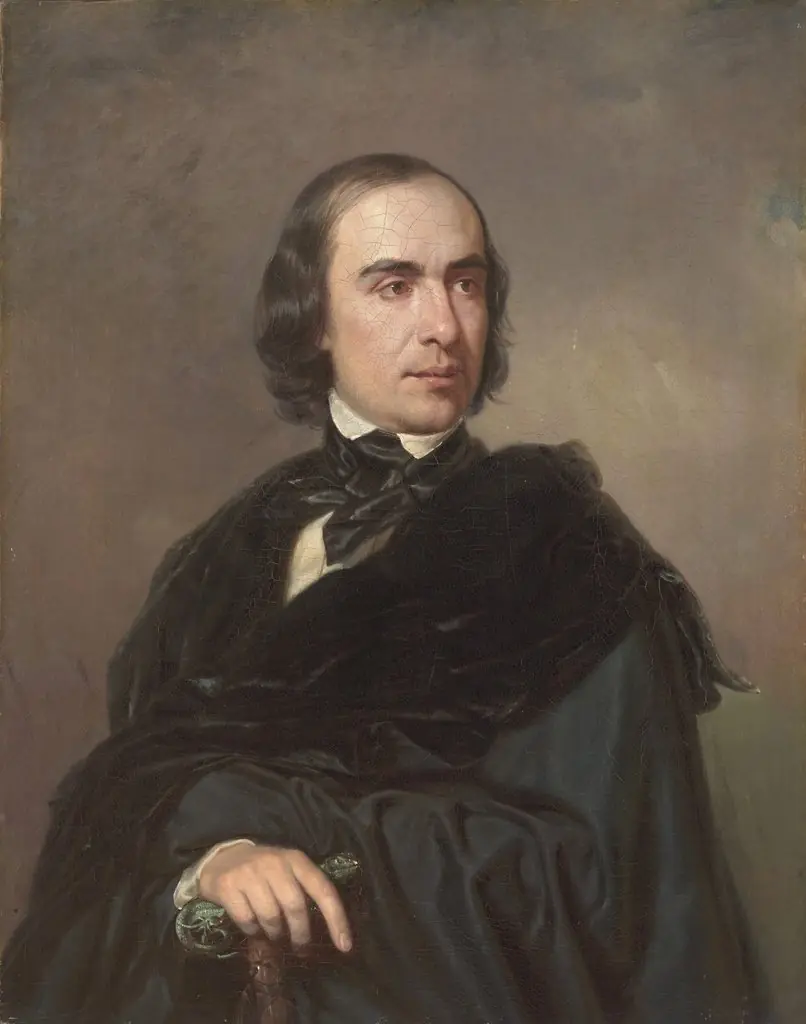 Portrait of Timofei Nikolayevich Granovsky
 Sir Thomas Lawrence
 The Art Historian N. L. Høyen
 Gonzalo de Vilches luego I conde de Vilches
 Portrait of Don Manuel José de Guerrico
 Portrait of Rudolf Hermann