Artwork
Portrait of Rudolf Hermann
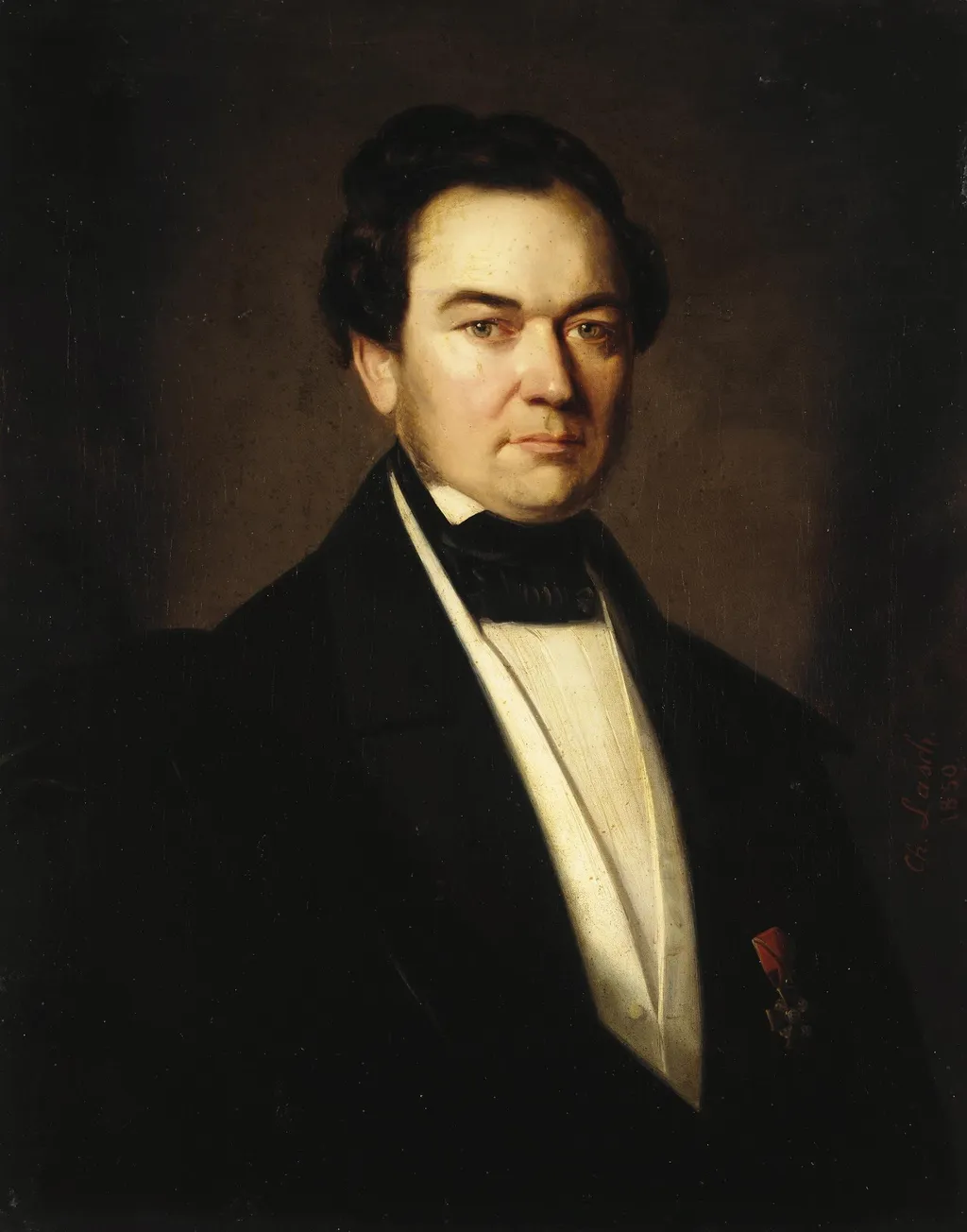
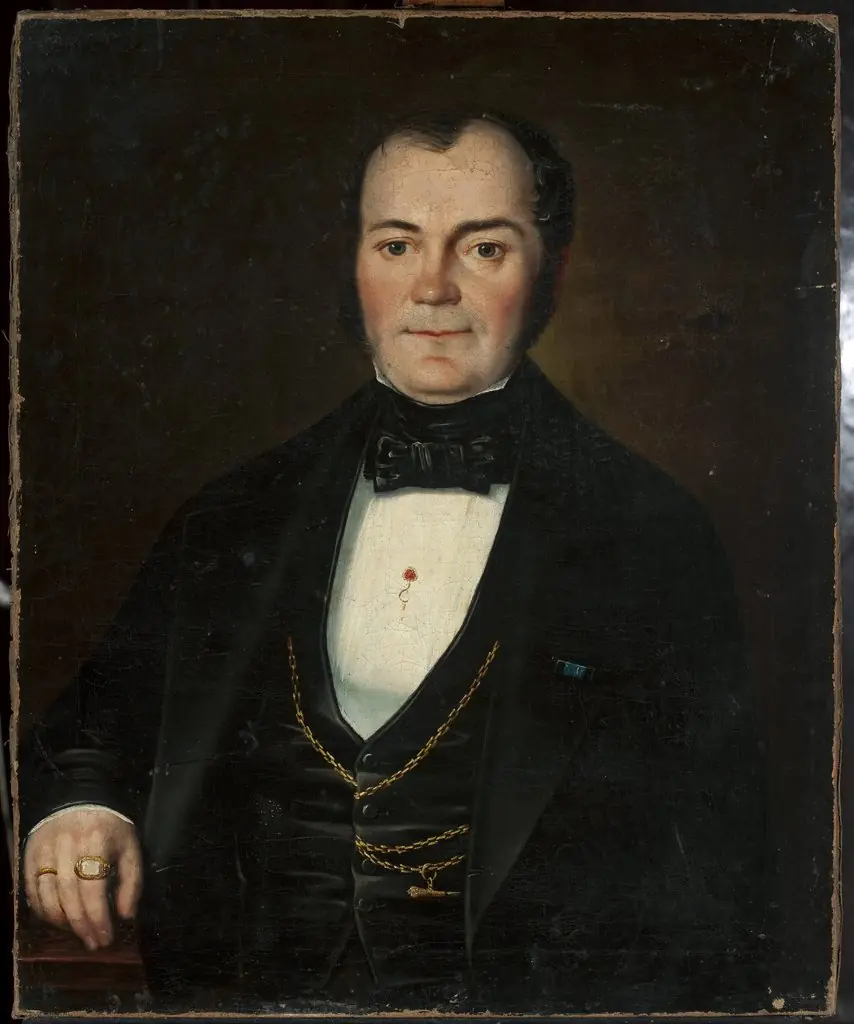
Portrait of Rudolf Hermann is an oil painting by the Realist artist Carl Johann Lasch. It dates from 1850 and is held in the collection of the Hermitage Museum.
About this work
Overview
Painted around 1850 by German artist Carl Johann Lasch, this oil portrait captures Rudolf Hermann in a restrained, lifelike manner.
Painted around 1850 by German artist Carl Johann Lasch, this oil portrait captures Rudolf Hermann in a restrained, lifelike manner. Executed with attention to naturalistic detail, the work reflects Lasch’s academic training in Dresden and Munich. It is part of the State Hermitage Museum’s collection, where it stands as an example of mid-19th-century German portraiture grounded in observation rather than idealization.
Subject & Meaning
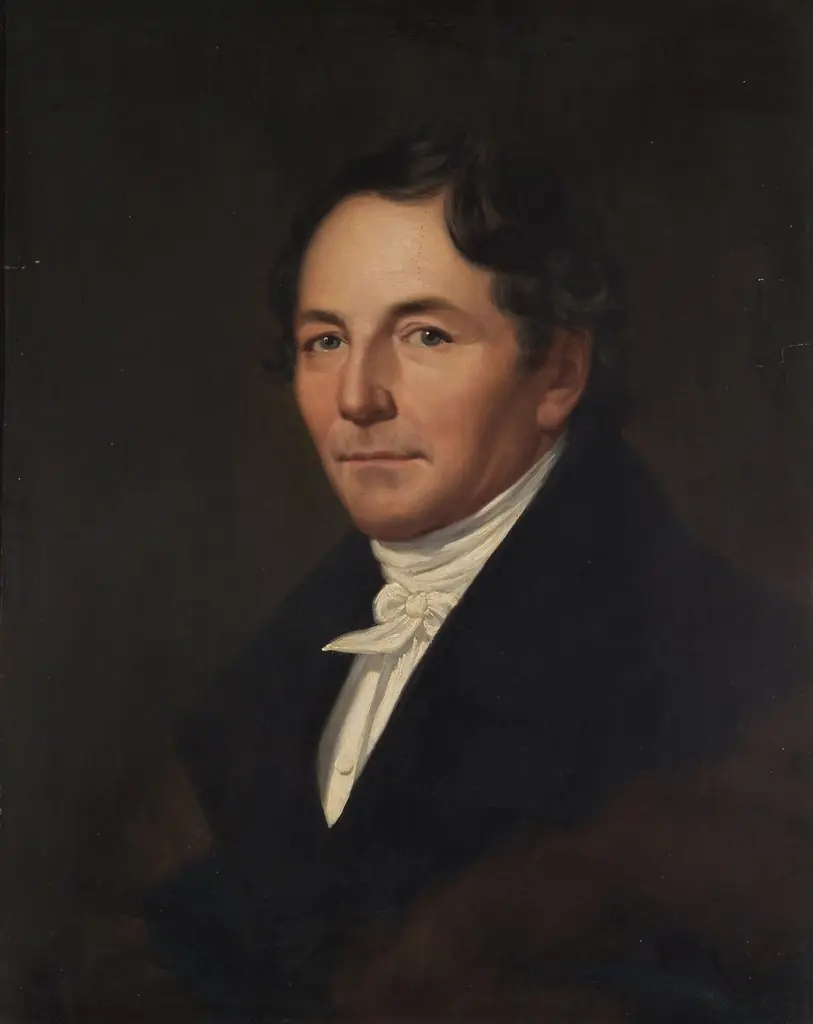
Rudolf Hermann is depicted as a composed, middle-aged man, his expression calm and introspective. His formal black attire and high white collar suggest professional status, possibly within academia or civic life. The single red flower on his lapel introduces a subtle personal note, distinguishing him without overt symbolism. The absence of props or setting focuses attention on his presence and demeanor.
Technique & Style
Lasch employs chiaroscuro to model the face with soft gradations of light and shadow, lending volume and depth without theatricality. The dark, unbroken background isolates the figure, enhancing the three-dimensionality of his features. Brushwork is precise but unobtrusive, favoring clarity over ornament. The red flower, the only vivid hue, draws the eye without disrupting the painting’s somber tone.
History & Provenance
The portrait entered the State Hermitage Museum’s collection in the 19th century, likely acquired during a period of expanded interest in German academic art. Its provenance prior to museum acquisition is not publicly documented, but its preservation suggests early recognition of its technical merit. It has remained in the museum’s holdings without significant alteration or relocation.
Context
Created during the height of Realism in Europe, the portrait aligns with a broader shift away from romanticized imagery toward unembellished representation. Lasch, trained under prominent historical painters, chose to focus on individual character rather than narrative or allegory. This approach mirrored contemporary intellectual trends valuing empirical observation and personal dignity.
Legacy
Though not widely exhibited outside the Hermitage, the portrait remains a quiet example of German academic realism. It reflects the values of its time—discipline, restraint, and attention to the individual—without seeking public acclaim. Its enduring presence in a major museum underscores its role as a representative work of its era, studied for its technical discipline rather than its fame.
Own this work as a print
Artist & collection
Artist
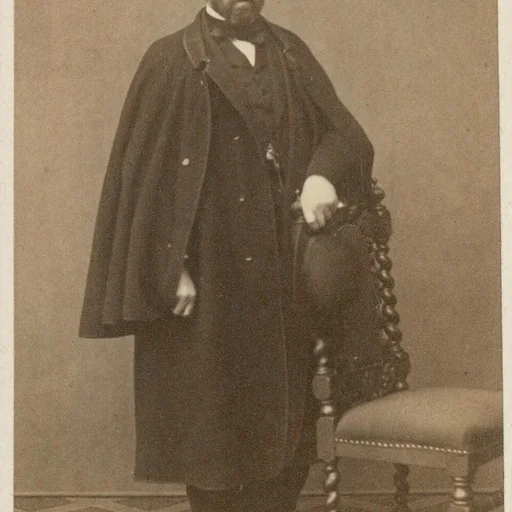
Carl Johann Lasch (July 1, 1822 in Leipzig – August 28, 1888 in Moscow) was a German artist of historical paintings.

 Bildnis Joseph Nigg
 Postipäällikkö Gustaf Wilhelm Ladau (1765-1833)
 Portrait of F.A.Paskov-Sharapov
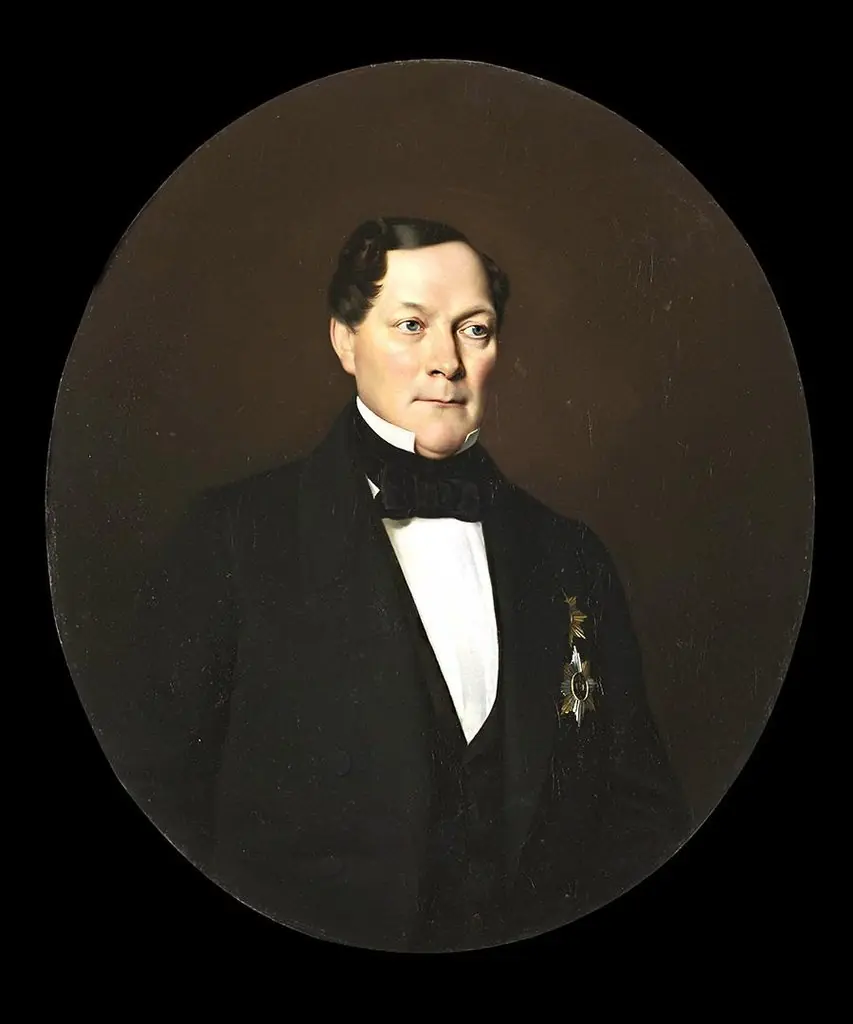 Portrait of Senator Ivan Aprelev
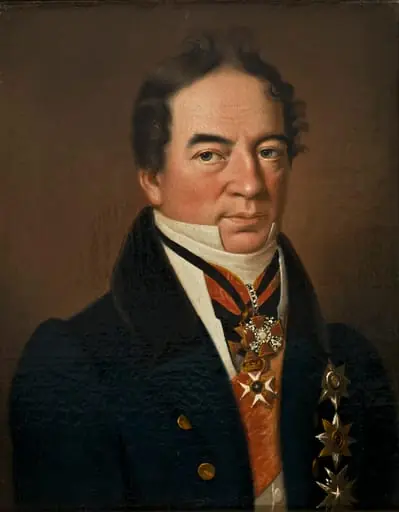 Robert Henrik Rehbinder (1777-1841)
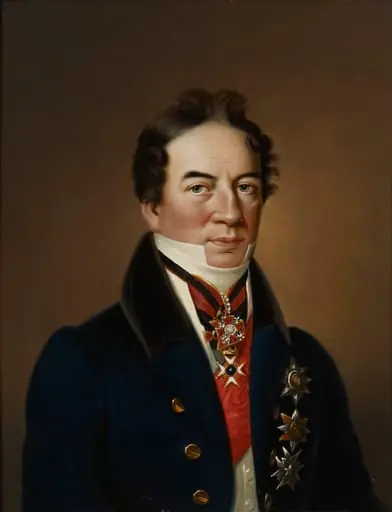 R. H. Rehbinderin muotokuva
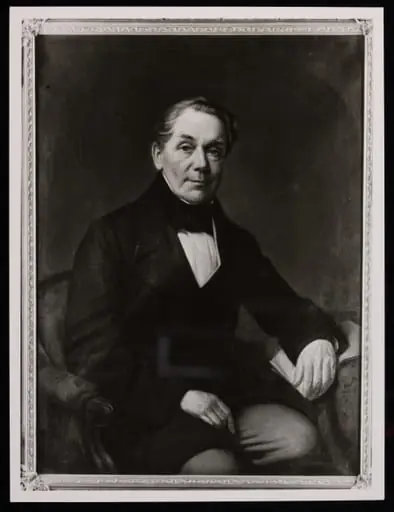 Liebich, Adolf
 Portrait of Pyotr I. Balabin (1776-1856)
 Oulun kaupunginvoudin Jacob Forssin muotokuva
 Portrait of Ksawery Dybowski
 Professor, dr. med. J.D. Herholdt
 Portrait of a man