Artwork
Portrait of Mikołaj VIII Krzysztof Radziwiłł, nicknamed “Sierotka” [Orphan] (1549–1616)?
![Portrait of Mikołaj VIII Krzysztof Radziwiłł, nicknamed “Sierotka” [Orphan] (1549–1616)?, by Unknown, oil, 1750](https://artifactworldgallery.com/img/unknown--portrait-of-miko-aj-viii-krzysztof-radziwi-nicknamed-sierotk--ce61e8547bd28ab6-w1024.webp)
Portrait of Mikołaj VIII Krzysztof Radziwiłł, nicknamed “Sierotka” [Orphan] (1549–1616)? is an oil painting by the Rococo painting artist Unknown. It dates from 1750 and is held in the collection of the National Museum in Warsaw.
About this work
Overview
The oil on canvas portrait presents Mikołaj VIII Krzysztof Radziwiłł, a notable member of the Lithuanian-Polish nobility who lived from 1549 to 1616. Rendered in a muted chiaroscuro, the composition centers the sitter against a darkened backdrop that recedes into subtle tonal gradations, lending the figure a three‑dimensional presence while preserving an atmosphere of quiet introspection.
Subject & Meaning
Radziwiłł is shown with dark hair, a trimmed mustache, and a serious gaze that conveys authority tempered by contemplation. He wears a vivid red robe over a deep‑blue shirt, a gold cuff on his left wrist, and holds a brown, staff‑like object in his right hand, possibly a ceremonial sword or baton, symbols of his military and political stature within the Commonwealth.
Technique & Style
The painter employs a restrained palette, allowing the saturated red of the robe to dominate against the somber background. Fine brushwork delineates the texture of fabric and the sheen of metal, while broader, softened strokes model the face and hands, creating a balance between realism and the idealized portrait conventions of late‑Renaissance Central Europe.
History & Provenance
Created during the early 17th century, the work likely originated in a court workshop serving the Radziwiłł family. It has remained within private collections linked to the dynasty before entering a public museum collection in the late 20th century, where it now serves as a reference point for the visual culture of the Polish‑Lithuanian aristocracy.
Artist & collection

 Domestic Scene
 Giacomo and Cardinal Marco, investing Andrea, Abbot of San Zeno, with his Benefice
 The Nymph of Fontainebleau
 Portrait of a Woman
 Madonna and Child with Saints in the Enclosed Garden
 Venus and Minerva
 Family Group of Four on Sofa
 Wall painting from Room H of the Villa of P. Fannius Synistor at Boscoreale
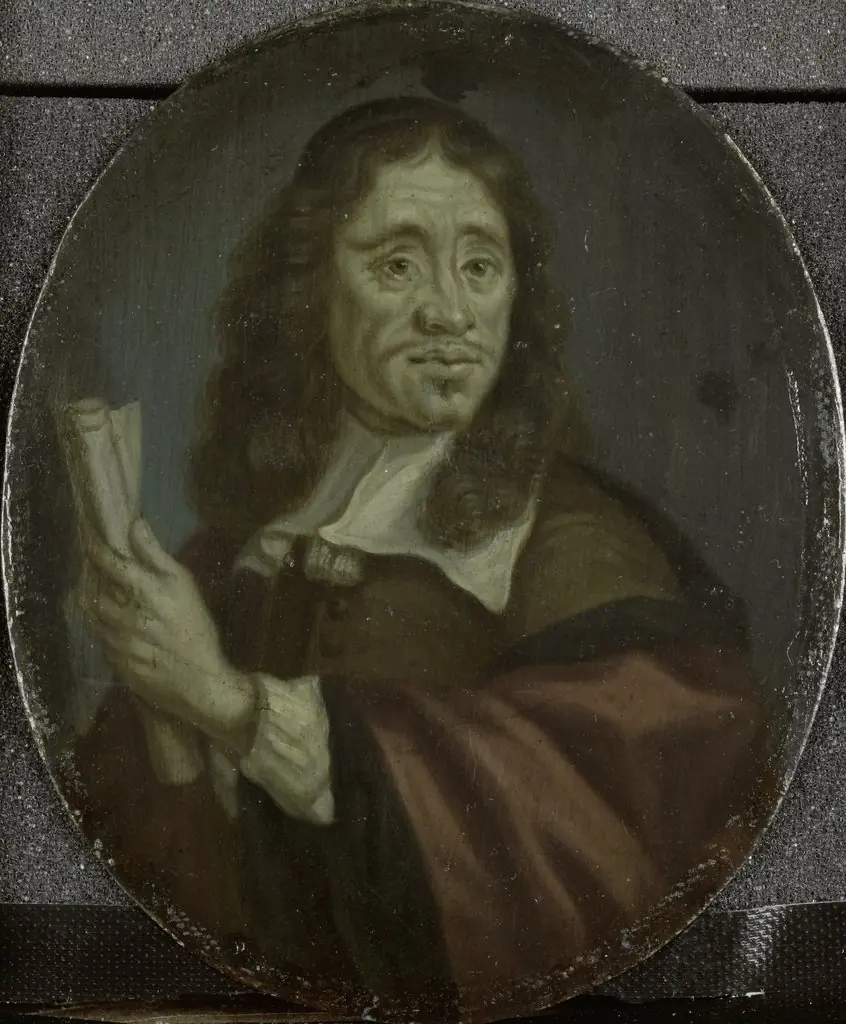 Jan Vos (c. 1620-67), Amsterdam poet
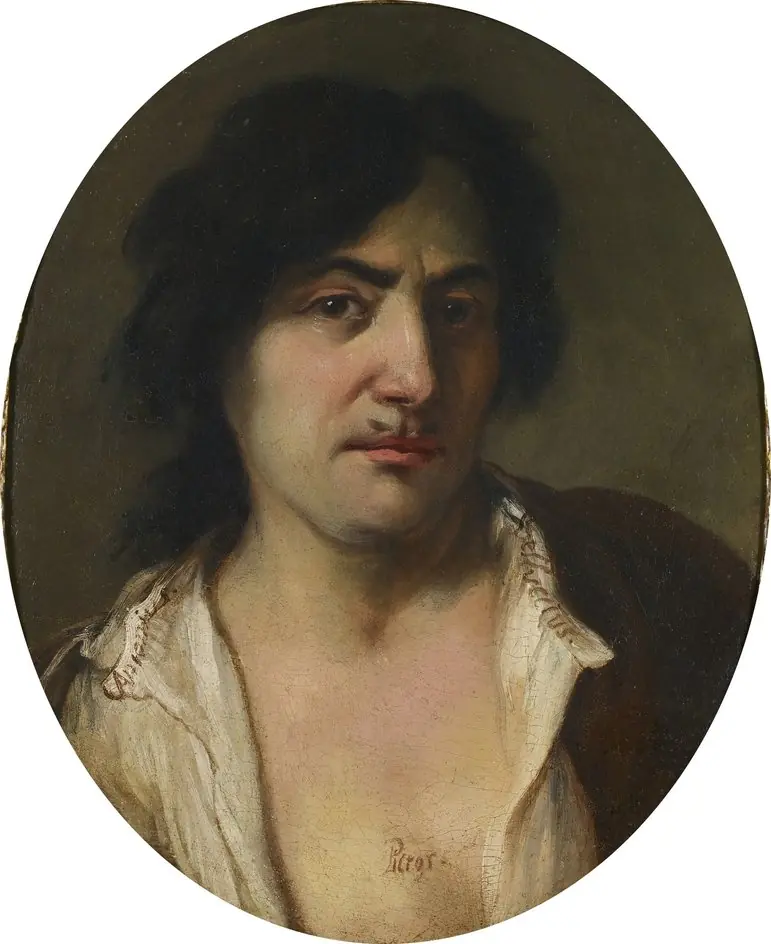 Self-portrait
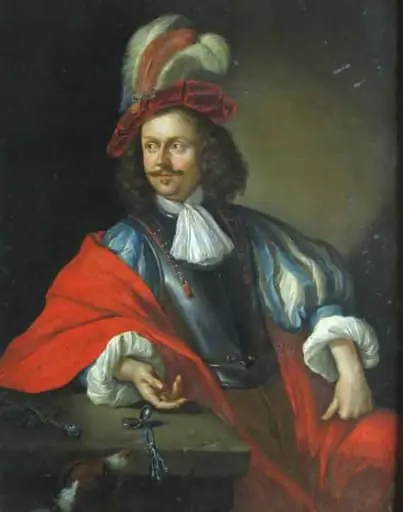 Cuirasier cu ceas
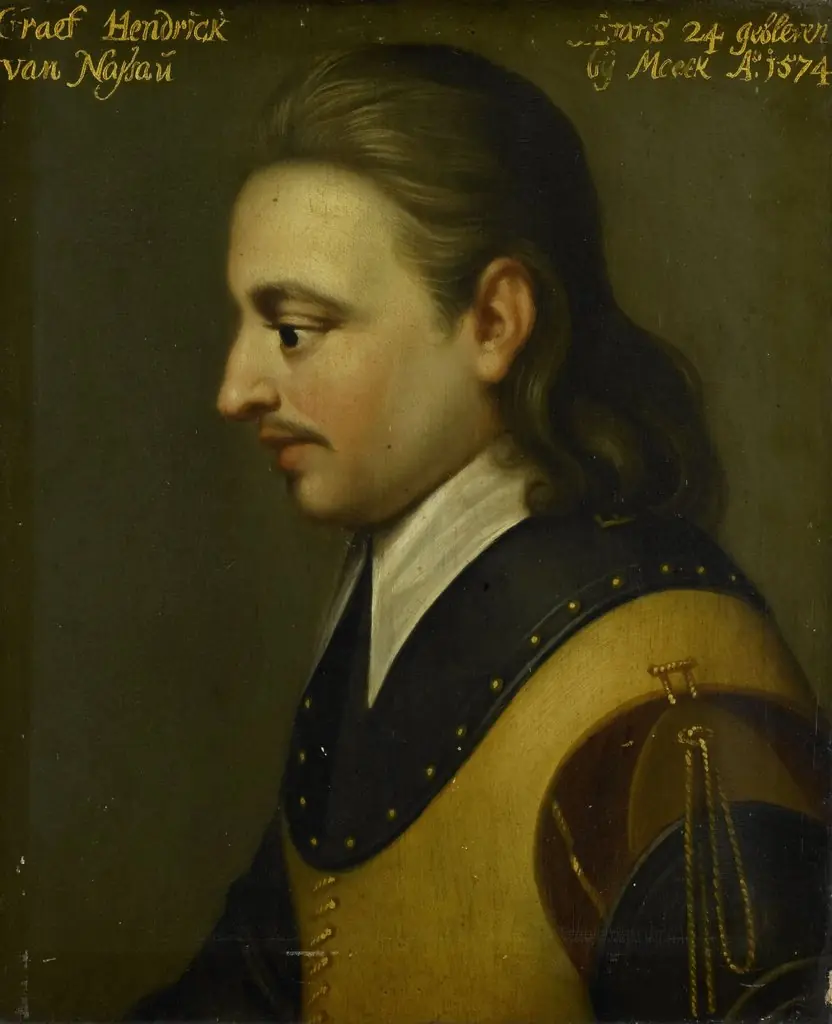 Portrait of Hendrik (1550-74), Count of Nassau
 Mandsportræt
 Regele Filip al IV-lea al Spaniei
 Portrait of Marcus Zuërius van Boxhorn, Historian and Professor at Leiden
 Mandsportræt
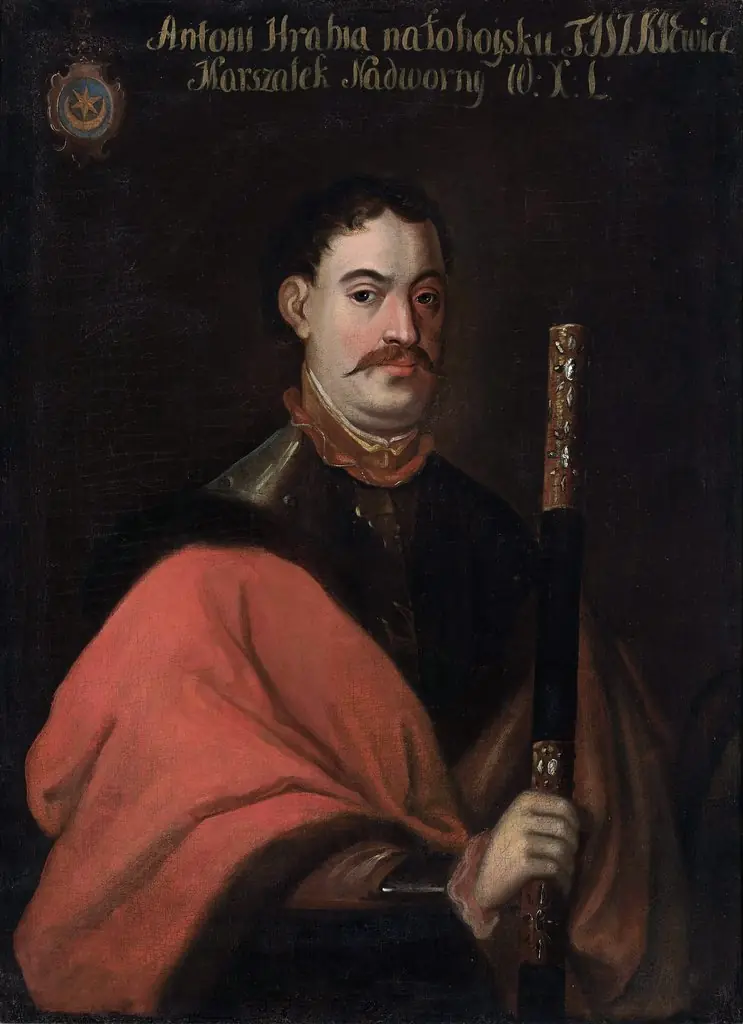 Portrait of Antoni Jan Tyszkiewicz (1609–1649), Leliwa coat of arms, court marshal of the Grand Duchy of Lithuania
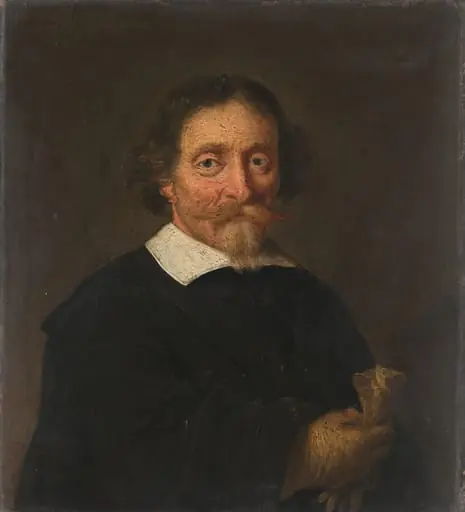 Portrait of a Man
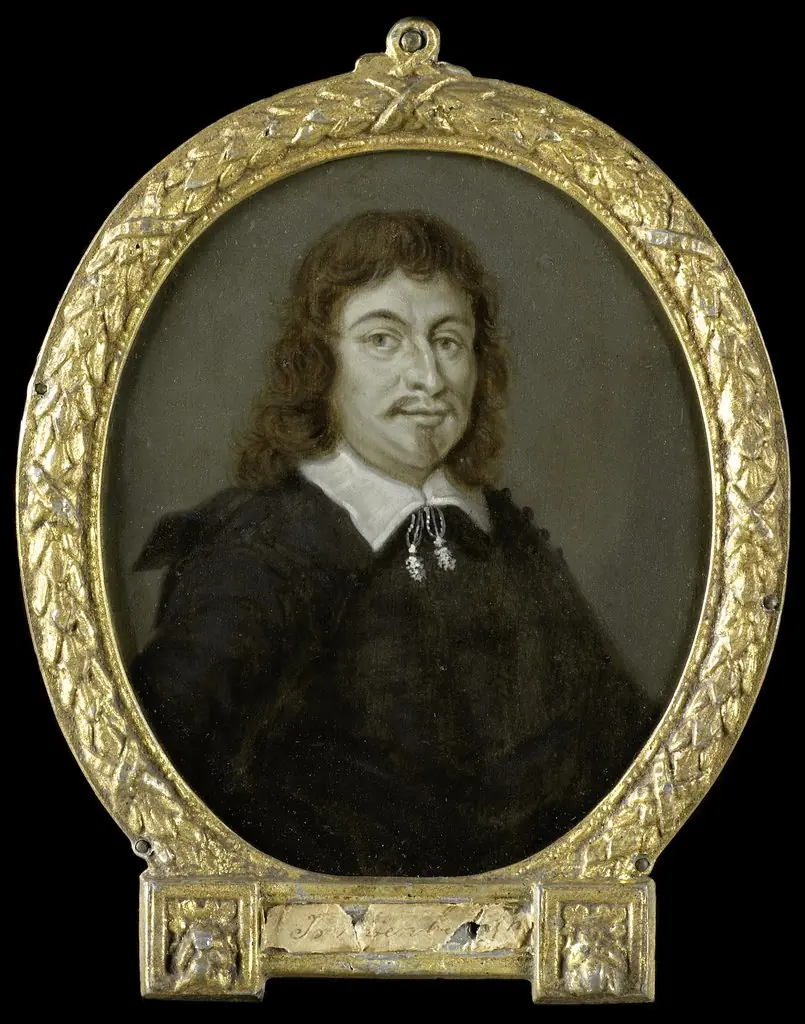 Portrait of Johan van Nijenborgh, Poet in Groningen
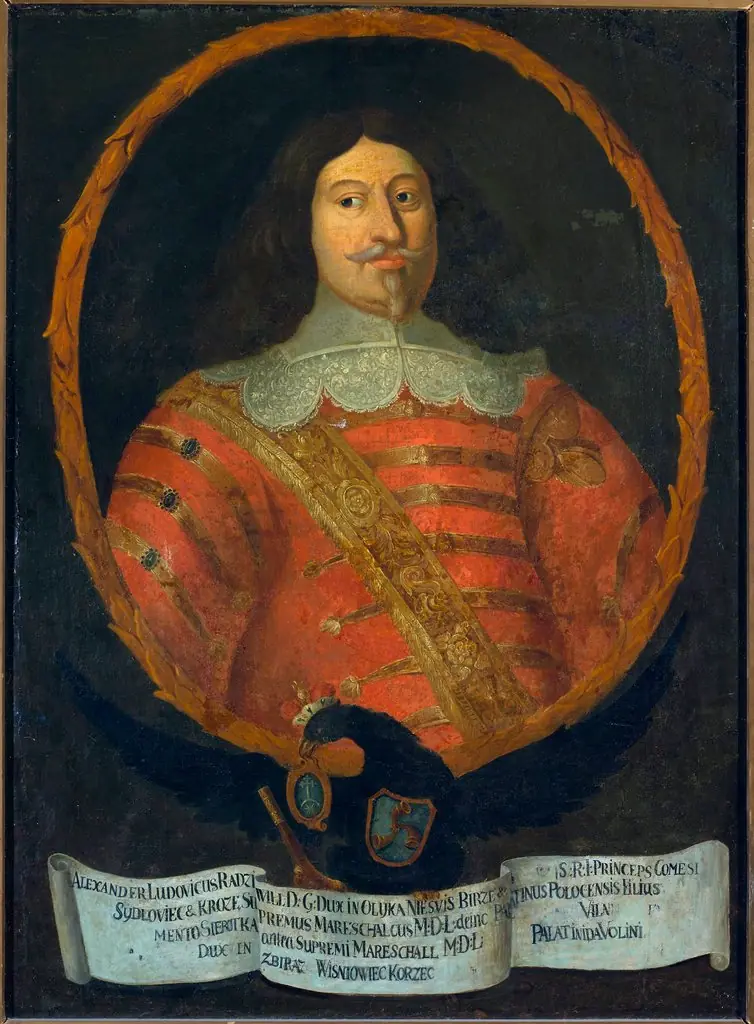 Portrait of Aleksander Ludwik Radziwiłł (1594–1654)