Artwork
Portrait of Bogusław Radziwiłł (1620–1669)
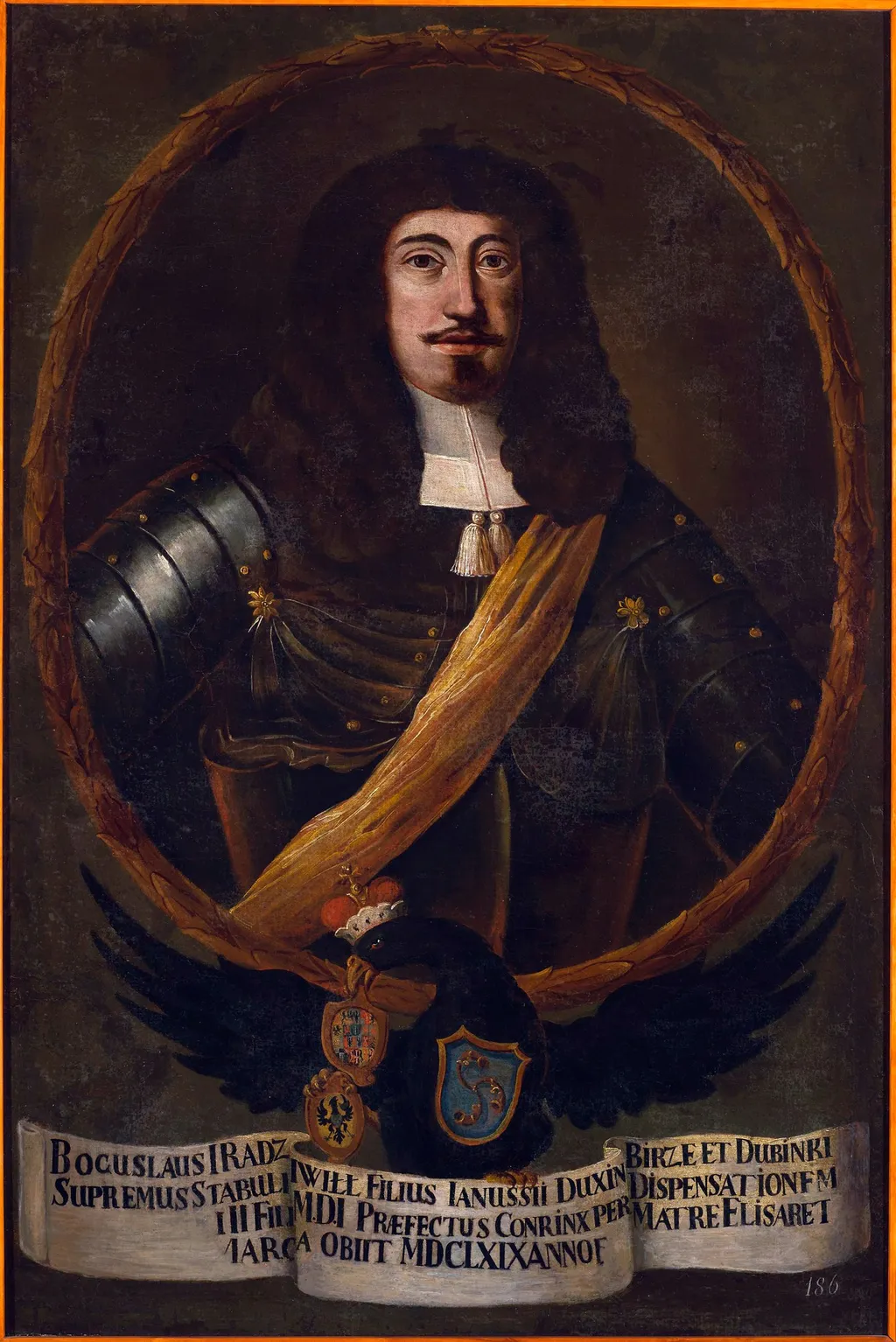
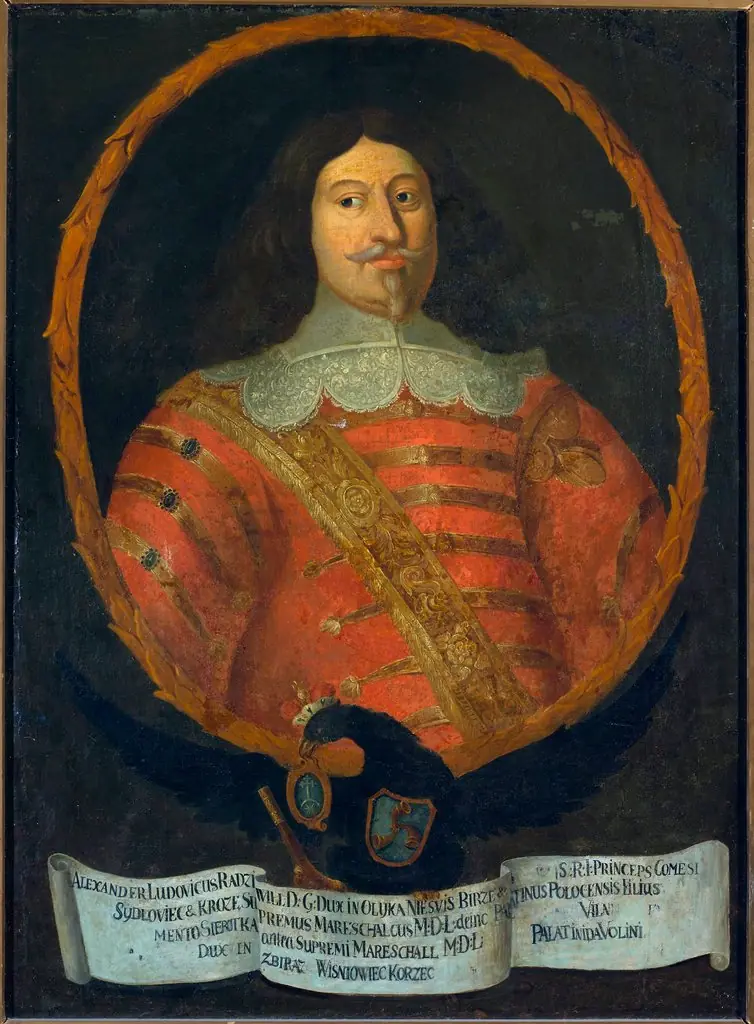
Portrait of Bogusław Radziwiłł (1620–1669) is an oil painting by the Rococo painting artist Unknown. It dates from 1735 and is held in the collection of the National Museum in Warsaw. The oil on canvas portrait depicts Bogusław Radziwiłł (1620–1669), a member of the prominent Lithuanian-Polish noble family.
About this work
Overview
The oil on canvas portrait depicts Bogusław Radziwiłł (1620–1669), a member of the prominent Lithuanian-Polish noble family. He is presented in a dark coat trimmed with fur, holding a metal helmet in his left hand and a golden sash bearing a small shield in his right. A simple, unadorned backdrop frames the figure, while a wreath‑like ornamental border encloses the composition.
Subject & Meaning
Radziwiłł’s solemn expression, moustache, and curled hair convey a dignified, martial bearing. The helmet and shield, together with the Latin inscription naming him "Supremus Stabuli" and "Dux," emphasize his military rank and leadership within the Commonwealth, reinforcing his status as a high‑ranking noble and commander.
Technique & Style
Executed in oil, the painting employs a restrained palette dominated by deep blacks and earthy tones, allowing the fur collar and golden sash to catch the eye. The brushwork is smooth and precise, rendering the textures of metal and fabric with clarity, while the flat background isolates the sitter, a common device in 17th‑century portraiture to focus attention on the individual.
History & Provenance
The work is part of the collection of the National Museum in Warsaw, where it is displayed among other portraits of the Polish‑Lithuanian aristocracy. Its provenance traces back to the Radziwiłł family holdings before entering the museum’s inventory in the 20th century, though the exact date of its acquisition is not recorded.
Context
Created during the mid‑17th century, the portrait reflects the visual conventions of the Polish‑Lithuanian Commonwealth’s elite, who often commissioned formal likenesses to assert authority and lineage. The inclusion of heraldic elements and Latin titles aligns with contemporary practices of emphasizing noble rank and military service.
Artist & collection

 Domestic Scene
 Giacomo and Cardinal Marco, investing Andrea, Abbot of San Zeno, with his Benefice
 The Nymph of Fontainebleau
 Portrait of a Woman
 Madonna and Child with Saints in the Enclosed Garden
 Venus and Minerva
 Family Group of Four on Sofa
 Wall painting from Room H of the Villa of P. Fannius Synistor at Boscoreale
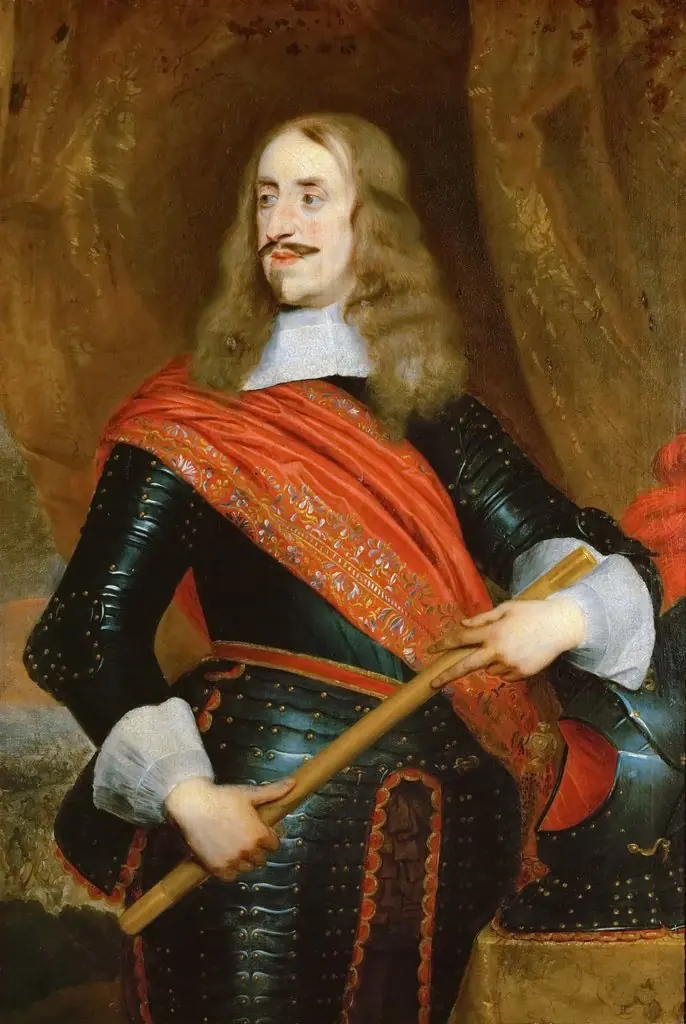 Portrait of Archduke Leopold Wilhelm (1614-1662)
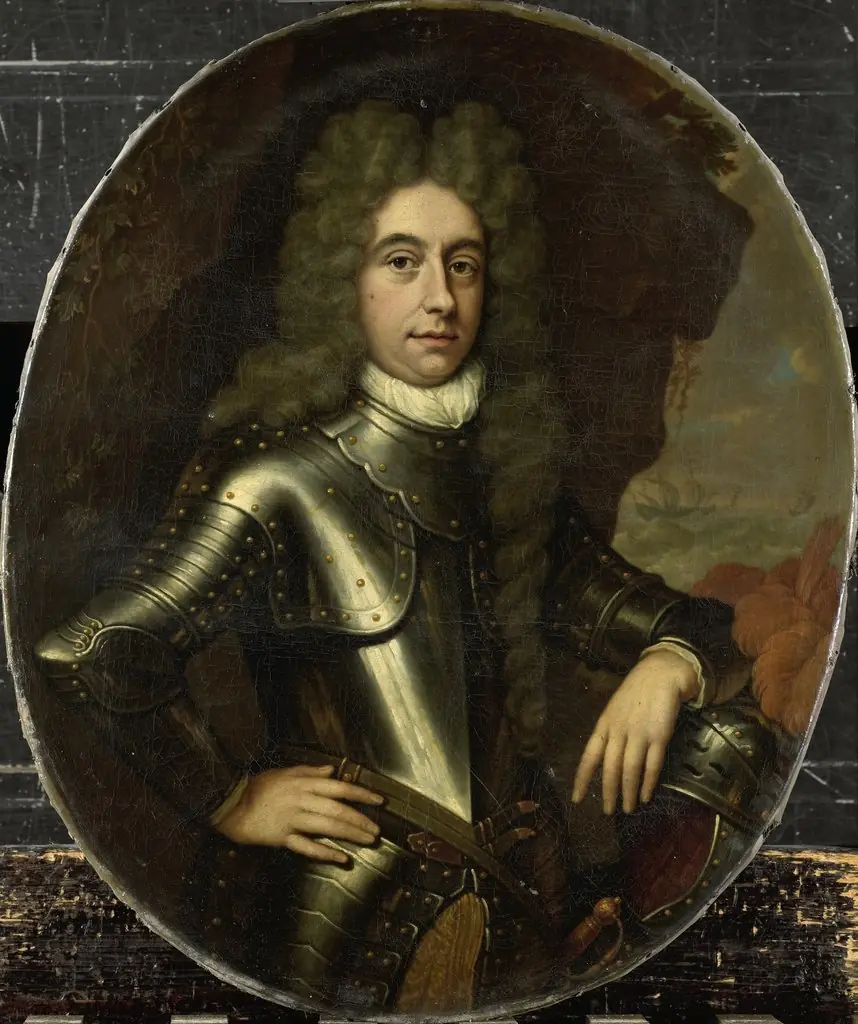 Portrait of Harmen Lijnslager, Secretary of the Admiralty of Amsterdam
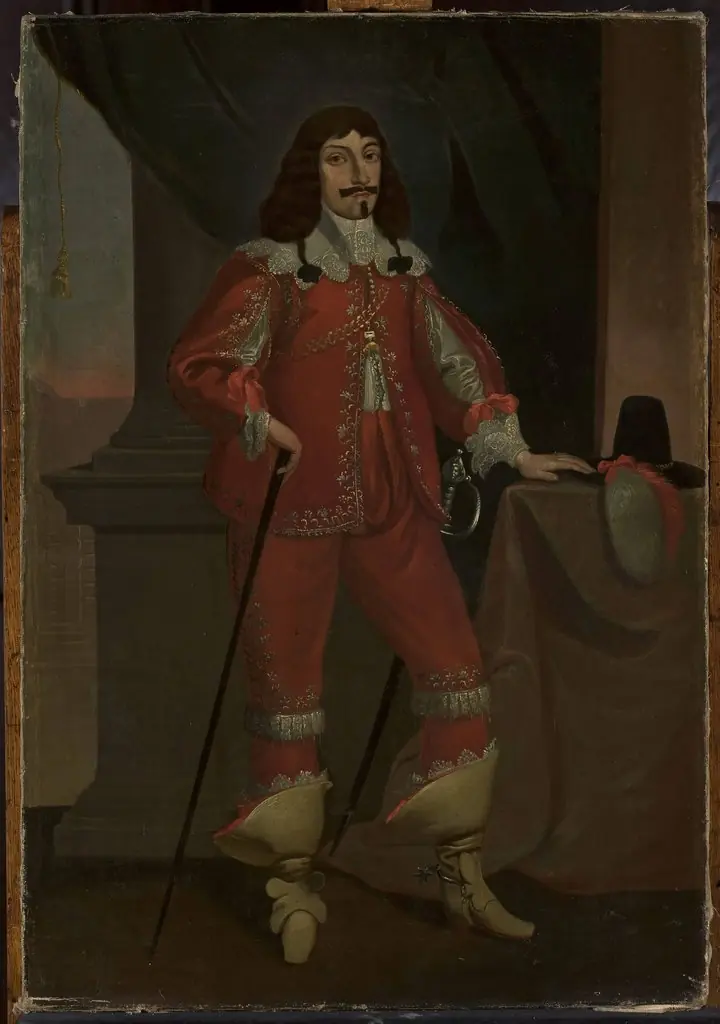 Portrait of John II Casimir Vasa (1609–1672)
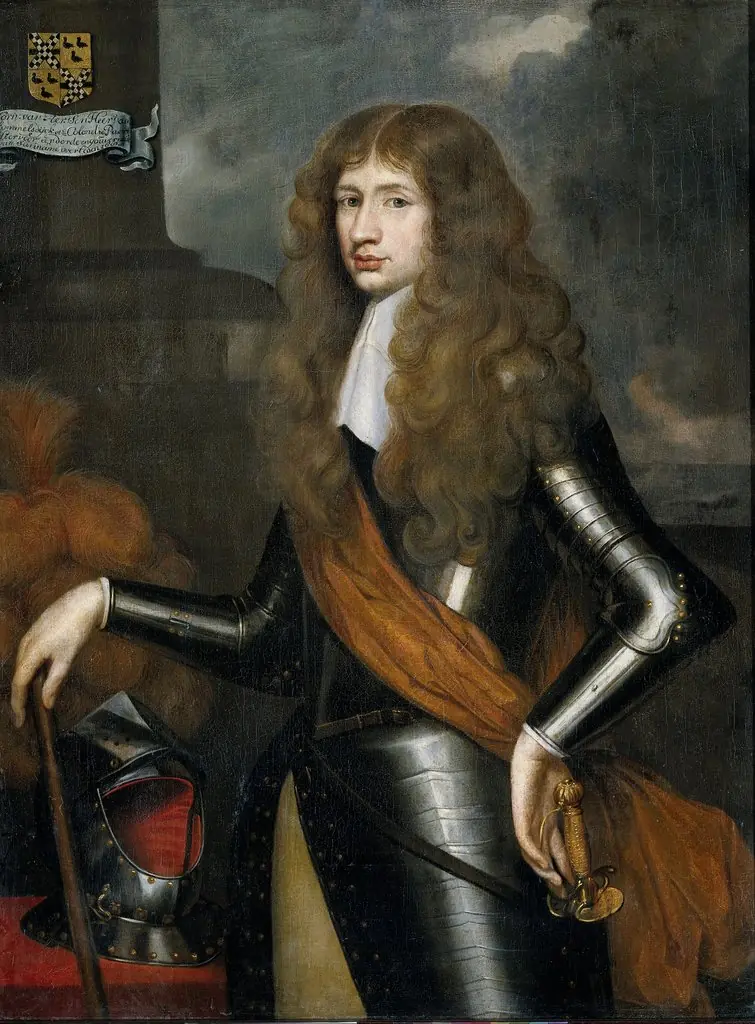 Cornelis van Aerssen van Sommelsdijck, governor of Surinam
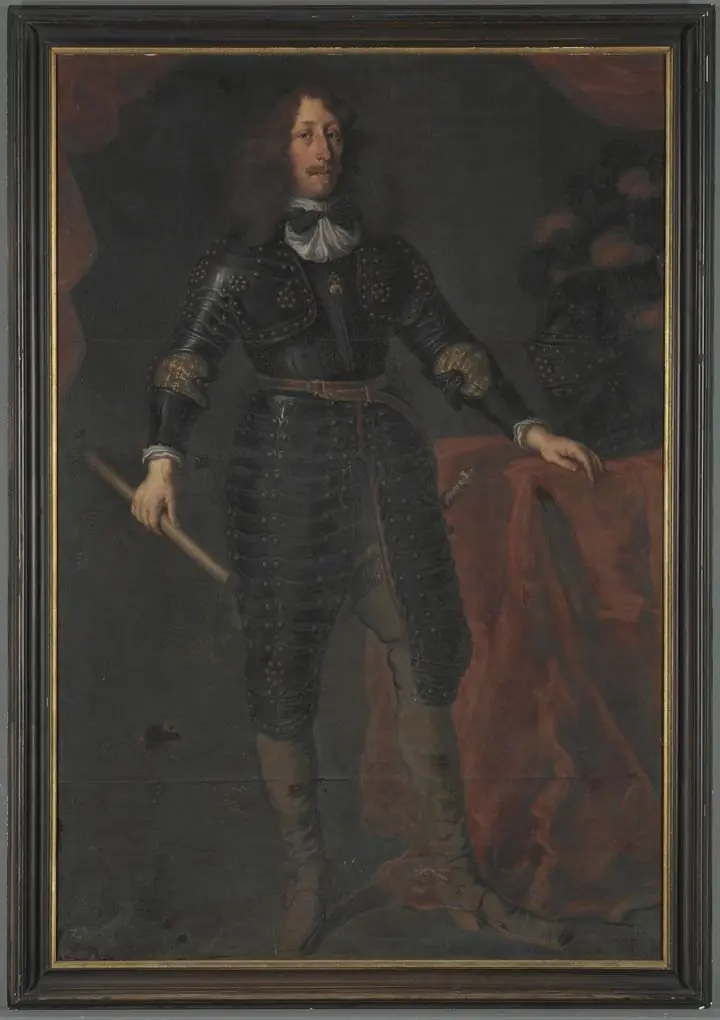 Portrait of duke Philipp Wilhelm, Elector Palatine (1615-1690)
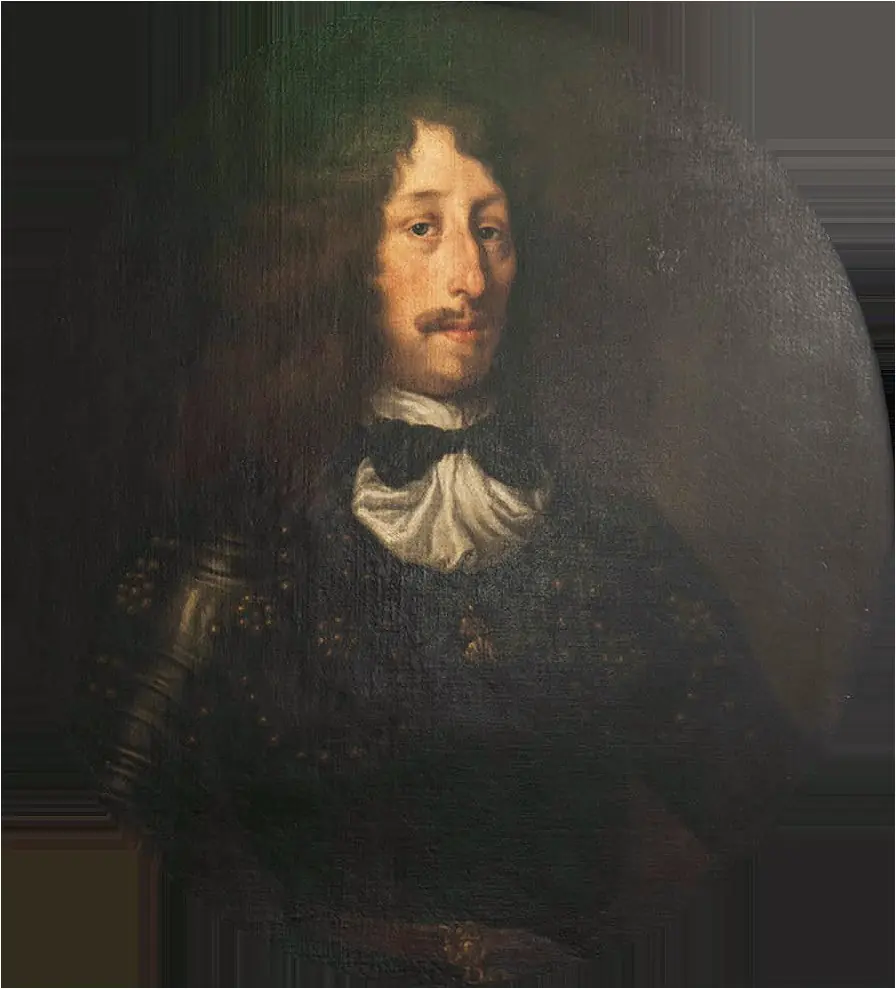 Portrait of duke Philip William, Elector Palatine (1615-1690)
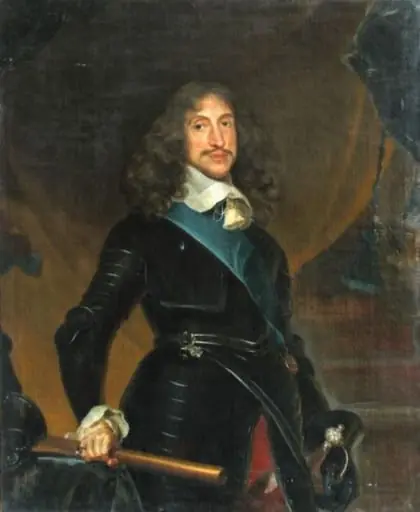 Un general englez ; pandant: Soția unui general englez
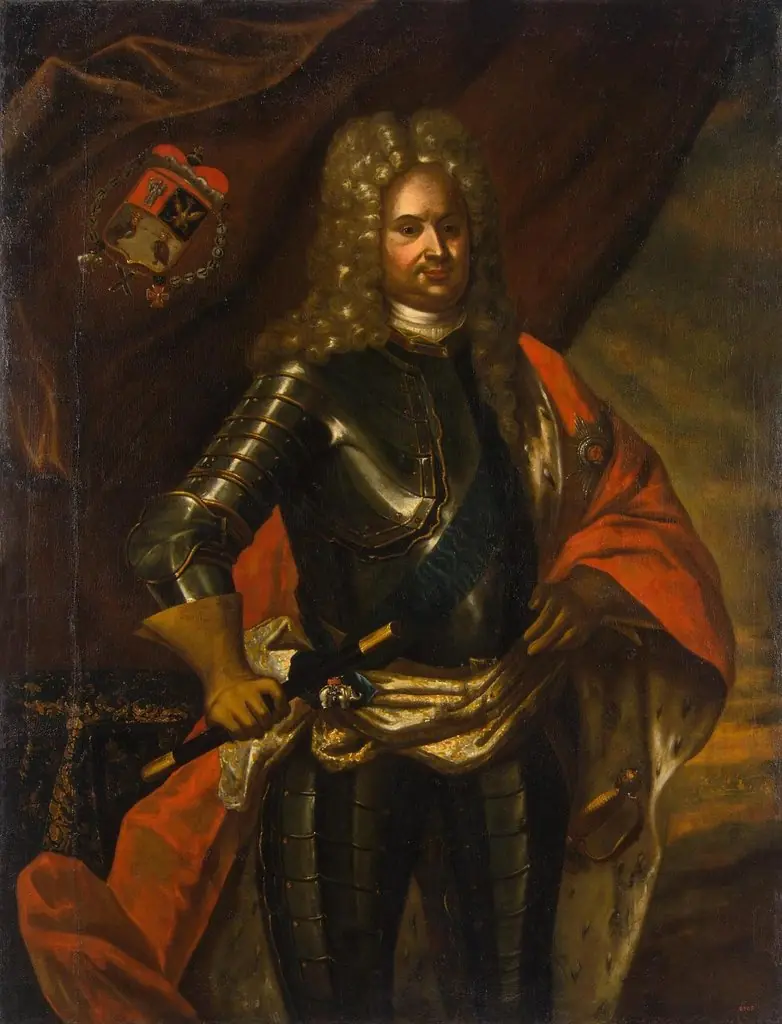 Portrait of General Prince Nikita Repnin
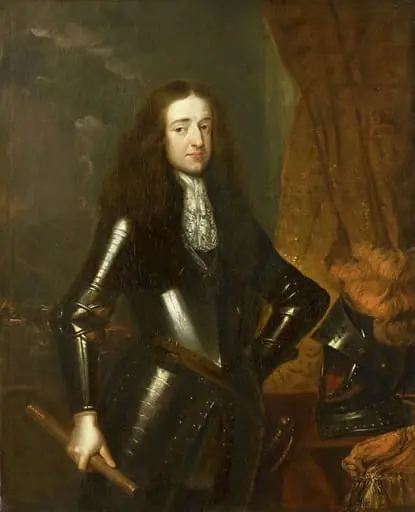 Portrait of Willem III (1650-1702), Prince of Orange and since 1689, King of England
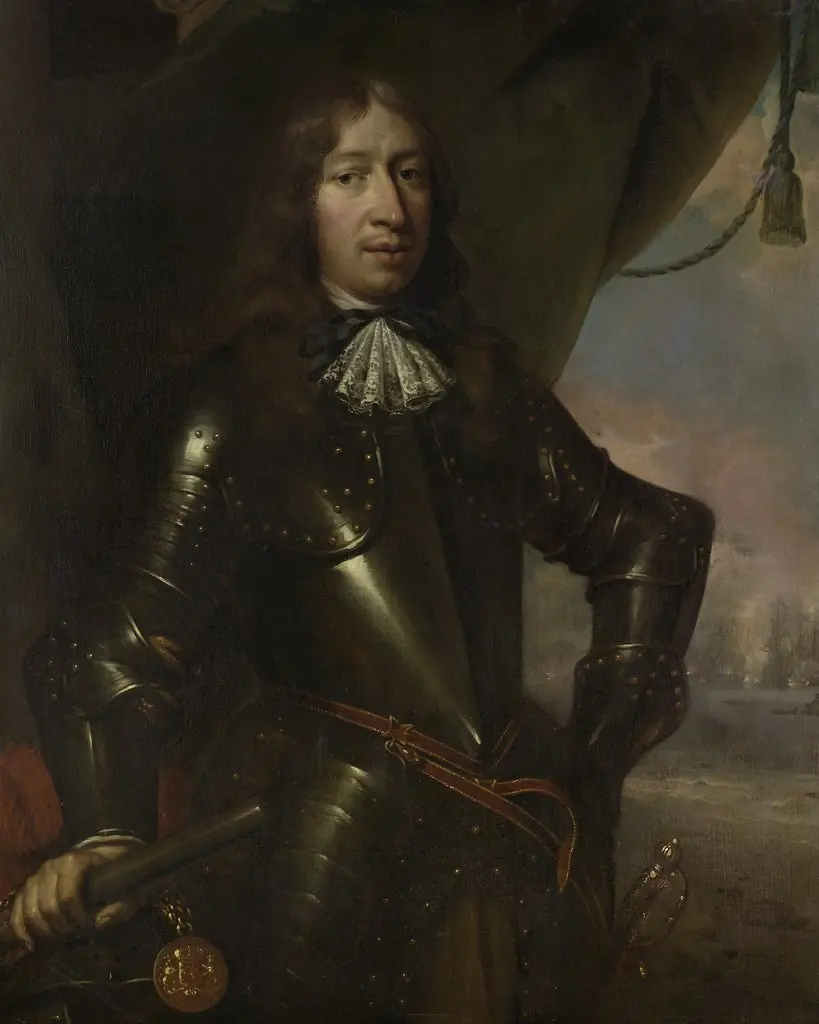 Portrait of Willem Joseph Baron van Ghent (1626-72), vice-admiral
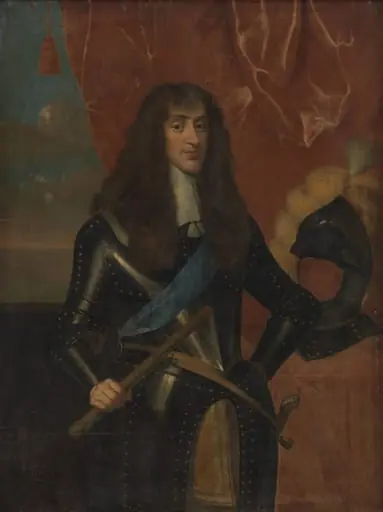 Prince James of England
 Portrait of Aleksander Ludwik Radziwiłł (1594–1654)