Artwork
Cornelis van Aerssen van Sommelsdijck, governor of Surinam
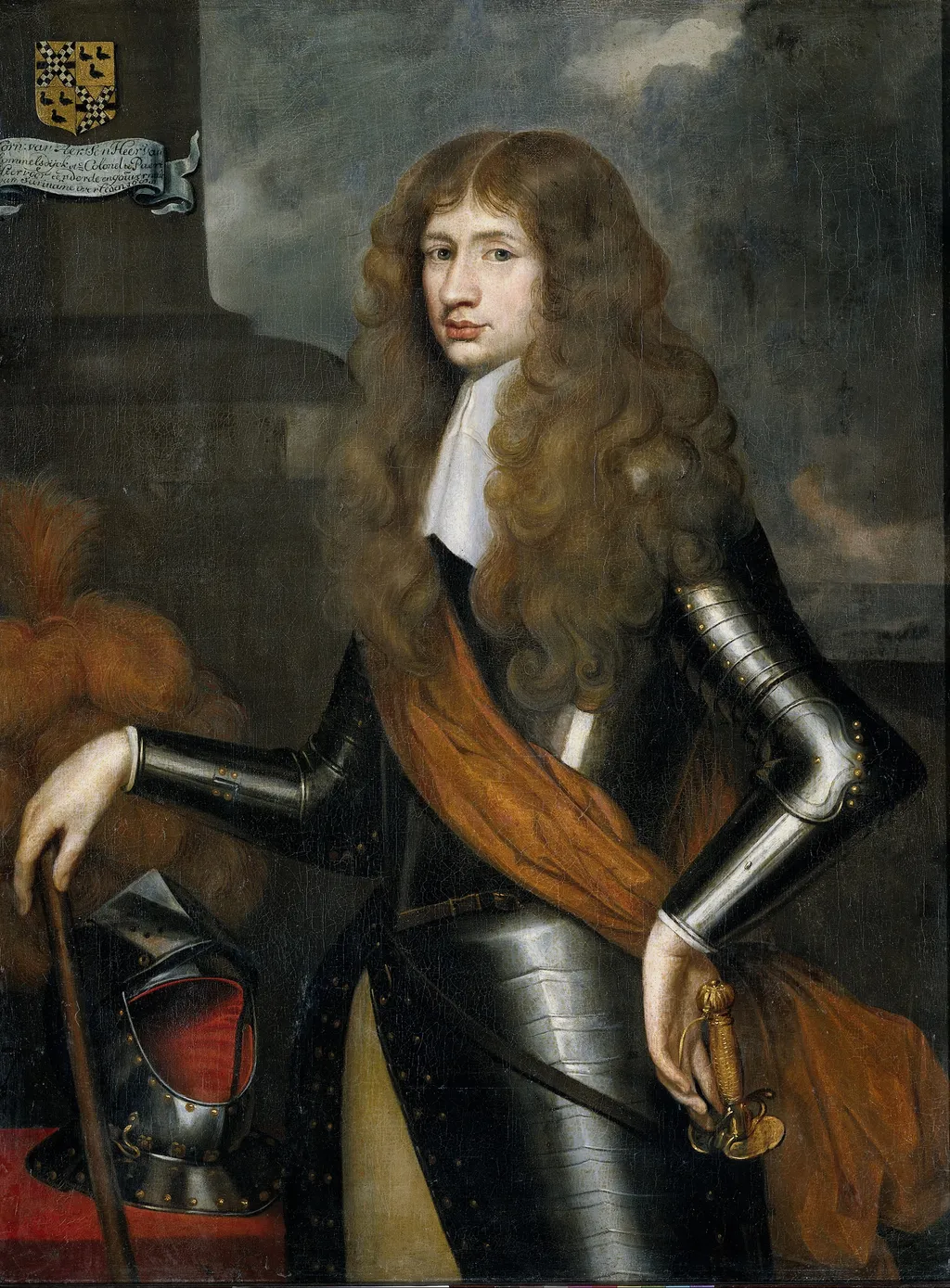
Cornelis van Aerssen van Sommelsdijck, governor of Surinam is an oil painting. It dates from 1690 and is held in the collection of the Rijksmuseum. The work is an oil painting portraying a gentleman in elaborate armor, sword in hand, set against a darkened backdrop.
About this work
Overview
The work is an oil painting portraying a gentleman in elaborate armor, sword in hand, set against a darkened backdrop. A red helmet lies at his side, and a heraldic shield is positioned in the upper left corner. The figure’s curly hair and solemn expression are highlighted by a focused light, while the surrounding space remains in shadow.
Subject & Meaning
The portrait likely represents Cornelis van Aerssen van Sommelsdijck, who served as governor of Surinam. His opulent attire and the inclusion of a coat of arms underscore his status and authority, while the sword suggests martial responsibility. The restrained, serious demeanor conveys the gravitas associated with colonial administration in the early modern period.
Technique & Style
Executed in oil on canvas, the painting employs chiaroscuro to model the sitter’s features, creating a stark contrast between illuminated flesh and the enveloping darkness. The metallic sheen of the armor and the texture of the fabrics are rendered with meticulous brushwork, emphasizing material richness through subtle gradations of light and shadow.
History & Provenance
The canvas is identified as a portrait of the Dutch governor of Surinam, though specific details of its commission, original location, or subsequent ownership are not documented in the available record. Its survival suggests it was valued as a representation of colonial leadership within Dutch collections.
Artist & collection

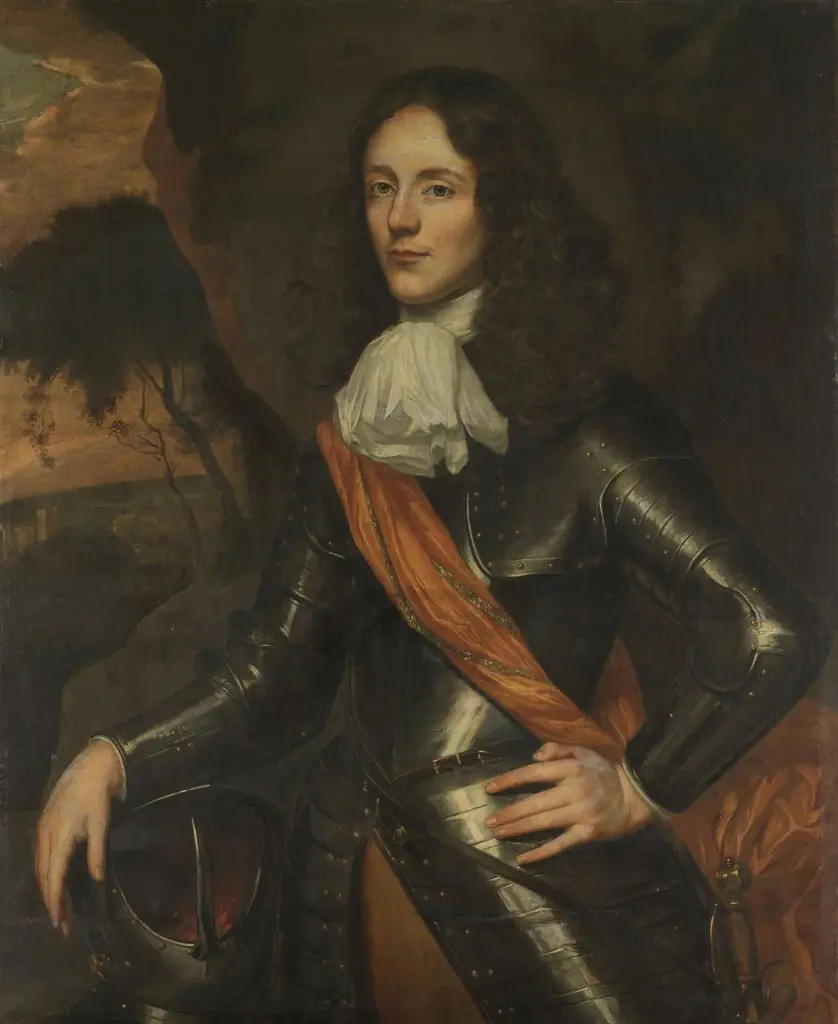 A military officer
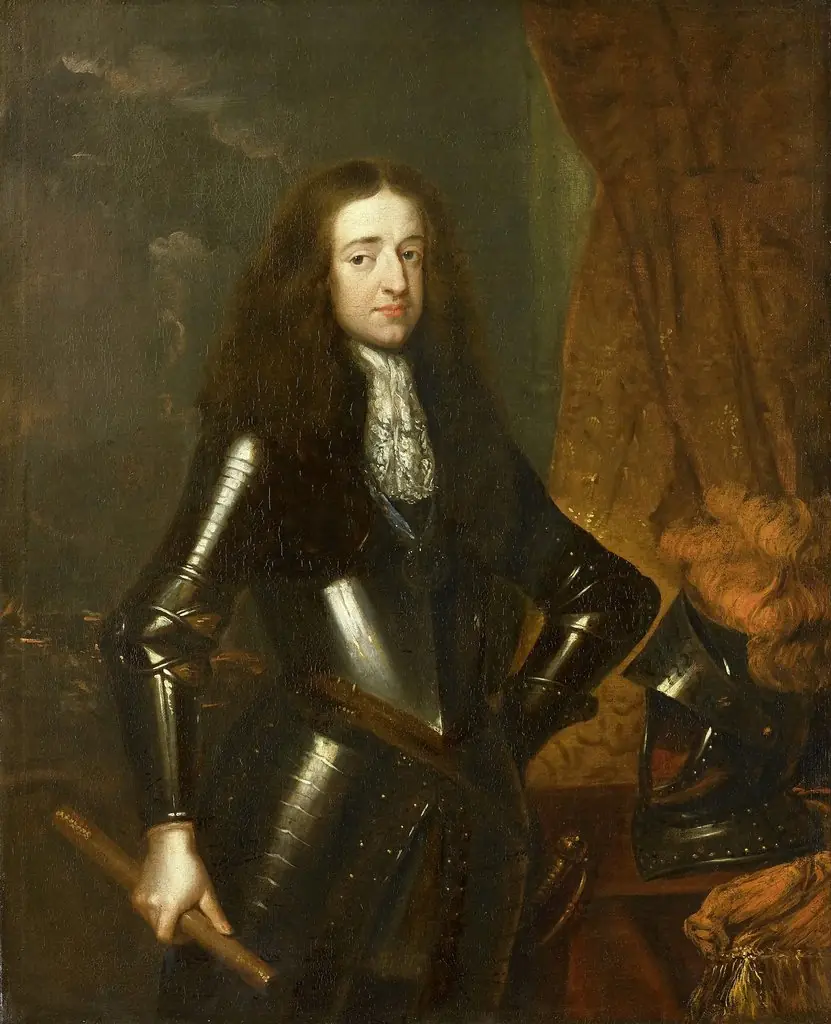 Portrait of Willem III (1650-1702), Prince of Orange and since 1689, King of England
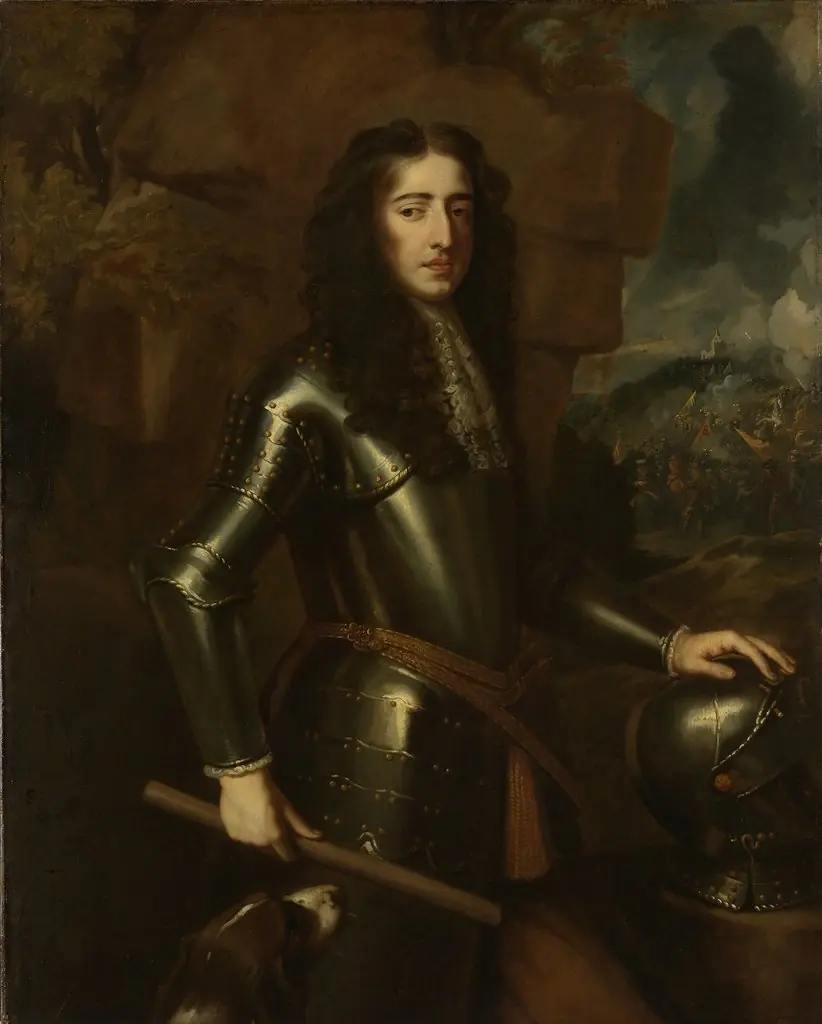 Portrait of William III, Prince of Orange, Stadtholder, after 1689 King of England
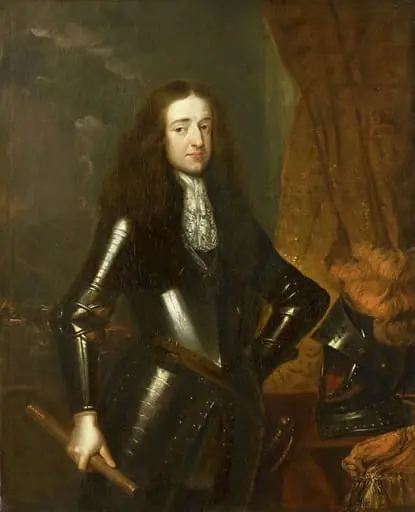 Portrait of Willem III (1650-1702), Prince of Orange and since 1689, King of England
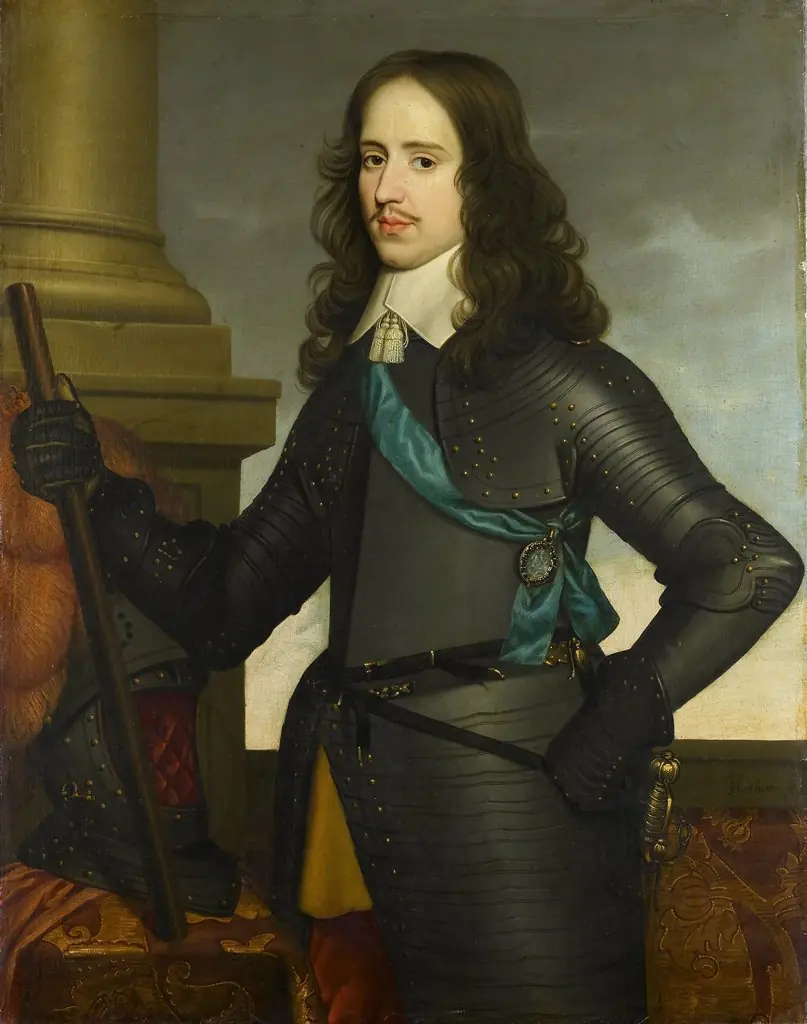 Portrait of Willem II (1626-50), Prince of Orange