Artwork
Christ and the Woman Taken in Adultery
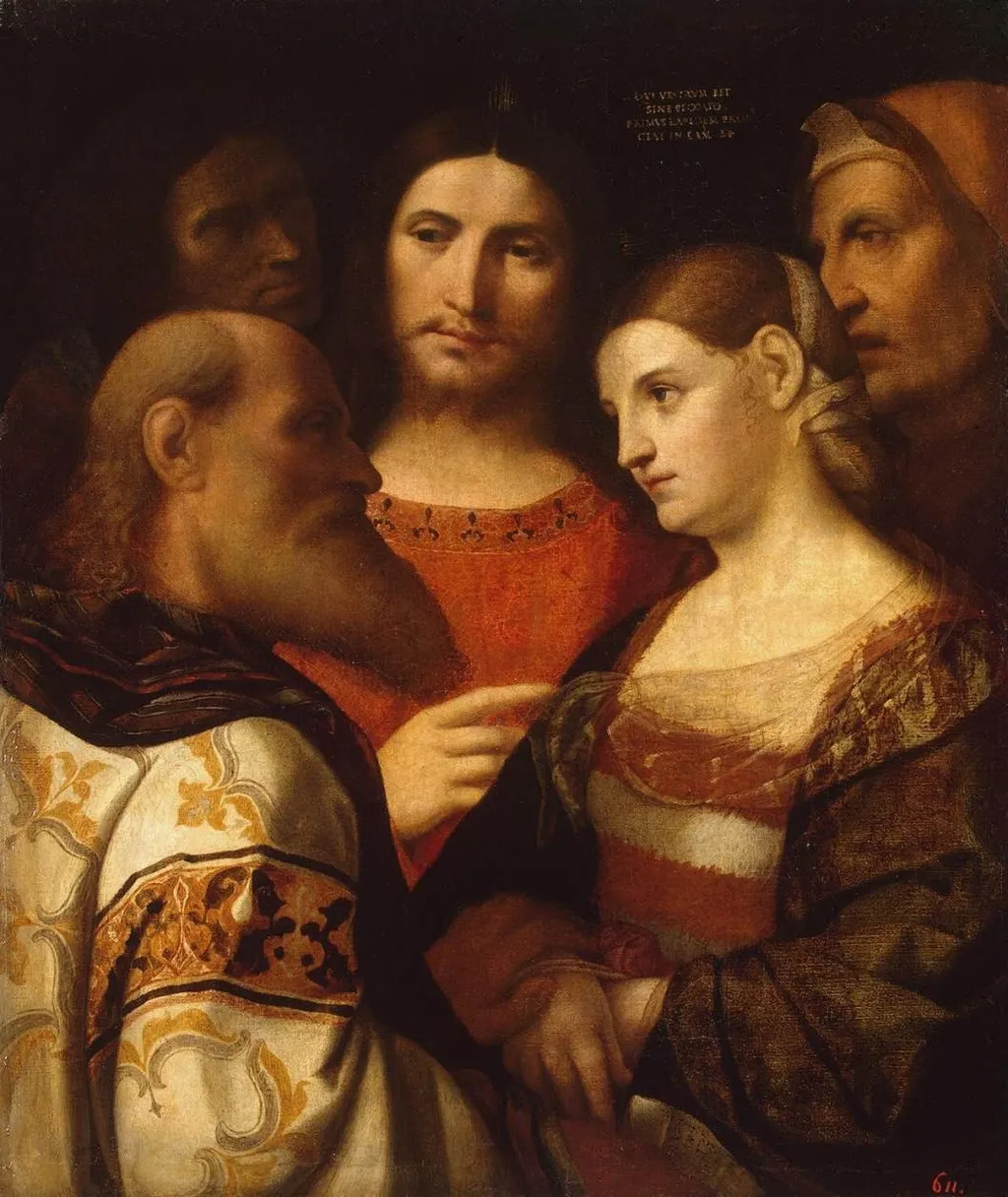
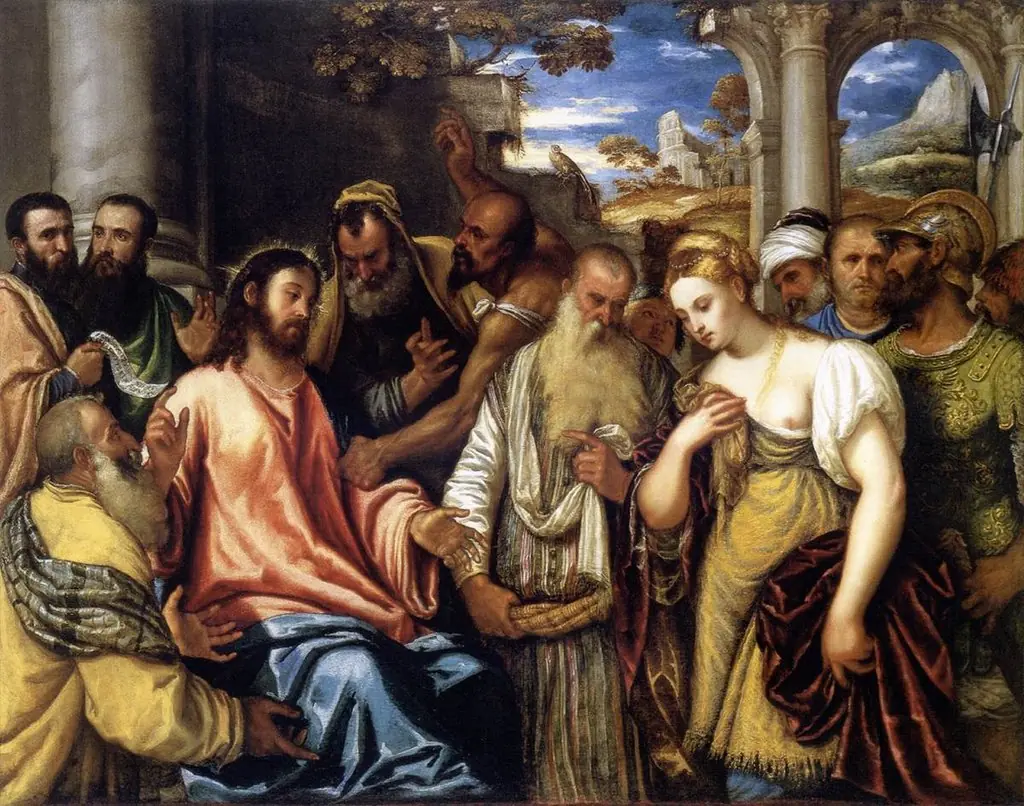
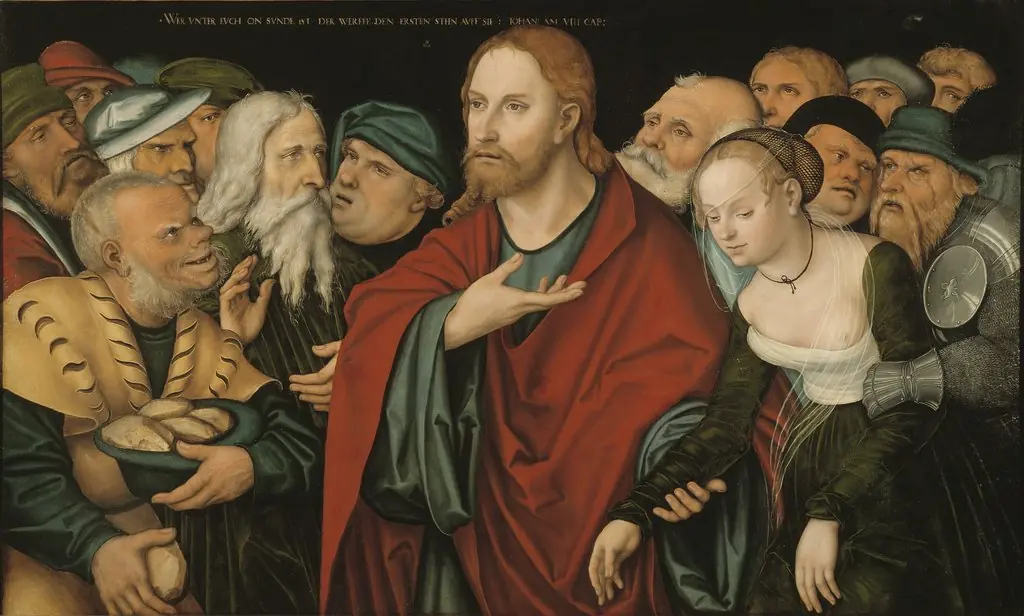
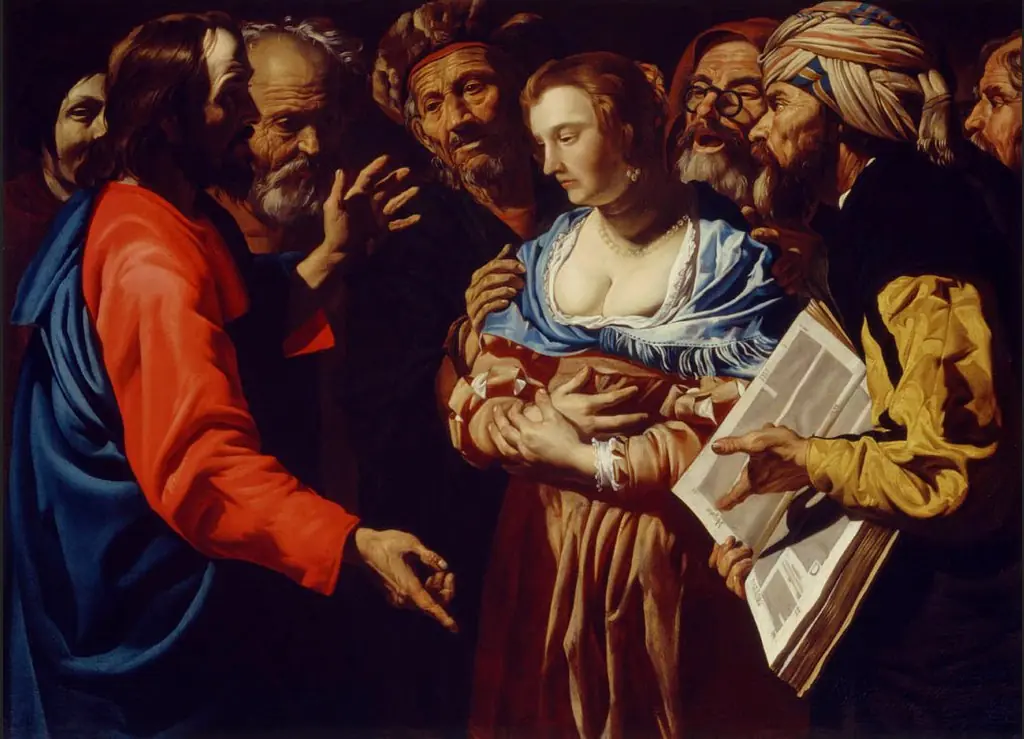
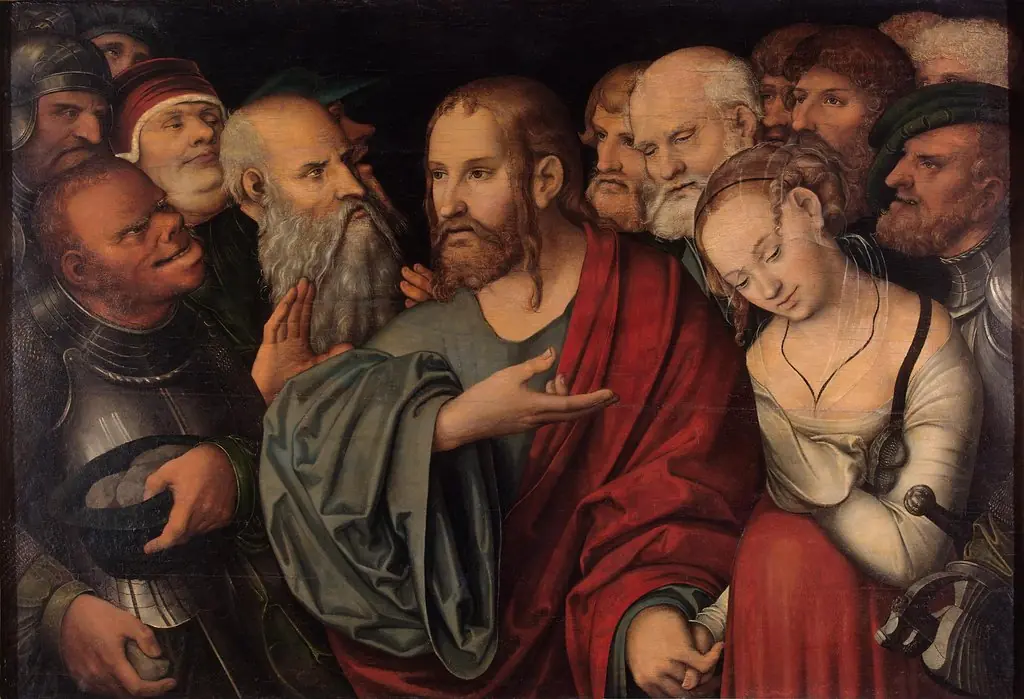
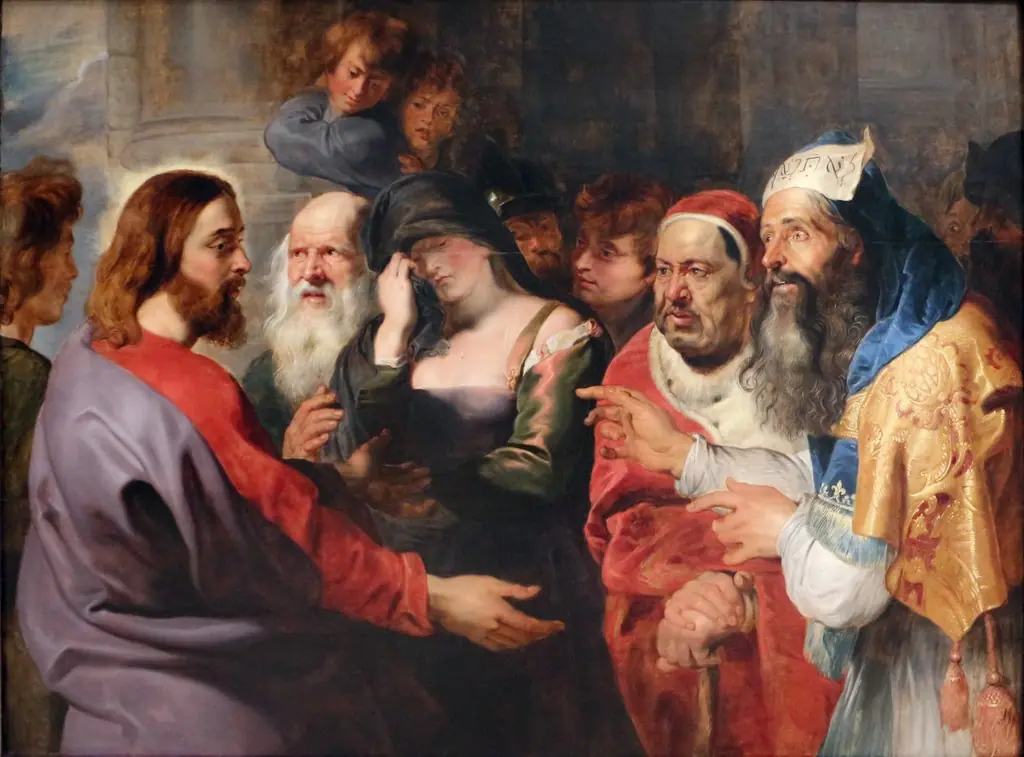
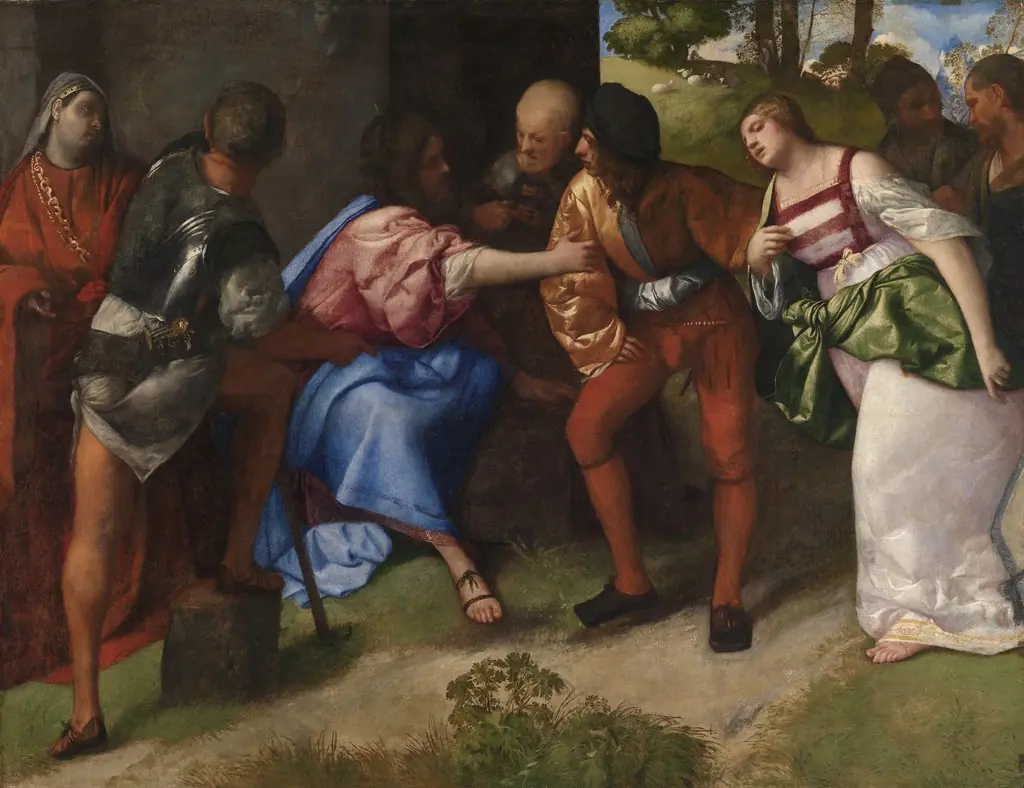
Christ and the Woman Taken in Adultery is an oil painting by the Northern Renaissance artist Unknown. It dates from 1510 and is held in the collection of the Hermitage Museum. This oil painting depicts a moment from the Gospel of John, in which Christ confronts a group accusing a woman of adultery.
About this work
Overview
This oil painting depicts a moment from the Gospel of John, in which Christ confronts a group accusing a woman of adultery.
This oil painting depicts a moment from the Gospel of John, in which Christ confronts a group accusing a woman of adultery. The figures are grouped tightly under dim, directional light, emphasizing emotional tension over narrative detail. The composition isolates the central pair—Christ and the woman—while surrounding figures remain partially obscured by shadow, reinforcing the scene’s moral gravity.
Subject & Meaning
The scene captures Christ’s response to the Pharisees’ challenge: 'Let he who is without sin cast the first stone.' The woman, visibly vulnerable, leans toward Christ, who stands calm and resolute in a red tunic. The accusers, cloaked in rich but dark garments, are rendered with ambiguous expressions, suggesting inner conflict. The Latin inscription alludes to the biblical source, anchoring the image in scriptural authority rather than theatrical drama.
Technique & Style
The artist employs chiaroscuro to model forms and heighten psychological depth. Faces emerge from deep shadows, lit by a single, unseen source that sculpts skin and fabric with subtle gradations. Richly textured robes contrast with the woman’s plain dress, underscoring social and moral contrasts. Brushwork is restrained, favoring quiet realism over ornamentation, directing attention to gesture and expression.
History & Provenance
The painting’s early ownership is undocumented, but its style aligns with early 17th-century Northern European religious works. It likely originated in a private devotional context, possibly commissioned by a Catholic patron during the Counter-Reformation. No major public exhibitions or documented sales are recorded before the 20th century, suggesting a long period of private retention.
Context
Created during a time when the Catholic Church emphasized moral clarity and scriptural illustration, the painting reflects broader efforts to use visual art for spiritual instruction. The focus on mercy over judgment aligns with Counter-Reformation themes, countering Protestant critiques of ecclesiastical hypocrisy. Similar scenes were common in devotional altarpieces and private collections across the Low Countries and Germany.
Legacy
Though not widely reproduced or studied in major art historical surveys, the work remains a quiet example of intimate religious storytelling. Its restrained use of light and psychological nuance influenced later genre scenes that prioritized moral ambiguity over spectacle. It continues to be referenced in theological art studies for its understated yet powerful depiction of compassion.
Artist & collection

 Domestic Scene
 Giacomo and Cardinal Marco, investing Andrea, Abbot of San Zeno, with his Benefice
 The Nymph of Fontainebleau
 Portrait of a Woman
 Madonna and Child with Saints in the Enclosed Garden
 Venus and Minerva
 Family Group of Four on Sofa
 Wall painting from Room H of the Villa of P. Fannius Synistor at Boscoreale