Artwork
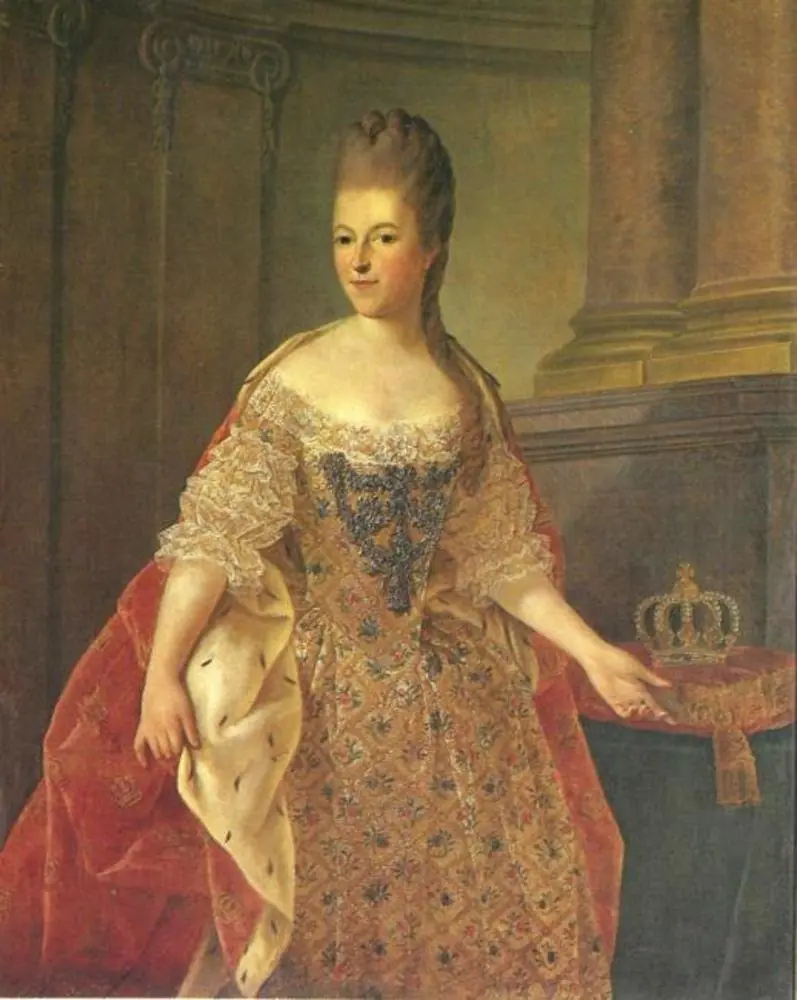
Elisabeth Charlotte von der Pfalz (Kopie nach)
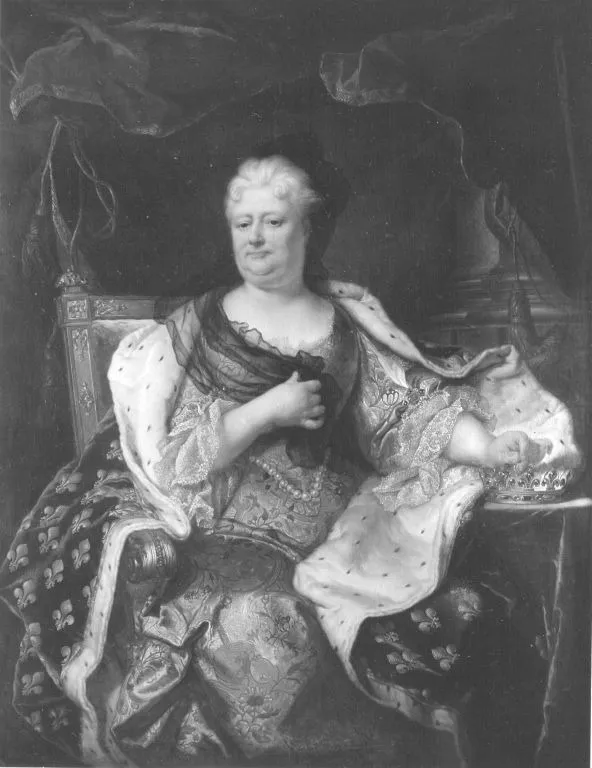
Elisabeth Charlotte von der Pfalz (Kopie nach) is an unspecified painting by the Rococo painting artist Unknown. It dates from 1728 and is held in the collection of the Bavarian State Painting Collections.
About this work
Overview
This portrait presents Elisabeth Charlotte von der Pfalz in a formal seated pose, rendered with careful attention to textile detail and spatial depth.
This portrait presents Elisabeth Charlotte von der Pfalz in a formal seated pose, rendered with careful attention to textile detail and spatial depth. The dark background isolates the figure, emphasizing her attire and composure. The lighting, structured through chiaroscuro, enhances the three-dimensionality of her form and the richness of her garments, suggesting a studio setting aligned with courtly portraiture traditions of the late 17th century.
Subject & Meaning
The sitter, a member of the Palatine nobility, is depicted with restrained dignity, her calm gaze and composed posture reflecting expected aristocratic decorum. The pearl necklace and elaborate fabric suggest status, while the held textile may imply domestic or ceremonial roles. The portrait functions not as a personal expression but as a visual assertion of lineage and social position within the European courtly system.
Technique & Style
The artist employs chiaroscuro to model the figure with subtle gradations of light and shadow, lending volume to the fabric and skin. Brushwork is precise in rendering the intricate patterns of the dress and the sheen of pearls, while the cloak’s folds are rendered with fluid, soft strokes. The dark, unmodeled background contrasts sharply with the illuminated subject, focusing attention entirely on the figure’s presence and attire.
History & Provenance
This work is a copy after a lost original, likely painted during the late 1600s when Elisabeth Charlotte resided in the French court as Duchess of Orléans. The copy was probably made in the 18th century, possibly for a collateral branch of the family or an institution preserving noble likenesses. Its survival reflects ongoing interest in the visual representation of dynastic figures beyond their lifetimes.
Context
Portraits of noblewomen like Elisabeth Charlotte were commissioned to affirm familial prestige and political alliances. Her position as a German princess married into the French royal family placed her at the intersection of two powerful courts. Such images circulated among elites, reinforcing social hierarchies and cultural norms through controlled, idealized representation.
Legacy
As a copy, this painting preserves the visual language of court portraiture from a period when identity was conveyed through dress, gesture, and lighting rather than individual expression. It contributes to the historical record of how aristocratic women were visually encoded in early modern Europe, offering insight into the aesthetics and values of dynastic representation.
Artist & collection

 Domestic Scene
 Giacomo and Cardinal Marco, investing Andrea, Abbot of San Zeno, with his Benefice
 The Nymph of Fontainebleau
 Portrait of a Woman
 Madonna and Child with Saints in the Enclosed Garden
 Venus and Minerva
 Family Group of Four on Sofa
 Wall painting from Room H of the Villa of P. Fannius Synistor at Boscoreale
 Elizabeth Charlotte, Princess Palatine
 Portrait of Elizabeth Charlotte of the Palatinate
 Bárbara de Braganza reina de España
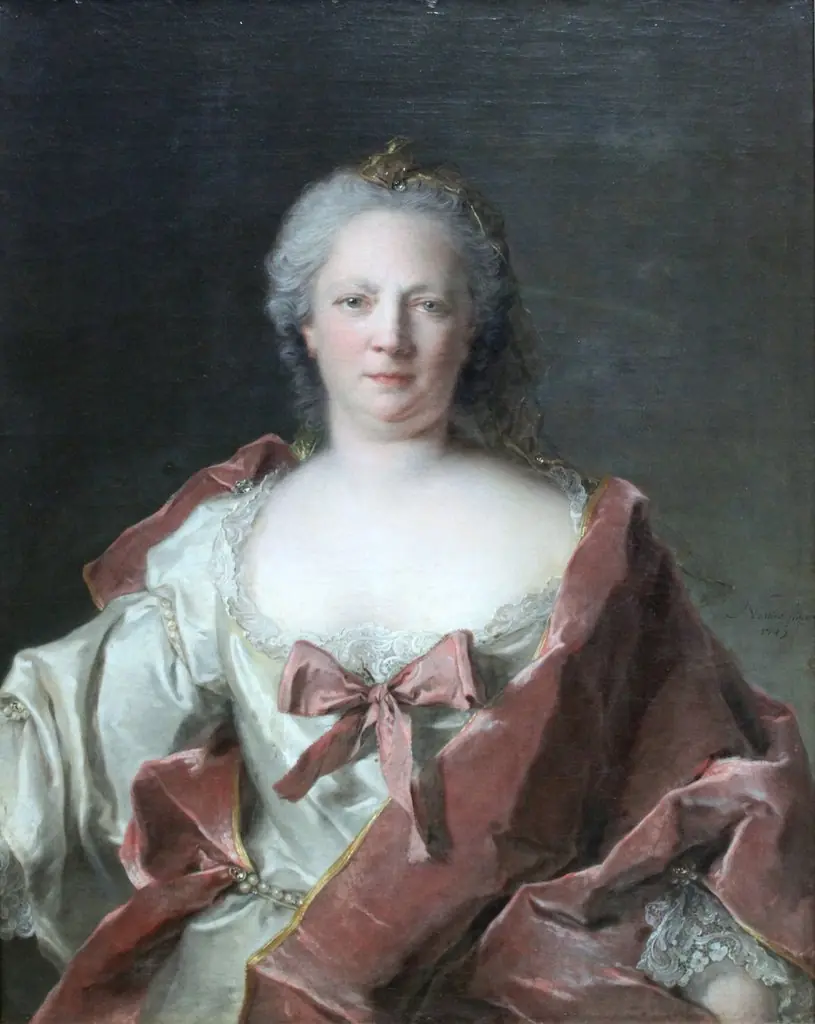 Portrait of Frankfurt banker's wife Anna Elisabeth Leerse
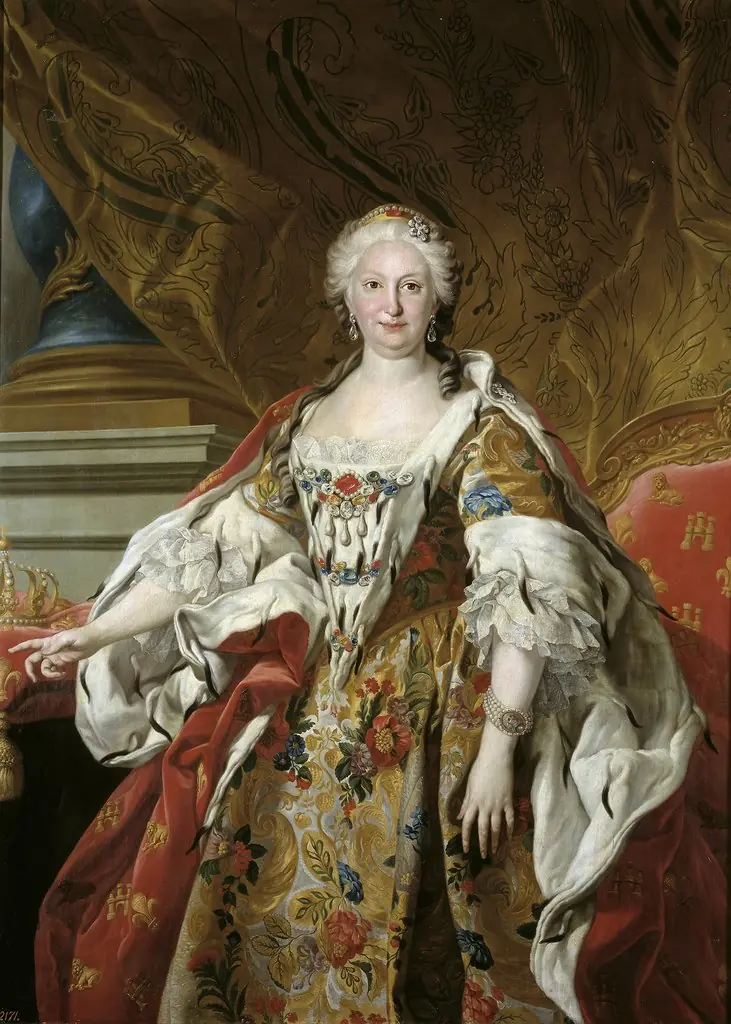 Elisabeth Farnese, Queen of Spain
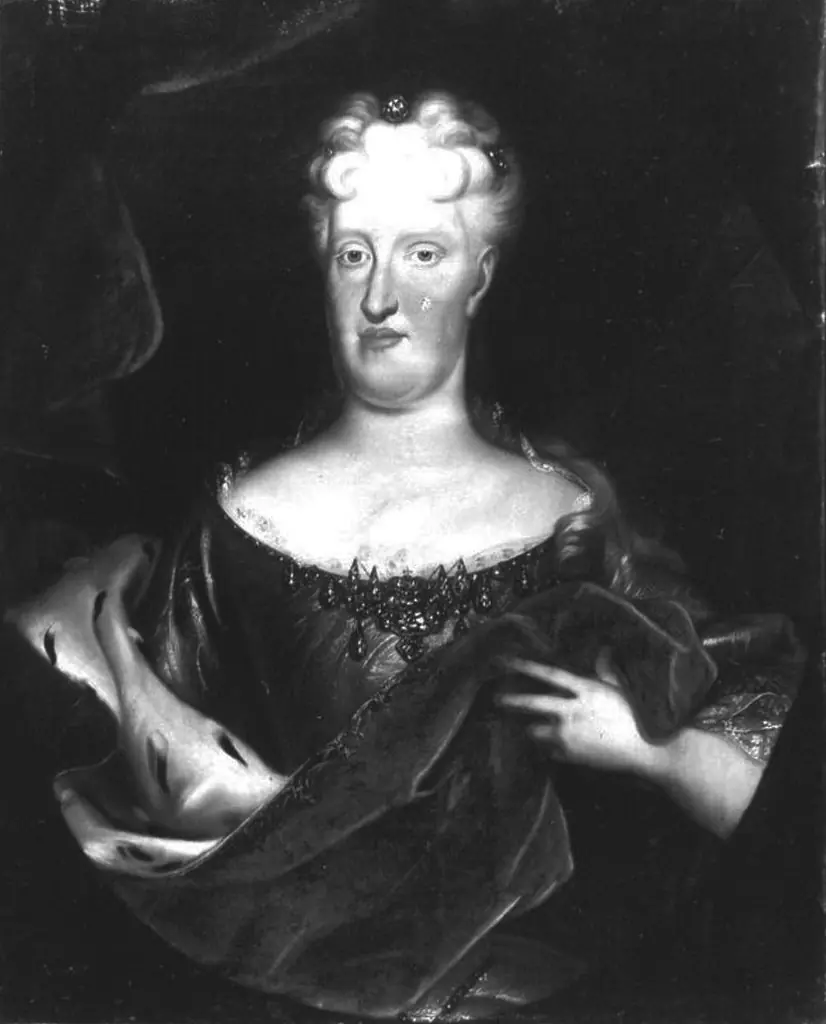 Bildnis einer Fürstin
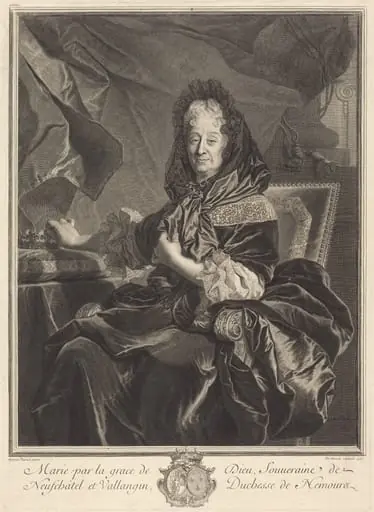 Duchesse de Nemours
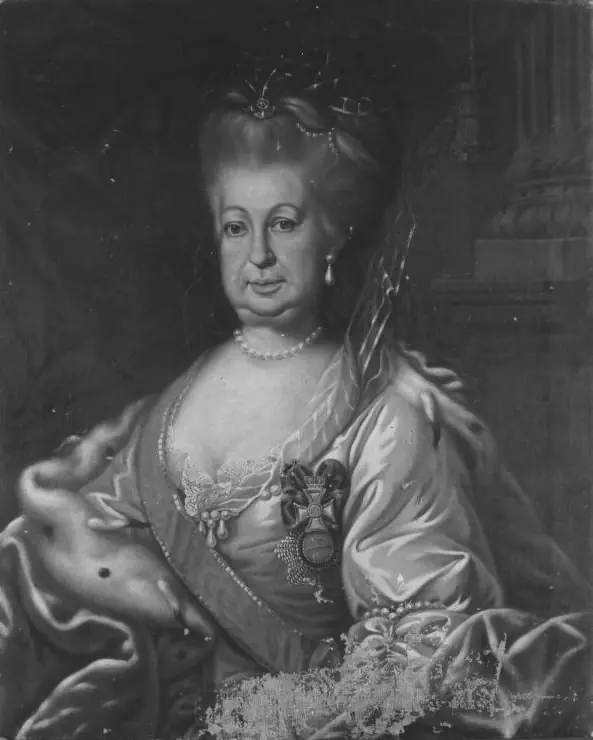 Elisabeth Auguste of Sulzbach (1721-1794)
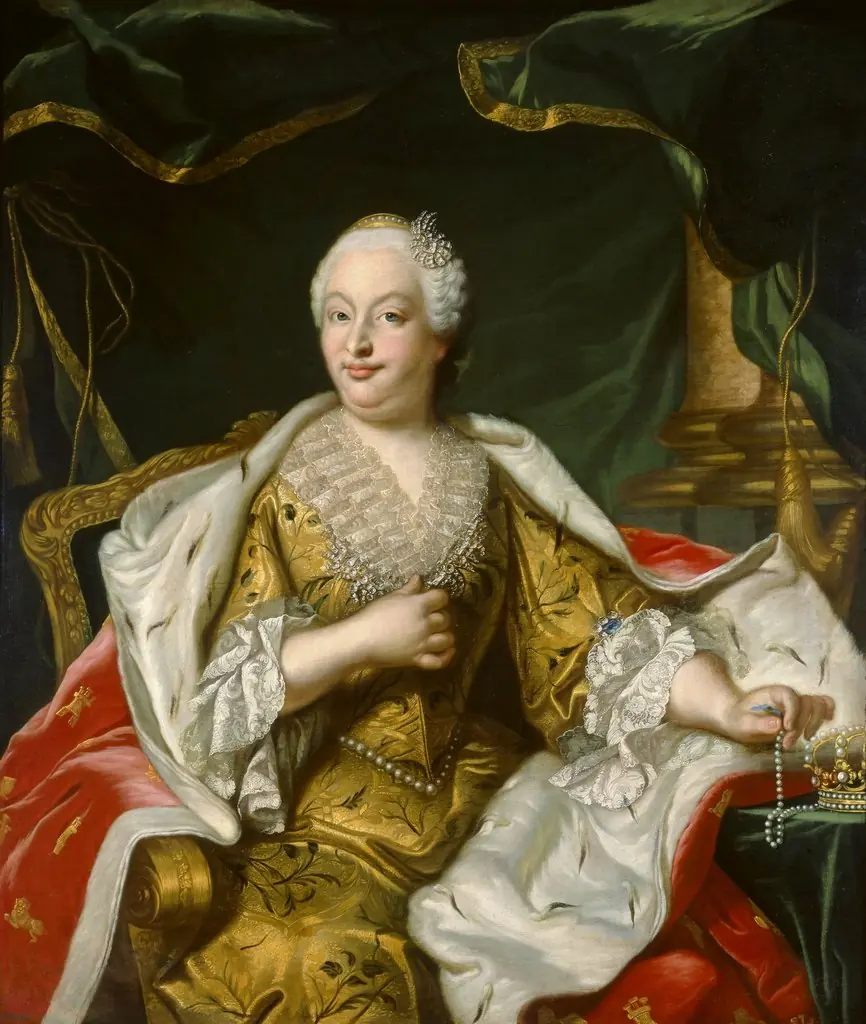 Bárbara de Braganza reina de España
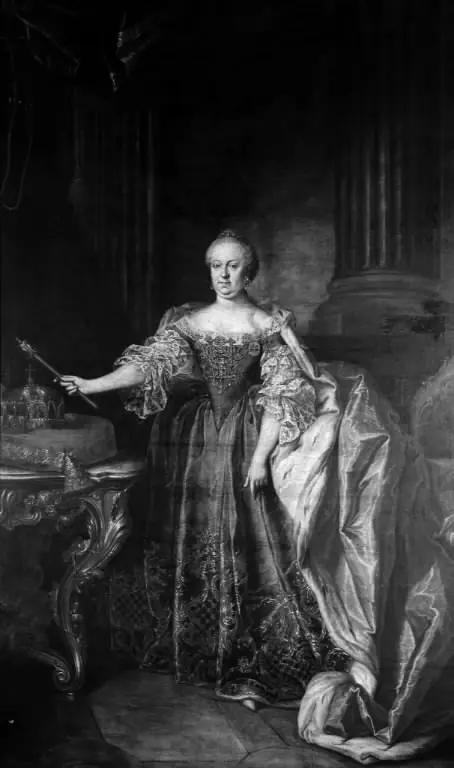 Portrait of Empress Maria Theresa
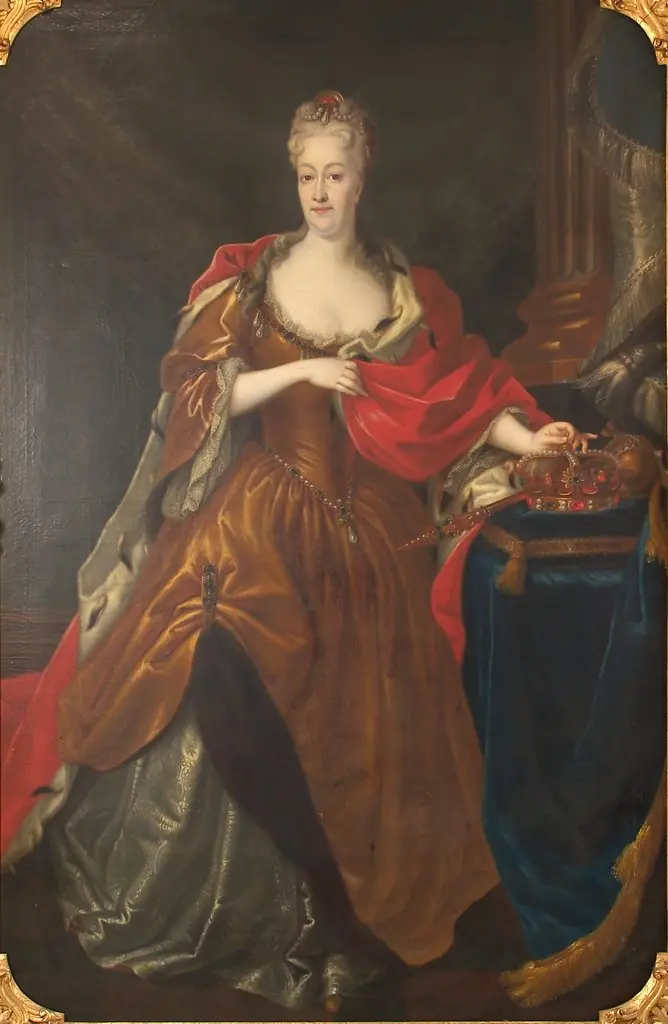 Portræt af Christine af Polen
 Frederika Sophia Wilhelmina (Wilhelmina; 1751-1820), prinses van Pruisen. Echtgenote van prins Willem V