Artwork
Duchesse de Nemours
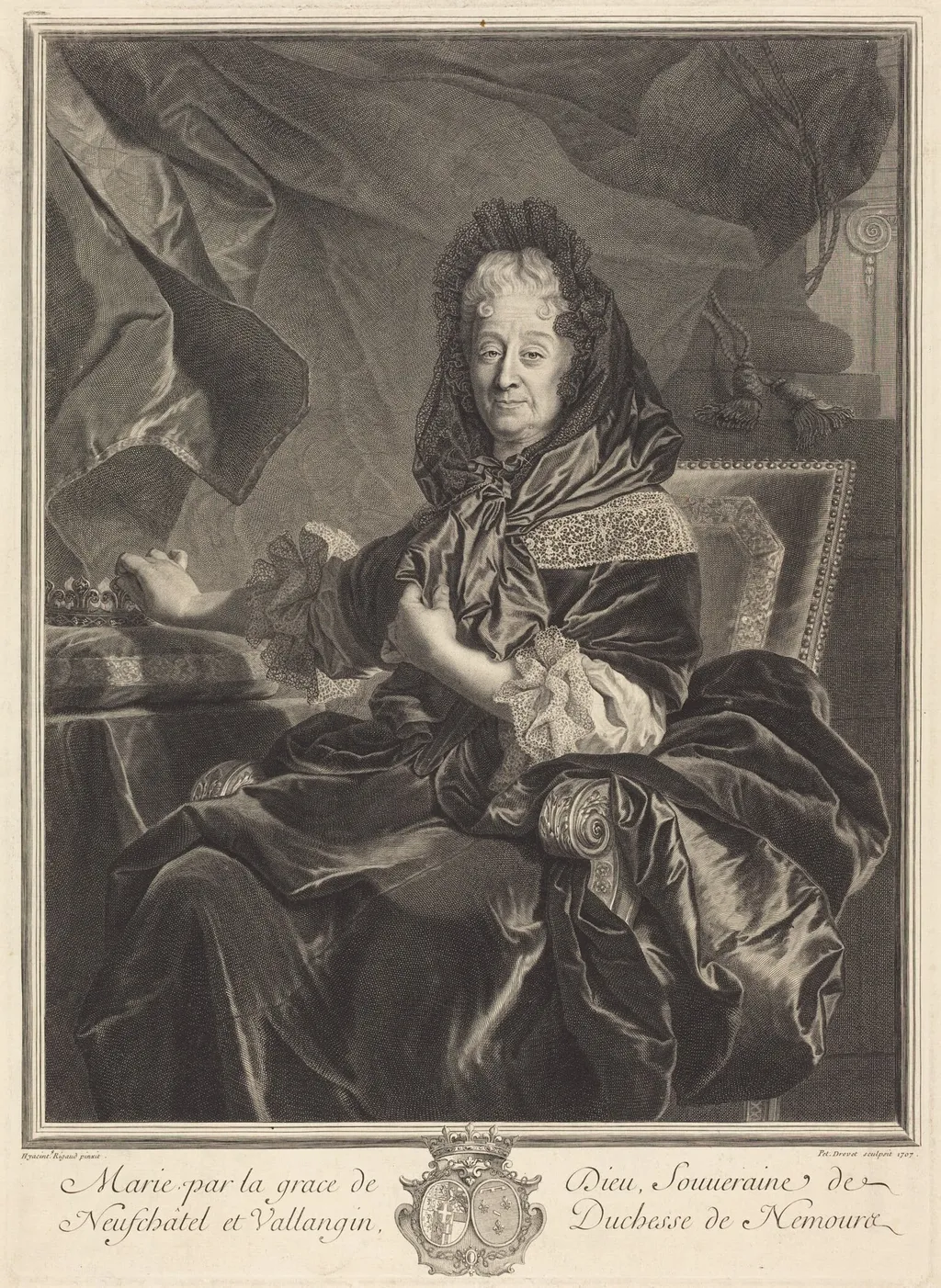
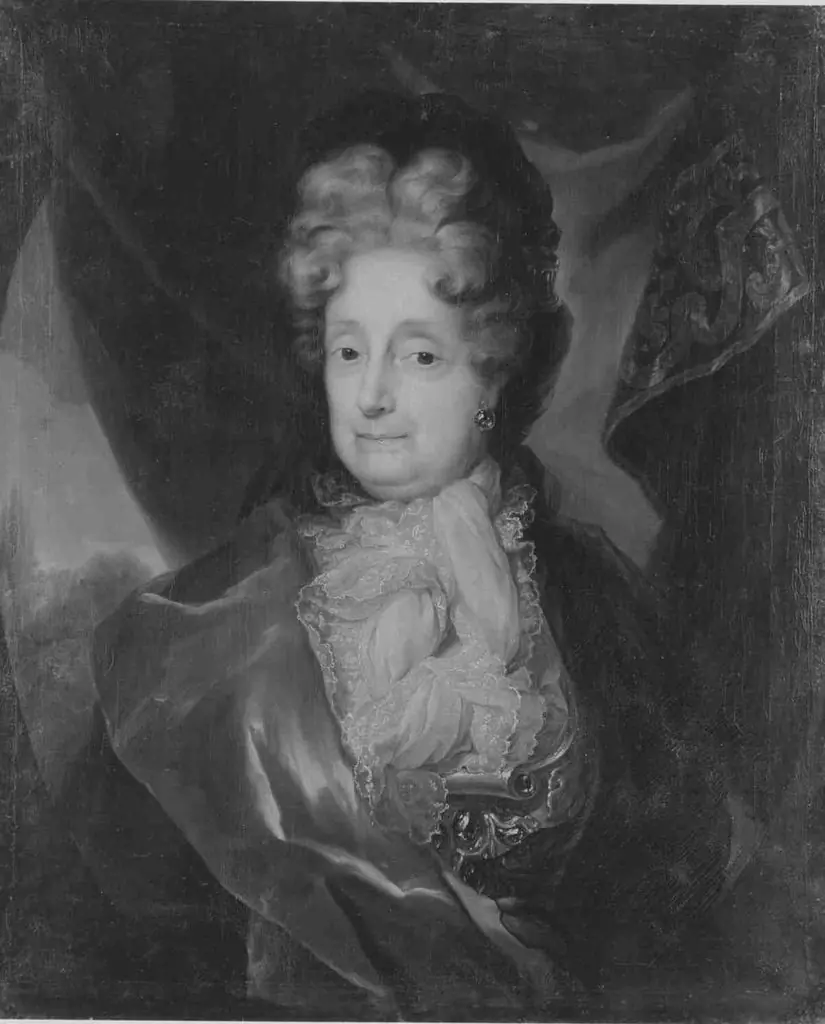
Duchesse de Nemours is an ink print by the Baroque artist Pierre Drevet. It dates from 1707 and is held in the collection of the National Gallery of Art.
About this work
Overview
The backdrop consists of a dark, draped curtain, emphasizing the sitter’s presence through careful use of line and shading.
Pierre Drevet’s 1707 engraving presents a seated noblewoman identified as the Duchesse de Nemours. Rendered in black‑and‑white, the image captures her in elaborate attire, a lace collar, and a decorative brooch, with one hand resting on a small table and the other holding a fan. The backdrop consists of a dark, draped curtain, emphasizing the sitter’s presence through careful use of line and shading.
Subject & Meaning
The portrait depicts a high‑ranking French aristocrat, the Duchess of Nemours, whose status is signaled by her sumptuous garments and poised demeanor. Elements such as the fan, the book‑like object on the table, and the refined jewelry suggest both leisure and intellectual engagement, reflecting the cultivated image expected of women of her rank in early‑18th‑century court society.
Technique & Style
Executed with fine, intersecting lines, Drevet’s engraving achieves delicate tonal variations that model the folds of silk and the texture of lace. The artist’s control of hatching creates subtle shadows, giving depth to the fabric and the surrounding curtain. This meticulous approach typifies the French portrait engraving tradition, where precision and clarity were prized to convey likeness and status.
History & Provenance
Created in 1707, the print belongs to a period when the Drevet family dominated French reproductive engraving. Pierre Drevet, the family’s founder, established a reputation for rendering the likenesses of prominent individuals, a practice continued by his descendants. The work likely circulated among collectors and court patrons as a means of disseminating the duchess’s image beyond her immediate circle.
Context
The engraving emerges from a century‑long French tradition of portrait prints that served both documentary and decorative purposes. In the late 17th and early 18th centuries, such images functioned as visual records of aristocratic lineage and as symbols of cultural refinement, reinforcing social hierarchies within the courtly milieu.
Artist & collection
Artist
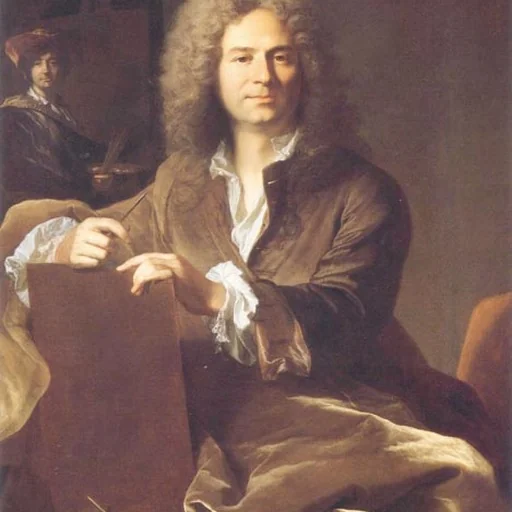
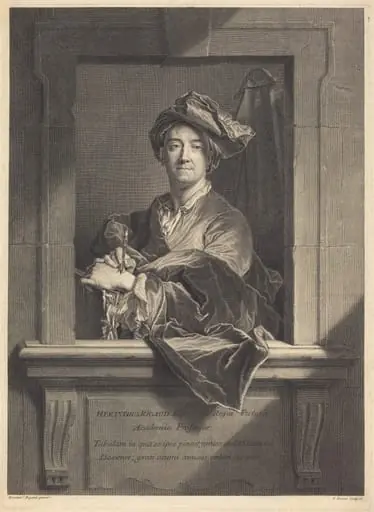
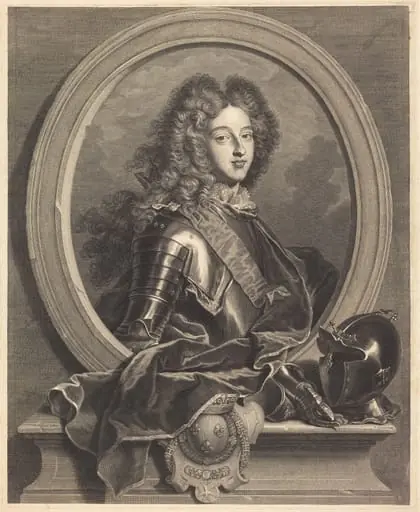
The Drevet Family were leading portrait engravers of France for over a hundred years. Their fame began with Pierre, and was sustained by his son, Pierre-Imbert, and by his nephew, Claude.

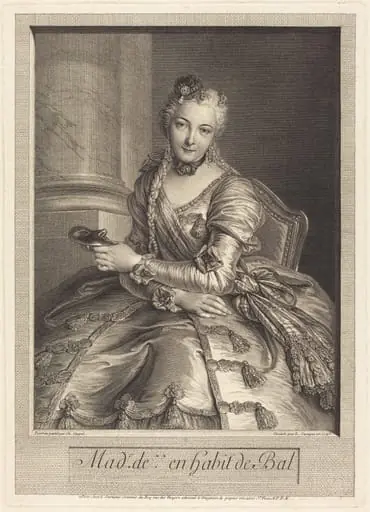 Mme. de M ... en habit de bal
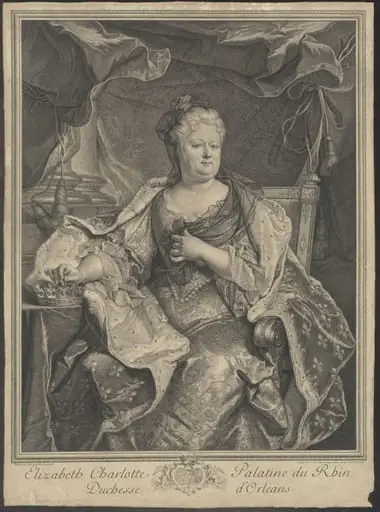 Portrait of Elizabeth Charlotte of the Palatinate
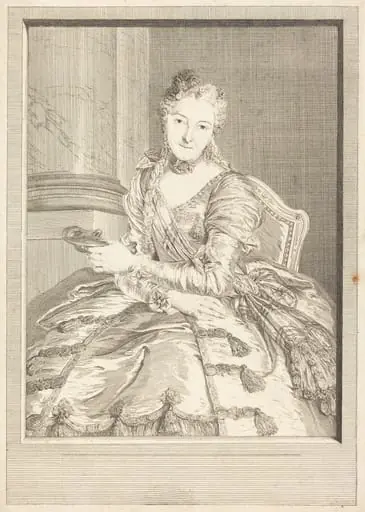 Mme. de M ... en habit de bal
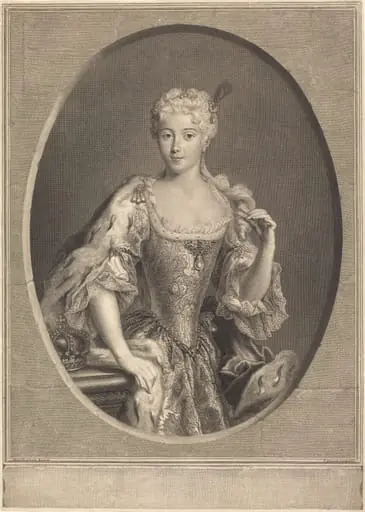 Maria Klementyna Sobieska
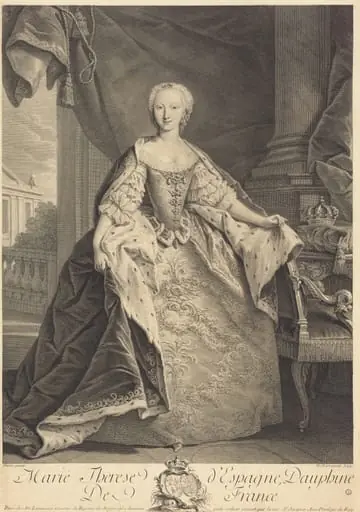 Marie Therese of Spain, Dauphine of France
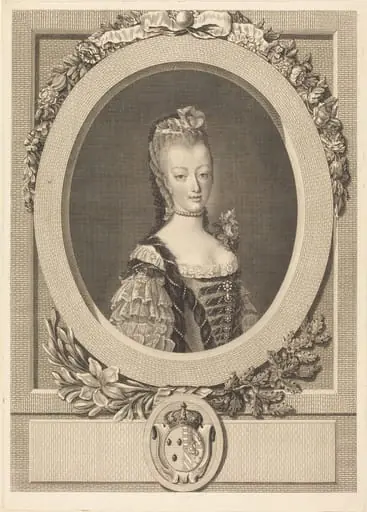 Marie-Antoinette of France
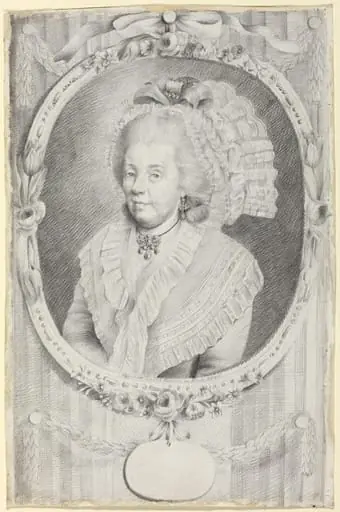 Frau Gottfried von Herder
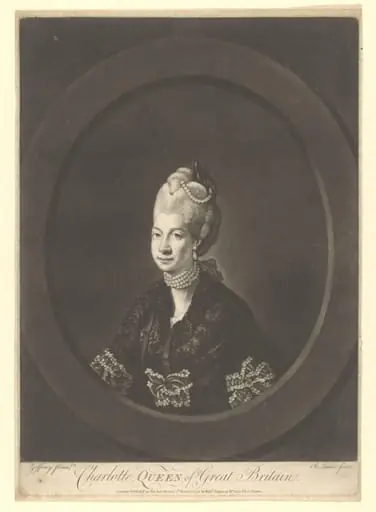 H Beard Print Collection
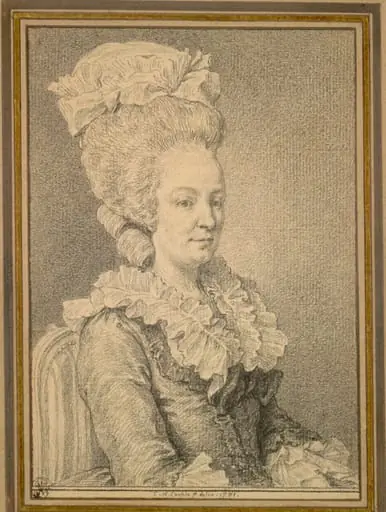 Half-length Portrait of a Seated Woman
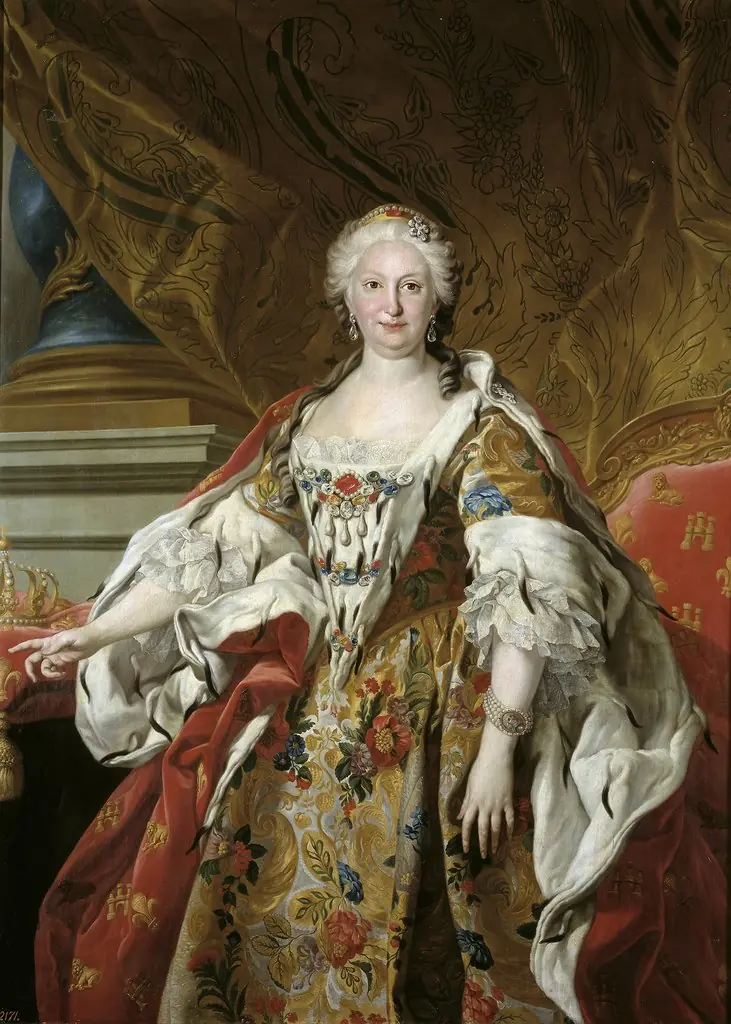 Elisabeth Farnese, Queen of Spain
 Portrait of Sophia of the Palatinate, dowager electress of Hanover