Artwork
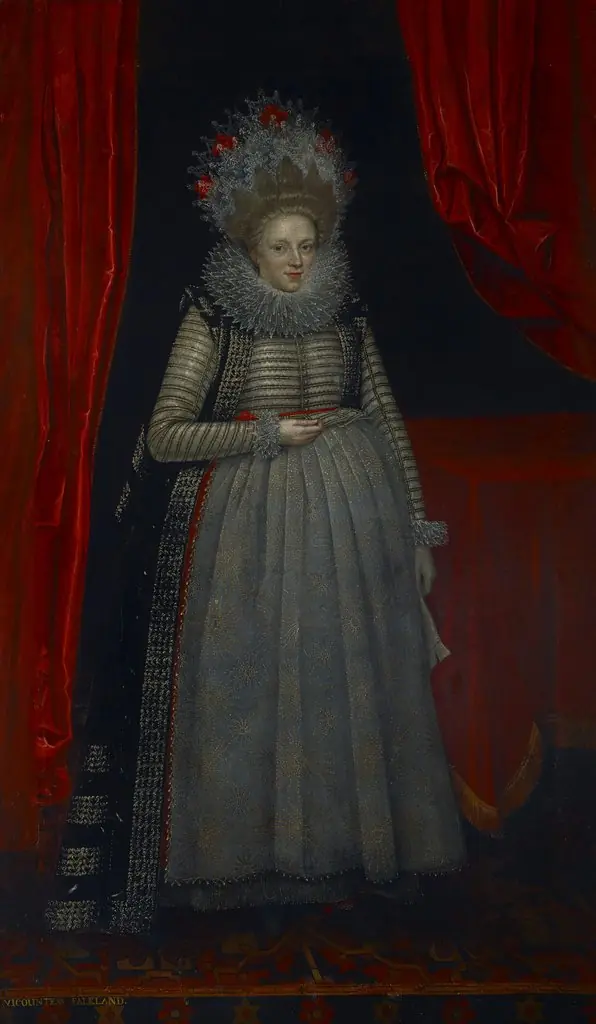
Portrait of a lady in a rich costume leaning on the armchair
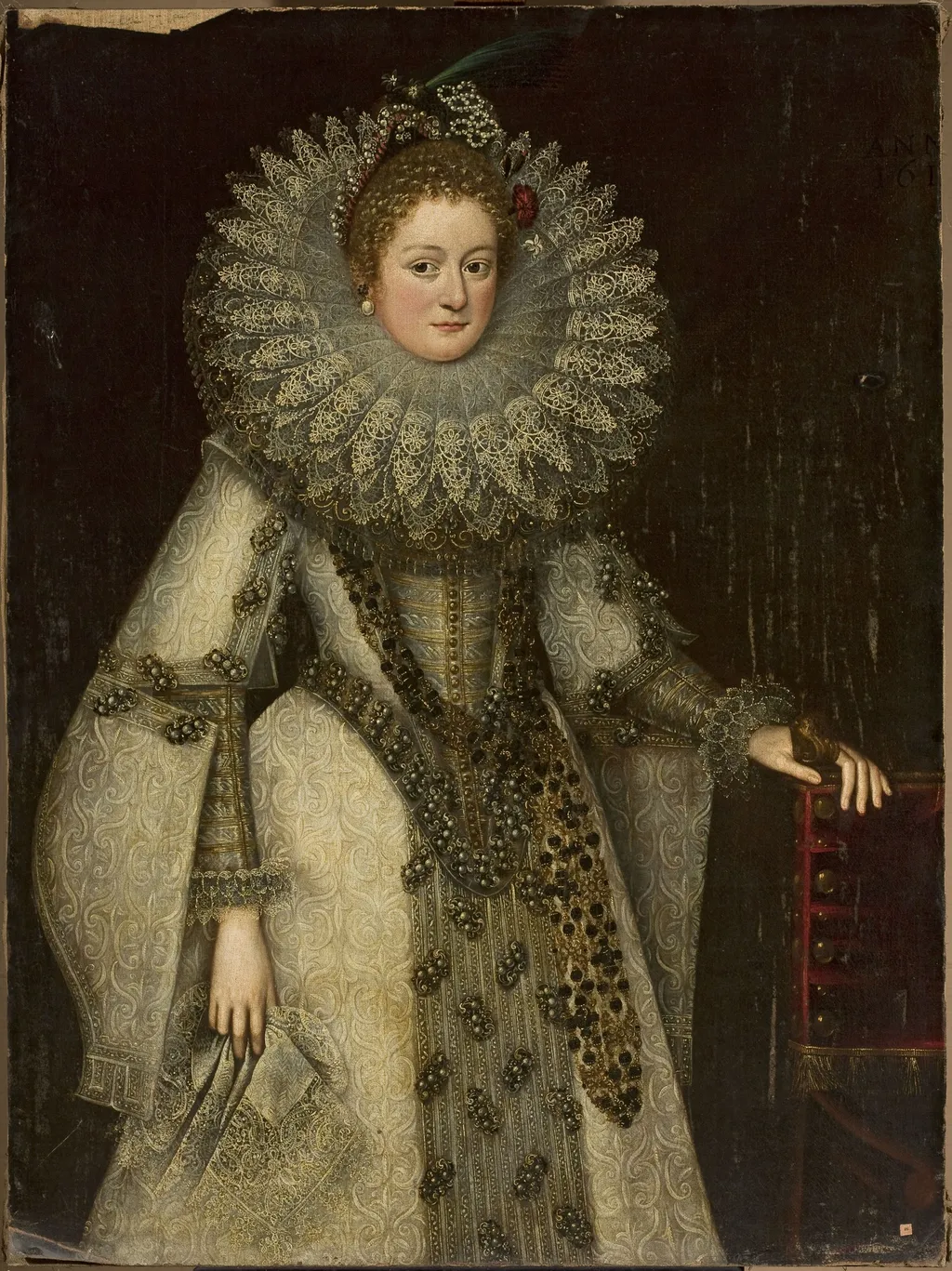
Portrait of a lady in a rich costume leaning on the armchair is an oil painting by the Flemish Baroque painting artist Unknown. It dates from 1612 and is held in the collection of the National Museum in Warsaw. This oil painting depicts a woman in elaborate 17th-century attire, rendered with precision and restraint.
About this work
Overview
The lighting is controlled, emphasizing texture and form without dramatic contrast, focusing attention on her clothing and subtle facial expression.
This oil painting depicts a woman in elaborate 17th-century attire, rendered with precision and restraint. The composition centers on her figure, set against a dark, unadorned background that eliminates distraction. Her posture—slightly leaning on a sturdy wooden chair—conveys quiet composure. The lighting is controlled, emphasizing texture and form without dramatic contrast, focusing attention on her clothing and subtle facial expression.
Subject & Meaning
The subject is likely a woman of means, identified by the richness of her dress and the care given to her grooming. The red flower in her hair, though small, may signify personal taste, seasonal reference, or symbolic meaning—perhaps love or vitality. Her composed demeanor and formal attire suggest a portrait intended to convey status and dignity rather than emotional expression, typical of elite portraiture of the period.
Technique & Style
The artist employs fine brushwork to render intricate details: the lace of the ruffled collar, the metallic sheen of gold embroidery, and the smoothness of her coiffed hair. The palette is dominated by deep tones with accents of gold and a single red hue for contrast. Surface textures are carefully differentiated, and the lighting is even, avoiding strong chiaroscuro in favor of clarity and realism suited to aristocratic representation.
History & Provenance
The painting’s origin is not documented in the provided details, but its style aligns with Northern European portraiture of the early to mid-1600s. Such works were often commissioned by wealthy families to assert social standing. The absence of identifiable symbols or settings suggests it may have been a private commission, intended for domestic display rather than public exhibition.
Context
In the 17th century, portraiture served as a tool for displaying wealth, lineage, and refinement. Elaborate costumes, jewelry, and meticulous attention to fabric were standard in depictions of the upper classes. Artists prioritized accuracy in dress and demeanor over psychological depth, reflecting societal values that emphasized appearance and status over individual emotion.
Legacy
This portrait exemplifies the conventions of elite portraiture in early modern Europe, where craftsmanship and detail were paramount. While not attributed to a known master, its execution reflects the broader artistic standards of the time. Such works continue to inform historical understanding of fashion, social hierarchy, and the role of visual representation in shaping identity among the nobility.
Artist & collection

 Domestic Scene
 Giacomo and Cardinal Marco, investing Andrea, Abbot of San Zeno, with his Benefice
 The Nymph of Fontainebleau
 Portrait of a Woman
 Madonna and Child with Saints in the Enclosed Garden
 Venus and Minerva
 Family Group of Four on Sofa
 Wall painting from Room H of the Villa of P. Fannius Synistor at Boscoreale
 The Infanta Isabel Clara Eugenia
 Isabella Clara Eugenia, wife of Albrecht VII
 Henriette von Lothringen (1605-1660)
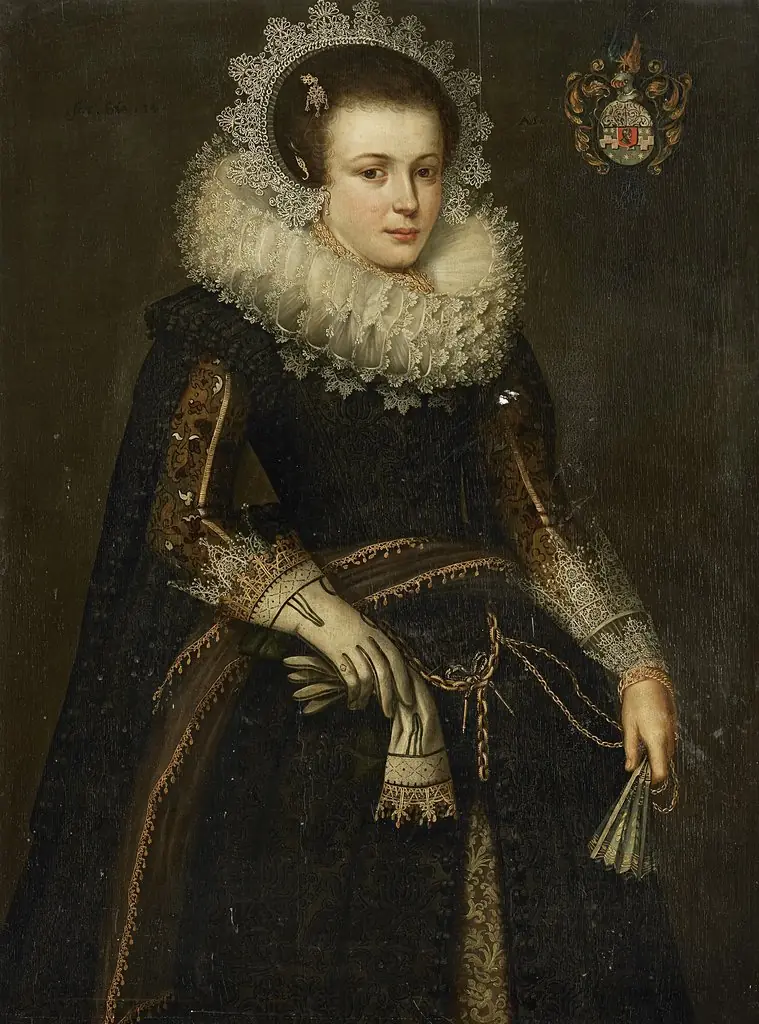 Portrait of Mertijntje van Ceters (1609-24)
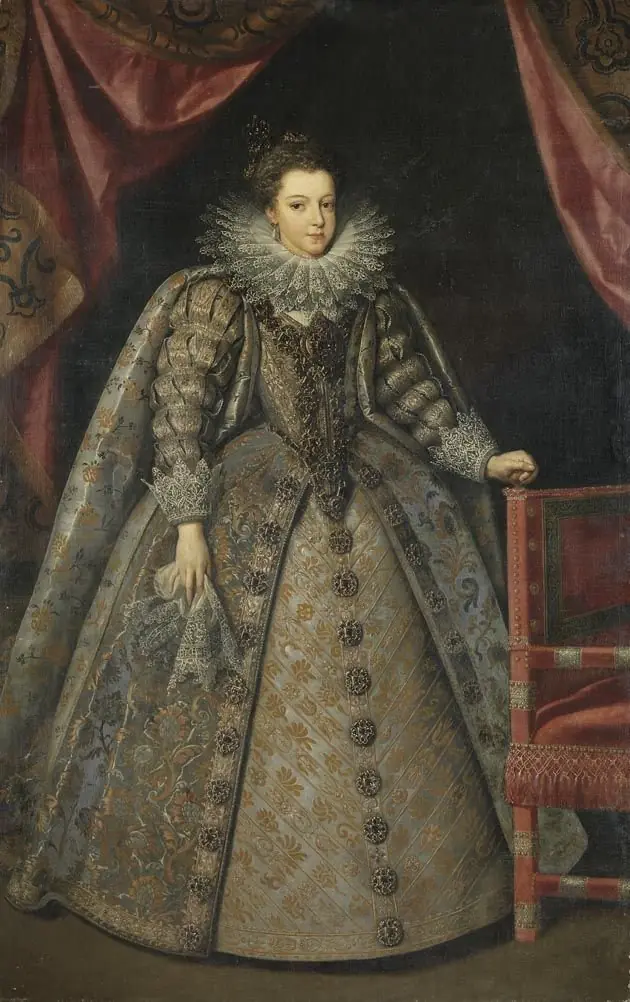 Elisabeth von Bourbon (1602-1644)
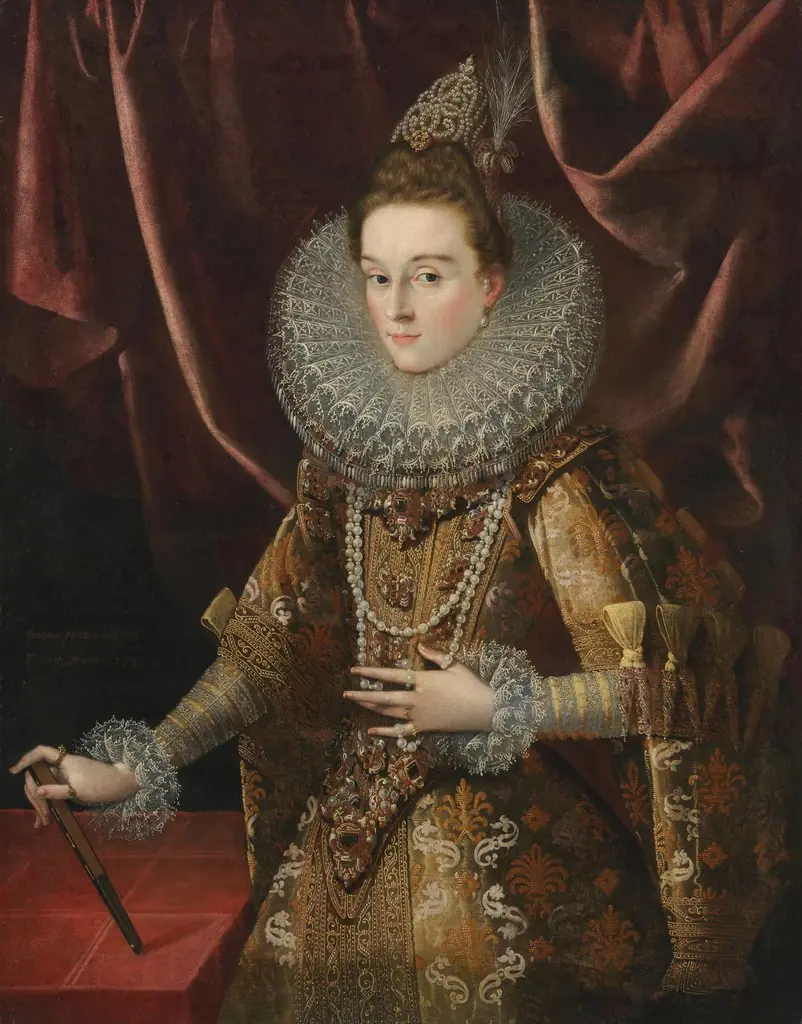 Isabella Clara Eugenia by Juan Pantoja de la Cruz
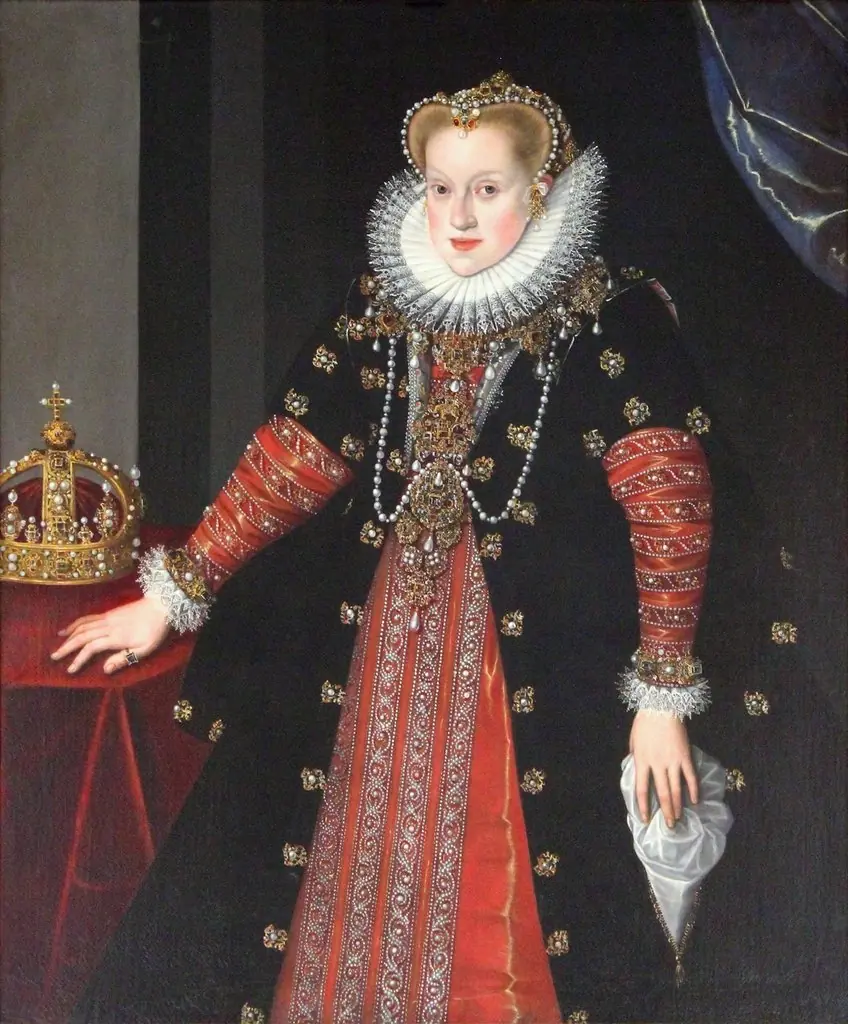 Portrait of Anne of Austria, Queen of Poland (1573-1598)
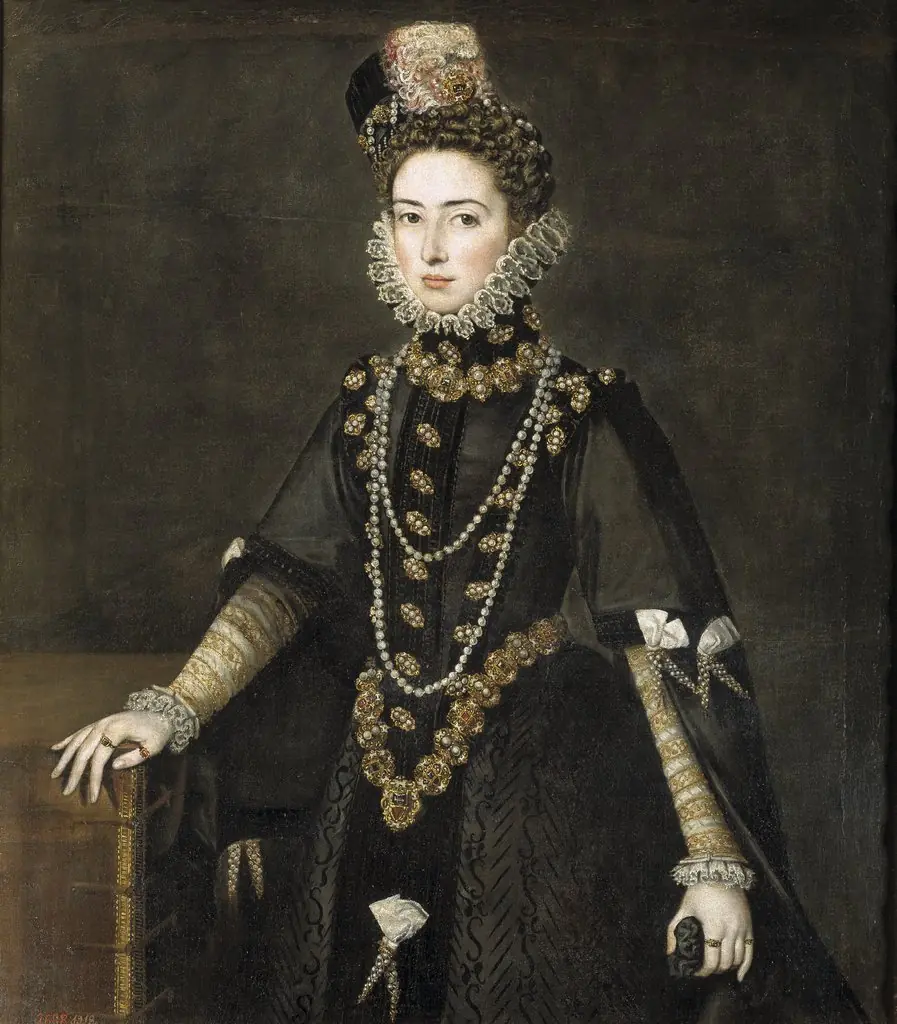 Catalina Micaela de Austria, Duchess of Savoy
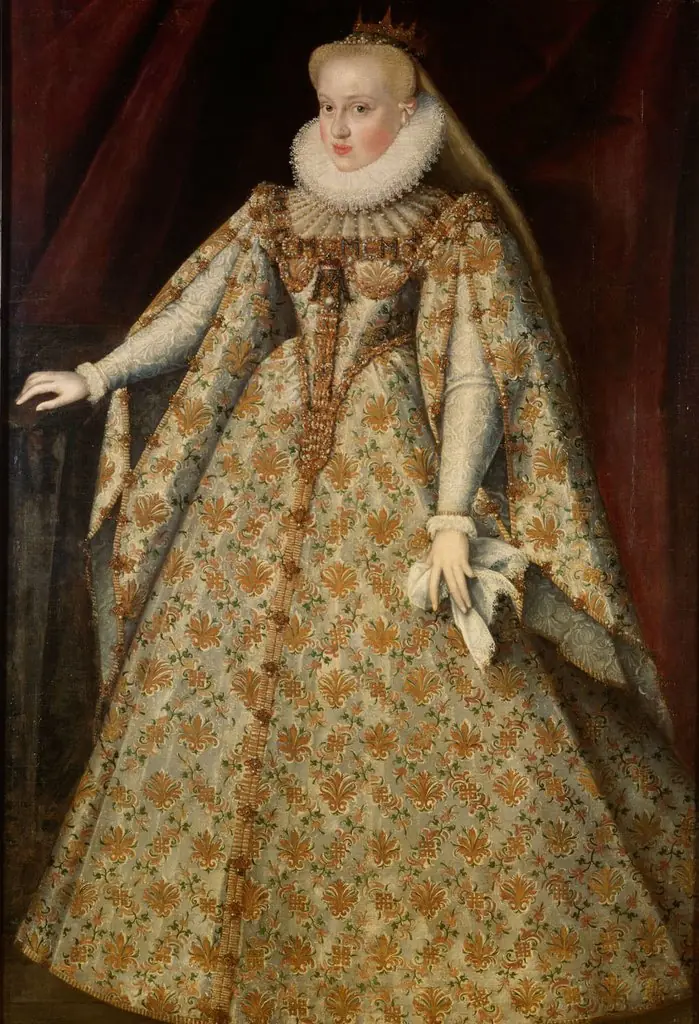 Portrait of Archduchess Maria Christina of Austria (1574–1621)
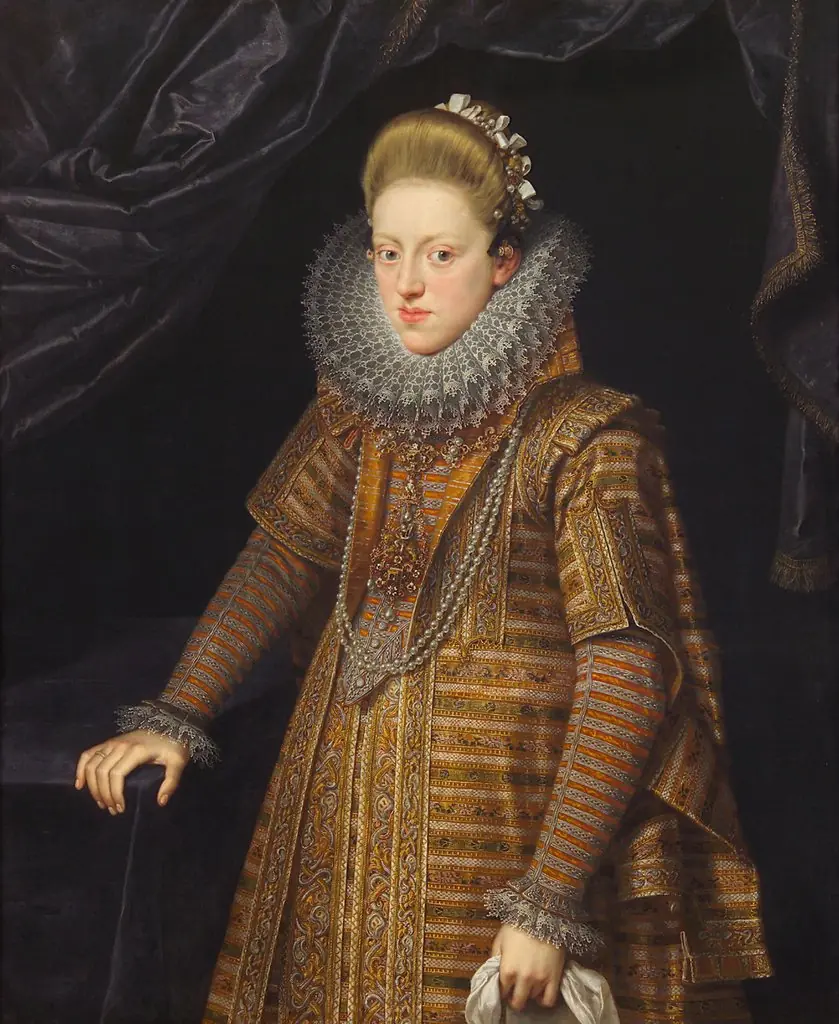 Erzherzogin Eleonore (1582-1620), Kniestück
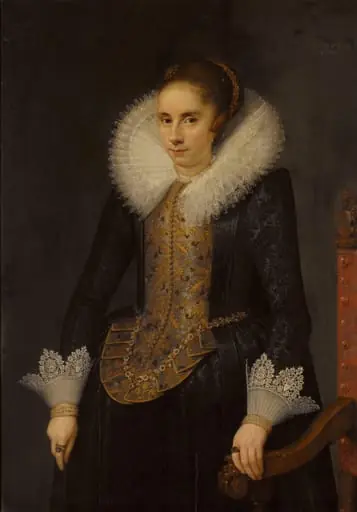 Untitled
 Elizabeth Cary, Viscountess Falkland (1585-1639)