Artwork
Elisabeth von Bourbon (1602-1644)
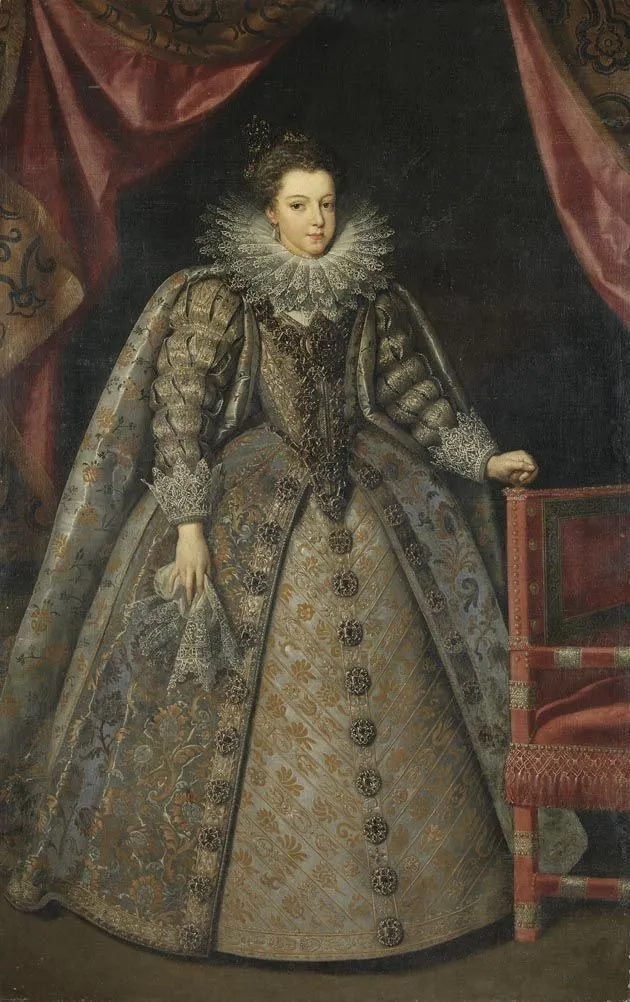
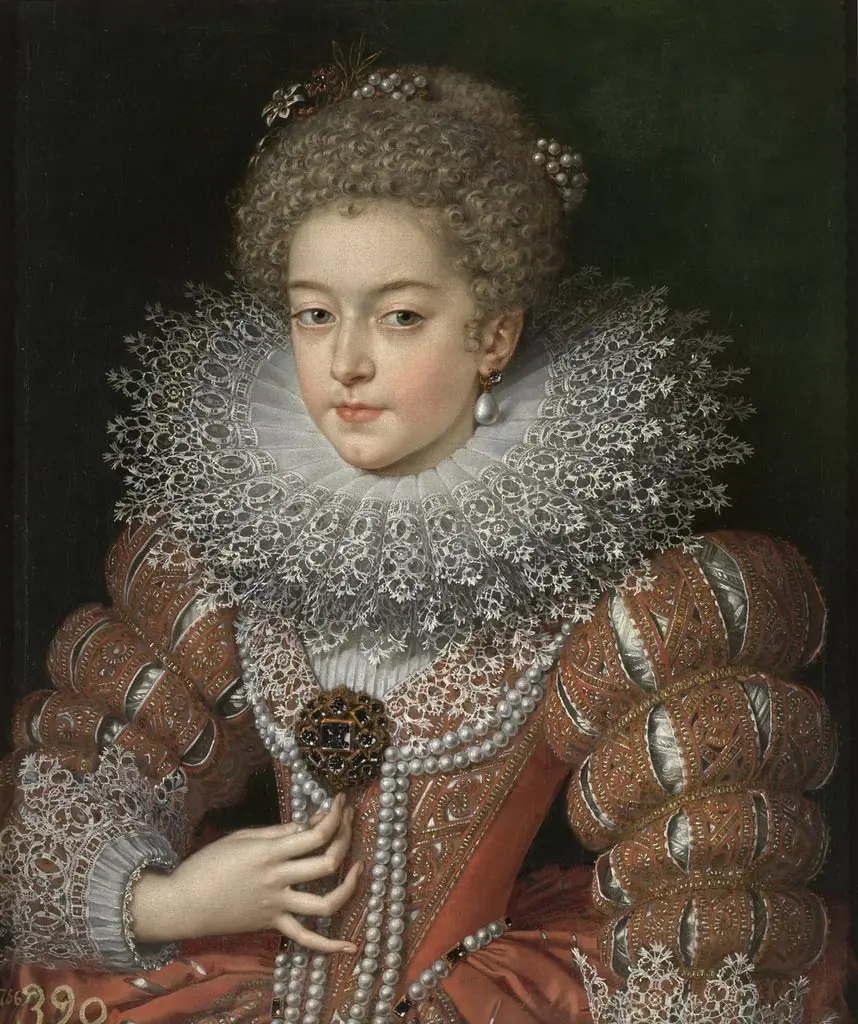
Elisabeth von Bourbon (1602-1644) is an unspecified painting by the Flemish Baroque painting artist Frans Pourbus, the Younger. It dates from 1615 and is held in the collection of the Alte Pinakothek.
About this work
Overview
Painted in 1615 by Frans Pourbus the Younger, this portrait captures Elisabeth of France, daughter of King Henry IV and queen consort of Spain.
Painted in 1615 by Frans Pourbus the Younger, this portrait captures Elisabeth of France, daughter of King Henry IV and queen consort of Spain. Executed during the artist’s tenure at the Spanish Habsburg court, the work reflects the international mobility of Flemish painters in early 17th-century Europe. It is now part of the Alte Pinakothek’s collection in Munich, where it remains a key example of courtly portraiture from the period.
Subject & Meaning
Elisabeth, then thirteen years old, is portrayed not as a child but as a royal figure of mature dignity. Her poised stance and elaborate attire signal her status as a dynastic bride, soon to be married to the future Philip IV of Spain. The inclusion of the chair suggests her future role as a sovereign consort, while the restrained gaze conveys the gravity expected of a royal woman in a political marriage alliance between France and Spain.
Technique & Style
Pourbus employed fine brushwork to render the textures of silk, lace, and metallic thread with precision. The gold and blue gown is detailed with subtle patterning, while the large ruff and floral-draped cloak frame the sitter’s face with formal elegance. Lighting is soft and even, avoiding dramatic contrasts, in keeping with the restrained Baroque style favored at Habsburg courts. The background remains neutral, focusing attention entirely on the figure and her attire.
History & Provenance
Commissioned during Pourbus’s service to the Archdukes of Austria in Brussels, the portrait was likely created in anticipation of Elisabeth’s marriage to the Spanish crown. It traveled with her to Madrid and remained in Spanish royal collections before entering the Bavarian state collection in the 19th century. Its presence in the Alte Pinakothek reflects the broader redistribution of European royal art following the Napoleonic wars.
Context
This portrait emerged during a period of intense dynastic diplomacy between the Bourbon and Habsburg families. Portraits like this were not merely personal likenesses but instruments of political messaging, circulated among courts to affirm alliances. Pourbus, trained in a family workshop with strong ties to the Habsburgs, was uniquely positioned to translate royal authority into visual form with both precision and decorum.
Legacy
The painting exemplifies the transnational nature of early Baroque portraiture, blending Flemish technique with Spanish courtly aesthetics. While not widely reproduced in popular culture, it remains a significant reference for scholars studying the visual language of royal women in early modern Europe. Its preservation in a major European museum ensures continued study of how identity, power, and fashion intersected in aristocratic representation.
Artist & collection
Artist
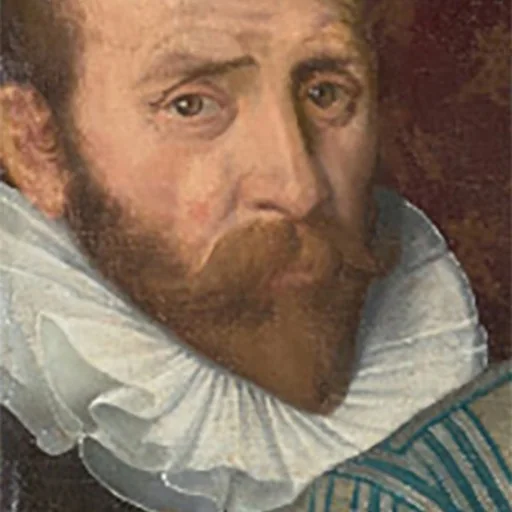
Frans Pourbus the Younger or Frans Pourbus (II) (Antwerp, 1569 – Paris, 1622) was a Flemish painter, specialised in portrait painting.

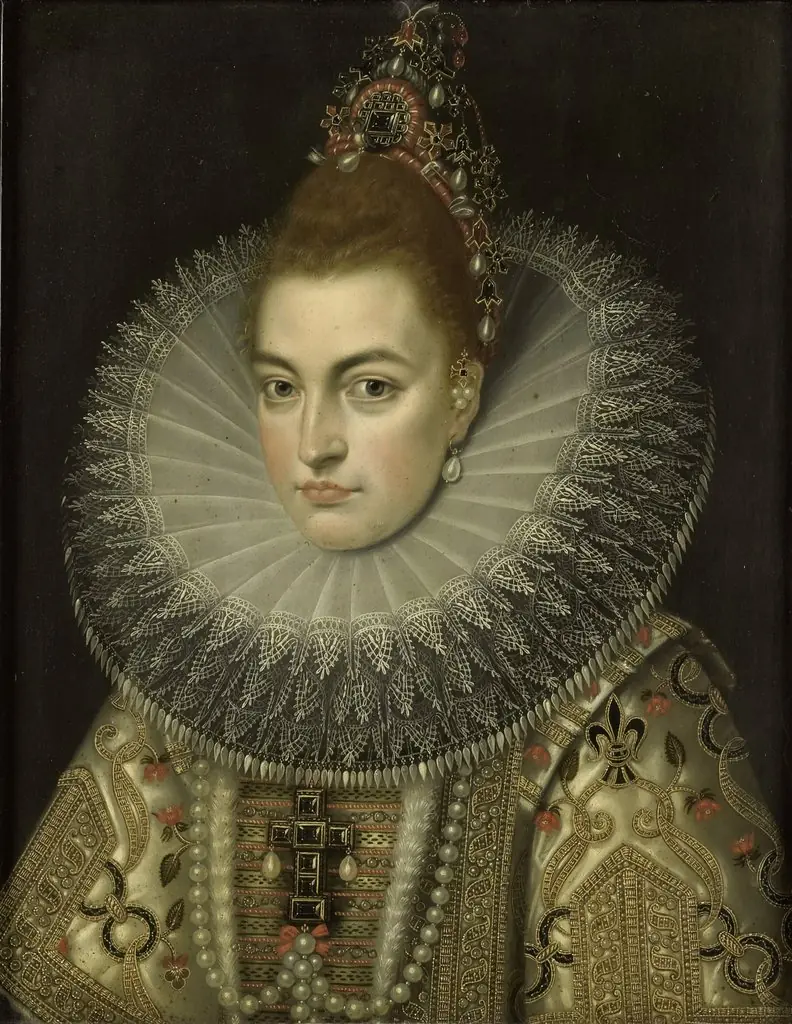
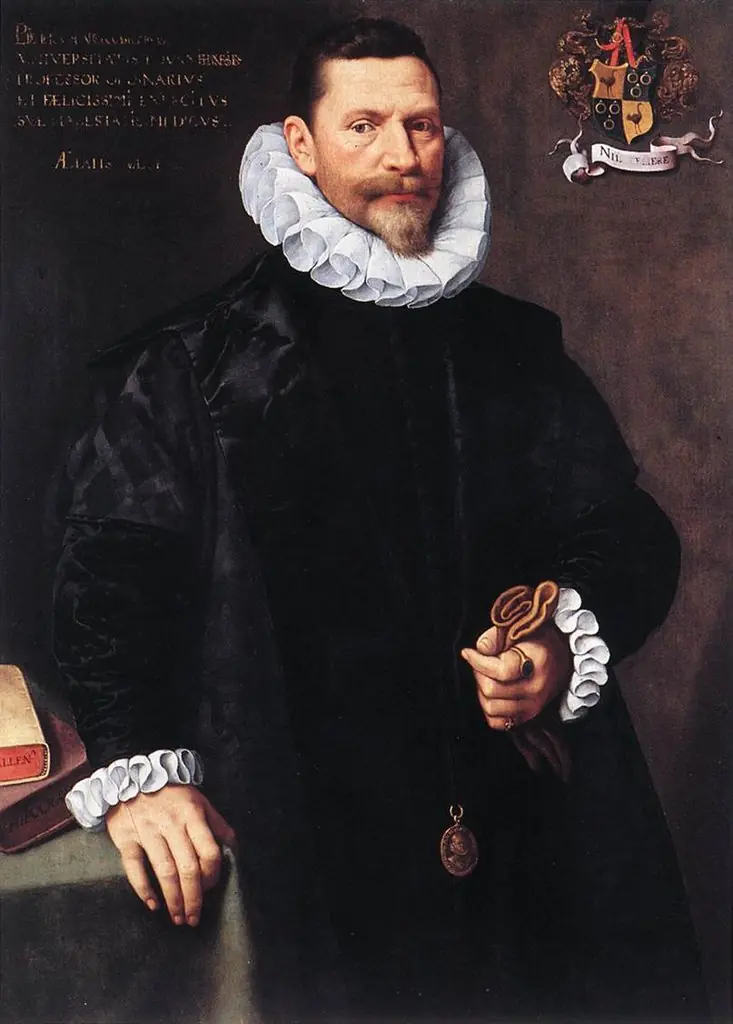
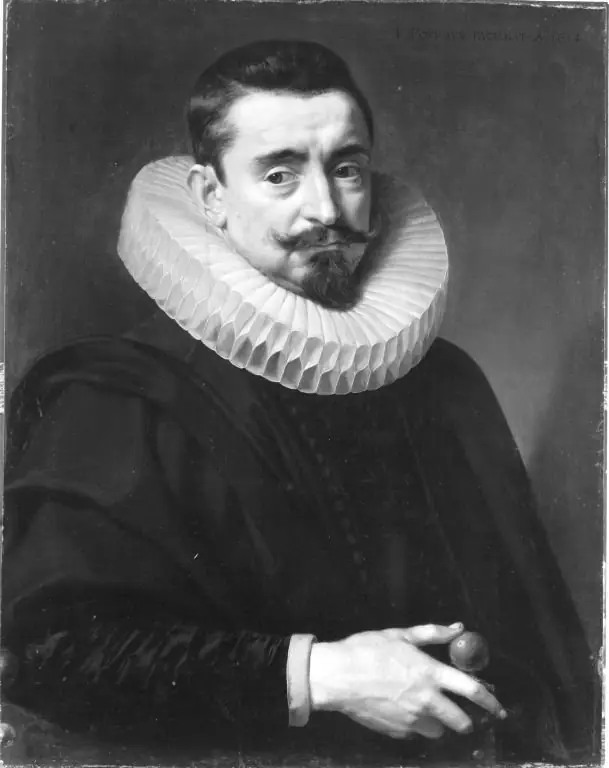
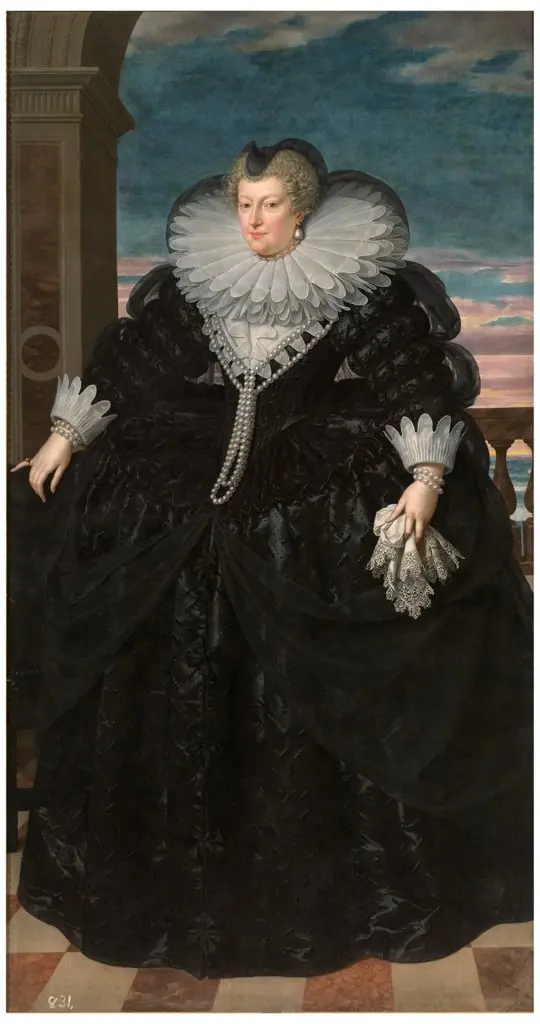
 Henriette von Lothringen (1605-1660)
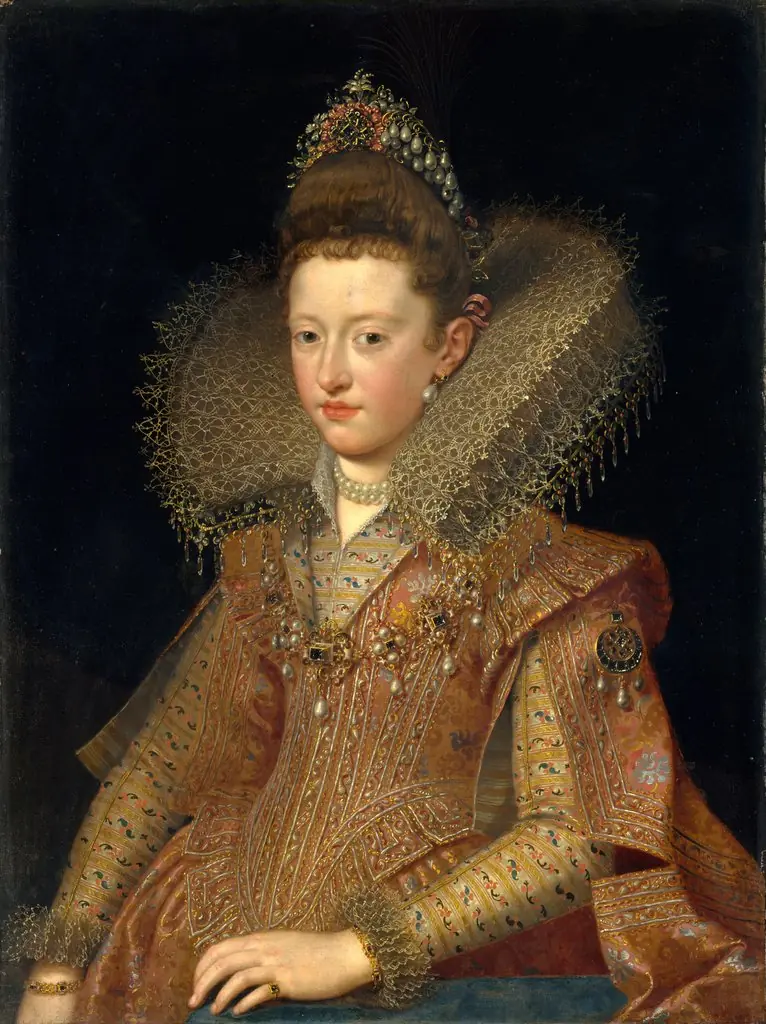
 Portrait of Margaret of Savoy, Duchess of Mantua
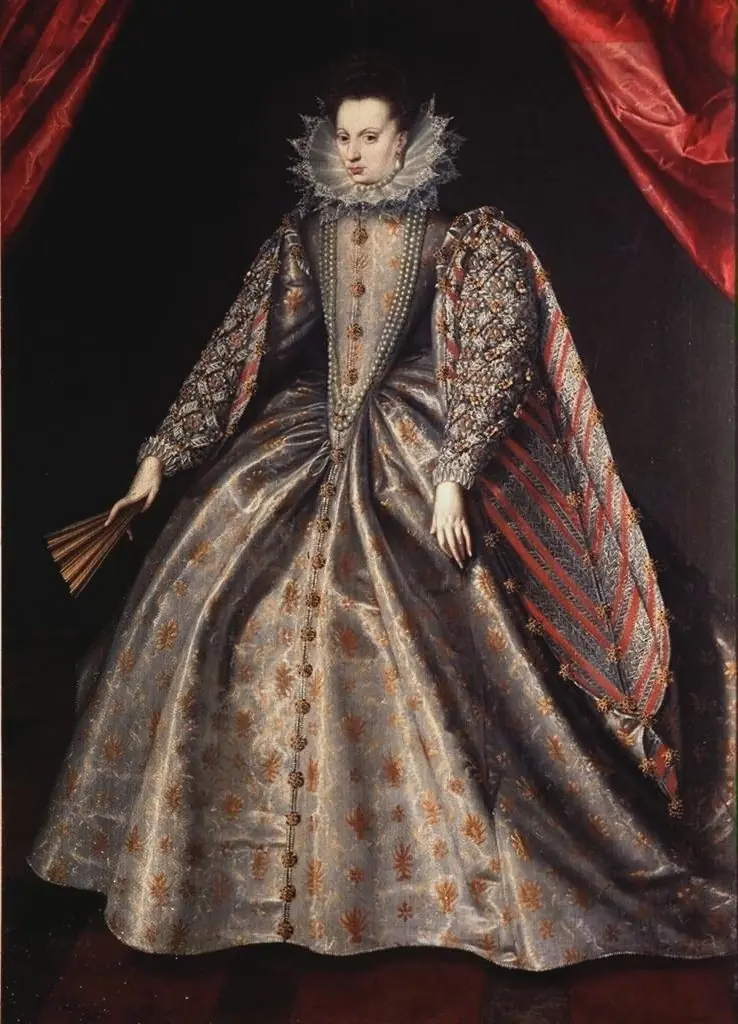 Elisabeth Renata von Lothringen
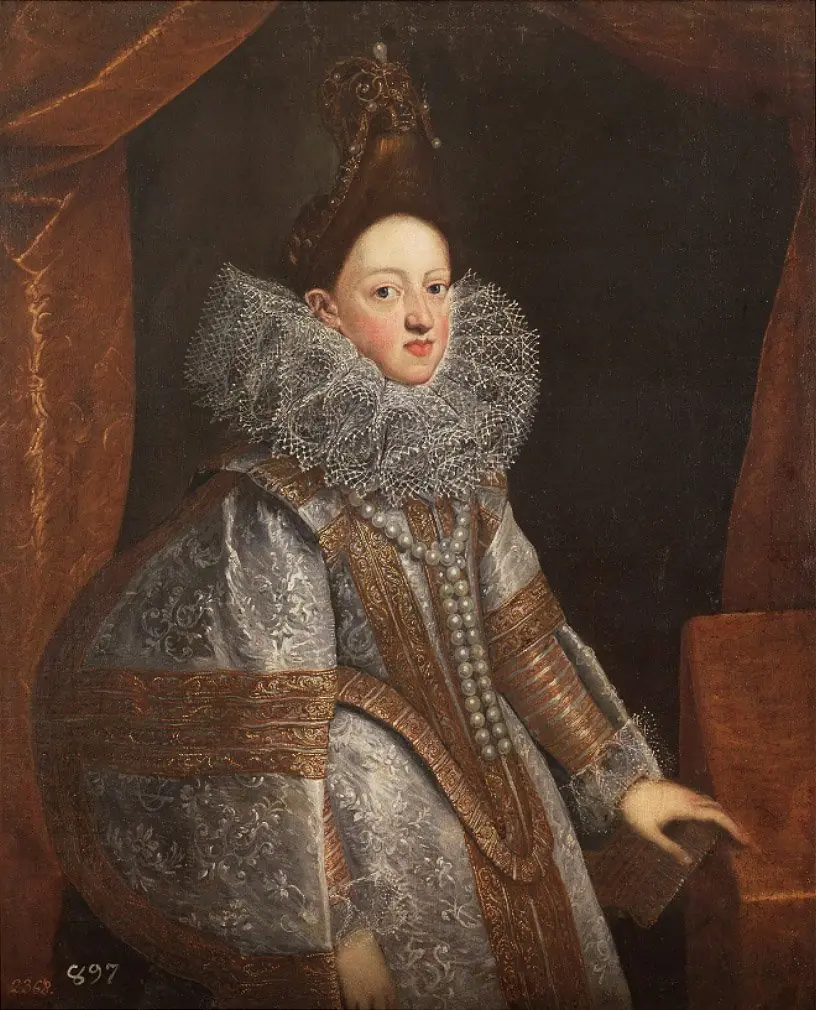 Portrait of Eleanor of Austria
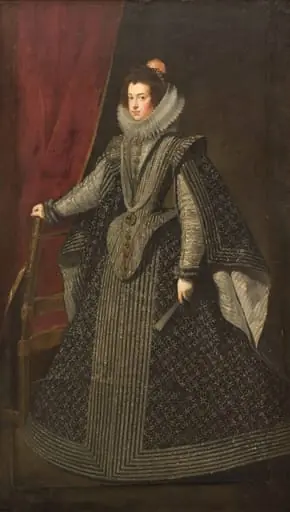 Isabella of Bourbon. First Queen of King Philip IV
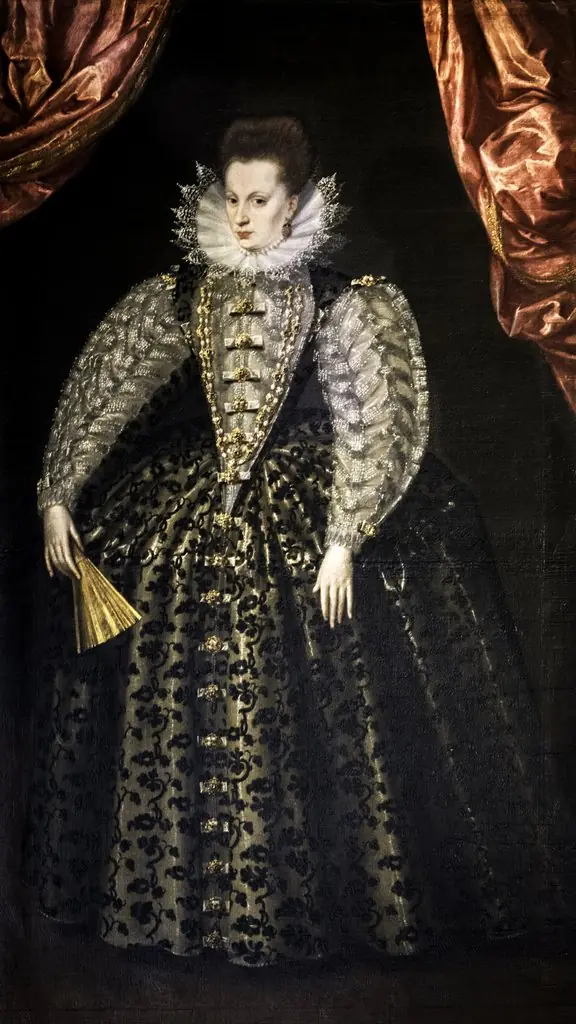 Portrait of Elisabeth Renata von Lothringen, wife of Maximilians I. von Bayern
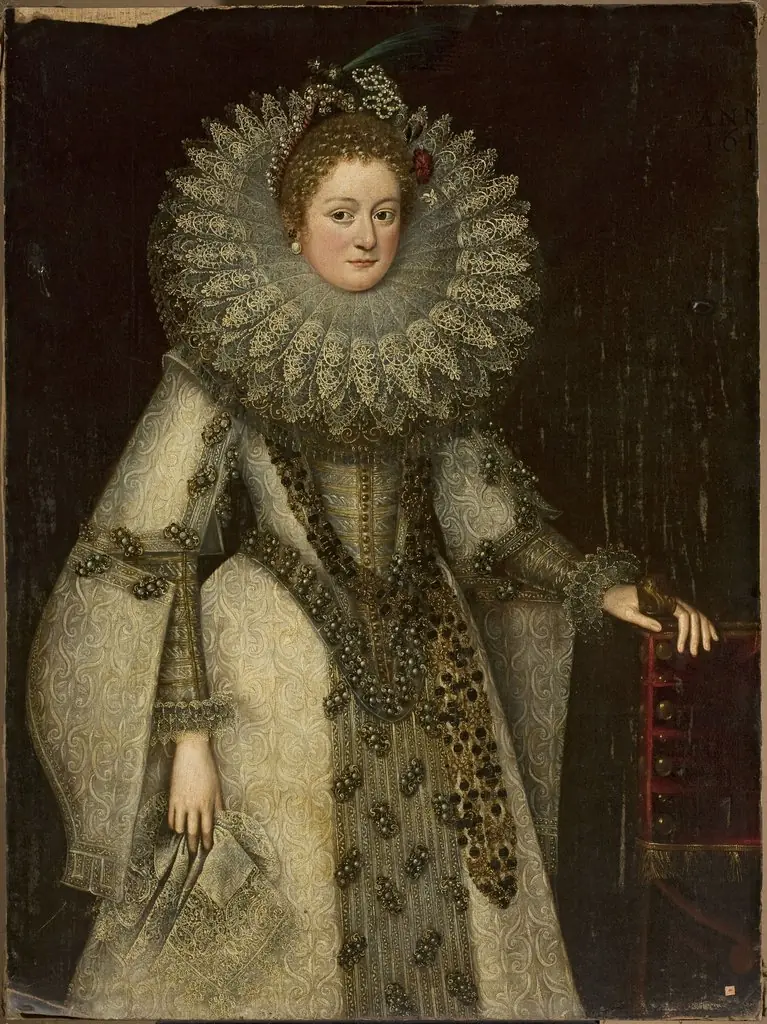 Portrait of a lady in a rich costume leaning on the armchair
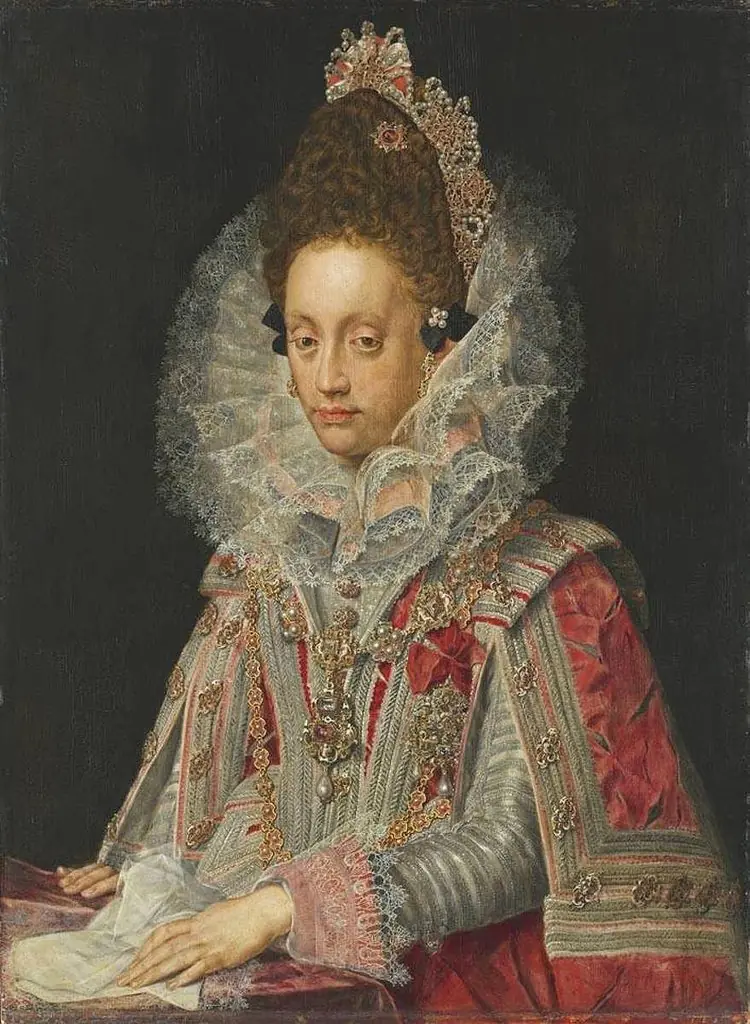 Bildnis der Herzogin Magdalena von Bayern, Gemahlin Herzog Wolfgang Wilhelms von Pfalz-Neuburg, im Hochzeitsstaat (1597-1628)
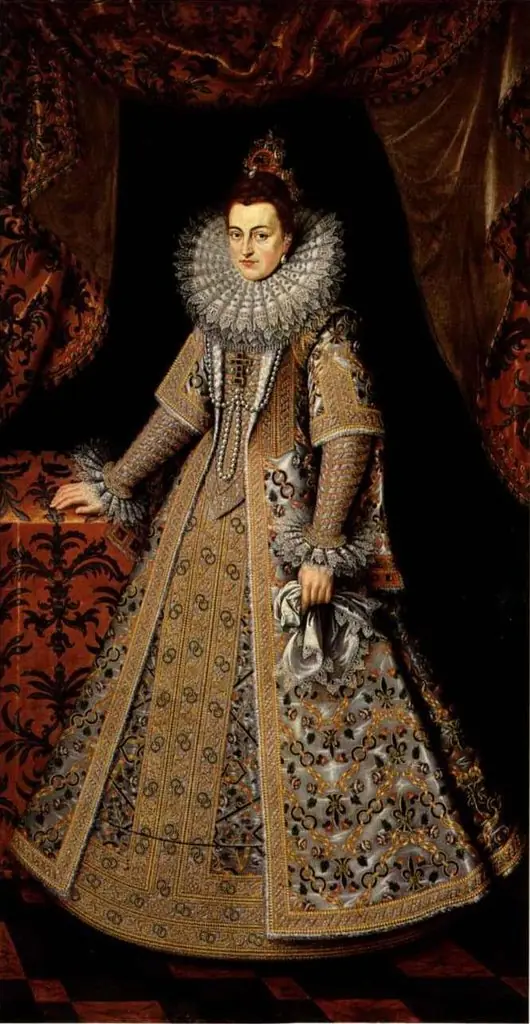 Porträt der Isabella Clara Eugenia (1566-1633)
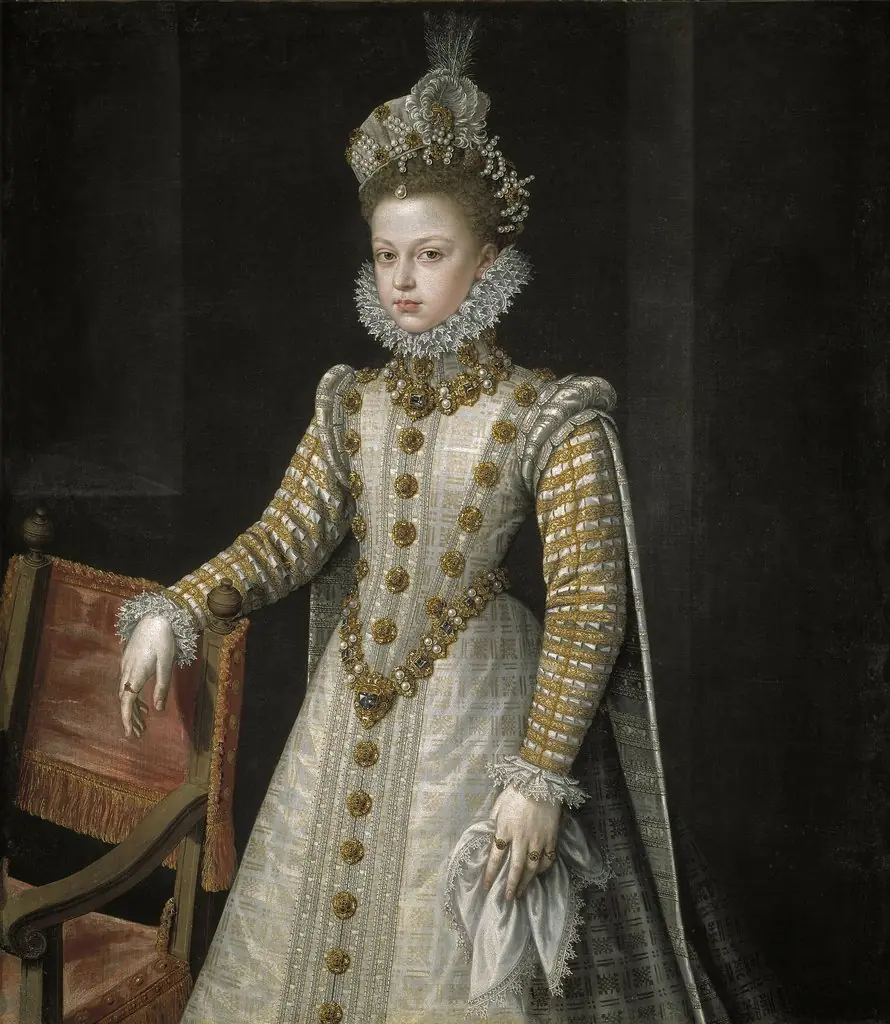 Infanta Isabel Clara Eugenia
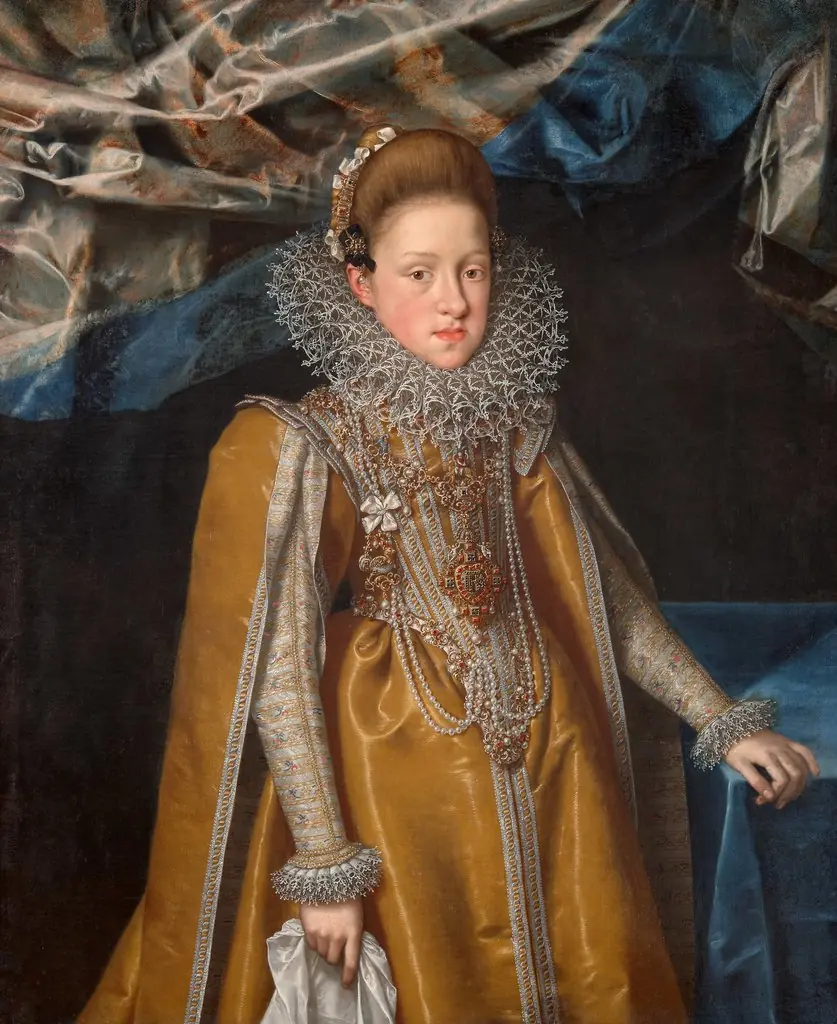 Archduchess Maria Magdalena of Austria
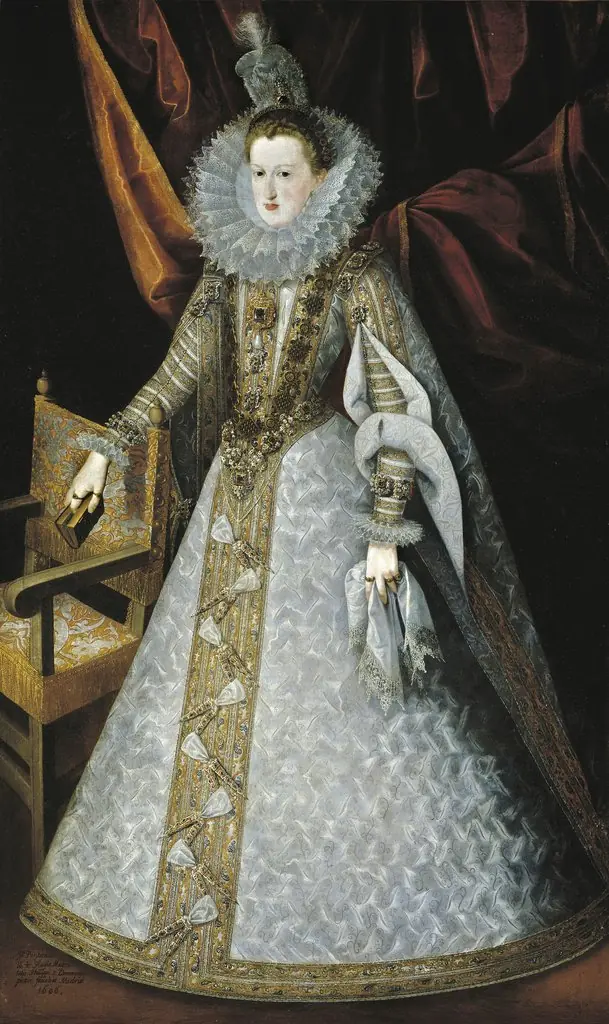 Margaret of Austria