Artwork
Japanese Drawing
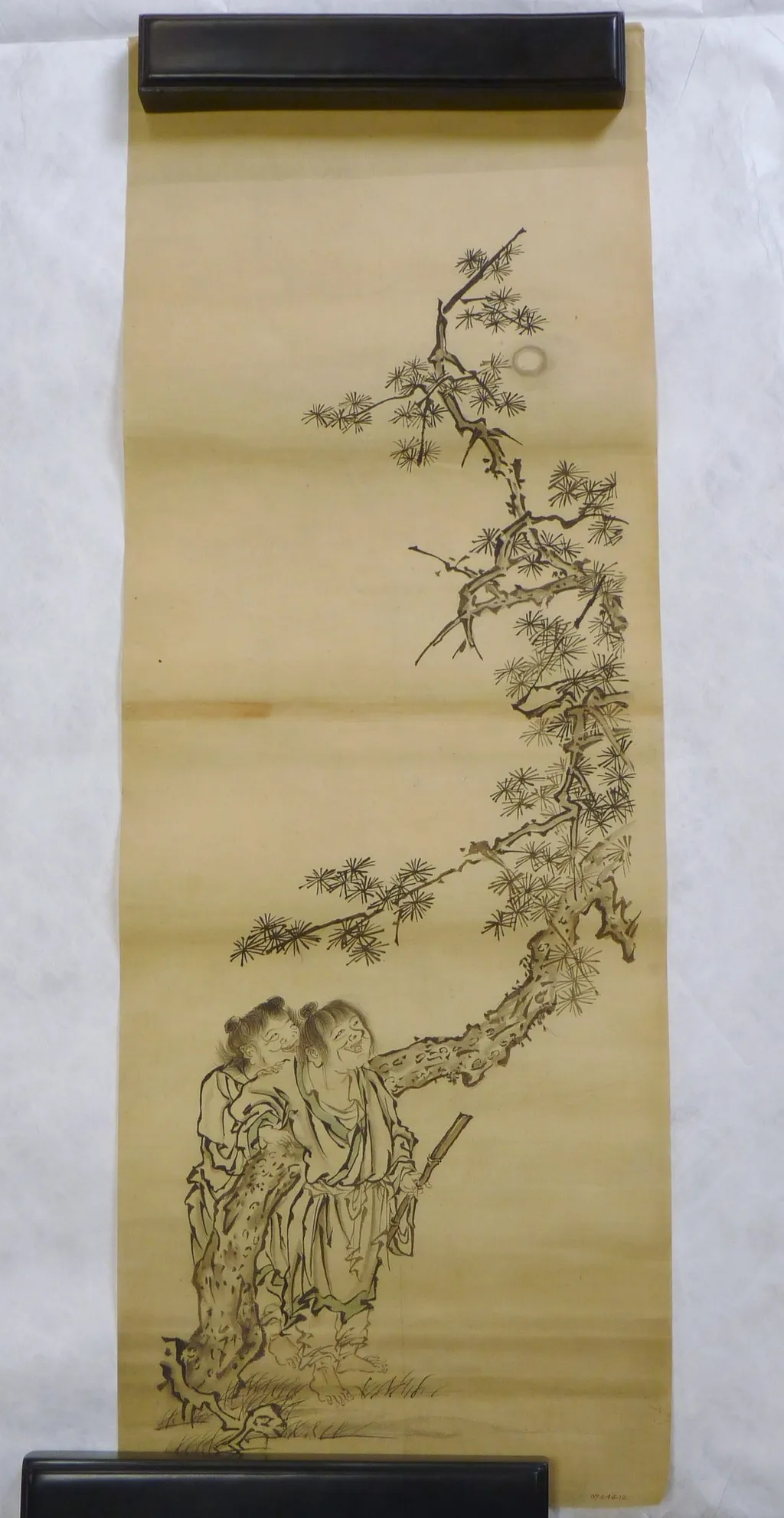
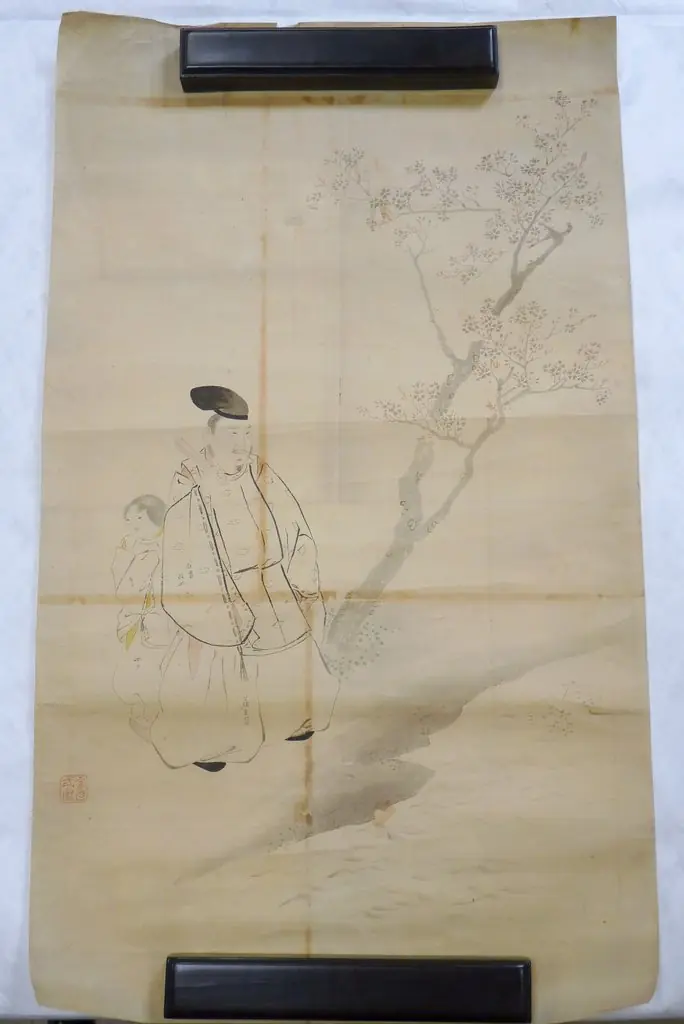
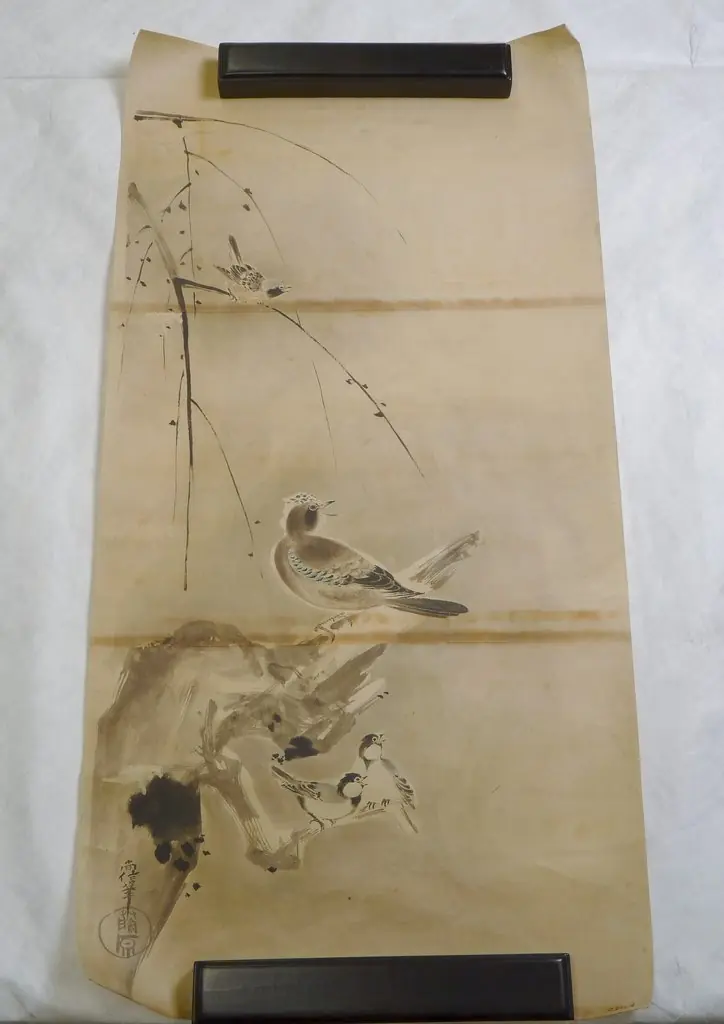
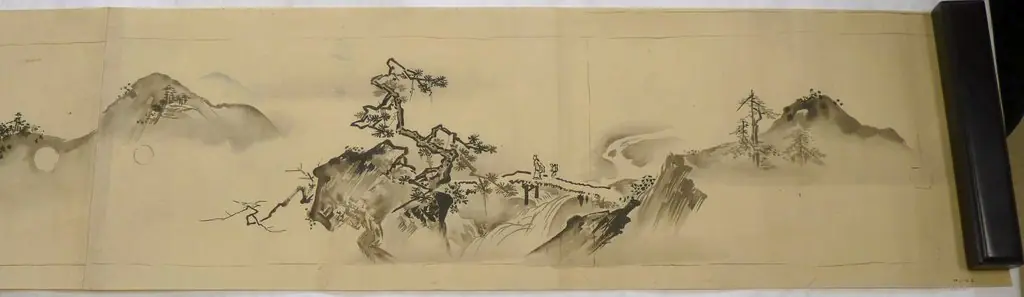
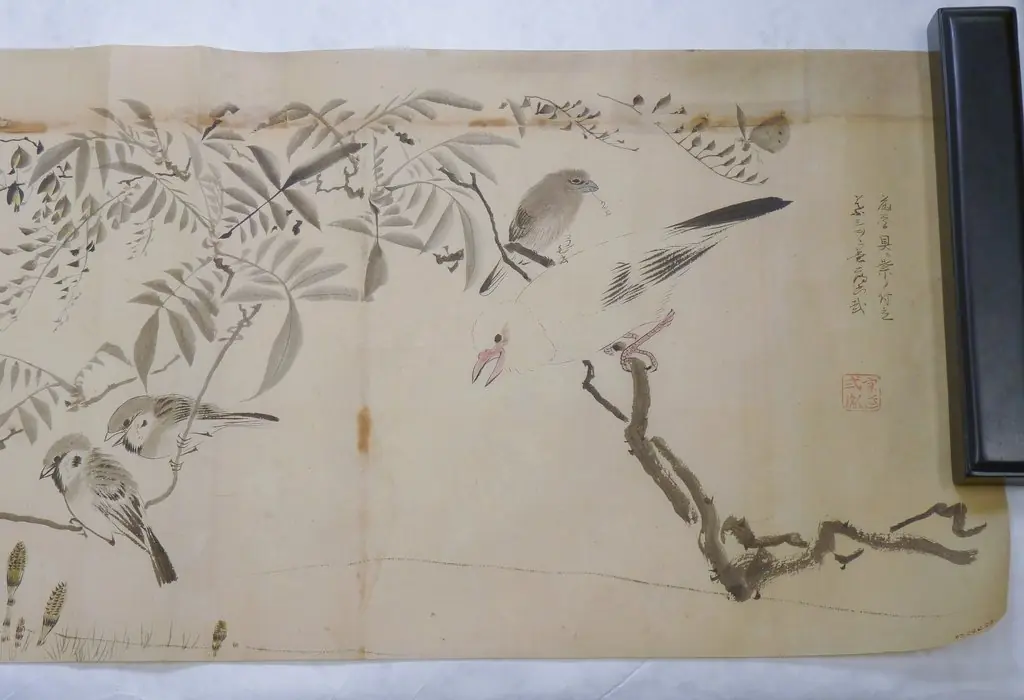
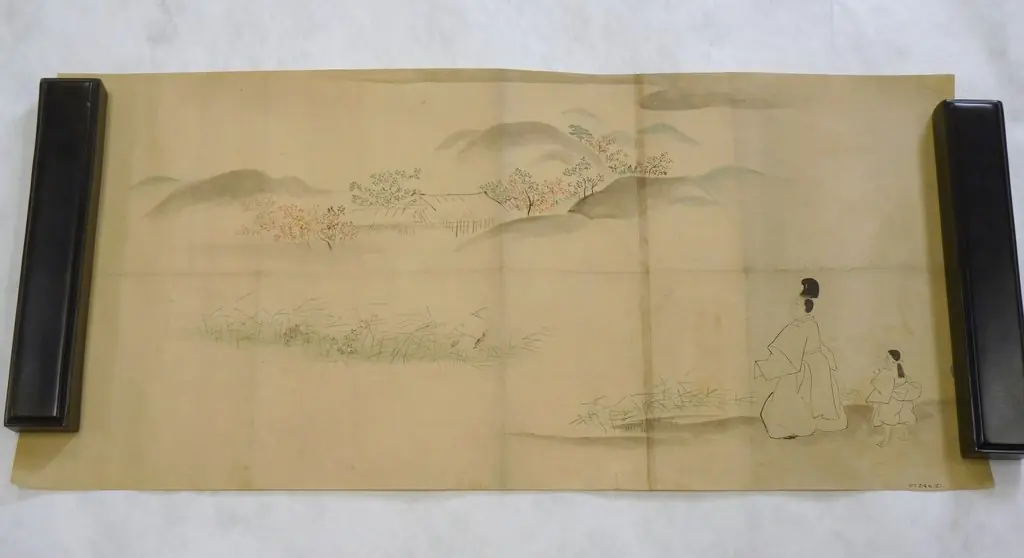
Japanese Drawing is an unspecified painting by the Ukiyo-e artist Unknown. It dates from 1816 and is held in the collection of the Metropolitan Museum of Art. This ink-on-paper work depicts two figures beside a bare, branching tree.
About this work
Overview
This ink-on-paper work depicts two figures beside a bare, branching tree. Rendered in monochrome, the composition uses sparse lines and a muted brown ground to evoke stillness. The absence of color and detail emphasizes form and space, aligning with aesthetic traditions that value restraint and quiet observation.
Subject & Meaning
Two individuals, dressed in traditional attire, stand near a leafless tree—one holding a staff. Their postures suggest contemplation rather than action. The tree, stripped of foliage, may symbolize transience or endurance. The scene invites reflection, possibly referencing seasonal change or spiritual solitude within Japanese cultural thought.
Technique & Style
Executed in fine black ink, the drawing employs clean, deliberate strokes with minimal shading. The light-brown paper serves as a neutral ground, enhancing the contrast of the ink. Forms are simplified, lacking ornamentation or background elements, reflecting a deliberate economy of line characteristic of certain East Asian ink traditions.
History & Provenance
The work’s origin is undocumented, but its materials and style suggest it was created in Japan during a period when ink painting flourished among monastic or scholarly circles. Its preservation in good condition indicates careful handling, though no specific collector or institution is recorded in available records.
Context
This piece aligns with Zen-influenced ink painting practices that emerged in Japan from the 13th century onward. Such works often favored minimalism and natural motifs to convey philosophical ideas. The absence of narrative detail and focus on elemental forms reflect broader artistic values tied to meditation and impermanence.
Legacy
Though not attributed to a known artist, the work exemplifies enduring principles of Japanese ink aesthetics—simplicity, balance, and quiet expression. It contributes to a broader visual language that continues to inform modern interpretations of nature and stillness in East Asian art.
Artist & collection

 Domestic Scene
 Giacomo and Cardinal Marco, investing Andrea, Abbot of San Zeno, with his Benefice
 The Nymph of Fontainebleau
 Portrait of a Woman
 Madonna and Child with Saints in the Enclosed Garden
 Venus and Minerva
 Family Group of Four on Sofa
 Wall painting from Room H of the Villa of P. Fannius Synistor at Boscoreale