Artwork
Portrait of a cleric
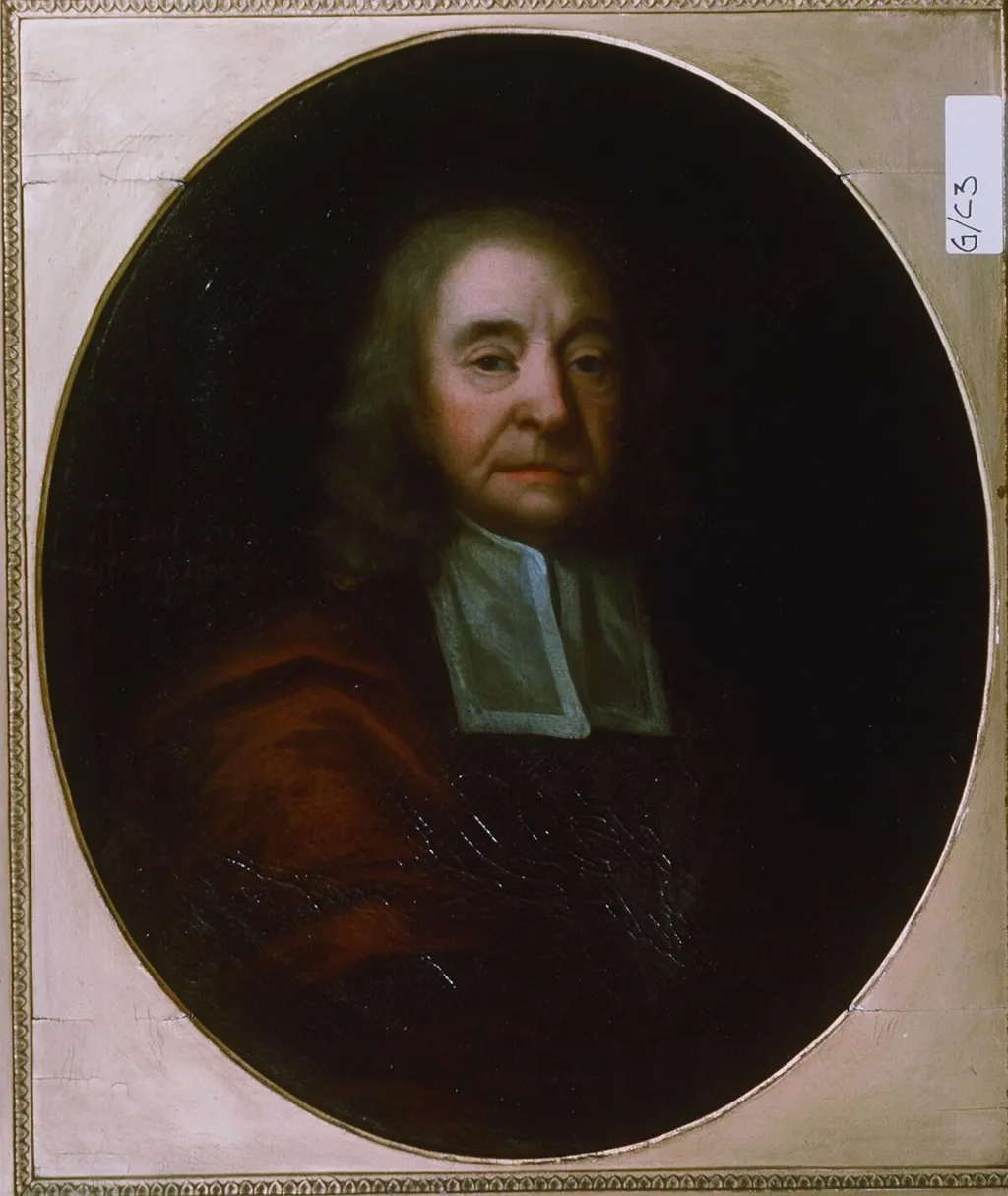
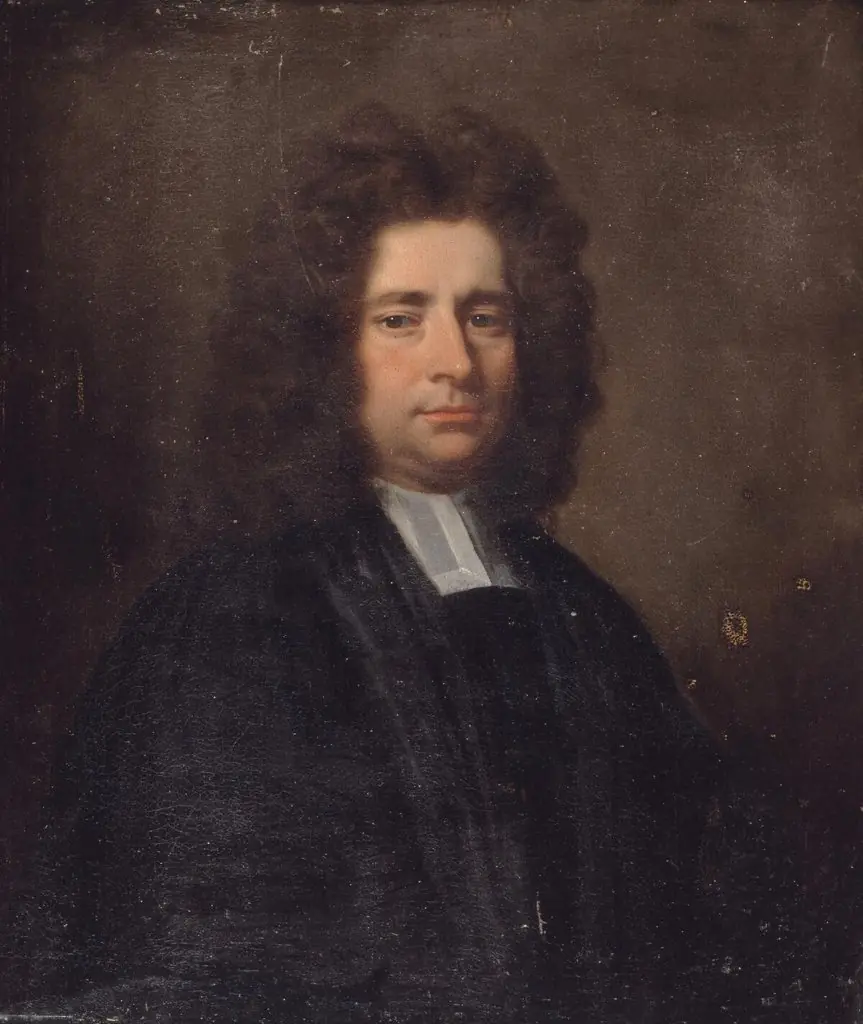
Portrait of a cleric is an oil painting by the Dutch Golden Age artist Unknown. It dates from 1660 and is held in the collection of the National Library of Wales. This oil painting depicts a male cleric, rendered with a focus on facial expression and subtle lighting.
About this work
Overview
This oil painting depicts a male cleric, rendered with a focus on facial expression and subtle lighting. The dark, unadorned background isolates the figure, drawing attention to his features. The medium allows for nuanced texture in the fabric and skin, while the overall composition emphasizes stillness and introspection. The work is part of the collection at the National Library of Wales.
Subject & Meaning
The subject is a clergyman, identified by his white collar and dark robe, suggesting ecclesiastical status. His long, curled hair and contemplative gaze imply a scholarly or devotional role. The absence of symbols or setting invites interpretation centered on inner life rather than external authority, reflecting a quiet, personal piety common in early modern portraiture.
Technique & Style
The artist employs chiaroscuro to model the face and hands with soft gradations of light and shadow, enhancing three-dimensionality. Oil paint is used to build layered surfaces, particularly in the folds of the robe and the sheen of the collar. Brushwork is restrained, prioritizing realism over ornamentation, aligning with Northern European traditions of intimate portraiture.
History & Provenance
The painting resides in the National Library of Wales, though its origin and early ownership remain undocumented. It likely dates to the late 16th or early 17th century, based on costume and technique. No record of the artist or commission survives, suggesting it may have been a private or local commission rather than a major ecclesiastical portrait.
Context
During the period of its creation, religious portraiture in Britain often emphasized sobriety and moral gravity, especially after the Reformation. Secular and clerical figures were increasingly depicted with psychological depth rather than symbolic attributes. This work fits within that trend, reflecting a shift toward individualized representation in religious communities.
Legacy
Though not widely exhibited or studied, the painting contributes to the understanding of regional portraiture in early modern Wales. Its preservation in a national library underscores its value as a historical document of clerical identity. It remains a quiet example of how personal presence was captured in religious imagery beyond formal iconography.
Artist & collection

 Domestic Scene
 Giacomo and Cardinal Marco, investing Andrea, Abbot of San Zeno, with his Benefice
 The Nymph of Fontainebleau
 Portrait of a Woman
 Madonna and Child with Saints in the Enclosed Garden
 Venus and Minerva
 Family Group of Four on Sofa
 Wall painting from Room H of the Villa of P. Fannius Synistor at Boscoreale
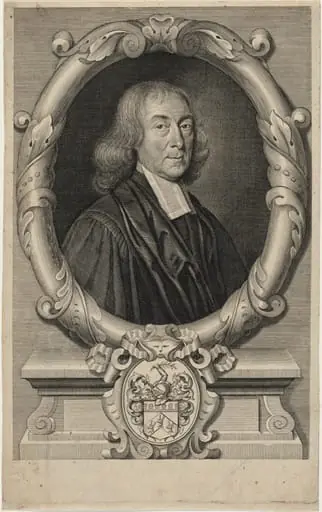 Benjamin Woodroffe, R.R.S., Canon of Christ Church, Oxford
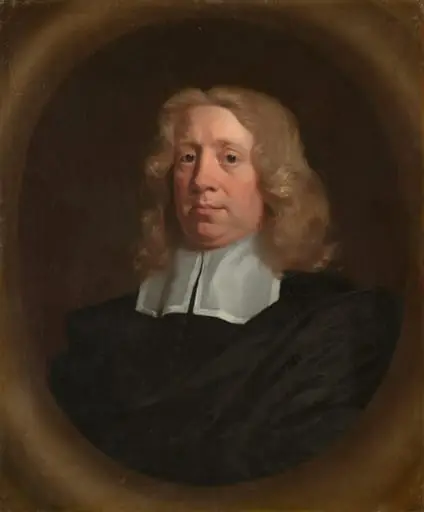 John Eldred
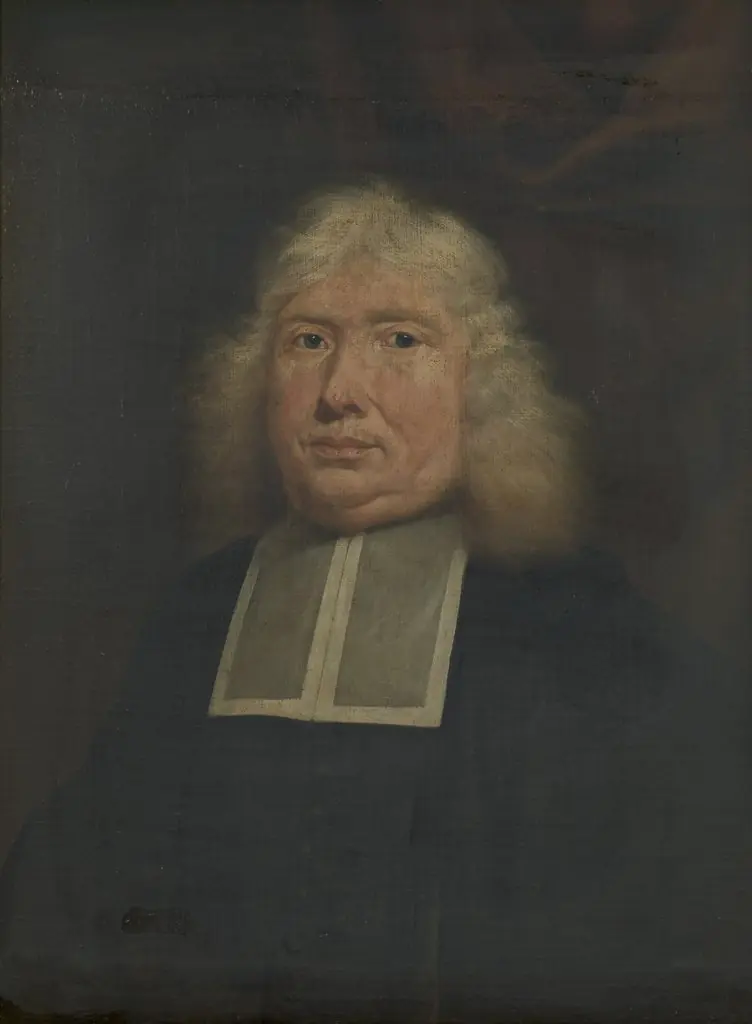 Jan Baptist van Caukercken, Chaplain of the Guild of Saint Luke
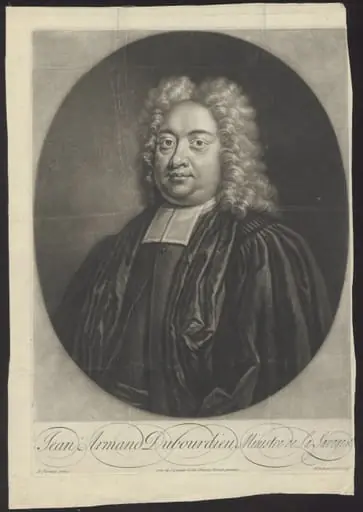 Portrait of Jean Armand Dubourdieu, Ministre de la Savoye
 Unknown clergyman
 Portrait of a man in a grey wig
 Ulrik Frederik Gyldenløve
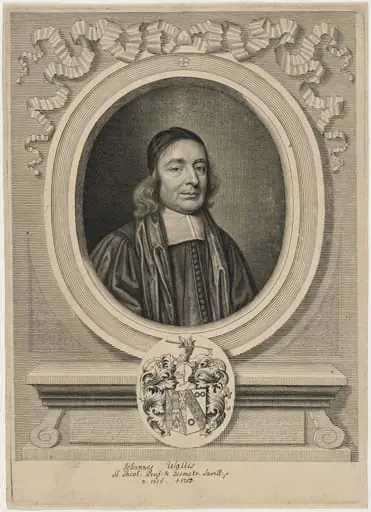 John Wallis, Mathematician
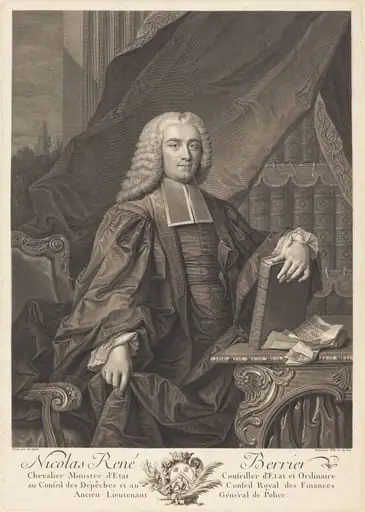 Nicolas Rene Berryer
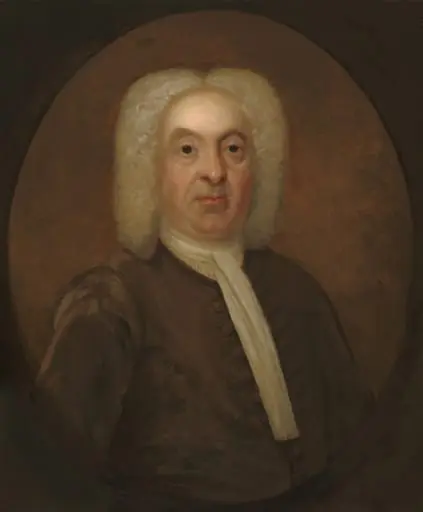 Portrait of a Gentleman
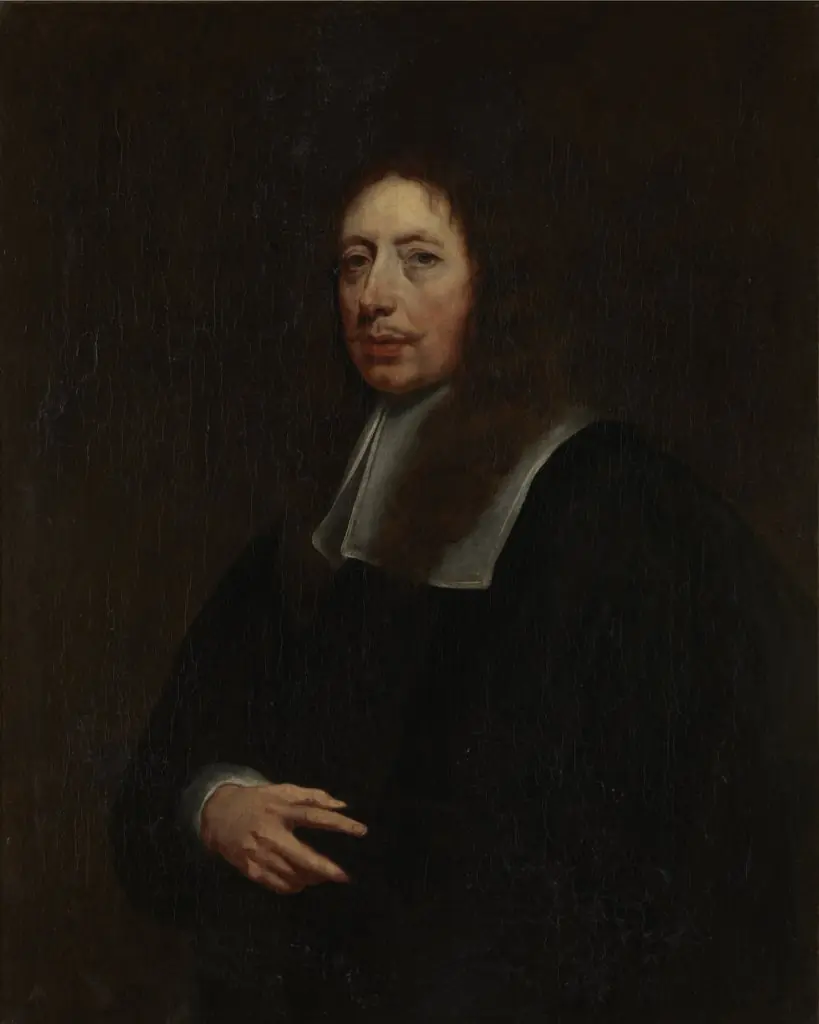 Maximus Gerardi
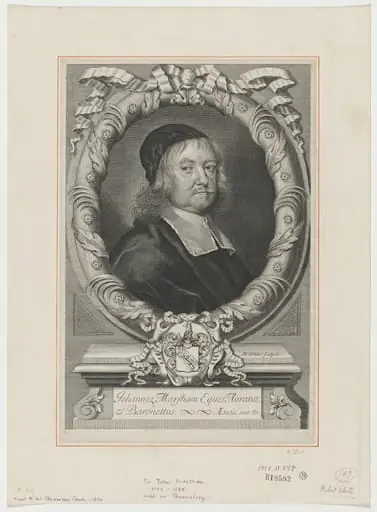 Sir John Marsham, Writer on Chronology