Artwork
Benjamin Woodroffe, R.R.S., Canon of Christ Church, Oxford
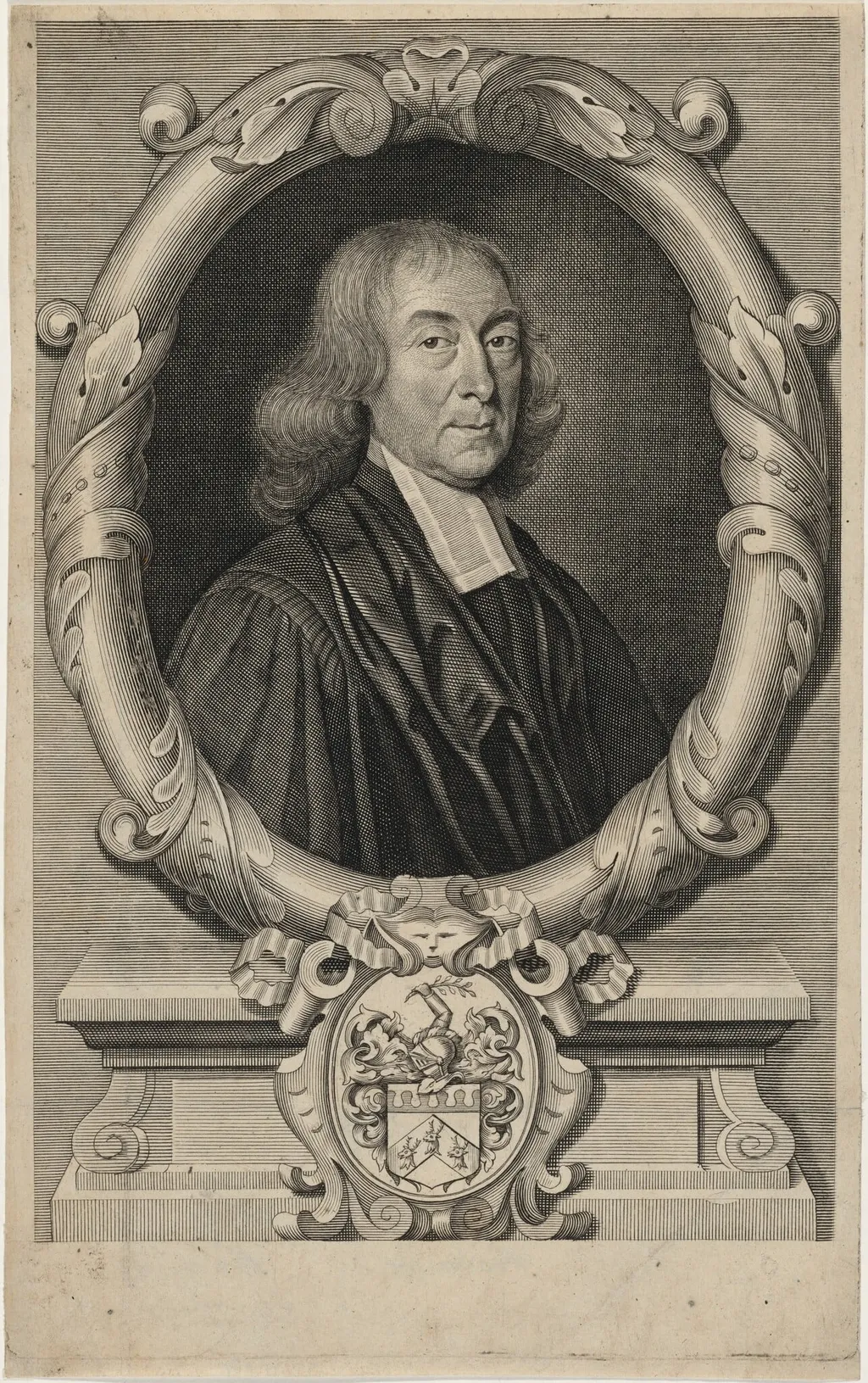
Benjamin Woodroffe, R.R.S., Canon of Christ Church, Oxford is an ink print by the Baroque artist Robert White. It dates from 1674 and is held in the collection of the National Gallery of Art.
About this work
Overview
Executed in fine line work, the portrait captures Woodroffe in formal ecclesiastical attire, with attention to textual detail in fabric and hair.
This 1674 engraving by Robert White portrays Benjamin Woodroffe, a canon of Christ Church, Oxford. Executed in fine line work, the portrait captures Woodroffe in formal ecclesiastical attire, with attention to textual detail in fabric and hair. The image is framed by ornamental scrollwork, typical of academic portraiture of the period. White, trained under David Loggan, employed techniques refined in vellum drawing to achieve precision in print.
Subject & Meaning
Benjamin Woodroffe is depicted as a learned churchman, his serious expression and high collar signaling his clerical status. The inclusion of a heraldic shield beneath him—featuring a lion and botanical motifs—affirms his family lineage and social standing. The portrait functions not as mere likeness but as a statement of institutional identity, aligning Woodroffe with the scholarly and ecclesiastical traditions of Oxford.
Technique & Style
White used fine, controlled engraving lines to model form and texture, particularly in the folds of the coat and the curl of the hair. Shadows are built through cross-hatching rather than tone, a hallmark of his training under Loggan. The background scrollwork is delicately incised, framing the figure without distraction. The absence of color emphasizes clarity and detail, aligning with the era’s preference for intellectual precision over decorative flourish.
History & Provenance
Created in 1674, the engraving emerged from London’s growing print culture, where academic and ecclesiastical figures were commonly commemorated in portraiture. White, a London-based engraver, specialized in translating his vellum drawings into printed form. The work likely circulated among Oxford’s academic circles, serving as a record of institutional personnel during a period of post-Civil War cultural reestablishment.
Context
In late 17th-century England, portrait engravings were vital for disseminating the likenesses of clergy, scholars, and nobility. Woodroffe’s image reflects the broader trend of using print to reinforce social and institutional hierarchies. The style, rooted in Loggan’s meticulous approach, contrasts with more flamboyant continental traditions, underscoring England’s preference for restrained, detailed representation in academic portraiture.
Legacy
White’s engraving stands as an example of the transition from hand-drawn portraiture to printed reproduction in English academic life. While not widely known today, it exemplifies the craftsmanship of a generation of engravers who preserved the visual record of Oxford’s clergy. Its survival in institutional collections attests to its role as a documentary artifact rather than a work of artistic novelty.
Artist & collection
Artist
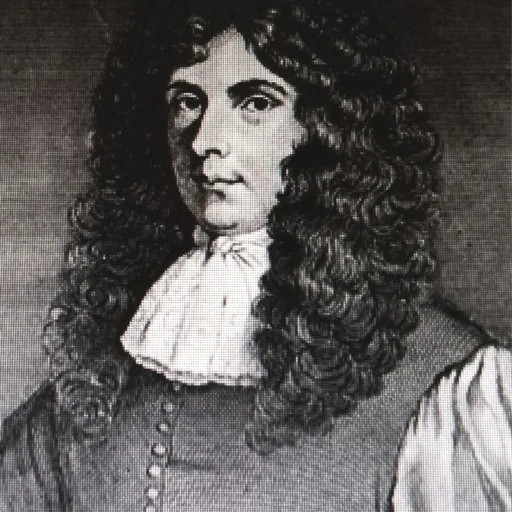
Robert White (1645 – 1703) was an English draughtsman and engraver. A Londoner, he was a pupil of David Loggan, and became a leading portrait engraver. White was celebrated for his original portraits, drawn in pencil on…

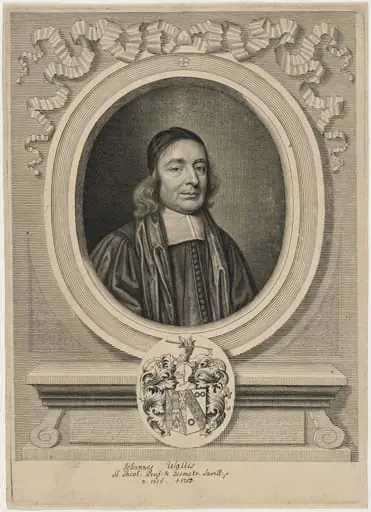 John Wallis, Mathematician
 H Beard Print Collection
 Nicolas Rene Berryer
 Thomas Prince, A. M.
 Cotton Mather
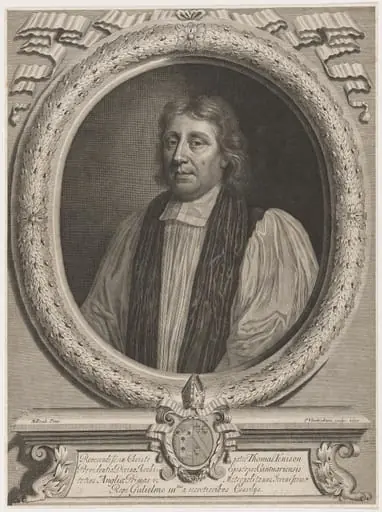 Thomas Tenison, Archbishop of Canterbury
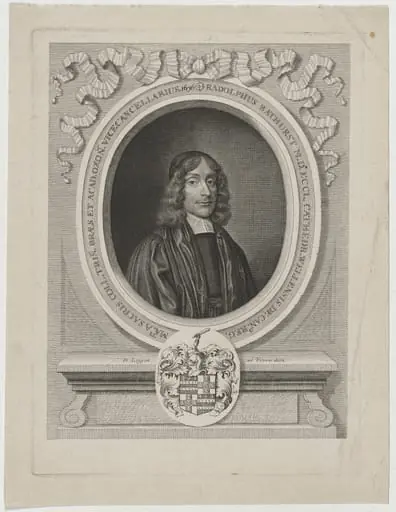 Ralph Bathurst, Dean of Wells
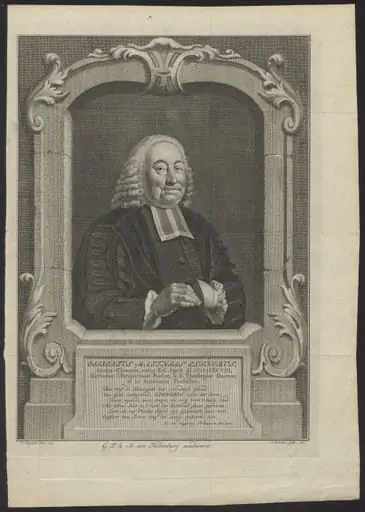 Portrait of Gisbertus Matthias Elsnerus
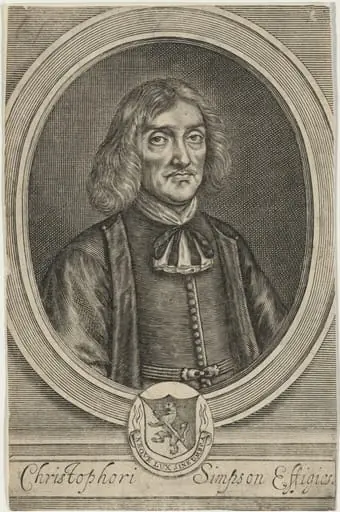 Christopher Chelys Simpson
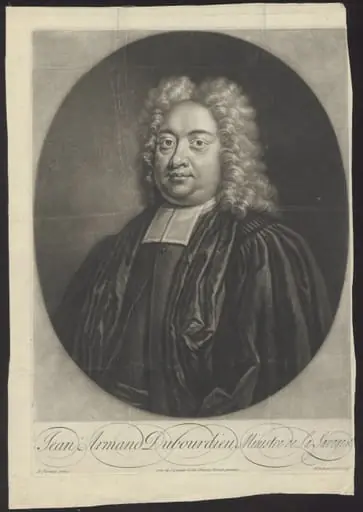 Portrait of Jean Armand Dubourdieu, Ministre de la Savoye
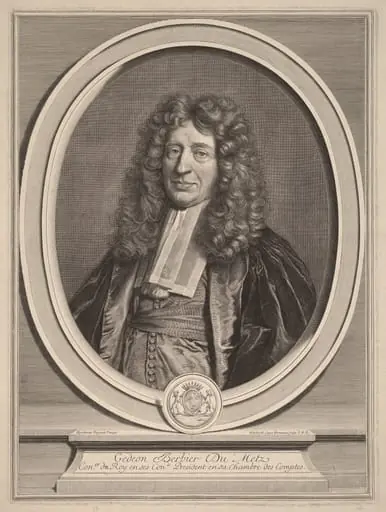 Gedeon Berbier-Du Metz
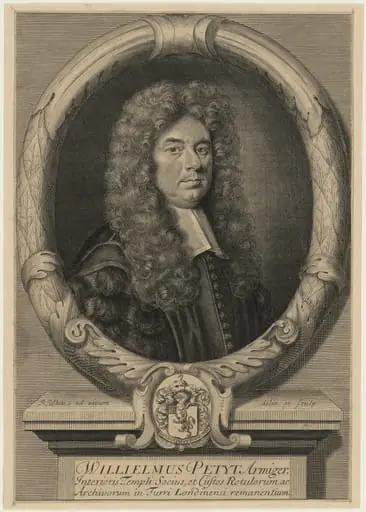 William Petyt, Keeper of the Records in the Tower