Artwork
Sir John Marsham, Writer on Chronology
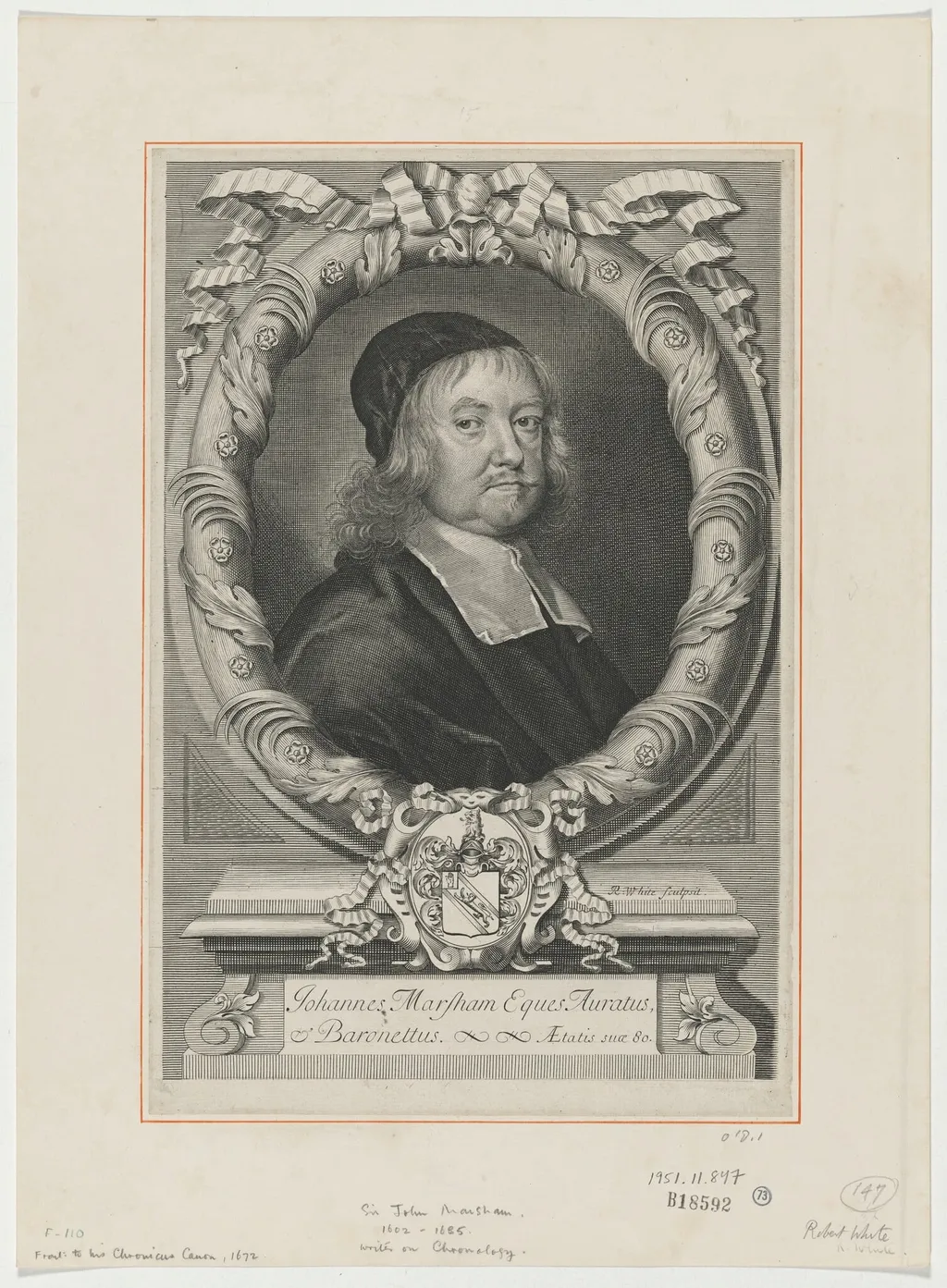
Sir John Marsham, Writer on Chronology is an ink print by the Baroque artist Robert White. It dates from 1672 and is held in the collection of the National Gallery of Art.
About this work
Overview
This 1672 engraving by Robert White presents a portrait of Sir John Marsham, a scholar known for his work on chronology. The black-and-white print depicts Marsham in a formal, serious demeanor.
Subject & Meaning
Sir John Marsham is portrayed wearing a dark coat and lace collar, with shoulder-length curly hair and a stern expression. The surrounding ornate frame includes a shield, scrolls, and a Latin banner identifying Marsham and his age, emphasizing his scholarly and possibly noble status.
Technique & Style
The engraving reflects White's training under David Loggan, evident in its execution. While known for pencil-on-vellum drawings in Loggan’s style, this work showcases White's skill in engraving, a medium requiring precise line work to achieve detailed prints.
History & Provenance
Created in 1672, the engraving is part of the late 17th-century English portrait tradition. It is signed by Robert White, who died in 1703 in Bloomsbury Market under reduced circumstances.
Context
The piece situates itself within the broader context of 17th-century English portraiture, where such detailed engravings served to document and honor the likenesses of notable figures like Marsham.
Legacy
While specific lasting impacts of this engraving on art history are not highlighted, it remains a representative example of late 17th-century English portrait engraving and Robert White's contributions to the field.
Artist & collection
Artist
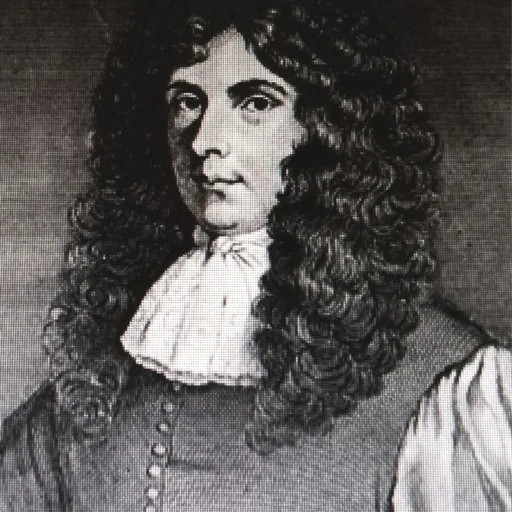
Robert White (1645 – 1703) was an English draughtsman and engraver. A Londoner, he was a pupil of David Loggan, and became a leading portrait engraver. White was celebrated for his original portraits, drawn in pencil on…

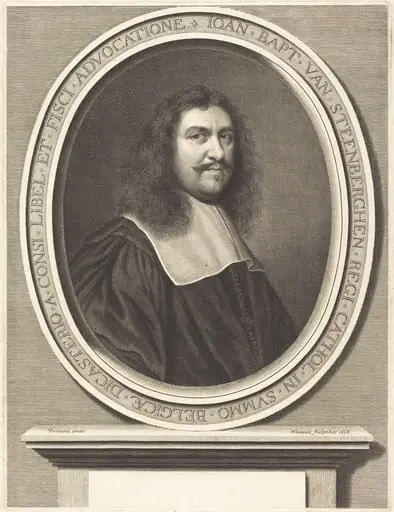 Jean-Baptiste van Steenberghen
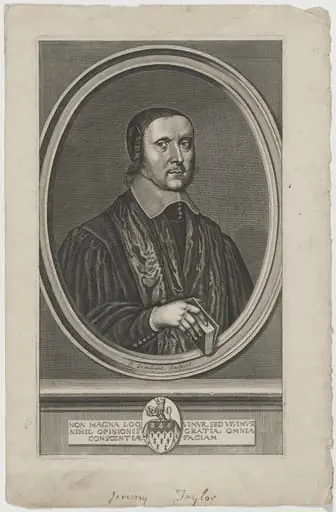 Jeremy Taylor, Bishop of Down, Connor and Dromore
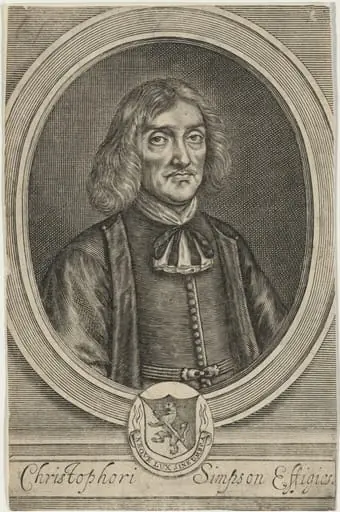 Christopher Chelys Simpson
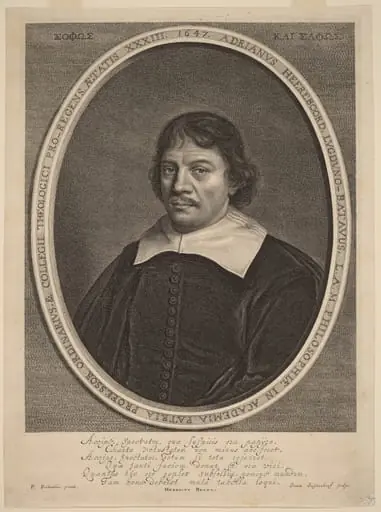 Adriaen Heereboord
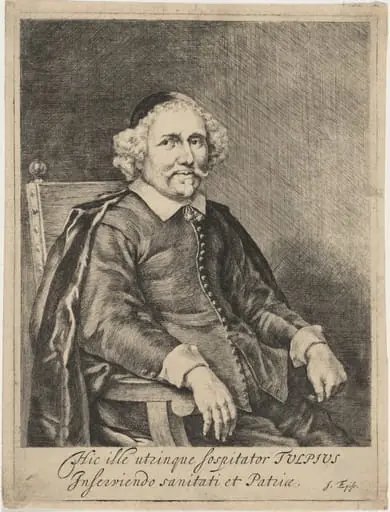 Nicolaes Pietersz Tulp
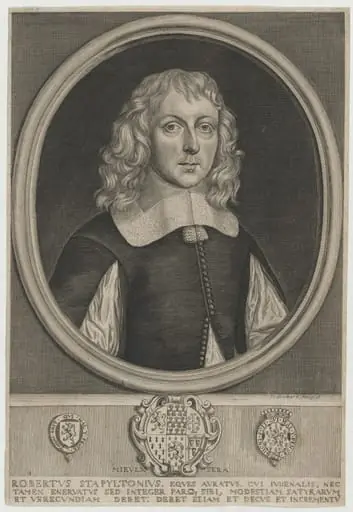 Sir Robert Stapylton, Dramatic Poet and Translator
 Self-Portrait
 Self-Portrait
 Michel Larcher
 Self-Portrait
 Henri-Auguste de Loménie Comte de Brienne
 John Wallis, Mathematician