Artwork
Pietà
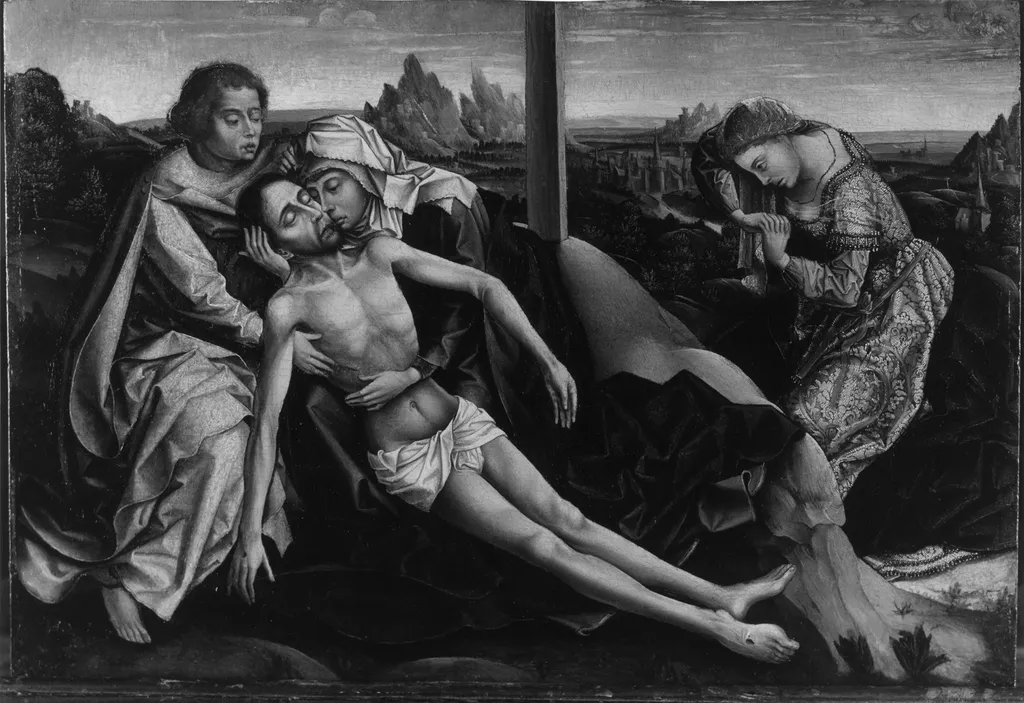
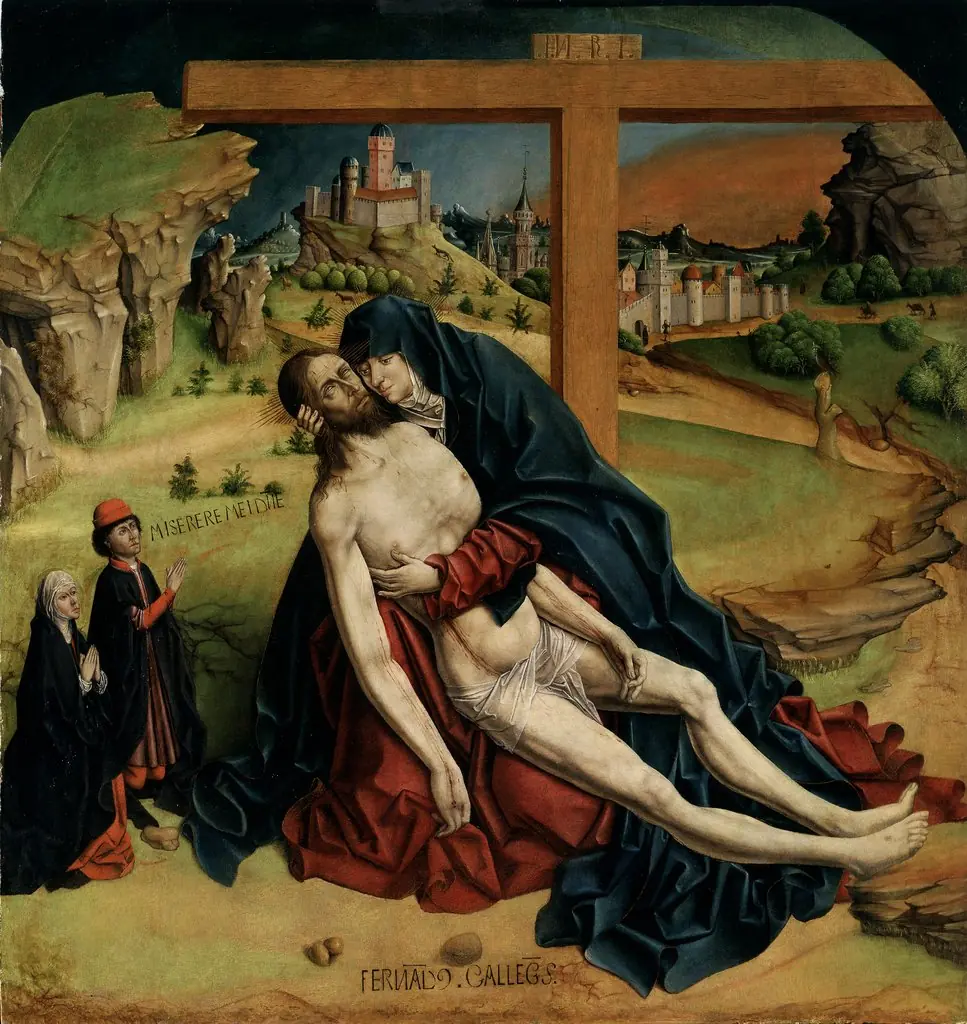
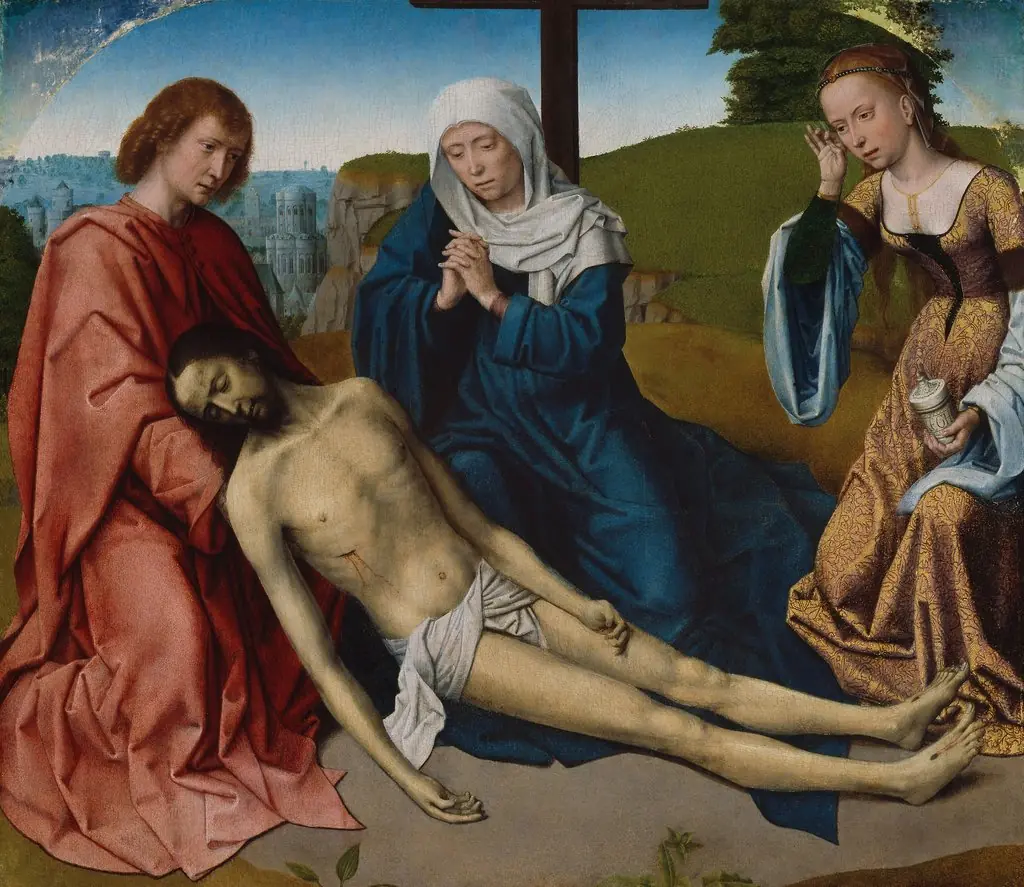
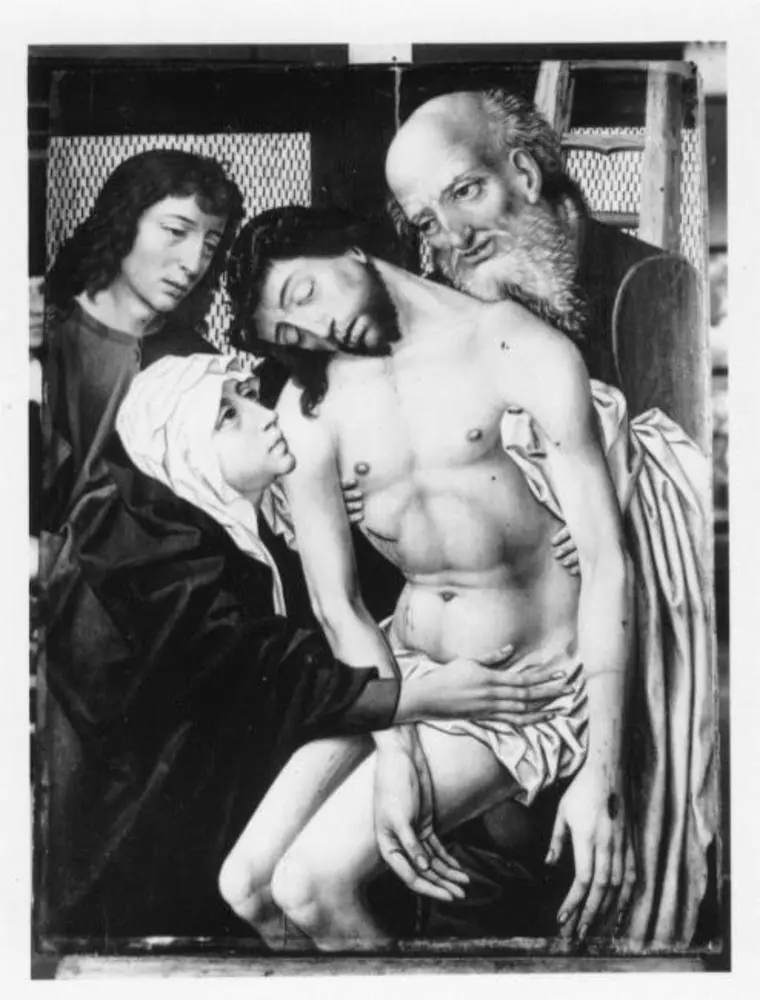
Pietà is an oil painting by the Northern Renaissance artist Unknown. It dates from 1450 and is held in the collection of the Walters Art Museum. This oil painting depicts the Virgin Mary cradling the lifeless body of Jesus after his crucifixion.
About this work
Overview
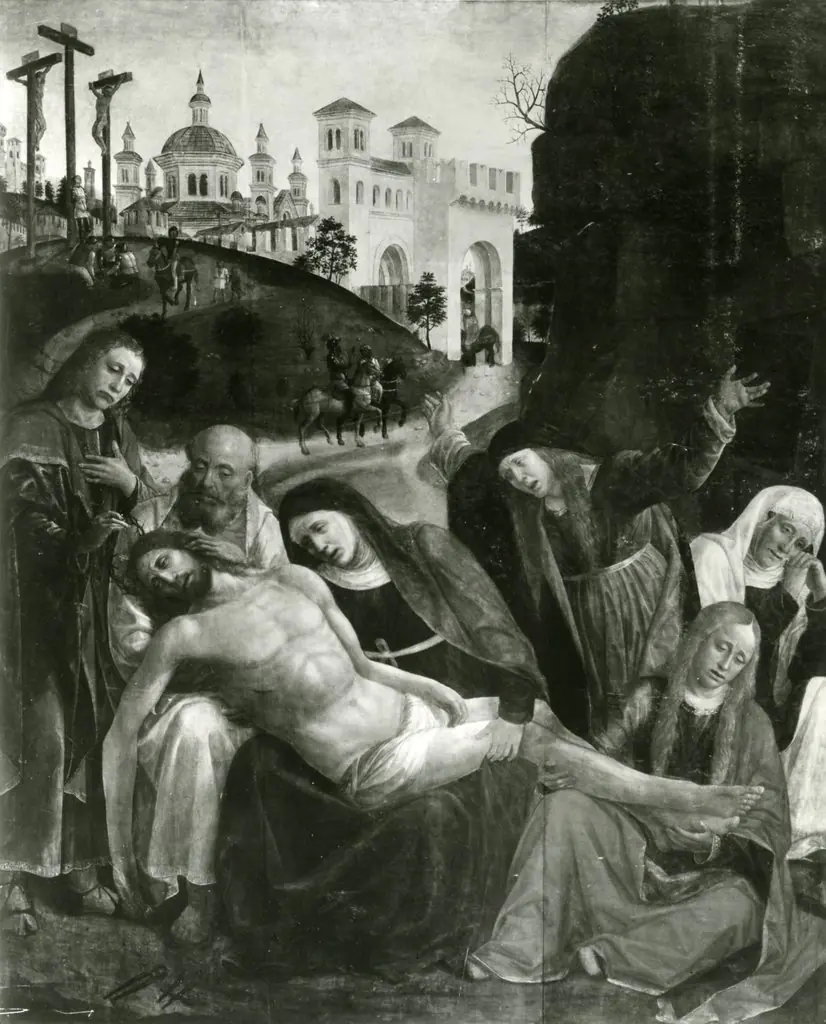
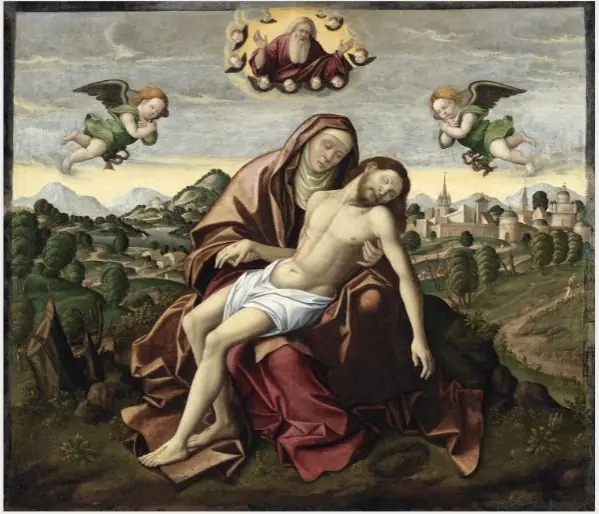
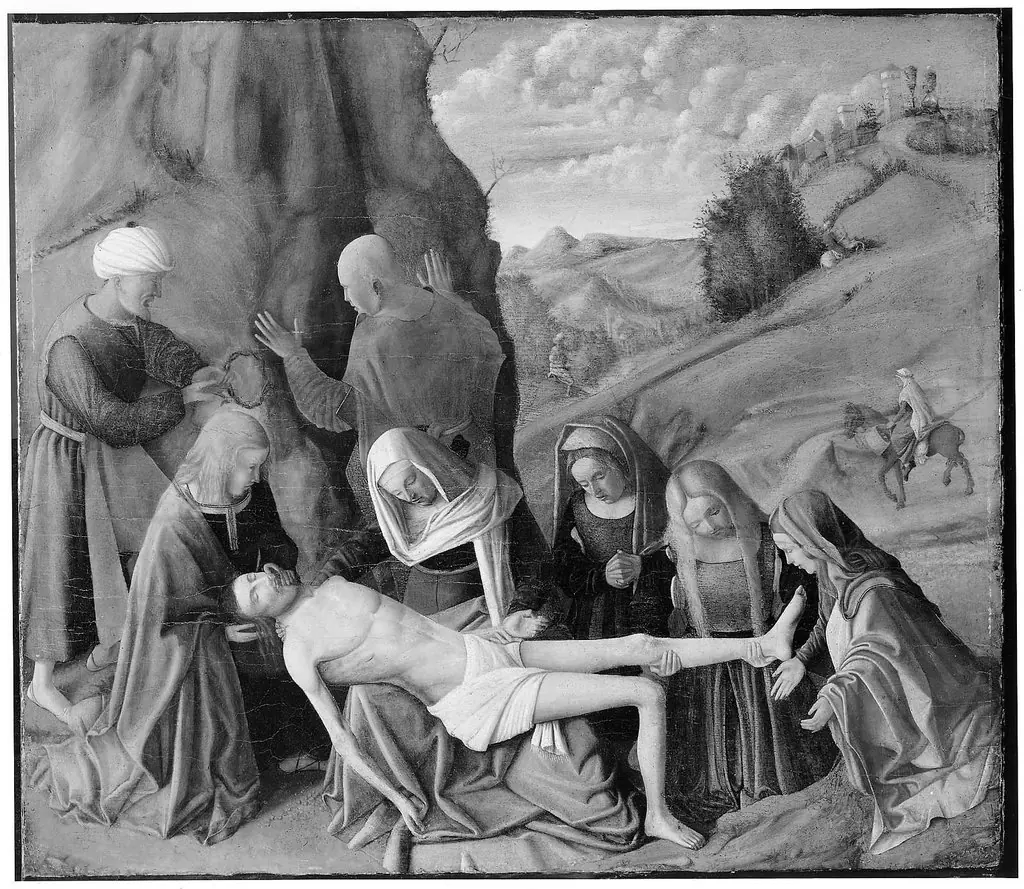
This oil painting depicts the Virgin Mary cradling the lifeless body of Jesus after his crucifixion. Rendered with solemn precision, the composition centers on their intimate physical connection, emphasizing grief through posture and expression. The scene is stripped of narrative detail, focusing solely on the emotional weight of maternal loss.
Subject & Meaning
The subject draws from Christian tradition, illustrating Mary’s sorrow at the death of her son, a moment known as the Pietà. Her covered form and restrained gesture convey quiet dignity amid anguish, while Christ’s exposed body underscores his humanity and sacrifice. The image invites contemplation of suffering, devotion, and the bond between mother and child beyond death.
Technique & Style
The artist employs chiaroscuro to heighten emotional impact, directing light toward the figures’ faces and limbs while surrounding them in deep shadow. Fine brushwork defines textures—fabric folds, skin tones, and the subtle sag of lifeless flesh. The figures are compressed within a shallow space, intensifying the intimacy and psychological gravity of the moment.
History & Provenance
Attributed to Rogier van der Weyden, the painting likely dates to the mid-15th century, produced during his tenure in Brussels.
Attributed to Rogier van der Weyden, the painting likely dates to the mid-15th century, produced during his tenure in Brussels. It was probably commissioned for private devotion, reflecting the period’s emphasis on personal piety. Its early ownership remains undocumented, but it entered public collections by the 19th century, where it has since been studied as a key example of Northern Renaissance emotionality.
Context
Created in a time when devotional imagery was central to religious practice, the painting reflects the growing trend of empathetic, human-centered representations of sacred figures. Van der Weyden’s approach diverged from earlier formalism, prioritizing psychological realism and emotional resonance, aligning with broader shifts in Northern European art toward intimate, affective spirituality.
Legacy
The work influenced later depictions of the Pietà across Europe, particularly in its focus on quiet, internalized grief rather than theatrical mourning. Its restrained composition and emotional depth became a model for artists seeking to convey sacred sorrow without spectacle. Though not widely reproduced in its time, its presence in major collections has ensured its continued scholarly attention.
Artist & collection

 Domestic Scene
 Giacomo and Cardinal Marco, investing Andrea, Abbot of San Zeno, with his Benefice
 The Nymph of Fontainebleau
 Portrait of a Woman
 Madonna and Child with Saints in the Enclosed Garden
 Venus and Minerva
 Family Group of Four on Sofa
 Wall painting from Room H of the Villa of P. Fannius Synistor at Boscoreale