Artwork
Portrait of Johan de Witt (1625-72), Grand Pensionary of Holland
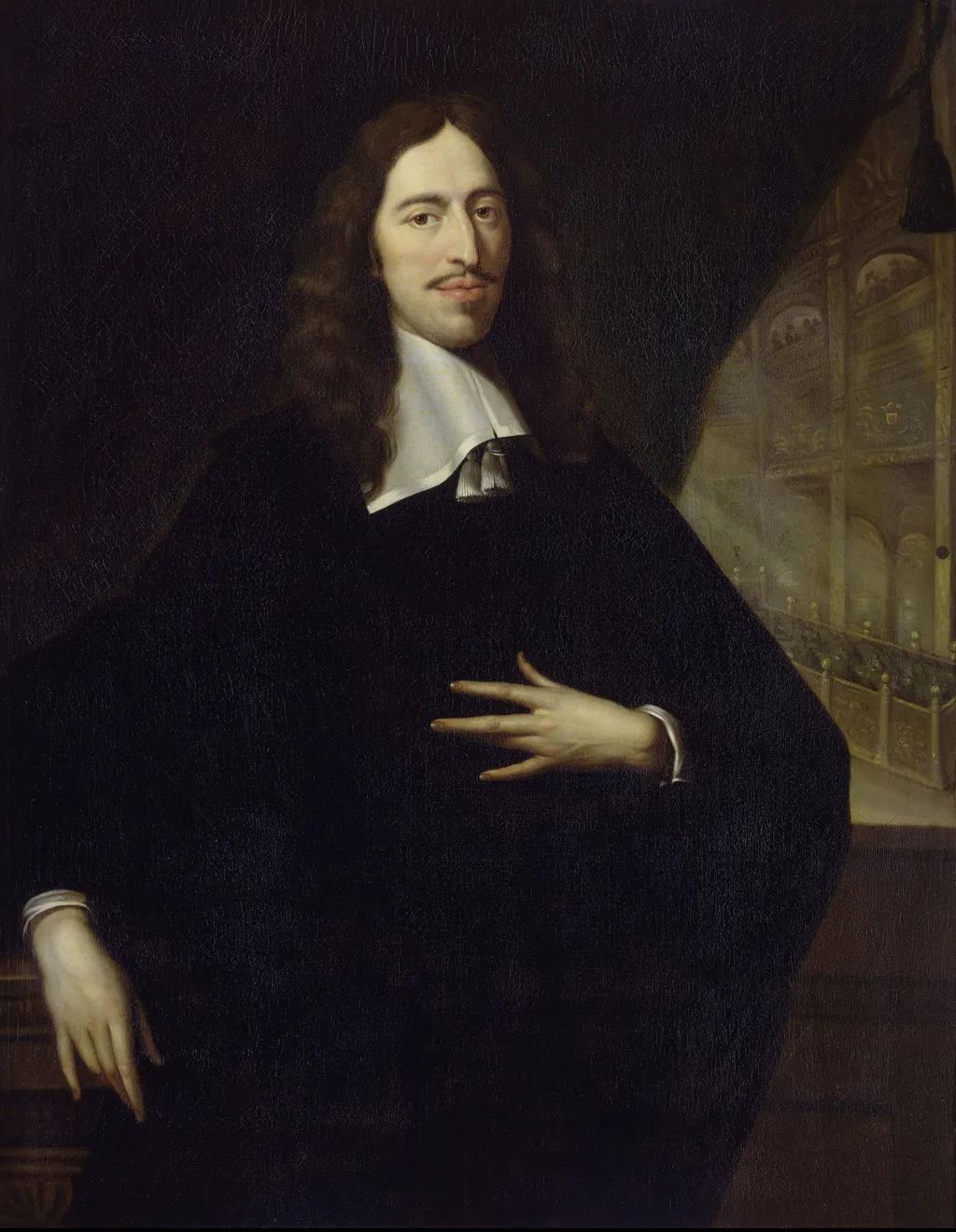
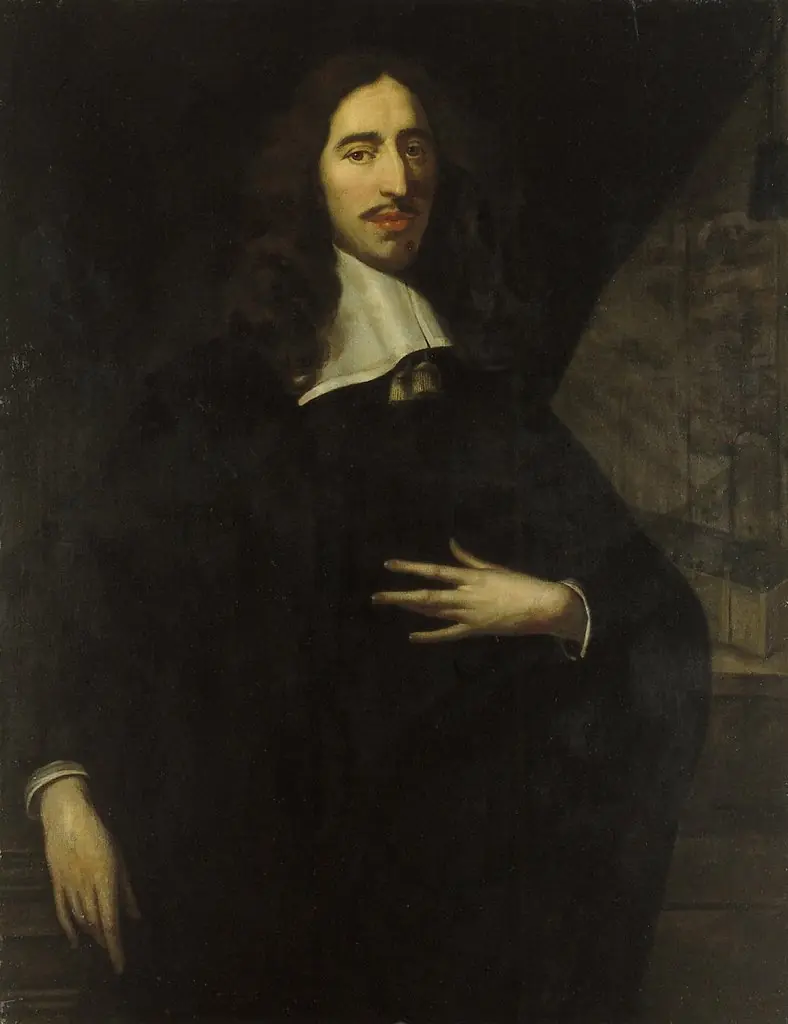
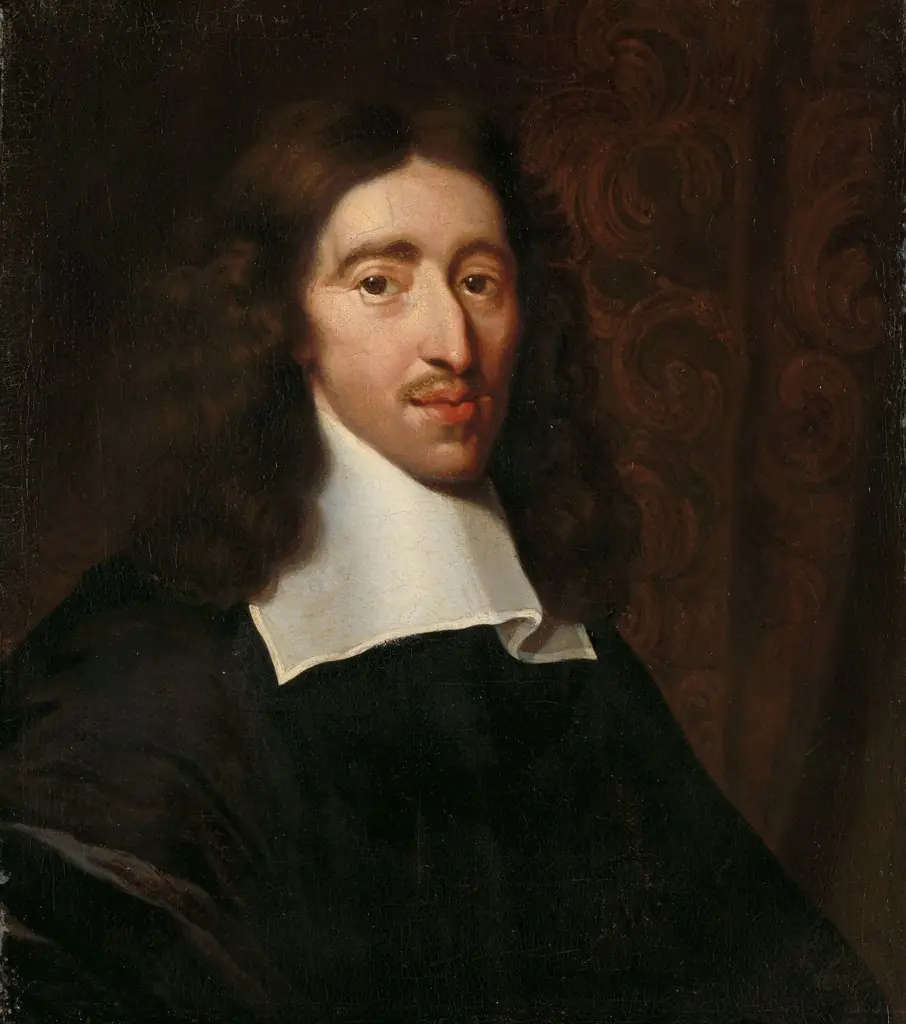
Portrait of Johan de Witt (1625-72), Grand Pensionary of Holland is an oil painting. It dates from 1700 and is held in the collection of the Rijksmuseum. The work is an oil painting portraying Johan de Witt, who served as Grand Pensionary of Holland in the mid‑seventeenth century.
About this work
Overview
The work is an oil painting portraying Johan de Witt, who served as Grand Pensionary of Holland in the mid‑seventeenth century.
The work is an oil painting portraying Johan de Witt, who served as Grand Pensionary of Holland in the mid‑seventeenth century. Rendered from the waist up, the figure is seated, his right hand resting on the back of a chair, while a dark coat, white ruff and neatly curled hair define his appearance. A draped fabric behind him partially obscures a faint secondary image, adding depth to the composition.
Subject & Meaning
Johan de Witt is presented with a composed, authoritative demeanor, reflecting his political stature and the gravitas of his office. The solemn expression and restrained pose convey a sense of responsibility and control, typical of portraiture intended to emphasize the sitter’s public role rather than personal intimacy.
Technique & Style
The painter employs a strong contrast of light and shadow, reminiscent of chiaroscuro, to model the figure’s features and the folds of his clothing. The dark background recedes, allowing the illuminated face and white collar to dominate the visual field, while the subtle suggestion of another form on the curtain adds a layered, atmospheric quality.
History & Provenance
Created during de Witt’s lifetime, the portrait likely served a diplomatic or official function, underscoring his prominence within the Dutch Republic. The painting’s subsequent ownership history is not detailed in the source material, but its survival suggests it remained in collections associated with Dutch political heritage.
Context
In the mid‑1600s, Dutch portraiture often combined realistic likeness with symbolic elements that communicated status. The inclusion of a chair, the formal attire, and the subdued backdrop align with contemporary conventions for depicting statesmen, situating de Witt within the visual language of power prevalent in the Dutch Golden Age.
Artist & collection